Cooling system failure (hoses, expansion tank, water pump)
high- Typically appears
- 80k–150k mi
- Estimated repair
- $400 – $1,200
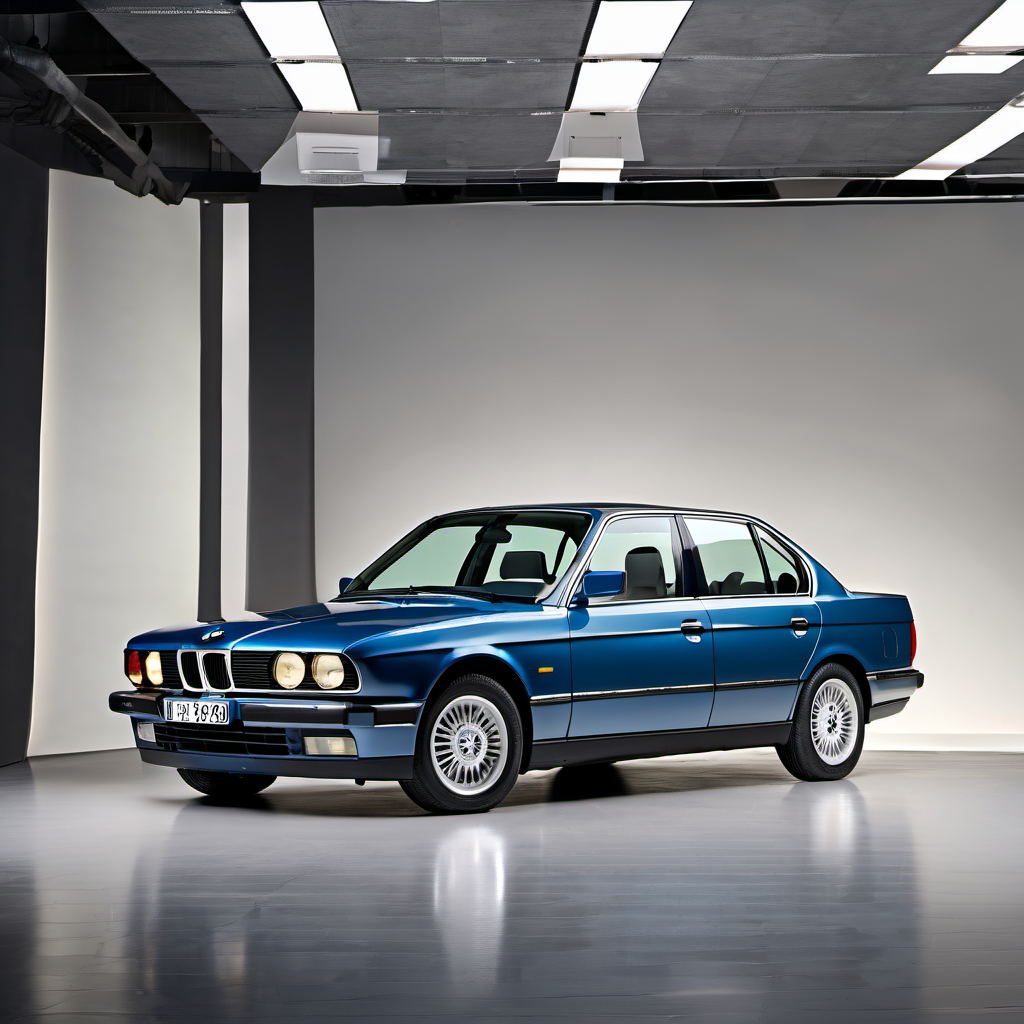
1992 BMW
Sedan
The 1992 BMW 5 Series (E34 generation) is a rear-wheel-drive executive sedan that represents the peak of BMW's analog engineering era. Offered with a range of inline-six and V8 engines, the E34 earned a reputation for driver-focused handling, a well-balanced chassis, and build quality that holds up surprisingly well for a 30-year-old car — provided it has been consistently maintained. This particular example carries the 3.4L inline-six (M30), the larger displacement six that powered the 535i variant. It's a robust, over-engineered engine that responds well to fresh oil and basic upkeep, but it belongs to an era of carbureted-adjacent fuel injection systems and analog sensors that require knowledgeable hands to service correctly today. Owning an E34 in 2024 means embracing classic-car realities: parts availability is uneven, electronic diagnostics require BMW-specific tools, and deferred maintenance on a 30-year-old chassis compounds quickly. The reward is a genuinely satisfying driver's car with timeless proportions — if you go in with clear eyes about what upkeep costs.
The 1992 BMW 5 Series (E34 generation) is a rear-wheel-drive executive sedan that represents the peak of BMW's analog engineering era. Offered with a range of inline-six and V8 engines, the E34 earned a reputation for driver-focused handling, a well-balanced chassis, and build quality that holds up surprisingly well for a 30-year-old car — provided it has been consistently maintained. This particular example carries the 3.4L inline-six (M30), the larger displacement six that powered the 535i variant. It's a robust, over-engineered engine that responds well to fresh oil and basic upkeep, but it belongs to an era of carbureted-adjacent fuel injection systems and analog sensors that require knowledgeable hands to service correctly today. Owning an E34 in 2024 means embracing classic-car realities: parts availability is uneven, electronic diagnostics require BMW-specific tools, and deferred maintenance on a 30-year-old chassis compounds quickly. The reward is a genuinely satisfying driver's car with timeless proportions — if you go in with clear eyes about what upkeep costs.
The M30 engine tolerates wear well but is sensitive to old, degraded oil. Shorter intervals are cheap insurance on a 30-year-old motor. Use a quality 10W-40 or manufacturer-specified viscosity.
Plastic expansion tanks and aging rubber hoses are the #1 cause of catastrophic overheating on the E34. This is not optional maintenance on a car this age.
Belts are rubber and age even without high mileage. A broken belt leaves you stranded and can cause secondary damage.
The Bosch Motronic fuel injection system depends on clean ignition to run efficiently. Worn plugs cause rough idle and poor fuel economy on the M30.
Dried-out hinges and failed seals are common on E34s and lead to water intrusion and interior mold — especially in Wisconsin's wet springs.
DOT 4 brake fluid absorbs moisture over time, lowering boiling point and promoting corrosion in calipers and lines. This is especially important before winter salt season.
Lake Geneva road salt is brutal. Inspect brake lines, fuel lines, and subframe mounting points for corrosion. Apply fresh underbody coating where needed.
The E34's electronics draw significant standby current. A borderline battery that survives summer will often fail on the first sub-zero Wisconsin morning.
Always defer to the manufacturer's service manual for warranty-mandated intervals.
The E34 535i is inexpensive to acquire but meaningful to maintain correctly. Base routine maintenance runs $1,200–$1,800/year on a well-kept example. A car needing catch-up work (cooling system, bushings, seals) can run $3,000–$5,000 in the first year. Parts are available but can be slow-shipped and pricier than domestic alternatives. Budget generously for the first year of ownership.
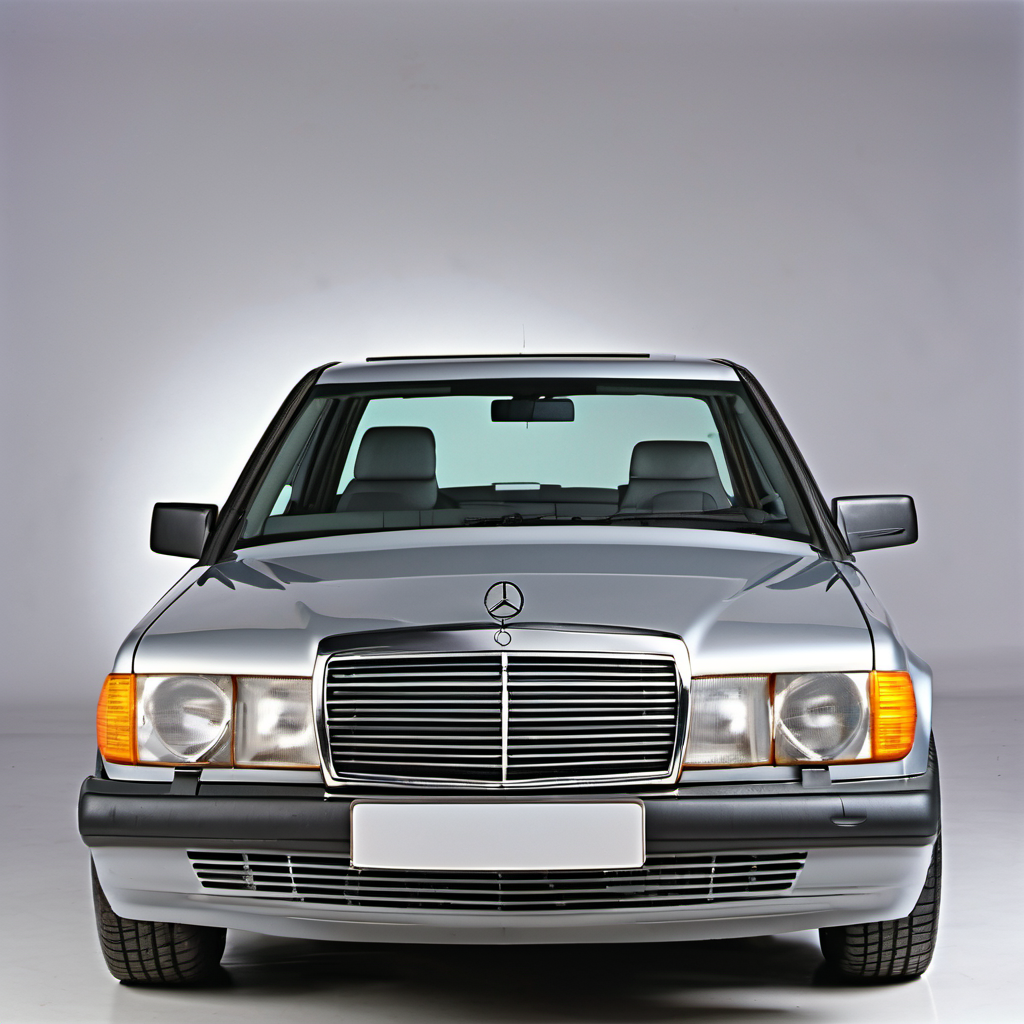
Direct contemporary executive sedan rival. Similar price bracket today, similarly durable inline-six, rear-wheel drive, and the same classic-car ownership realities. Known for slightly better long-term rust resistance.
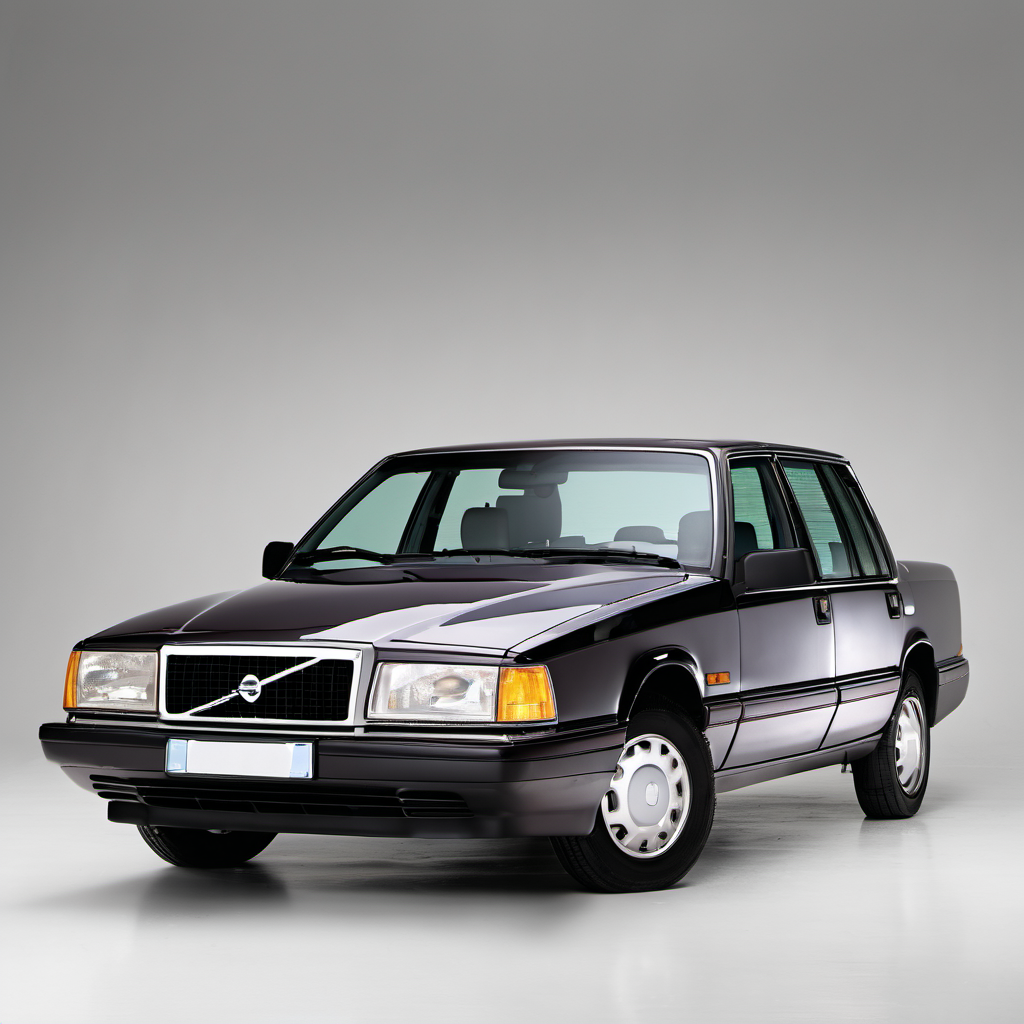
RWD luxury sedan from the same era with a robust inline-six. Generally cheaper to maintain and easier to source parts for, though less driver-focused than the E34.
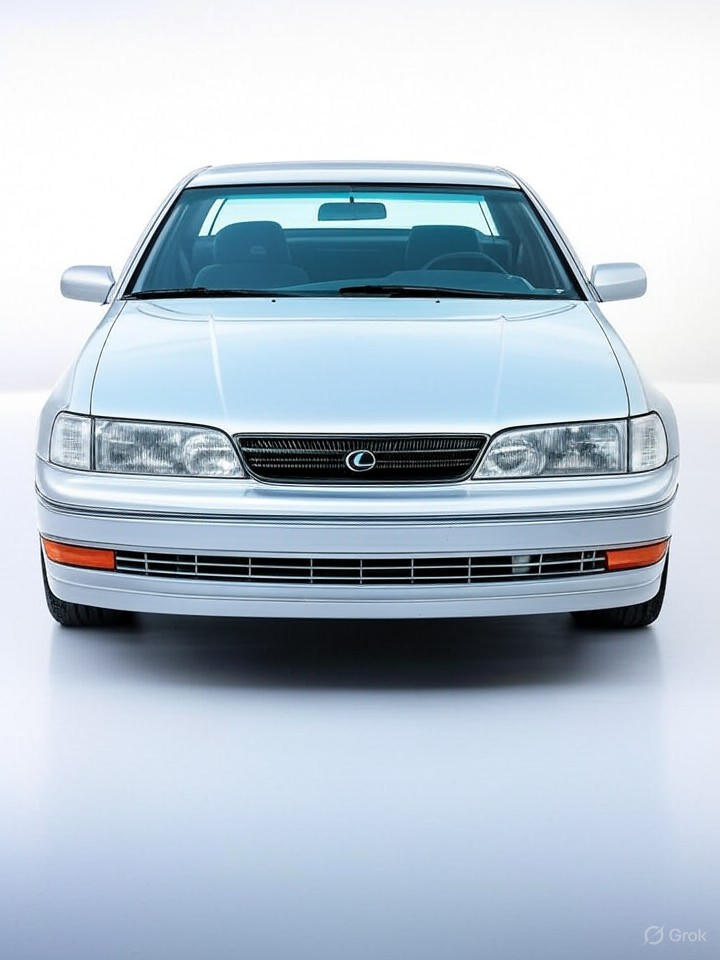
Japanese take on the executive RWD sedan. Inline-six, similar power output, and significantly lower long-term maintenance costs with better parts availability. Less characterful but more reliable daily.
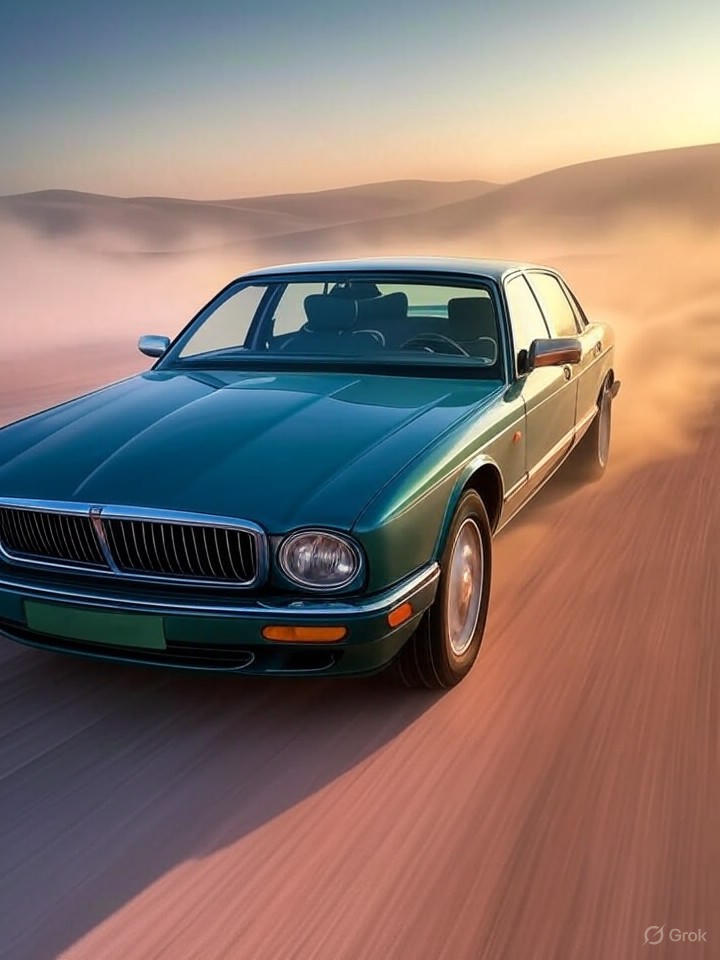
Comparable premium RWD executive sedan. Iconic styling and smooth inline-six, but historically higher ownership costs and more complex electronics — a cautionary comparison for buyers weighing European classics.