Timing belt and water pump service overdue
high- Typically appears
- Any — age-critical at 30+ years
- Estimated repair
- $600 – $950
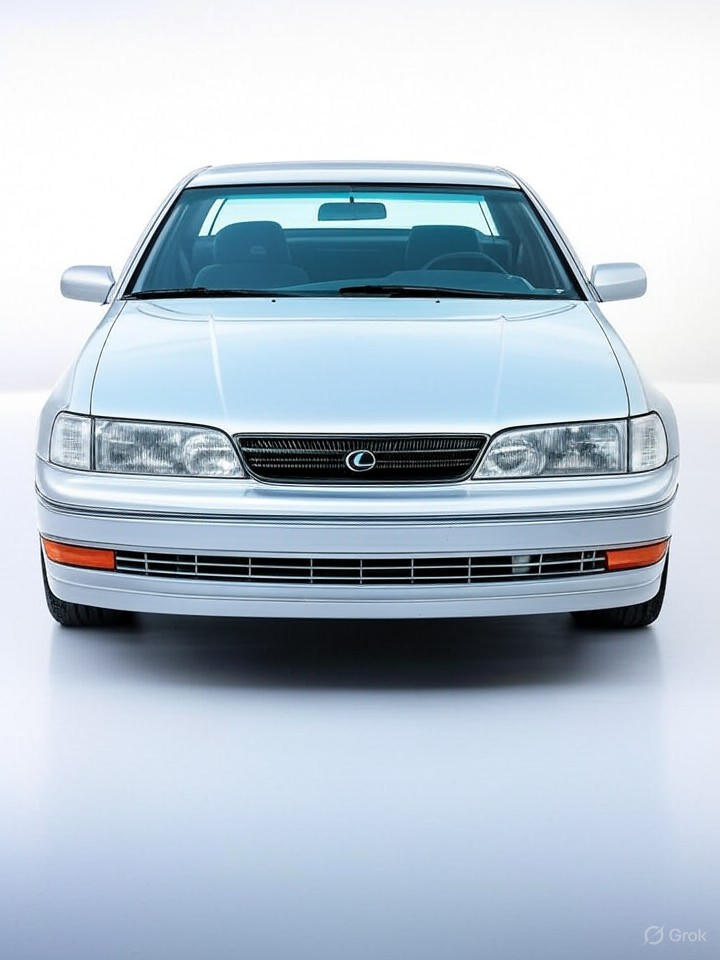
1993 Lexus
Sedan
The 1993 Lexus GS 300 (sold internally as the Z30 platform) was Lexus's first rear-wheel-drive sport sedan, slotting above the ES and aimed squarely at the BMW 5 Series and Mercedes E-Class. It launched Lexus's GS nameplate and brought a smooth, rev-happy 2JZ-GE inline-six to buyers who wanted German-style driving dynamics wrapped in Japanese build quality. Under the hood is Toyota's legendary 2JZ-GE — a naturally aspirated 3.0L inline-six that became famous for its robustness and long service life. Paired with a 4-speed automatic, the car delivers a relaxed, refined driving experience rather than outright performance. Power delivery is linear and the chassis is well-balanced for a luxury sport sedan of its era. By today's standards, the 1993 GS is a niche classic. Parts availability has thinned for some trim-specific components, but the engine and drivetrain share significant DNA with other Toyota/Lexus platforms from the same period, which helps at independent shops. A well-maintained example can still cruise comfortably into very high mileage.
The 1993 Lexus GS 300 (sold internally as the Z30 platform) was Lexus's first rear-wheel-drive sport sedan, slotting above the ES and aimed squarely at the BMW 5 Series and Mercedes E-Class. It launched Lexus's GS nameplate and brought a smooth, rev-happy 2JZ-GE inline-six to buyers who wanted German-style driving dynamics wrapped in Japanese build quality. Under the hood is Toyota's legendary 2JZ-GE — a naturally aspirated 3.0L inline-six that became famous for its robustness and long service life. Paired with a 4-speed automatic, the car delivers a relaxed, refined driving experience rather than outright performance. Power delivery is linear and the chassis is well-balanced for a luxury sport sedan of its era. By today's standards, the 1993 GS is a niche classic. Parts availability has thinned for some trim-specific components, but the engine and drivetrain share significant DNA with other Toyota/Lexus platforms from the same period, which helps at independent shops. A well-maintained example can still cruise comfortably into very high mileage.
The 2JZ-GE is an interference engine. A broken timing belt causes catastrophic valve damage. At this age, rubber degrades regardless of mileage — replace if you don't have documented proof.
High-mileage older engines benefit from consistent short-interval changes. Sludge buildup from skipped changes is a real risk on neglected examples.
30-year-old hoses and the radiator are failure risks. Electrolytic coolant corrosion can silently attack the water pump and radiator from the inside.
Brake fluid absorbs moisture over time, lowering boiling point and accelerating internal corrosion in calipers and master cylinder. Critical on a car this age.
Road salt causes rust-through on brake and fuel lines. A failure here is catastrophic. Inspect and treat exposed metal annually.
The 2JZ-GE runs best on quality plugs gapped to spec. Worn plugs increase misfires and stress the ignition coil packs.
Older ATF breaks down and causes shift harshness and clutch pack wear. Rear differential fluid is often forgotten entirely on older RWD cars.
At 30+ years, all factory rubber is suspect. Cracked vacuum hoses cause hard starts and rough idle. Cracked coolant hoses cause sudden overheating.
Always defer to the manufacturer's service manual for warranty-mandated intervals.
Day-to-day costs are modest if the car is already in good shape. The danger with a 30-year-old Lexus is deferred maintenance catch-up: a single owner who needs timing belt, hoses, brakes, and suspension all at once can easily spend $3,000–$5,000 in one shop visit. Budget for that possibility on purchase. Once the car is current on everything, ongoing costs drop significantly.
Direct competitor at launch — RWD sport sedan, inline-six, similar price point and mission. More driver-focused but higher long-term maintenance costs.
No catalog match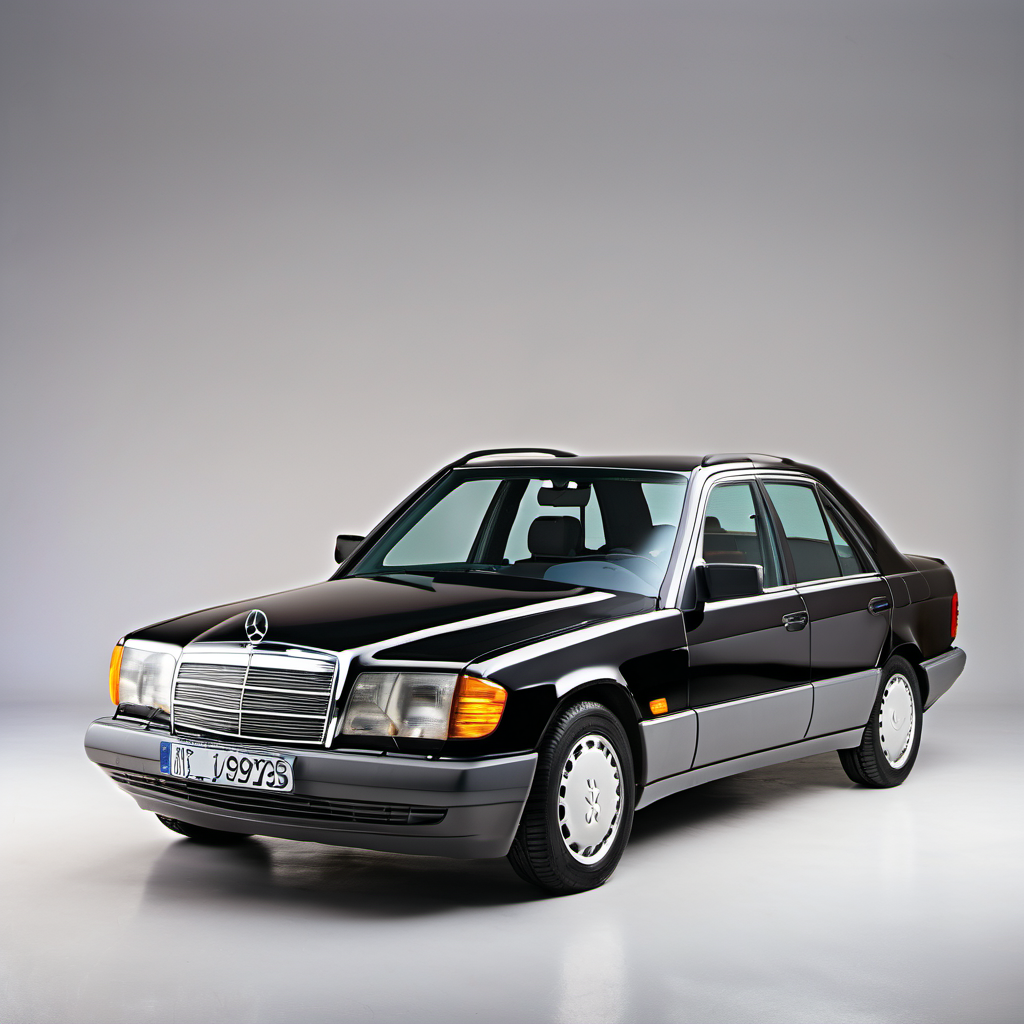
Same luxury sport-sedan segment and era. Smooth inline-six, RWD, comparable refinement. Parts and specialist labor can be expensive.
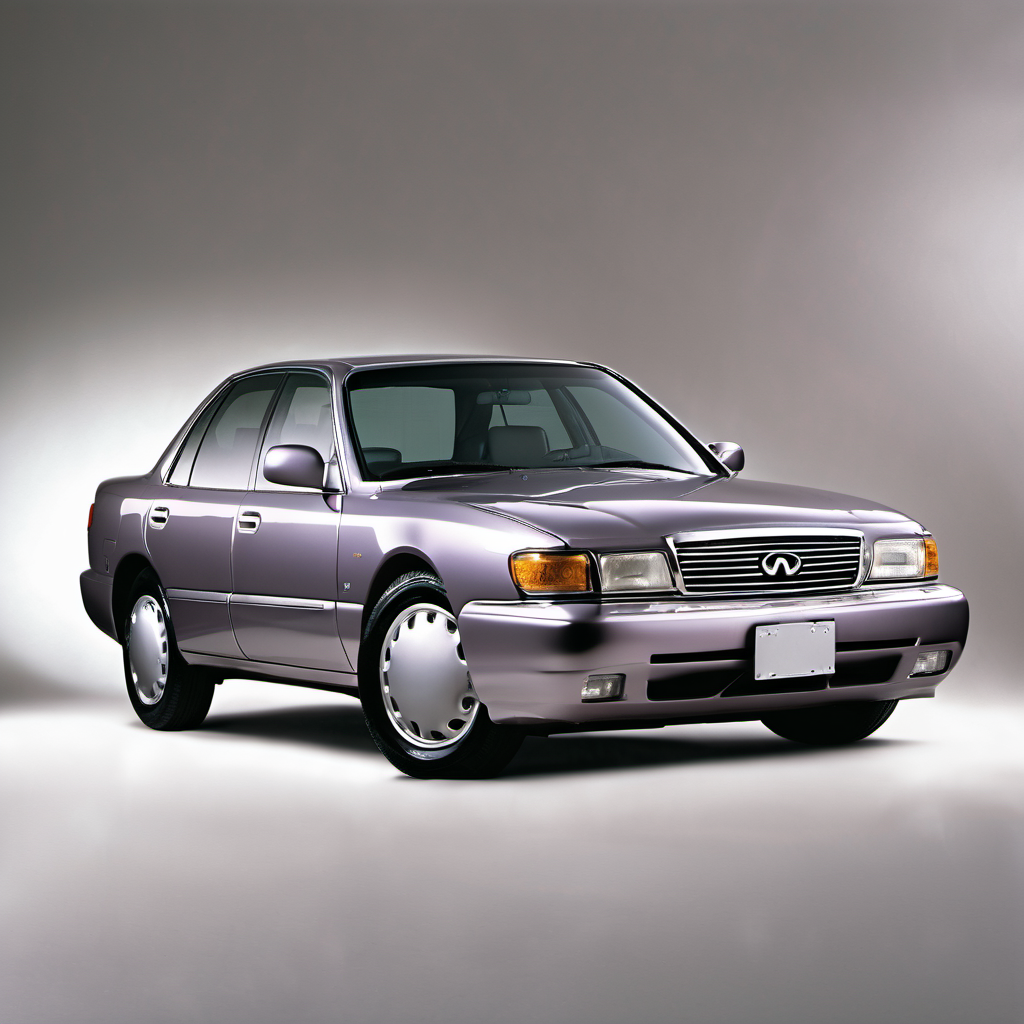
Nissan's near-direct answer to the GS — RWD, V6, luxury sport sedan positioning. Less common today, but shares the Nissan VG30DE's solid reputation.
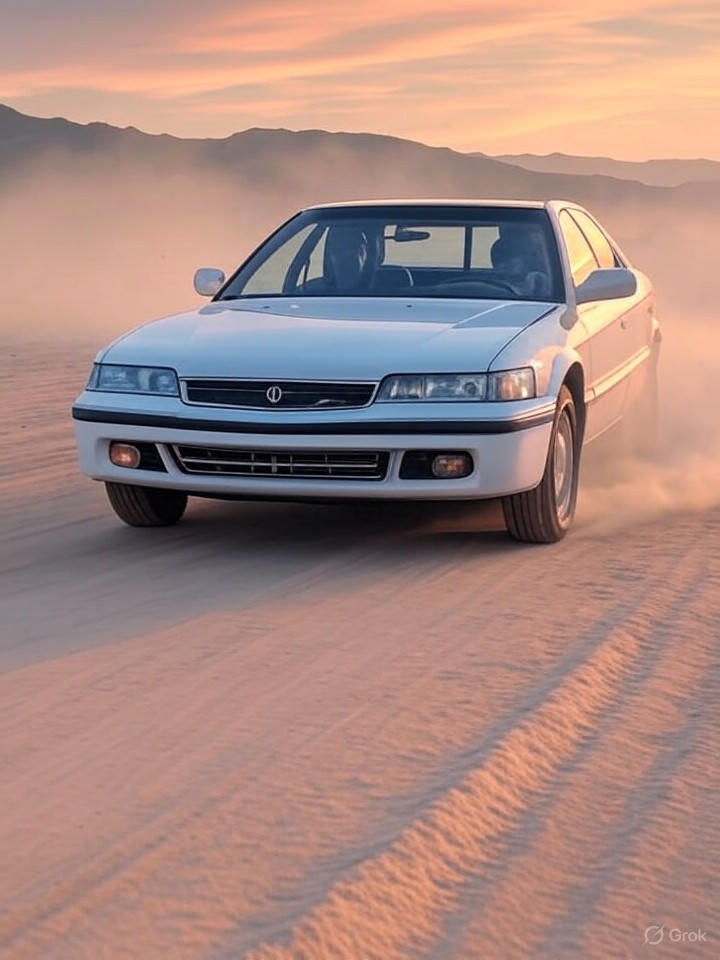
Japanese luxury competitor of the same era. More common in the used market, strong reliability, though FWD vs. the GS's RWD layout.