Deteriorated or incorrect fuel delivery (gravity-feed system)
high- Typically appears
- Any mileage / any age
- Estimated repair
- $150 – $600
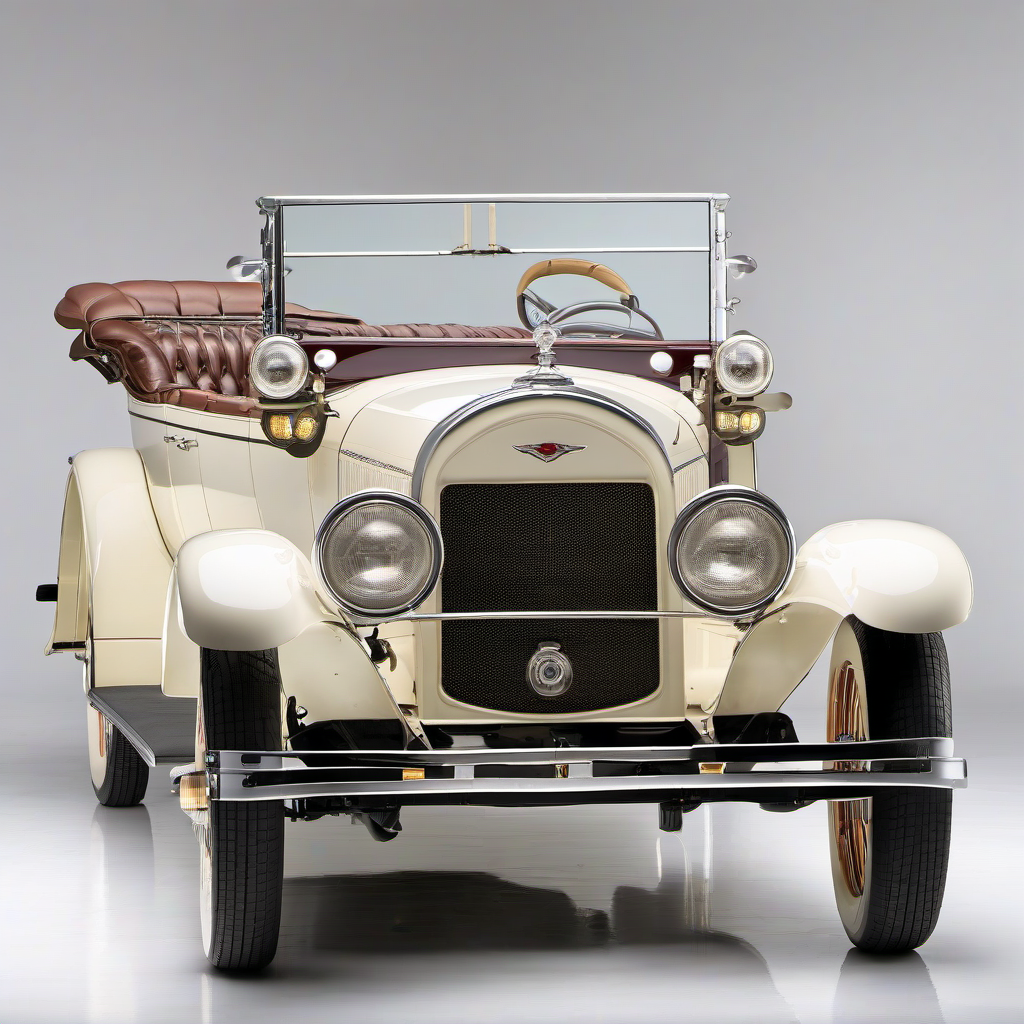
1927 Chrysler
160 CI I4 · Phaeton
The 1927 Chrysler Series 50 Phaeton is a pre-Depression open touring car — a four-door, four-season body style with a fold-down canvas top, no side windows, and jump seats that could accommodate up to five or six passengers. It was part of Chrysler's entry-level lineup for 1927, positioned below the Series 60 and 70, but still offered hydraulic four-wheel brakes — a genuine engineering advantage over many competitors of the era. Walter Chrysler had only launched the brand in 1924, and the Series 50 represented his push to deliver modern engineering at an accessible price point. Powered by a 160 cubic inch inline-four making roughly 38 horsepower, the Series 50 is a slow, deliberate machine by any modern standard. Top speed is around 55–60 mph on a flat road, and the three-speed sliding-gear manual transmission demands deliberate double-clutch technique. Fuel delivery is by gravity feed from a cowl-mounted tank — there is no fuel pump. Ignition is a magneto-style system with a hand-throttle and spark advance lever on the steering column. Today, surviving Series 50 Phaetons are antique collector vehicles. Open phaetons are among the rarer body styles because they were more susceptible to weather damage and were often discarded as they aged. Any example still running has almost certainly been restored or heavily serviced at some point. This is not a daily driver — it is a show, parade, or club touring car that requires an owner comfortable with vintage mechanics or access to a specialist.
The 1927 Chrysler Series 50 Phaeton is a pre-Depression open touring car — a four-door, four-season body style with a fold-down canvas top, no side windows, and jump seats that could accommodate up to five or six passengers. It was part of Chrysler's entry-level lineup for 1927, positioned below the Series 60 and 70, but still offered hydraulic four-wheel brakes — a genuine engineering advantage over many competitors of the era. Walter Chrysler had only launched the brand in 1924, and the Series 50 represented his push to deliver modern engineering at an accessible price point. Powered by a 160 cubic inch inline-four making roughly 38 horsepower, the Series 50 is a slow, deliberate machine by any modern standard. Top speed is around 55–60 mph on a flat road, and the three-speed sliding-gear manual transmission demands deliberate double-clutch technique. Fuel delivery is by gravity feed from a cowl-mounted tank — there is no fuel pump. Ignition is a magneto-style system with a hand-throttle and spark advance lever on the steering column. Today, surviving Series 50 Phaetons are antique collector vehicles. Open phaetons are among the rarer body styles because they were more susceptible to weather damage and were often discarded as they aged. Any example still running has almost certainly been restored or heavily serviced at some point. This is not a daily driver — it is a show, parade, or club touring car that requires an owner comfortable with vintage mechanics or access to a specialist.
Vintage engines have loose tolerances and splash-lubrication passages that can be disrupted by modern detergent oils if the engine has never been run on them. Consult your restorer before switching oil type.
Timing is manually controlled; there is no vacuum advance. Incorrect setting causes poor performance and can damage pistons.
Ethanol in modern pump gasoline degrades old carburetor components and can cause gum deposits; ethanol-free fuel is strongly preferred for this vehicle.
The gravity-feed cowl tank and float bowl are prone to varnish buildup from ethanol-blended fuel sitting unused.
Early Chrysler wheel bearings are non-sealed and rely on grease packing. Dry bearings on a 100-year-old axle will fail quickly.
Water infiltration through a failed top rots the wooden body frame — the most expensive repair on an open phaeton.
6-volt systems (or 12-volt conversions) common on restored examples are sensitive to poor connections; a weak generator won't keep a battery charged at low parade speeds.
Original linings may contain asbestos. Do not dry-sand, blow out, or machine brake components until tested. Hydraulic lines on vehicles of this age are a safety concern.
Always defer to the manufacturer's service manual for warranty-mandated intervals.
Annual out-of-pocket costs for a well-restored, low-use example are relatively modest — mostly storage, insurance, and occasional consumables. The financial risk is in deferred restoration work or unexpected structural finds (wood rot, brake system, engine seals). Budget $500–$1,500/year for routine upkeep on a solid example; a car needing serious work can run $5,000–$20,000+ in a single season. Parts fabrication and pre-war specialist labor rates in the upper Midwest typically run $80–$120/hour.
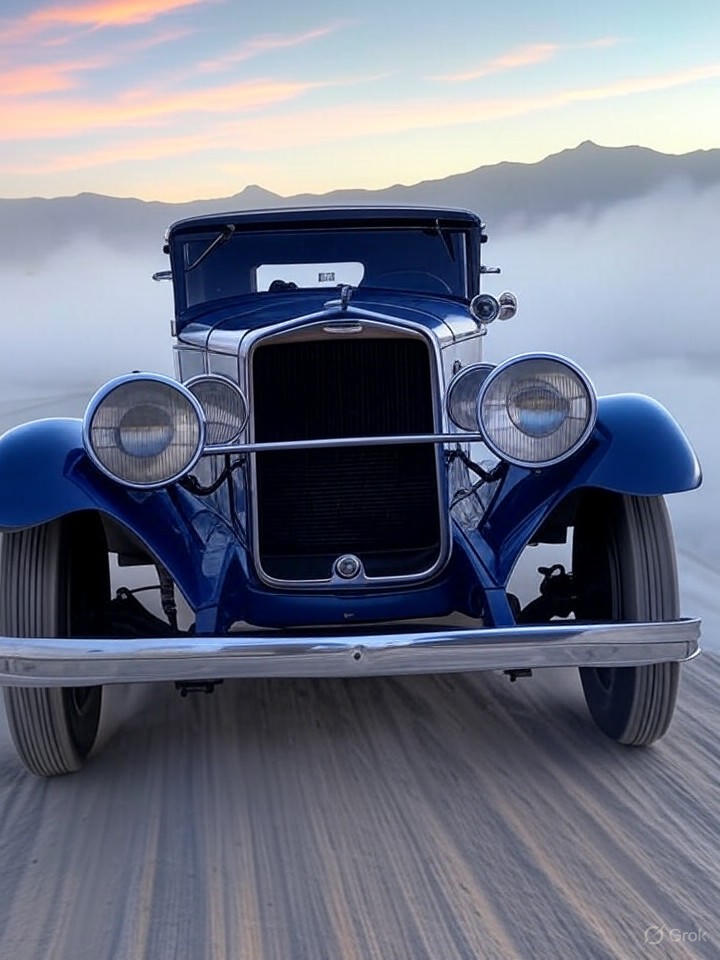
Direct contemporary in the same open touring body style; similar price point and inline-four power; also features four-wheel brakes by 1927. Strong club support through the Buick Club of America.
Comparable open phaeton from the same mid-1920s American mainstream; slightly more powerful inline-six; similar restoration challenges and parts availability situation.
No catalog matchPeriod competitor at a comparable price; similar four-cylinder configuration and open body availability; Studebaker club support exists for restoration research.
No catalog match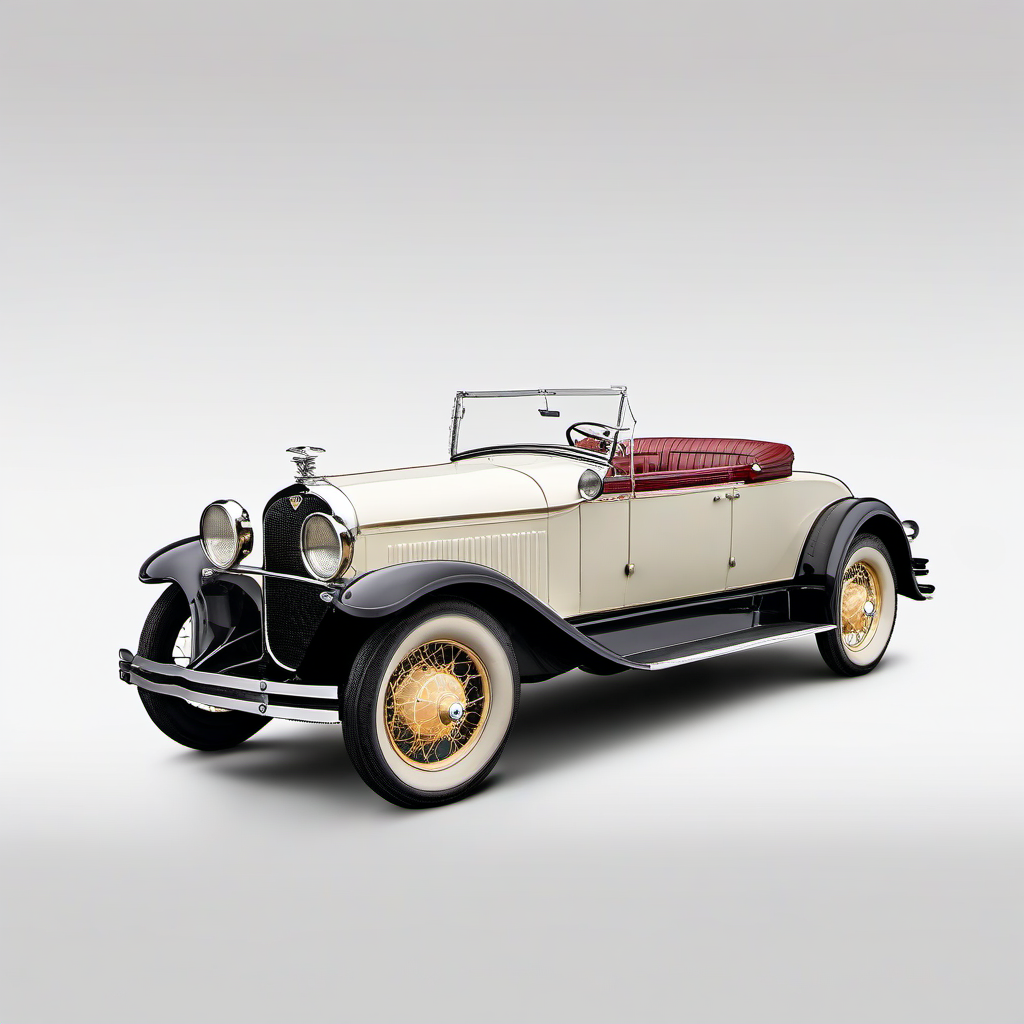
Immediate successor sharing much of the same mechanical DNA; slightly updated engine and trim; parts cross-reference between Series 50 and 52 makes the 52 a useful donor or comparison vehicle for restoration.