Babbit bearing wear in crankshaft and rod bearings
high- Typically appears
- Any unrestored example
- Estimated repair
- $800 – $2,500
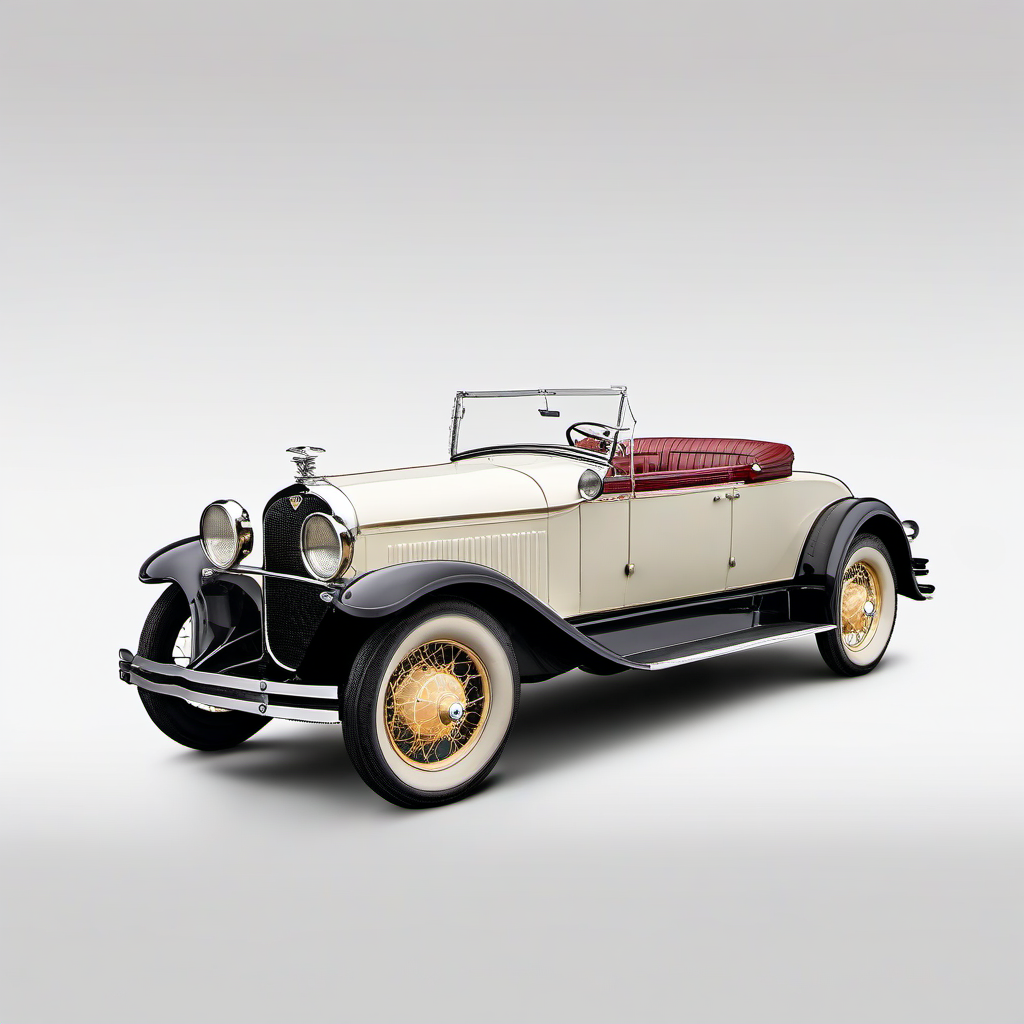
1928 Chrysler
175 CI I4 · Roadster
The 1928 Chrysler Series 52 is a light four-cylinder touring-era automobile from Chrysler's early lineup, positioned as an entry-level companion to the larger six-cylinder Series 62. Powered by a 175 cubic-inch L-head (flathead) inline-four, it was a solid, unpretentious machine built when Chrysler was still proving itself as a marque — the company had only been founded in 1925. The Series 52 Roadster body style features an open two-door configuration with a fold-down soft top, no side windows, and minimal weather protection by modern standards. At nearly 100 years old, any surviving example is a collector and hobby vehicle, not a daily driver. These cars require an owner who is comfortable sourcing obsolete parts, working with flathead engine specialists, and treating the car as a restoration or show project. Modern safety equipment, emissions controls, and OBD diagnostics simply do not apply. In the Lake Geneva area, this car's viability is strictly seasonal — spring car shows, summer cruises, and short fair-weather drives only. Wisconsin winters are categorically off-limits for a vehicle of this era.
The 1928 Chrysler Series 52 is a light four-cylinder touring-era automobile from Chrysler's early lineup, positioned as an entry-level companion to the larger six-cylinder Series 62. Powered by a 175 cubic-inch L-head (flathead) inline-four, it was a solid, unpretentious machine built when Chrysler was still proving itself as a marque — the company had only been founded in 1925. The Series 52 Roadster body style features an open two-door configuration with a fold-down soft top, no side windows, and minimal weather protection by modern standards. At nearly 100 years old, any surviving example is a collector and hobby vehicle, not a daily driver. These cars require an owner who is comfortable sourcing obsolete parts, working with flathead engine specialists, and treating the car as a restoration or show project. Modern safety equipment, emissions controls, and OBD diagnostics simply do not apply. In the Lake Geneva area, this car's viability is strictly seasonal — spring car shows, summer cruises, and short fair-weather drives only. Wisconsin winters are categorically off-limits for a vehicle of this era.
The original flathead head was designed for leaded fuel. Modern unleaded gasoline lacks the lubrication tetraethyl lead provided for valve seats; without a supplement or hardened seat conversion, valve recession will occur over time.
Babbit-bearing engines do not tolerate modern detergent oils well. Detergents can loosen decades of built-up deposits suddenly, clogging oil passages. Use straight-weight non-detergent oil as recommended for pre-1950s engines.
Ethanol in modern pump gas attracts moisture and accelerates corrosion inside the carburetor and fuel lines over winter storage. Clean sediment bowls and check fuel lines every season.
The breaker-point ignition requires periodic adjustment. Points wear, gap changes, and the distributor advance mechanism can stick — all causing hard starting and rough running.
1920s chassis have numerous grease zerks that require hand-packing or a grease gun regularly. Neglecting these leads to rapid wear of exposed metal-on-metal joints.
Brake fluid absorbs moisture over winter storage, lowering its boiling point and accelerating corrosion inside wheel cylinders. Flush and bleed before the first drive of the season.
Open roadster bodies use wooden subframes behind the sheet metal. Moisture intrusion leads to hidden rot that compromises structural integrity and accelerates body panel rust.
Ethanol-blended fuel degrades rapidly. Leaving it in the tank and carburetor over a Wisconsin winter causes varnish deposits, corroded jets, and a stuck float valve by spring.
Always defer to the manufacturer's service manual for warranty-mandated intervals.
Annual costs depend almost entirely on what work a given example needs. A fully restored, show-ready car in good mechanical condition may need only consumables (oil, plugs, grease, additives) — under $500 in a quiet year. Any mechanical issue, however, quickly escalates due to parts scarcity: many components must be sourced from marque club swap meets, machined to spec, or fabricated from scratch. Budget $1,000–$3,000/yr for active use and ongoing upkeep, and keep a contingency fund for major restoration work.

Direct contemporary competitor in the same price bracket and body style. Model A parts availability is significantly better due to far higher production numbers and an enormous hobbyist community.
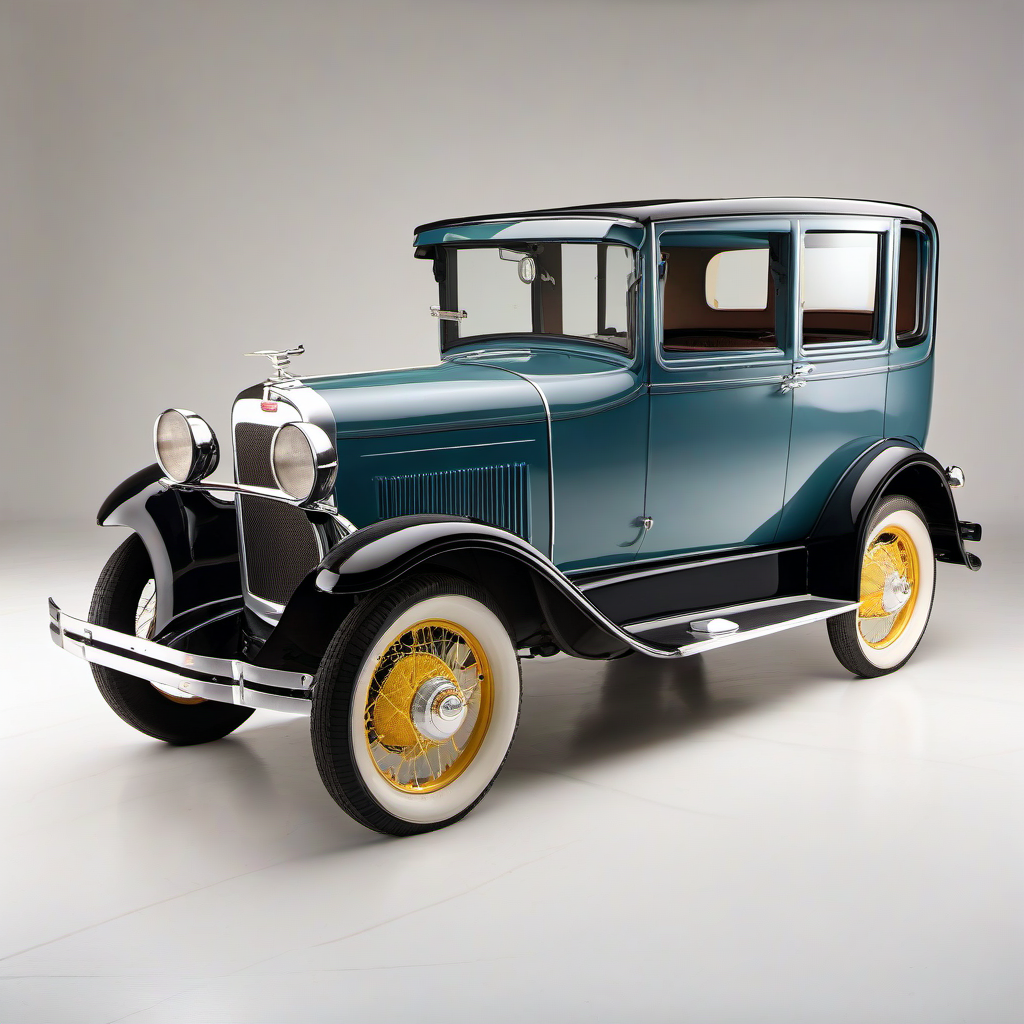
GM's entry-level four-cylinder roadster of the same era. Similar mechanical simplicity, comparable collector market, and overlapping parts networks through marque clubs.
A step up in displacement from Chrysler's own corporate family; comparable open-body collector appeal with slightly better parts support through Mopar heritage organizations.
No catalog match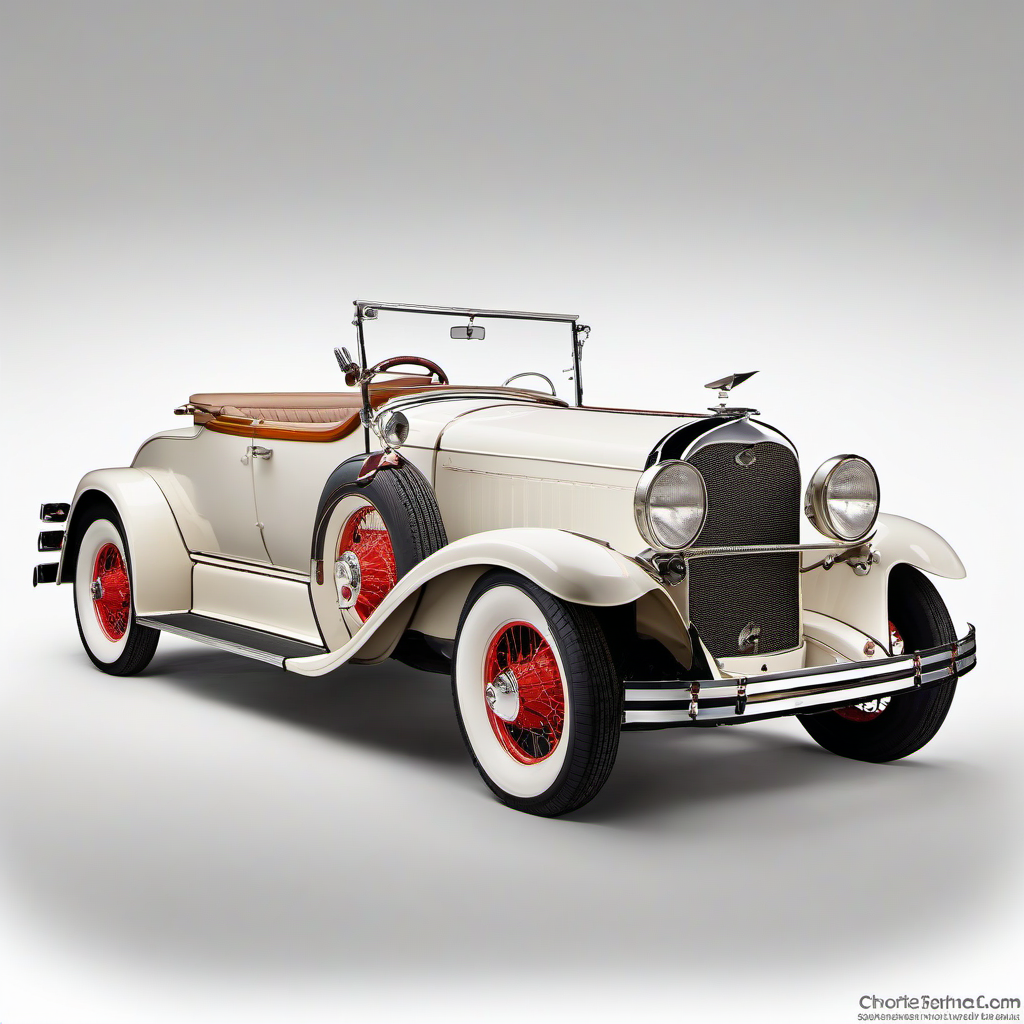
The next-generation Chrysler six-cylinder. If you want a more powerful, slightly more parts-supported open Chrysler from the same era, the 65 is the natural sibling comparison.