Engine Knock / Knocking Noise at Idle or Acceleration
medium- Typically appears
- 50–80k mi
- Estimated repair
- $500 – $2,500
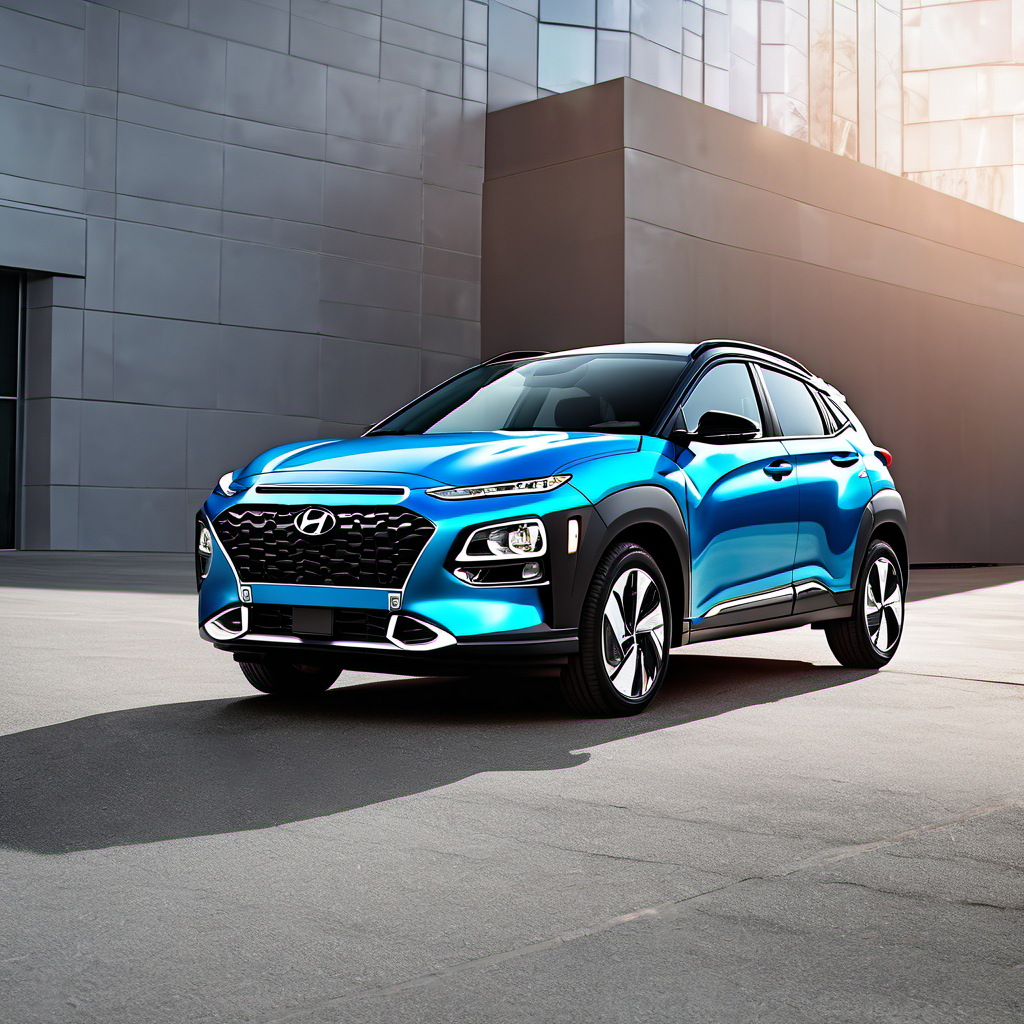
2021 Hyundai
SUV
The 2021 Hyundai Kona is a subcompact crossover SUV that punches above its weight in features and value. It slots into a crowded segment with a sharp exterior, a well-equipped interior, and one of the best factory warranties in the business — 5 years/60,000 miles bumper-to-bumper and 10 years/100,000 miles on the powertrain. For a daily driver in a city or suburb, it ticks a lot of boxes at a reasonable price. The base 2.0L naturally aspirated four-cylinder is adequate for everyday use, while the optional 1.6L turbocharged four-cylinder (also offered in this generation) adds noticeably more punch. The FWD layout is standard; AWD is available on higher trims. Fuel economy is solid for the class, and the compact footprint makes parking easy. That said, the 2021 model year carries some reliability caveats worth knowing. The dual-clutch transmission (DCT) used on turbo models has a documented shudder issue in low-speed driving. Engine knock complaints on the 2.0L have also surfaced in owner forums. Hyundai's warranty backstop helps, but buyers should go in with eyes open.
The 2021 Hyundai Kona is a subcompact crossover SUV that punches above its weight in features and value. It slots into a crowded segment with a sharp exterior, a well-equipped interior, and one of the best factory warranties in the business — 5 years/60,000 miles bumper-to-bumper and 10 years/100,000 miles on the powertrain. For a daily driver in a city or suburb, it ticks a lot of boxes at a reasonable price. The base 2.0L naturally aspirated four-cylinder is adequate for everyday use, while the optional 1.6L turbocharged four-cylinder (also offered in this generation) adds noticeably more punch. The FWD layout is standard; AWD is available on higher trims. Fuel economy is solid for the class, and the compact footprint makes parking easy. That said, the 2021 model year carries some reliability caveats worth knowing. The dual-clutch transmission (DCT) used on turbo models has a documented shudder issue in low-speed driving. Engine knock complaints on the 2.0L have also surfaced in owner forums. Hyundai's warranty backstop helps, but buyers should go in with eyes open.
Hyundai specifies 0W-20 full synthetic. In Wisconsin winters, the low-viscosity cold-flow properties matter — don't substitute a heavier conventional oil. Capacity is 4.2 quarts with filter.
FWD vehicles wear front tires faster. Rotating on the same schedule as oil changes keeps wear even and extends tire life — critical before you put winter tires on.
Wisconsin road grit and spring pollen load up filters faster than warmer climates. Inspect at each oil change; replace if visibly dirty before the 30k mark.
A clogged cabin filter strains the HVAC blower and reduces defrost effectiveness — a real safety issue on winter mornings. Cheap and easy to DIY.
DOT 4 absorbs moisture over time, lowering its boiling point. Wisconsin freeze-thaw cycles accelerate moisture intrusion. Fresh fluid keeps ABS and brake performance consistent.
Use only Hyundai SP-IV fluid — incorrect fluid in the DCT or CVT is a leading cause of shudder and premature wear. Don't substitute generic ATF.
Hyundai Long Life Coolant (blue) should be checked before each Wisconsin winter. Verify freeze protection to at least -34°F. Mixing coolant types causes corrosion.
Worn plugs on a direct-injection engine contribute directly to the misfire (P0300) and engine knock complaints documented on this generation. Iridium plugs are standard — don't substitute copper.
Always defer to the manufacturer's service manual for warranty-mandated intervals.
The Kona is one of the more affordable subcompact SUVs to own day-to-day. Routine maintenance is straightforward and parts are readily available. The main financial risk is an out-of-warranty DCT or engine repair, which can run $1,500–$3,000+. Buyers still inside the original powertrain warranty window are well-protected; used buyers should budget for those contingencies.
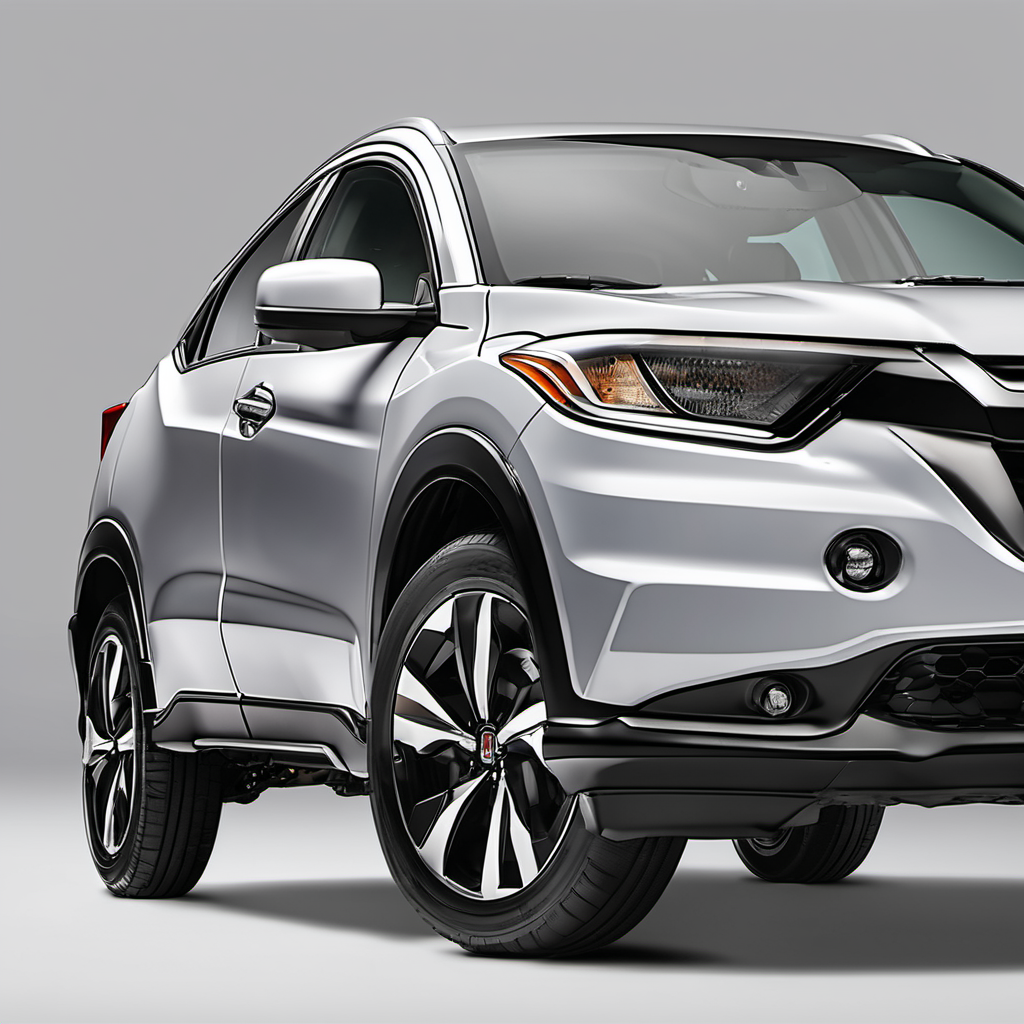
Same subcompact SUV footprint and price bracket, Honda's reliability reputation edges out Kona, but the HR-V's 1.8L engine is less powerful and fuel economy is similar.
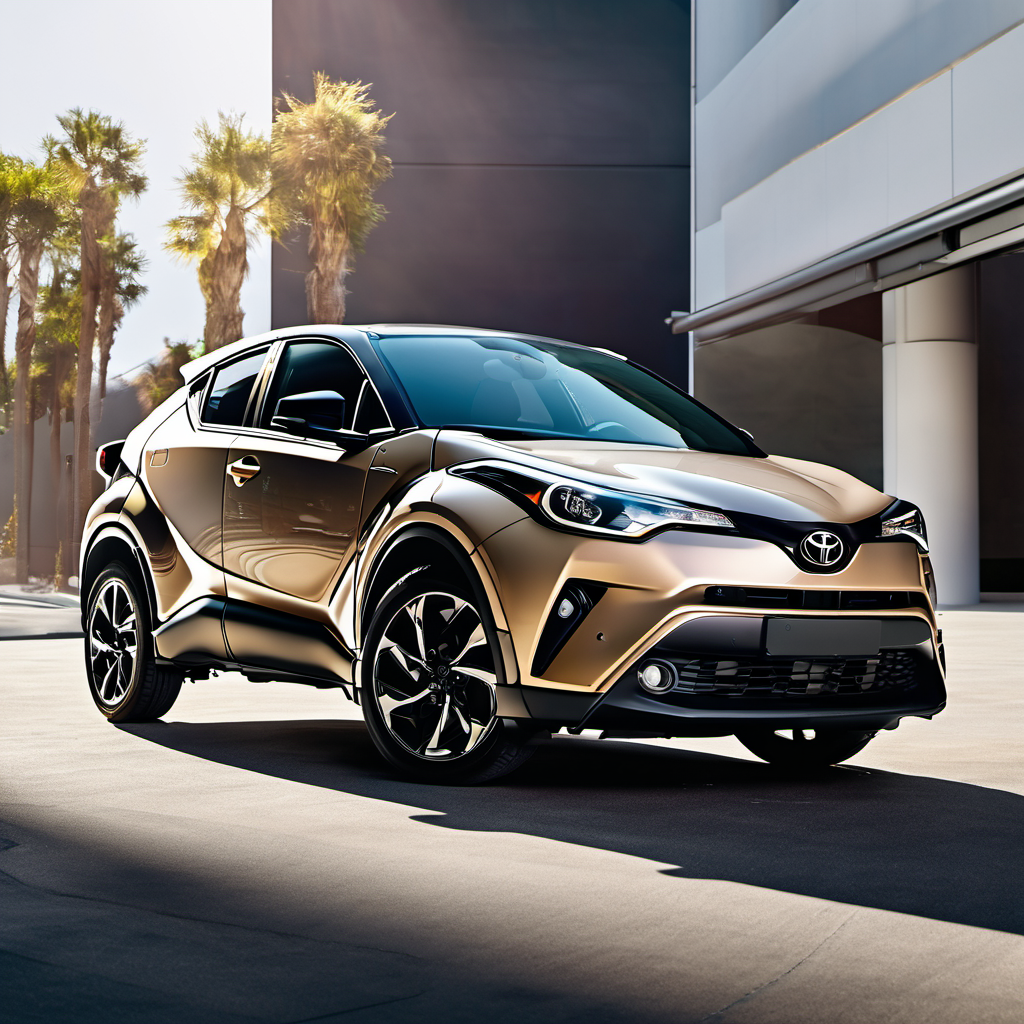
Direct competitor in size and price; Toyota's long-term reliability is stronger, but the C-HR is FWD-only and doesn't offer AWD at any trim — similar limitation to the base Kona.
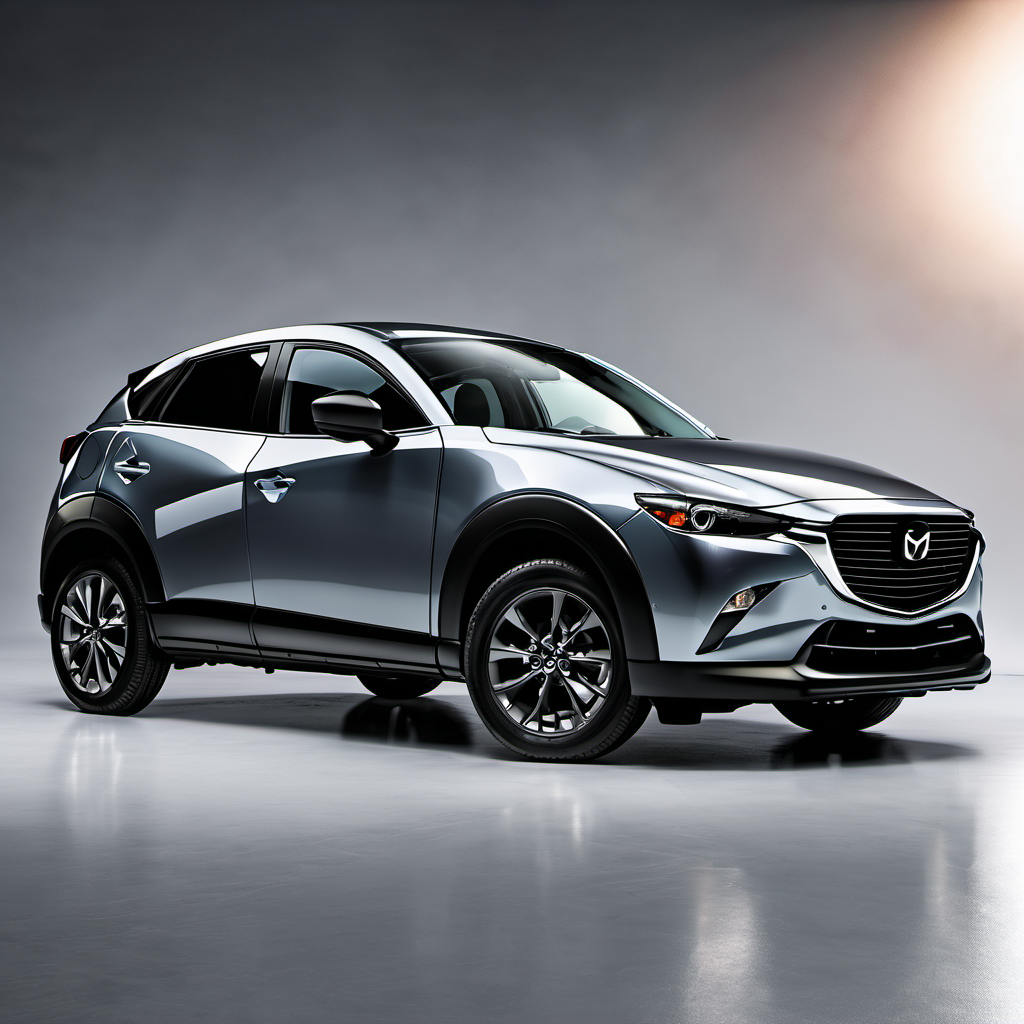
Slightly smaller and sportier feel, comparable pricing. Mazda's build quality and reliability scores are among the best in the subcompact segment, but the back seat is tighter.
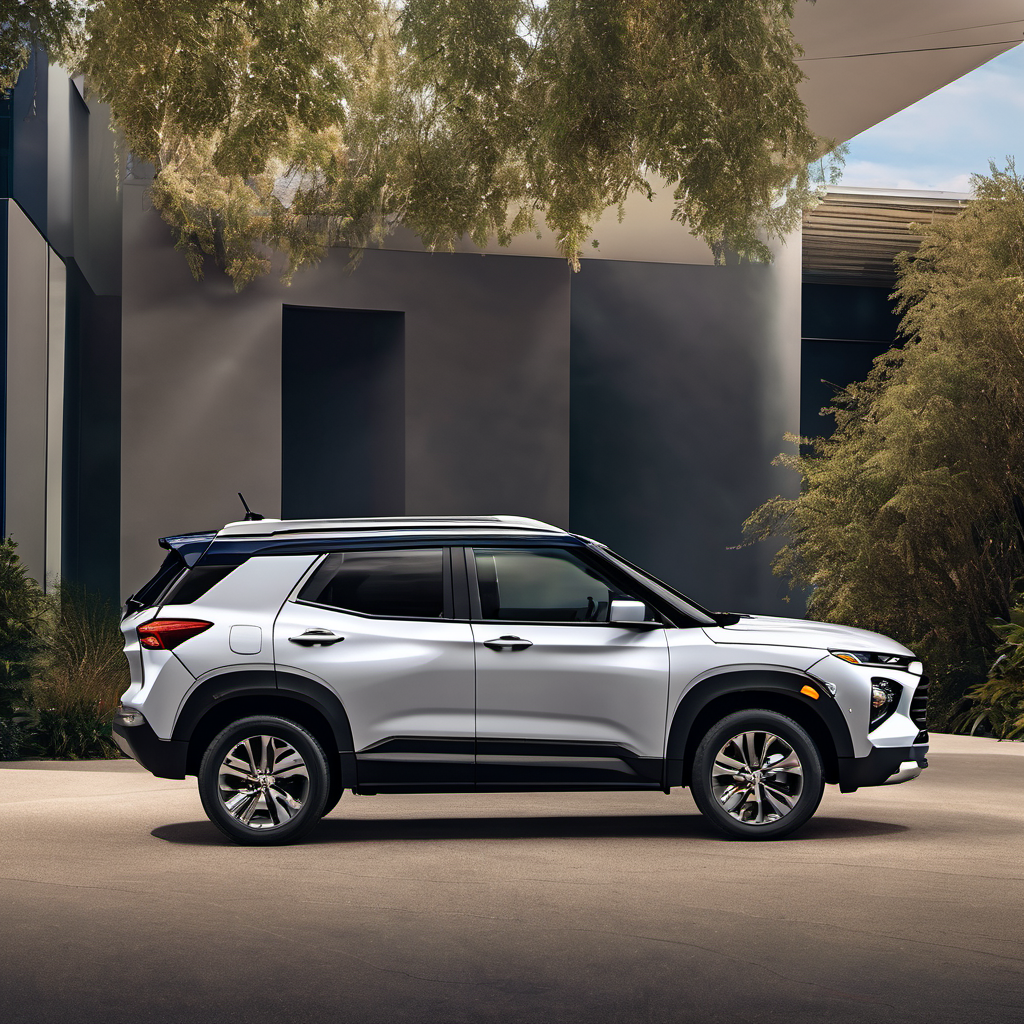
GM's re-entry in the subcompact SUV space; available AWD, similar MSRP, and 3-cylinder turbo options. Reliability data is still maturing for this generation but it's a credible alternative.