Transmission Shudder / Torque Converter Vibration
high- Typically appears
- 25–50k mi
- Estimated repair
- $150 – $400

2021 Chevrolet
SUV
The 2021 Chevrolet Trax is a subcompact crossover SUV that slots into Chevy's lineup as an entry-level urban hauler. It's been largely unchanged since its 2013 debut, which makes it a known quantity — predictable, affordable, and simple. The 1.4L turbocharged four-cylinder is modest but adequate for city and suburban driving, and the compact footprint makes it a natural fit for tight parking and congested streets. By 2021, the Trax was nearing the end of its generation, meaning buyers get a refined but aging platform. Interior tech and safety features lag behind newer rivals, and the engine and transmission combination can feel strained at highway speeds or when fully loaded. That said, the trade-off is a low purchase price and straightforward maintenance. For Lake Geneva and surrounding Walworth County driving, the front-wheel-drive base configuration handles light Wisconsin winters adequately with proper tires, though drivers who face heavy snow regularly should consider the AWD trim. Road salt is a real concern on this generation — undercarriage protection is worth the investment.
The 2021 Chevrolet Trax is a subcompact crossover SUV that slots into Chevy's lineup as an entry-level urban hauler. It's been largely unchanged since its 2013 debut, which makes it a known quantity — predictable, affordable, and simple. The 1.4L turbocharged four-cylinder is modest but adequate for city and suburban driving, and the compact footprint makes it a natural fit for tight parking and congested streets. By 2021, the Trax was nearing the end of its generation, meaning buyers get a refined but aging platform. Interior tech and safety features lag behind newer rivals, and the engine and transmission combination can feel strained at highway speeds or when fully loaded. That said, the trade-off is a low purchase price and straightforward maintenance. For Lake Geneva and surrounding Walworth County driving, the front-wheel-drive base configuration handles light Wisconsin winters adequately with proper tires, though drivers who face heavy snow regularly should consider the AWD trim. Road salt is a real concern on this generation — undercarriage protection is worth the investment.
The 1.4T turbo runs hotter than a naturally aspirated engine and depends on clean oil for VVT solenoid and turbo bearing health. Don't stretch this interval — fresh oil is the best insurance against cam phaser and turbo wear.
FWD platforms front-load wear onto the drive tires. Rotating on schedule equalizes wear and extends tire life significantly, which matters in Wisconsin where winter tires may already be in the budget.
The 6-speed automatic in the Trax is shudder-prone. Fresh Dexron VI fluid resolves early-stage shudder in most cases and prevents torque converter damage. Consider a proactive change at 45k miles rather than waiting.
The turbocharged 1.4L is harder on plugs than a standard four-cylinder. Worn plugs lead to misfires and stress on ignition coils. Replacing on schedule is far cheaper than chasing a misfire diagnosis.
A clogged air filter robs turbo response and fuel economy. Wisconsin gravel roads and rural driving can shorten this interval — inspect annually.
A plugged cabin filter stresses the blower motor and reduces defrost effectiveness — both important for Wisconsin winters. Easy DIY job.
DEX-COOL is long-life but degrades over time and can become acidic if the system is neglected. A flush at the 5-year mark protects the water pump and aluminum engine components.
DOT 3 is hygroscopic — it absorbs moisture over time, lowering its boiling point and promoting internal corrosion. In Wisconsin's freeze-thaw cycles, wet brake fluid contributes to caliper and line corrosion.
Always defer to the manufacturer's service manual for warranty-mandated intervals.
The Trax is genuinely affordable to own day-to-day. Routine maintenance is simple and parts are widely available. The two budget items to plan for: a potential transmission fluid service before 50k miles (~$150–$200 at an independent shop), and AC compressor replacement if you push past 60k miles without prior AC service (~$800–$1,200). Undercarriage rust treatment is a worthwhile annual investment at around $100–$150 and can save you from much larger brake line and exhaust repairs down the road.
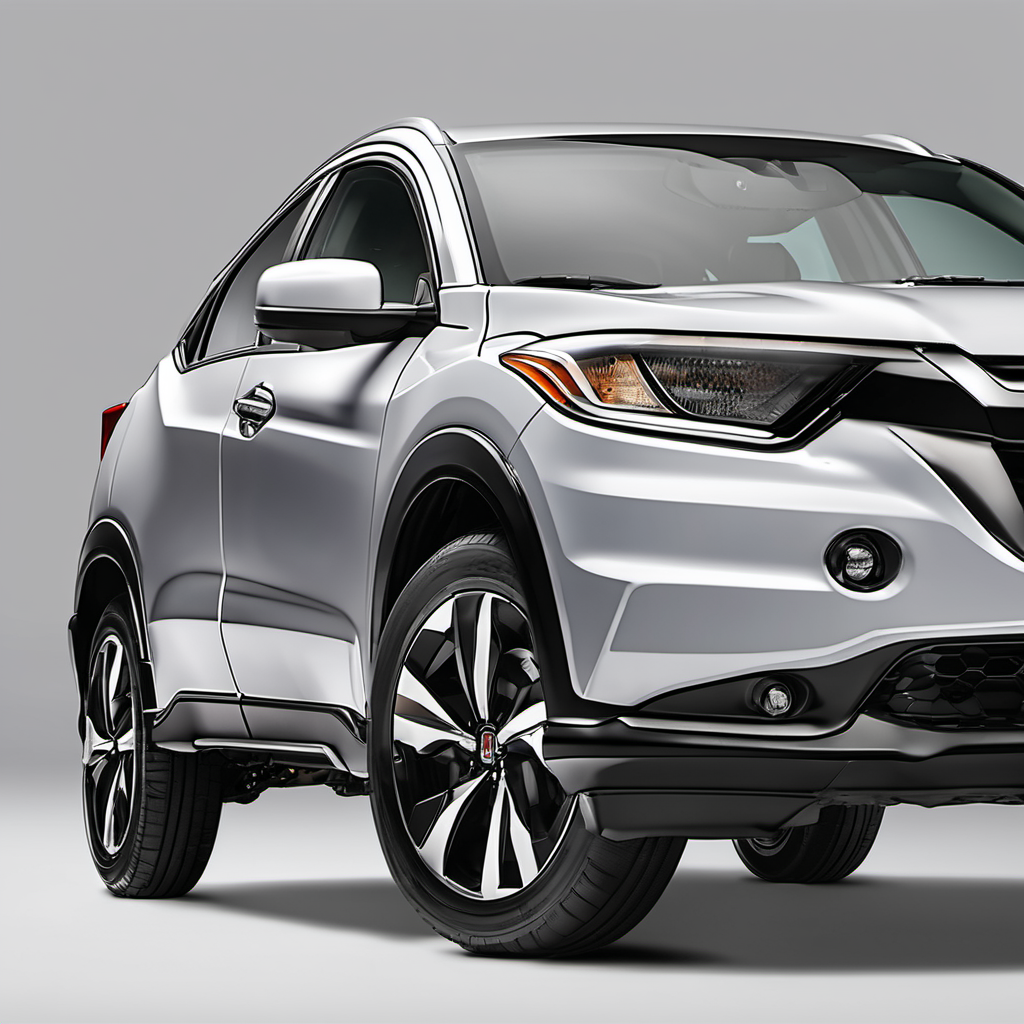
Same subcompact crossover segment, similar price, and a more proven reliability record. The HR-V also offers better interior space utilization via Honda's Magic Seat. A strong alternative if reliability is the priority.

FWD-only subcompact with a similar price point and better fuel economy. No AWD option limits it in serious Wisconsin winters, but it's a simpler, lighter package for pure city use.
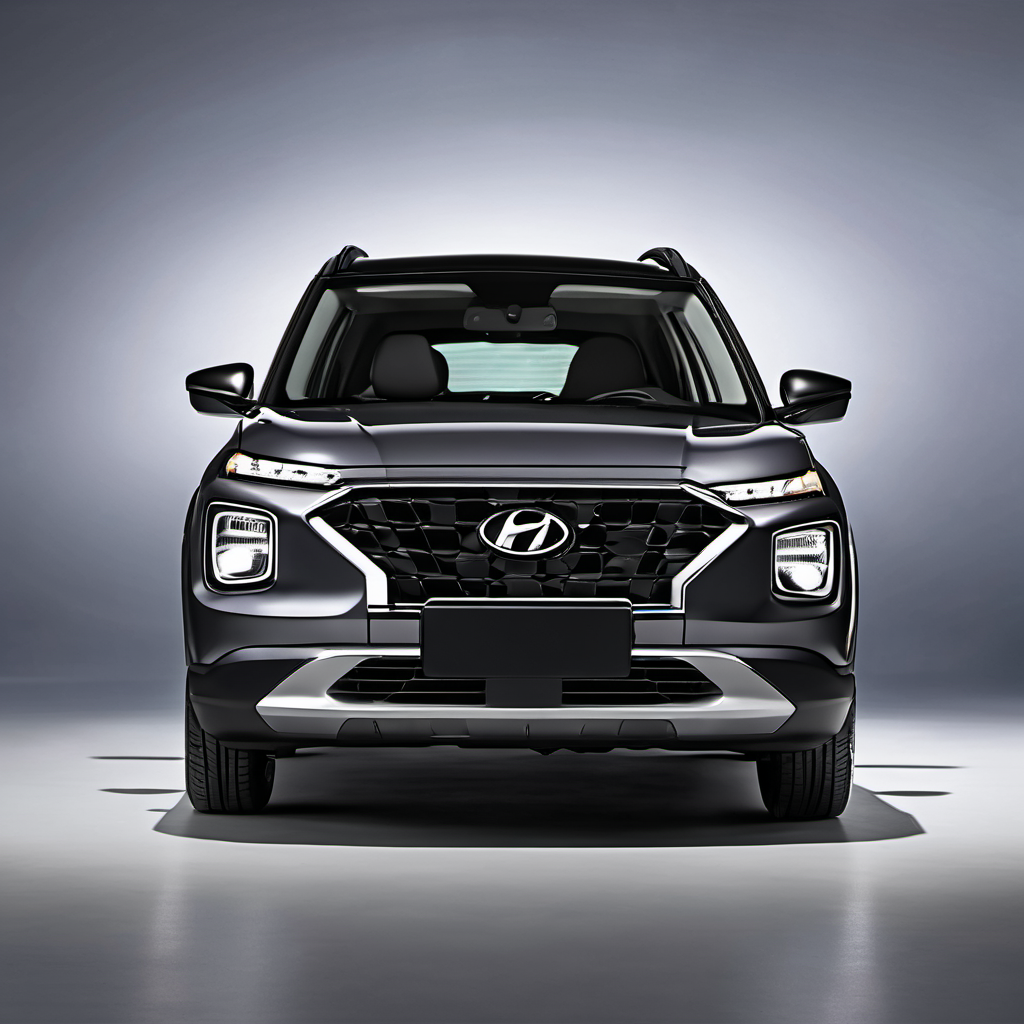
Newer platform than the Trax at a similar or lower price. More modern tech and safety features. Good choice if you want the latest driver aids without stepping up in size.

Direct size and price competitor to the Trax. Available AWD, similarly aging platform. The Trax generally edges it out on reliability reputation, but both are worth comparing on price at point of purchase.