CVT Shuddering, Hesitation, or Failure
high- Typically appears
- 50–90k mi
- Estimated repair
- $2,500 – $4,500
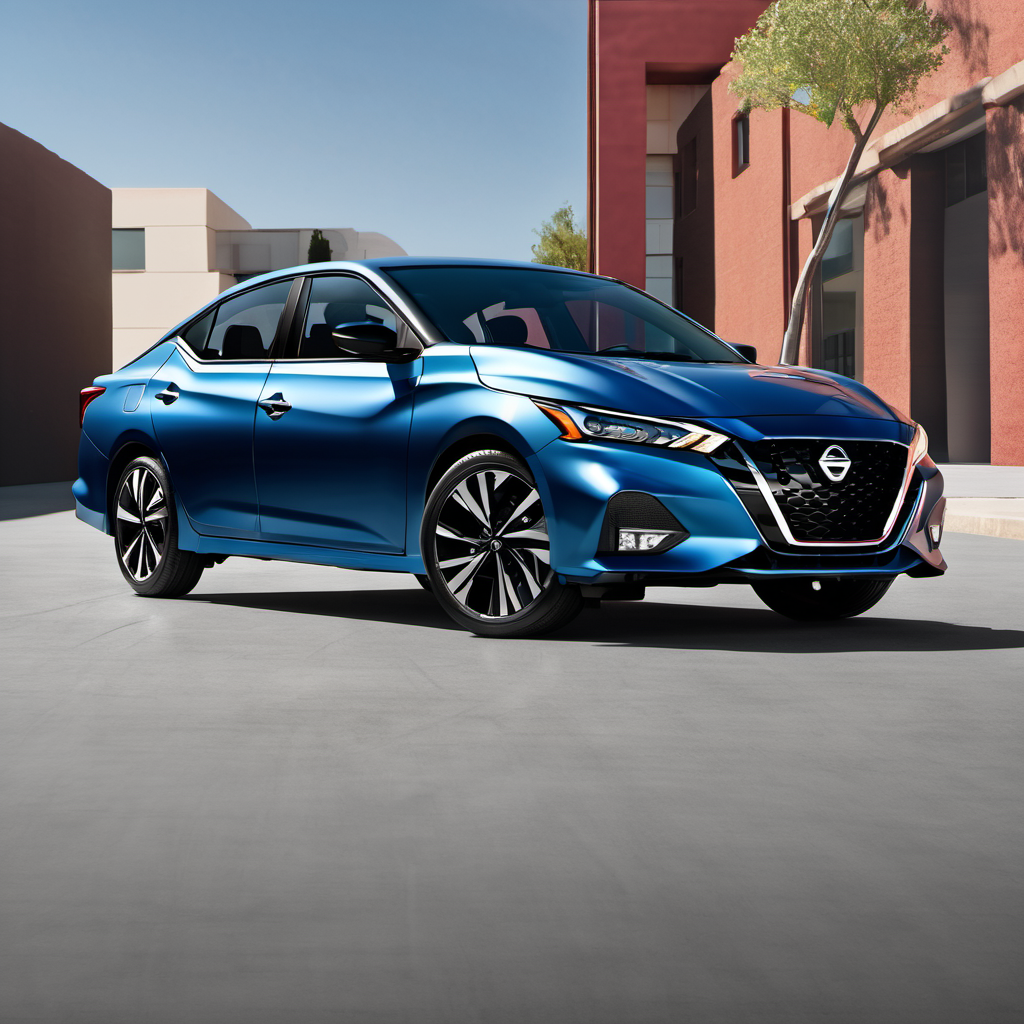
2020 Nissan
Sedan
The 2020 Nissan Sentra is a fully redesigned compact sedan that arrived on a new platform, bringing a noticeably more upscale look, a wider stance, and a longer list of standard safety tech compared to the previous generation. Nissan repositioned it above the old Sentra in terms of interior quality and features, though it still slots firmly in the budget-friendly compact segment. Under the hood sits a 2.0L direct-injected four-cylinder paired exclusively with Nissan's CVT — no manual option. The engine itself is generally dependable; the CVT is the wildcard. Nissan's CVT has a documented history of shuddering, hesitation, and premature failure across multiple Sentra generations, and the 2020 carries that concern forward. Strict fluid-change intervals are non-negotiable if you want this transmission to last. For Lake Geneva-area drivers, the Sentra's FWD and decent ground clearance make it workable in winter, but the CVT can behave sluggishly in extreme cold until fully warmed up. Rust protection is a real concern — Wisconsin road salt will find every seam it can on this car.
The 2020 Nissan Sentra is a fully redesigned compact sedan that arrived on a new platform, bringing a noticeably more upscale look, a wider stance, and a longer list of standard safety tech compared to the previous generation. Nissan repositioned it above the old Sentra in terms of interior quality and features, though it still slots firmly in the budget-friendly compact segment. Under the hood sits a 2.0L direct-injected four-cylinder paired exclusively with Nissan's CVT — no manual option. The engine itself is generally dependable; the CVT is the wildcard. Nissan's CVT has a documented history of shuddering, hesitation, and premature failure across multiple Sentra generations, and the 2020 carries that concern forward. Strict fluid-change intervals are non-negotiable if you want this transmission to last. For Lake Geneva-area drivers, the Sentra's FWD and decent ground clearance make it workable in winter, but the CVT can behave sluggishly in extreme cold until fully warmed up. Rust protection is a real concern — Wisconsin road salt will find every seam it can on this car.
The 2.0L DOHC with direct injection needs clean oil on a tight schedule. Stretched intervals accelerate valve-train wear and carbon buildup on intake valves.
This is the single most important service on this car. Using anything other than NS-3 or skipping this service is the fastest way to an early CVT failure. Do not let this interval slip.
Dirty air filters hurt fuel economy and can cause hesitation — already a complaint on this platform. Easy DIY job.
Keeps HVAC airflow strong and the blower motor from working overtime. Especially important before Wisconsin winters when you're running the heater hard.
Brake fluid absorbs moisture over time, lowering boiling point. Wisconsin's wet winters accelerate this. Fresh fluid maintains consistent brake feel.
The Nissan-specified blue coolant must not be mixed with generic green antifreeze. In sub-zero Wisconsin winters, proper concentration and condition is critical.
CVT cold-start behavior is sluggish in sub-zero temps; a weak battery makes it worse. Wisconsin winters demand freeze-rated washer fluid — plain summer fluid will ice your lines.
Salt-belt rust is a documented issue on this generation. Catching early surface rust before it reaches brake lines or structural metal saves significant money.
Always defer to the manufacturer's service manual for warranty-mandated intervals.
Day-to-day ownership costs on the Sentra are low — oil changes are affordable, fuel economy is solid, and insurance is cheap. The financial risk is entirely in the CVT. A single CVT replacement can cost more than the car's remaining market value at 80k+ miles. Budget for that contingency or extend your drivetrain warranty if still available. Routine annual maintenance at an independent shop should run $450–$900 in years without major services; CVT fluid change years push that toward the higher end.
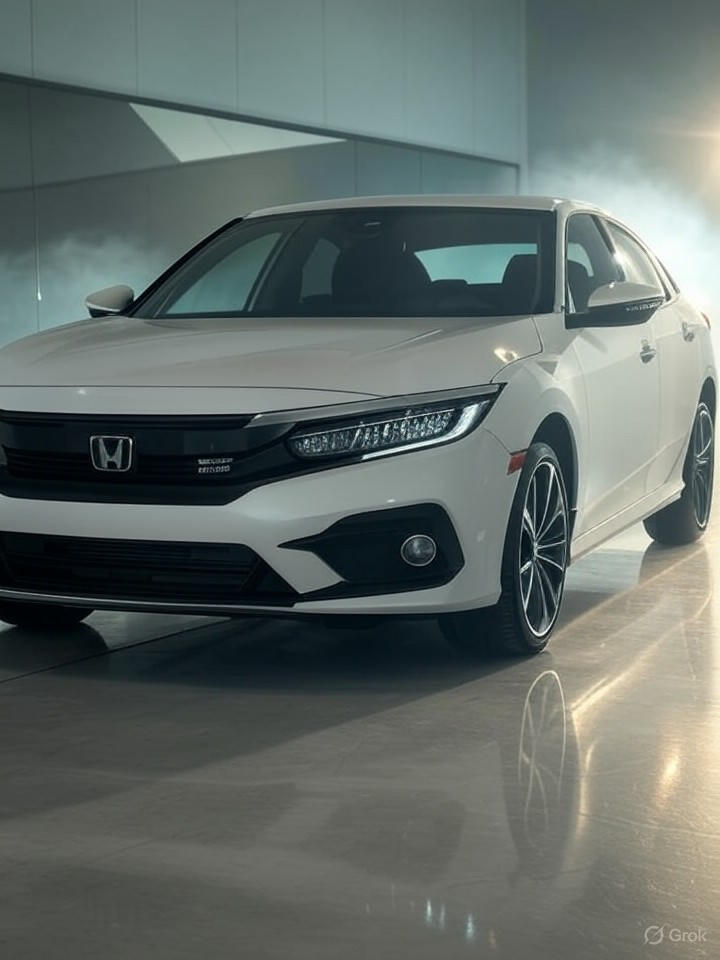
The Civic is the benchmark compact sedan in this price range. More engaging to drive, more proven reliability track record, and no CVT-specific concerns. Slightly higher base price but stronger resale value.
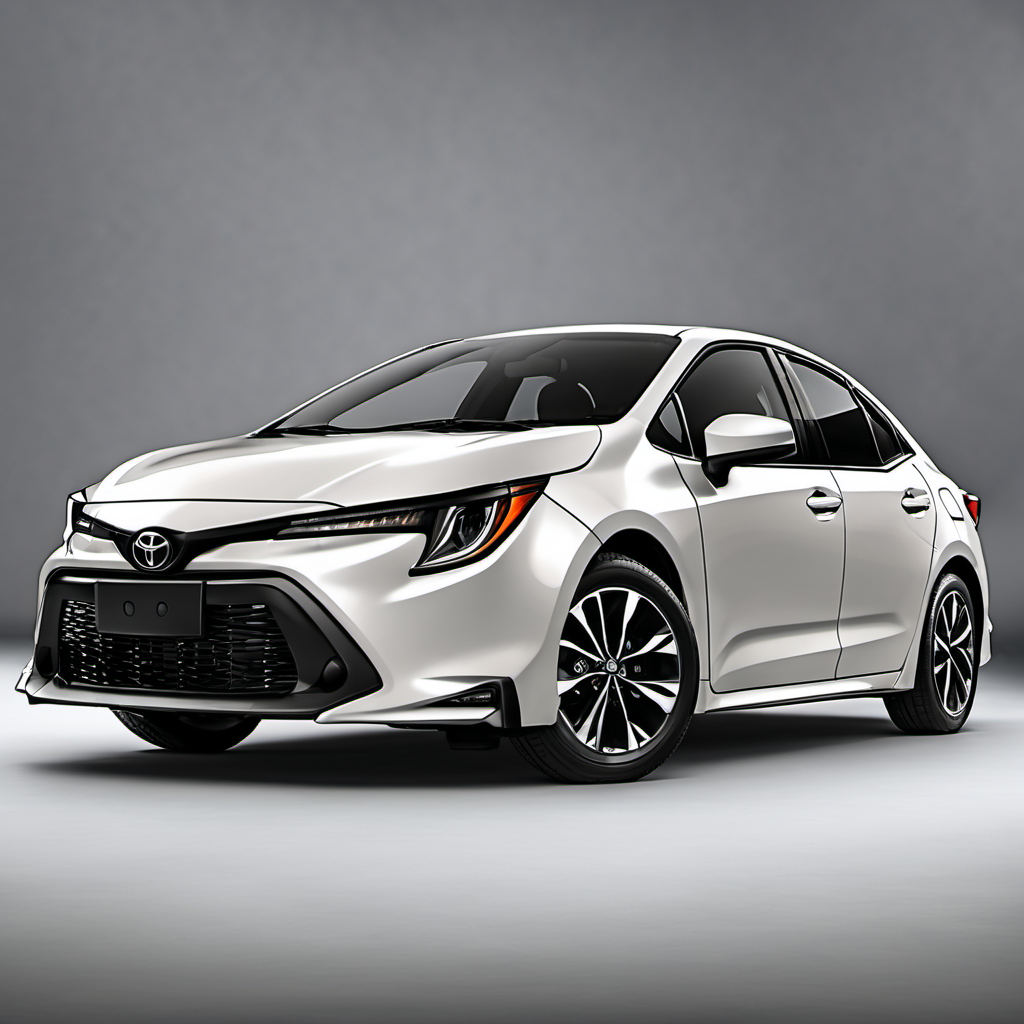
Direct competitor with Toyota's reliability reputation. The Corolla hybrid variant offers significantly better fuel economy. CVT on the Corolla has a cleaner long-term record than Nissan's.
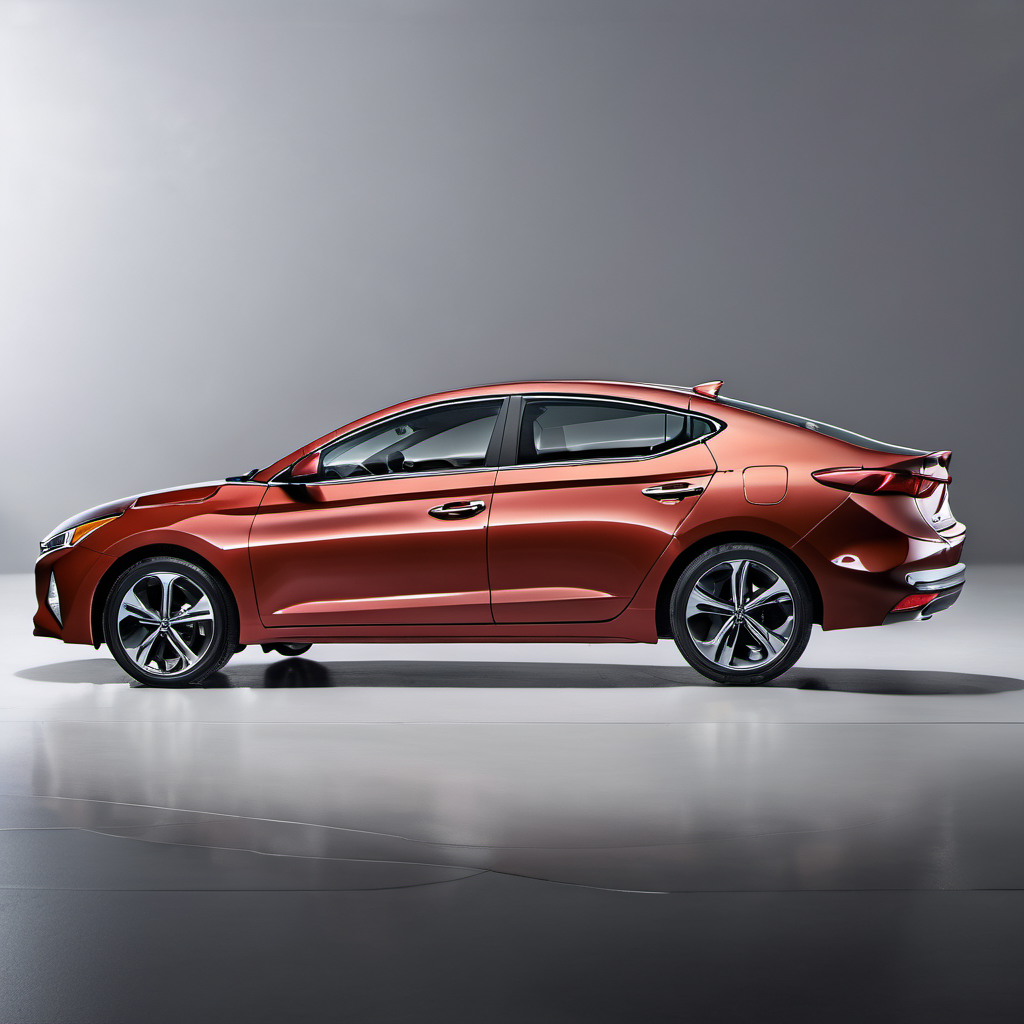
Similar price and feature set. Hyundai's 6-speed automatic on base trims avoids CVT concerns entirely. Strong warranty (10yr/100k powertrain) offers peace of mind in the same budget.
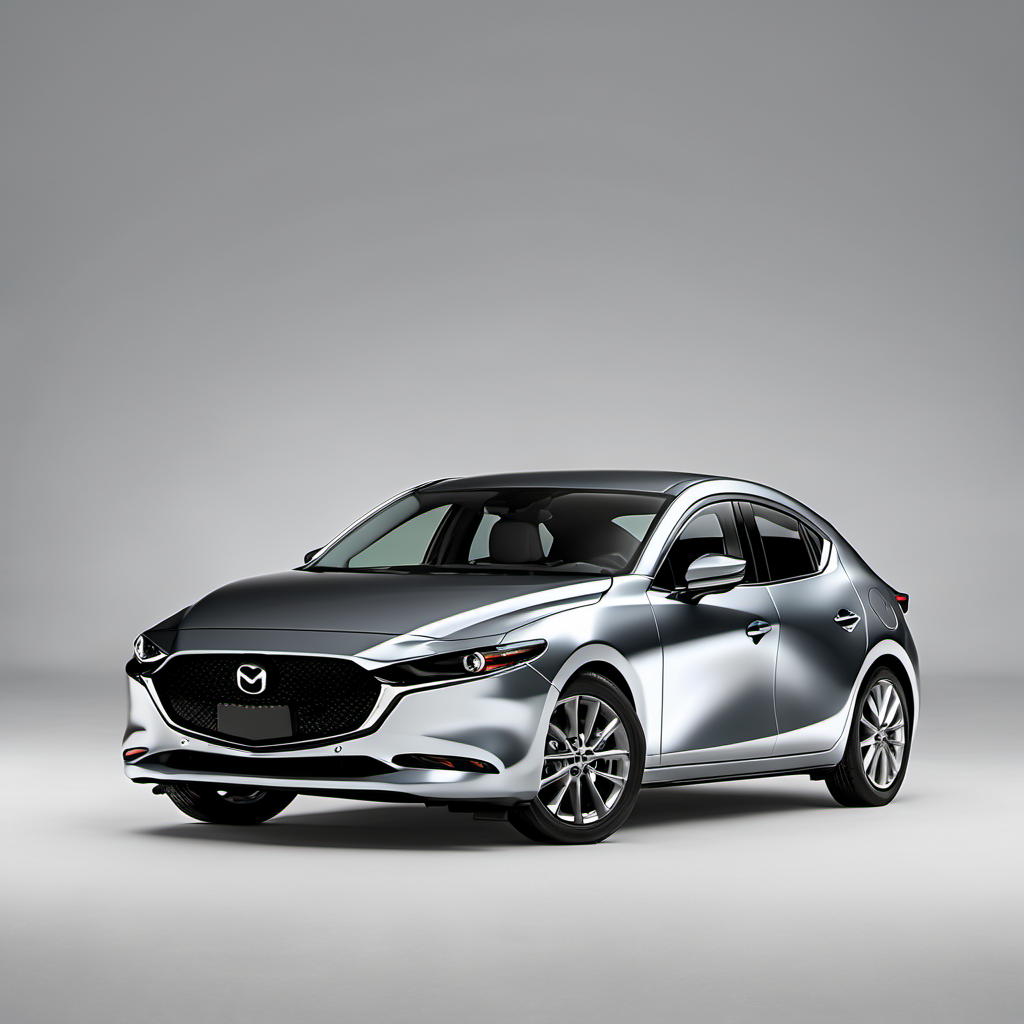
A step up in interior quality and driving feel at a modest price premium. More upscale feel than the Sentra with a conventional automatic that has a better long-term reliability story.