CVT Transmission Shudder / Hesitation
medium- Typically appears
- 40–70k mi
- Estimated repair
- $200 – $3,500
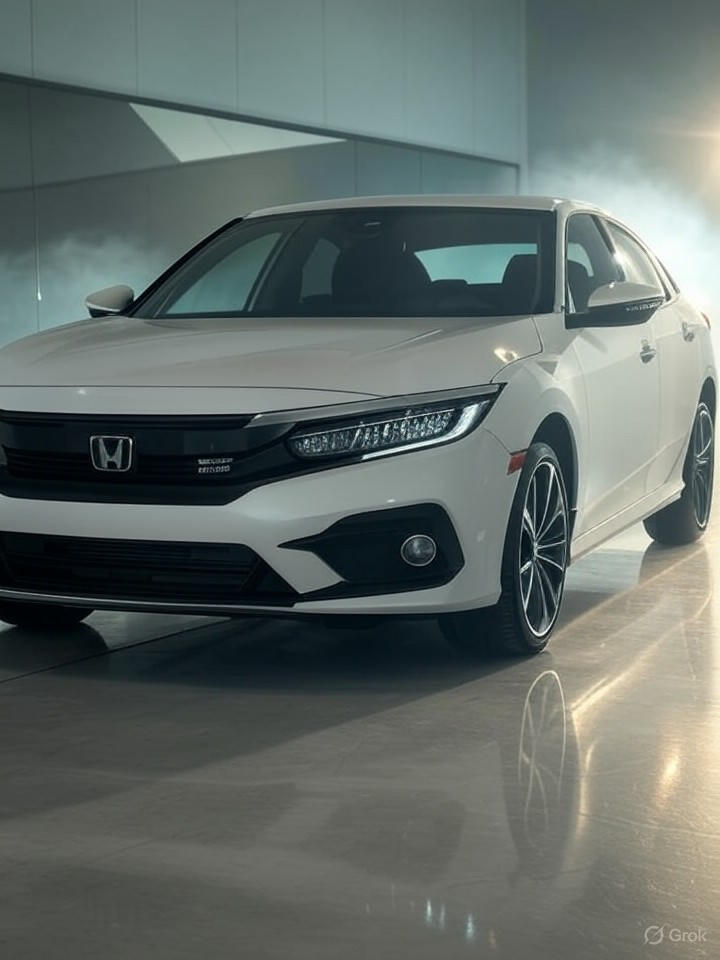
2020 Honda
Hatchback
The 2020 Honda Civic Hatchback is the practical, sporty sibling of the standard Civic sedan. It pairs a 1.5L turbocharged four-cylinder with a hatchback body that delivers more cargo flexibility without sacrificing the Civic's signature fuel efficiency and nimble handling. Honda Sensing — the suite that includes adaptive cruise control, lane-keeping assist, and automatic emergency braking — is standard across all trims, which is a genuine value at this price point. This generation (10th-gen, 2016–2021) is widely regarded as a high point for the Civic nameplate. Build quality is solid, the interior is well-above-average for a compact, and ownership costs are low when routine maintenance is kept up. The 1.5T engine is the same unit found in the CR-V and Accord and has a long enough track record to call reliable. The two watch-outs for this model year are the CVT transmission and the infotainment system. CVT shudder/hesitation is a documented issue in the 50,000-mile range, and the 7-inch touchscreen has a reputation for slow response and random reboots. Neither issue is guaranteed, but both are worth knowing before you buy or own.
The 2020 Honda Civic Hatchback is the practical, sporty sibling of the standard Civic sedan. It pairs a 1.5L turbocharged four-cylinder with a hatchback body that delivers more cargo flexibility without sacrificing the Civic's signature fuel efficiency and nimble handling. Honda Sensing — the suite that includes adaptive cruise control, lane-keeping assist, and automatic emergency braking — is standard across all trims, which is a genuine value at this price point. This generation (10th-gen, 2016–2021) is widely regarded as a high point for the Civic nameplate. Build quality is solid, the interior is well-above-average for a compact, and ownership costs are low when routine maintenance is kept up. The 1.5T engine is the same unit found in the CR-V and Accord and has a long enough track record to call reliable. The two watch-outs for this model year are the CVT transmission and the infotainment system. CVT shudder/hesitation is a documented issue in the 50,000-mile range, and the 7-inch touchscreen has a reputation for slow response and random reboots. Neither issue is guaranteed, but both are worth knowing before you buy or own.
The 1.5T runs tight tolerances; thin, clean oil is critical for the VTC system and turbo bearing longevity. Don't stretch intervals just because the Maintenance Minder hasn't triggered yet.
FWD cars wear front tires faster. Rotating on schedule keeps tread even and avoids premature replacement, especially important for winter traction in Wisconsin.
This is the single best thing you can do to reduce CVT shudder risk. CVT fluid degrades with heat cycles; fresh fluid at 30k keeps clutch pack material from building up. Use only Honda HCF-2 — aftermarket fluid has caused failures.
Brake fluid is hygroscopic — it absorbs moisture over time, which lowers boiling point and accelerates internal corrosion. Wisconsin salt and temperature swings accelerate this.
The turbo draws air through this filter under boost. A clogged filter stresses the turbo and can slightly increase oil consumption.
Wisconsin roads kick up a lot of road salt, sand, and debris. A clogged cabin filter reduces heater/defroster airflow — a real problem in winter.
Use Honda's specific blue coolant formula only. Mixing OAT/HOAT coolants can cause gel formation and water pump damage. The 1.5T runs warm under load.
This model has documented parasitic draw issues, and cold temperatures cut battery capacity significantly. A battery that barely passes in October will fail in January at -10°F. Catch it before you're stranded.
Always defer to the manufacturer's service manual for warranty-mandated intervals.
The Civic Hatchback is one of the cheaper cars to own in its segment. Routine maintenance costs are low, parts are plentiful, and labor time is short. The only scenario where costs spike is a CVT replacement — that's a $2,500–$4,000 job at an independent shop. Staying current on CVT fluid changes is cheap insurance against that outcome. Fuel costs are the biggest ongoing expense and are partially offset by the strong highway MPG.
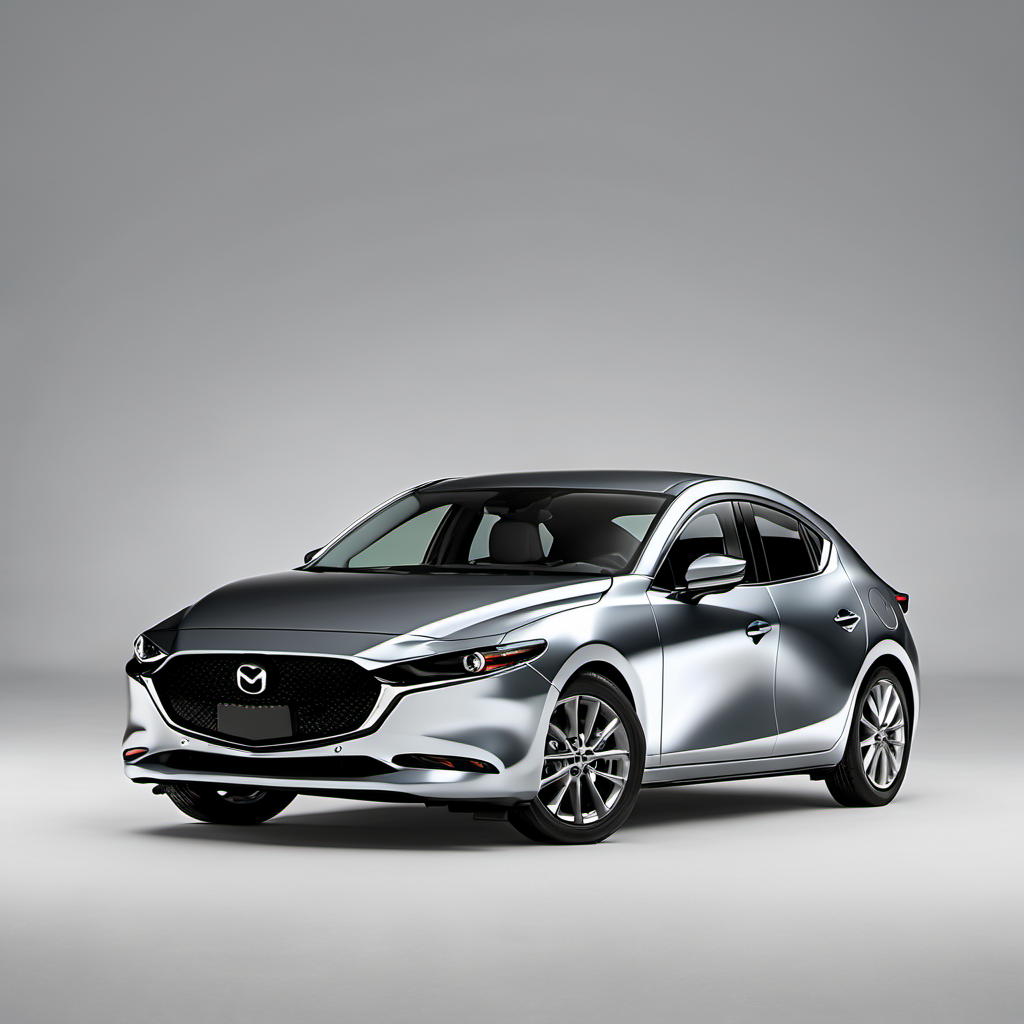
Same compact FWD hatchback segment, similar price, excellent reliability record. The Mazda3 has a more refined interior feel and a smoother traditional automatic, though it's slightly less fuel-efficient.

Direct competitor with a traditional 6-speed iMT or CVT option. Toyota's 2.0L naturally aspirated engine is arguably simpler and more proven than the Civic's 1.5T, though it produces less torque.
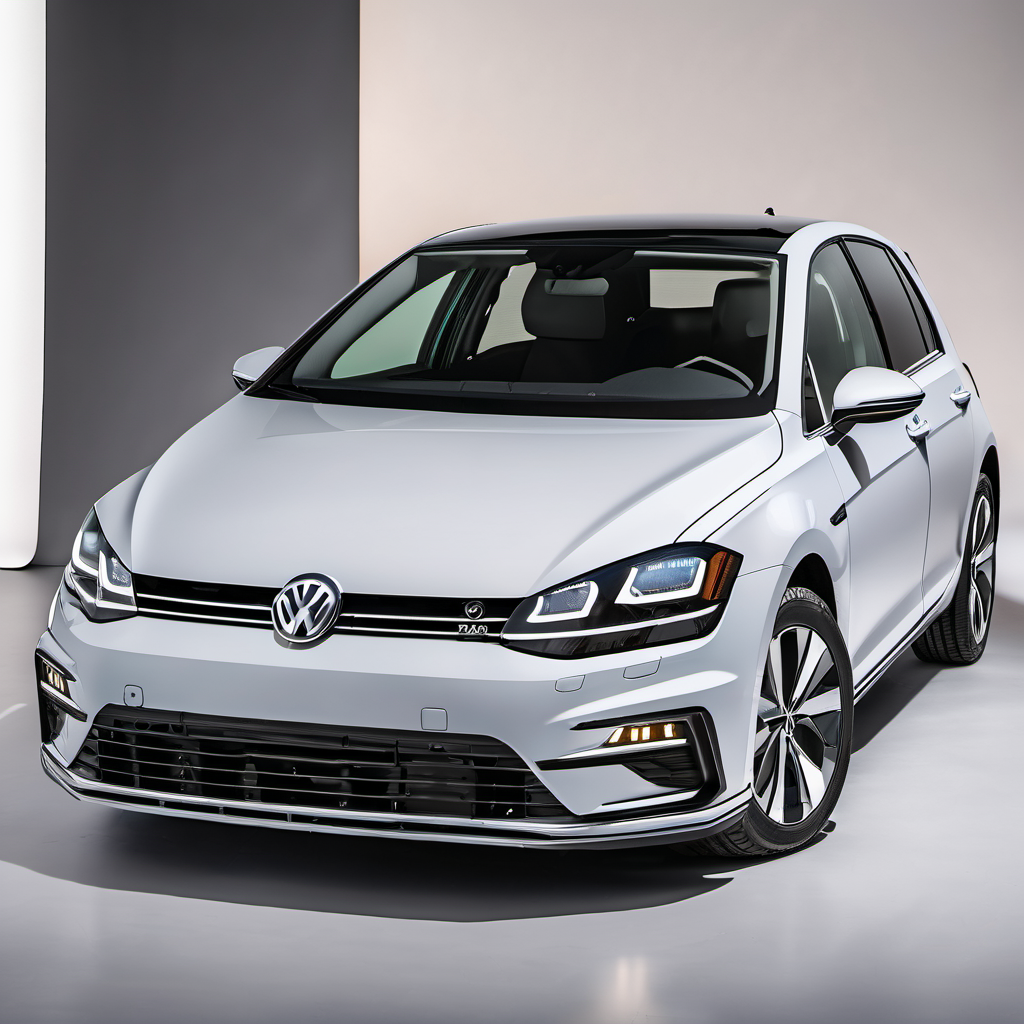
Premium-feeling hatchback with a turbocharged engine in the same displacement class. Better highway feel and more refined, but higher long-term maintenance costs and pricier parts.
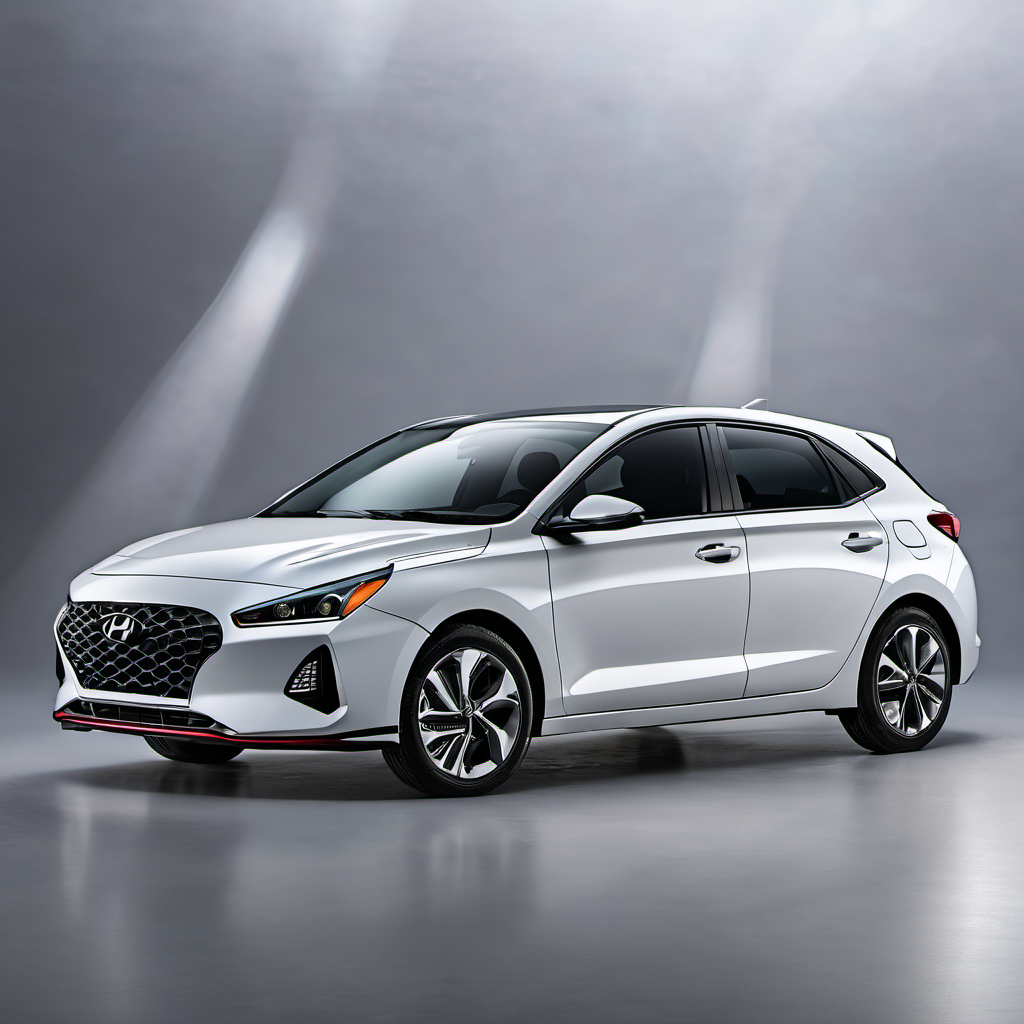
Budget-friendly hatchback alternative with a longer warranty and more standard features per dollar. Less engaging to drive than the Civic but solid value and low ownership costs.