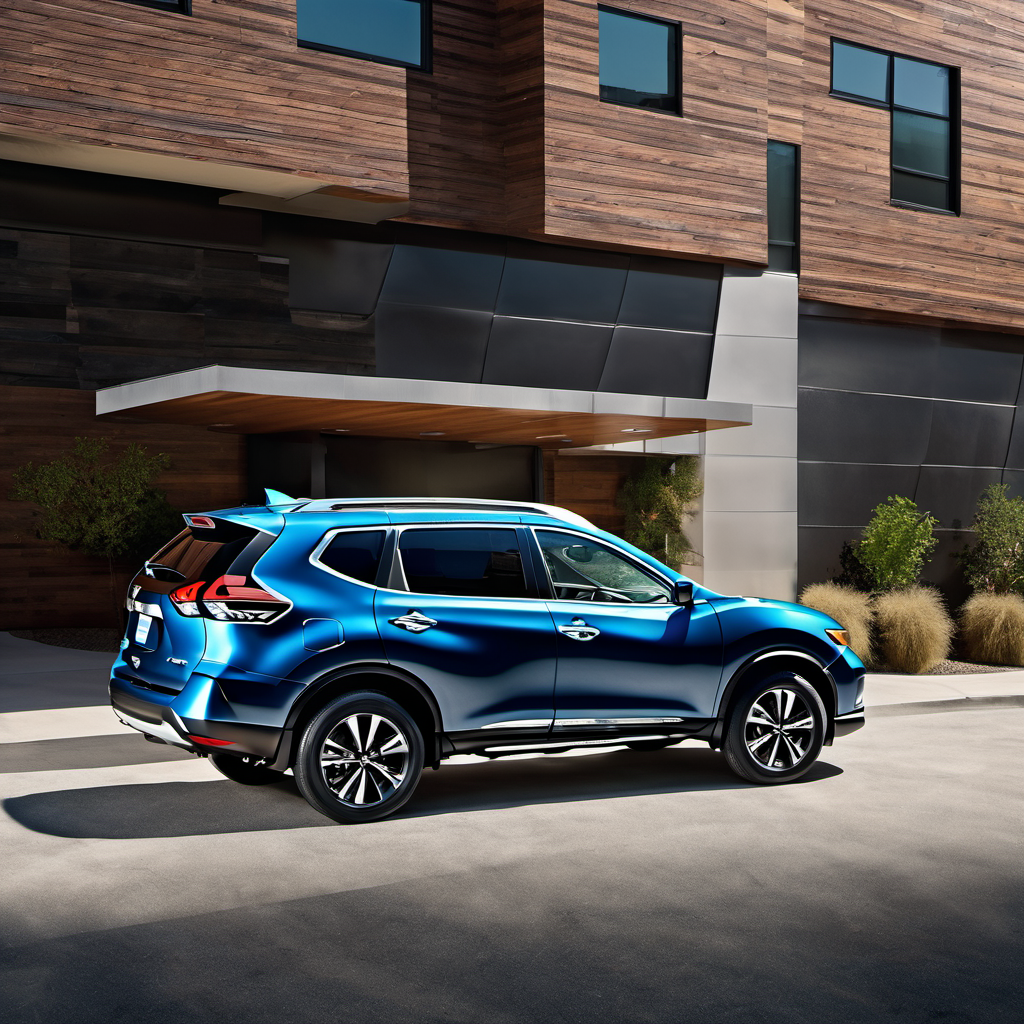
2020 Nissan Rogue SUV
Popular pick

2020 Nissan

RogueSUV

2.5L I4 DOHC · SUV

The 2020 Nissan Rogue is a compact crossover SUV that sits at the heart of one of America's best-selling vehicle segments. Powered by a 2.5L four-cylinder paired with Nissan's CVT, it delivers a comfortable, fuel-efficient ride aimed squarely at families and commuters. For the 2020 model year, Nissan carried over the second-generation (2014–2020) platform with minor trim updates before the fully redesigned third-gen arrived in 2021. The Rogue earns points for its roomy interior, good cargo flexibility, solid standard safety tech, and competitive fuel economy. The AWD option makes it a reasonable choice for Wisconsin winters — though it's no off-roader. Ride quality is smooth and the cabin is quiet, which makes it pleasant for longer highway miles. The elephant in the room is the CVT. Nissan's continuously variable transmission has a documented history of shudder, hesitation, and premature failure across this generation, and it is the single biggest ownership risk on this vehicle. Buyers who stay on top of CVT fluid changes and catch warning signs early have a better experience; those who ignore it often face a $3,000–$4,500 repair bill. Go in with eyes open.

Reliability
3/5
Verified data
Specs shown for Rogue FWD — the most common configuration. Other trims may vary in engine, drivetrain, or fuel economy. Sign in to see your vehicle's exact specs.
Engine
[object Object]
Drivetrain
Front-Wheel Drive (FWD) or All-Wheel Drive (AWD)
Fuel
Gasoline
MPG
26 city / 33 highway / 29 combined
Seats
5
Doors
4
Body
SUV
MSRP
$25,300

Overview

AI-curated

The 2020 Nissan Rogue is a compact crossover SUV that sits at the heart of one of America's best-selling vehicle segments. Powered by a 2.5L four-cylinder paired with Nissan's CVT, it delivers a comfortable, fuel-efficient ride aimed squarely at families and commuters. For the 2020 model year, Nissan carried over the second-generation (2014–2020) platform with minor trim updates before the fully redesigned third-gen arrived in 2021. The Rogue earns points for its roomy interior, good cargo flexibility, solid standard safety tech, and competitive fuel economy. The AWD option makes it a reasonable choice for Wisconsin winters — though it's no off-roader. Ride quality is smooth and the cabin is quiet, which makes it pleasant for longer highway miles. The elephant in the room is the CVT. Nissan's continuously variable transmission has a documented history of shudder, hesitation, and premature failure across this generation, and it is the single biggest ownership risk on this vehicle. Buyers who stay on top of CVT fluid changes and catch warning signs early have a better experience; those who ignore it often face a $3,000–$4,500 repair bill. Go in with eyes open.

Known for
  • Smooth, quiet ride for a compact crossover
  • Generous cargo space and flexible rear seating
  • Good standard safety and driver-assist features
  • Competitive fuel economy (29 mpg combined)
  • CVT transmission reliability concerns across this generation
Best for
  • Daily commuters and families wanting comfort over performance
  • Buyers who prioritize fuel economy in a crossover
  • Wisconsin winter driving with AWD equipped trim
  • Shoppers wanting modern safety tech at a moderate price
Watch for
  • CVT shudder, hesitation, or slipping — repair costs are high
  • Infotainment system freezing or rebooting unexpectedly
  • Sunroof drain clogs leading to interior water leaks
  • Undercarriage rust if the vehicle has spent time in salt-belt states
  • Oil consumption — check the dipstick between changes

Common issues by mileage

6 known

CVT Transmission Shudder / Failure

high
Typically appears
70–110k mi
Estimated repair
$2,500 – $4,500

CVT Pressure Control Solenoid (P0746)

medium
Typically appears
75–95k mi
Estimated repair
$800 – $3,200

Infotainment System Freeze / Reboot

medium
Typically appears
40–60k mi
Estimated repair
$250 – $600

CAN Communication Loss (Modules)

medium
Typically appears
35–55k mi
Estimated repair
$200 – $500

Sunroof Drain Clog / Interior Water Leak

low
Typically appears
25–50k mi
Estimated repair
$200 – $900

Undercarriage / Frame Rust (Salt Belt)

medium
Typically appears
50–120k mi
Estimated repair
$300 – $1,500

Maintenance schedule

  1. 1
    Every 5,000 miles or 6 months Engine oil and filter change — 0W-20 full synthetic, 4.5 qts with filter

    Nissan's QR25DE family responds well to clean oil. Given owner reports of oil consumption on this engine, check the dipstick at every fuel stop until you know how this particular vehicle uses oil.

  2. 2
    Every 7,500 miles Tire rotation

    FWD models wear front tires significantly faster. AWD models can scrub tires unevenly if rotation is skipped, which can also stress the AWD coupling.

  3. 3
    Every 60,000 miles — or sooner if shudder is noticed CVT fluid drain and refill using Nissan NS-3 fluid only

    This is the single most important service on this vehicle. NS-3 fluid is specific to this CVT — do not substitute. Proactive fluid changes are the best-known way to extend CVT life. If shudder begins before 60k, change the fluid immediately.

  4. 4
    Every 15,000 miles or 18 months Cabin air filter replacement

    Wisconsin roads stir up road salt dust and grit year-round. A clogged cabin filter reduces HVAC output — critical when you need defrost working full-strength in January.

  5. 5
    Every 30,000 miles or 36 months Engine air filter inspection and replacement

    Dirty air filter hurts fuel economy and can affect VTC solenoid performance on this engine.

  6. 6
    Every 2 years or 24,000 miles Brake fluid flush — DOT 3

    DOT 3 absorbs moisture over time. In a Wisconsin winter context, degraded brake fluid can cause spongy pedal feel and corrosion in brake lines.

  7. 7
    Every spring (post-salt season) Undercarriage wash and inspection for rust

    Lake Geneva roads are heavily salted December through March. Inspect brake lines, subframe, and rear suspension mounts for rust bubbling — these Rogues are not heavily rustproofed from the factory.

  8. 8
    Annually or if sunroof is equipped Sunroof drain tube inspection and flush

    Clogged sunroof drains are a reported issue on this generation. A blocked drain sends water into the headliner and can soak the carpet — mold and electrical damage follow. A quick flush with compressed air or water each fall prevents a costly interior repair.

Always defer to the manufacturer's service manual for warranty-mandated intervals.

Cost of ownership

Annual maintenance
$550 – $1,100
Fuel
At 29 mpg combined and roughly 15,000 miles/year, expect around $1,800–$2,100/year at current upper Midwest gas prices. AWD trims run slightly lower mpg and will cost a bit more.
Insurance
Typically $1,100–$1,500/year for a 2020 Rogue in Wisconsin for a driver with a clean record — the Rogue's popularity keeps parts costs reasonable, which helps insurance rates.

Day-to-day ownership costs are moderate and predictable — routine services are inexpensive and the 2.5L engine doesn't demand much. The big wildcard is the CVT. If it fails outside warranty, you're looking at $2,500–$4,500 in one shot. Budget for proactive CVT fluid changes and consider an extended powertrain warranty if purchasing used. Fuel costs are reasonable for the class given the 29 mpg combined rating.

Seasonal care

Lake Geneva, WI
Winter
  • Switch to dedicated winter tires if you're on all-seasons — AWD helps you go, but it doesn't help you stop on ice. Winter tires make a real difference in Lake Geneva conditions.
  • Test the battery before November. Cold-weather starts tax the battery hard, and a marginal battery that makes it through summer will often fail at -10°F.
  • Use a winter-grade washer fluid rated to at least -20°F. The standard reservoir and lines are exposed enough that a freeze can crack the pump.
  • Keep the fuel tank at least half full in deep cold — helps prevent fuel line moisture and gives you reserve if you get stuck.
  • After every significant snow event, flush the undercarriage with fresh water when temps allow — salt accumulation accelerates rust on the subframe and brake hardware.
  • Check tire pressure weekly in extreme cold — for every 10°F drop, tires lose about 1 PSI. Underinflated tires hurt winter handling and fuel economy.
Summer
  • Check tire pressure after any prolonged heat wave — hot pavement causes pressure to rise; overinflated tires reduce grip and wear unevenly.
  • Inspect A/C performance early in the season. The Rogue's compressor sees heavy duty in humid Wisconsin summers; a weak A/C system that barely copes in June will fail in July.
  • After spring thaw, inspect brake rotors and pads for surface rust pitting from sitting during wet, salty months — light rust is normal, but deep pitting means early rotor replacement.
  • Clean and inspect the sunroof drains each spring to clear any debris that accumulated over winter before summer rains arrive.
  • Check coolant level and condition — the Nissan Long Life coolant should be blue and clear, not rusty or milky. A 7.5-qt system holds more than most compacts; a slow leak is easy to miss until it's serious.

Comparable vehicles

If you're shopping for one

Red flags
  • Any CVT shudder, hunting, or delayed engagement — walk away unless priced to account for a transmission replacement.
  • Check engine light present or recently cleared (check freeze frame data for transmission codes).
  • Musty or mildew smell inside the cabin — likely sunroof drain overflow damage that may involve mold remediation.
  • No record of CVT fluid change by 60,000 miles — assume it needs one immediately and factor the cost in.
  • Rust on the rear subframe or brake lines — a common issue in salt-belt vehicles and expensive to repair properly.
What to inspect
  • Drive the CVT through a full warm-up cycle — shudder or hesitation between 25–45 mph under light throttle is the classic CVT degradation symptom. Don't buy without this test.
  • Pull the CVT dipstick (if accessible) or check the fluid condition via drain plug — dark brown or burnt-smelling NS-3 fluid means the transmission has been neglected.
  • Check the engine oil level and color on a cold engine — low level or dark, gritty oil on a relatively low-mileage vehicle suggests chronic oil consumption or infrequent changes.
  • If sunroof-equipped, inspect the headliner around the sunroof frame and the carpet at the rear floor for moisture staining or mildew smell.
  • Scan for stored and pending DTCs before purchase — pay special attention to any P07xx transmission codes.
  • Inspect the undercarriage, especially the rear subframe, brake lines, and control arm mounts, for rust — especially on any vehicle from the upper Midwest or Northeast.
AI profile generated 20 days ago · claude-sonnet-4-6 · v2.