Oil Dilution (Fuel in Engine Oil)
medium- Typically appears
- 15–50k mi
- Estimated repair
- $500 – $2,500

2020 Honda
SUV
The 2020 Honda CR-V is one of the best-selling compact SUVs in America, and for good reason — it blends a practical, roomy interior with a fuel-efficient turbocharged engine and Honda's long track record of reliability. The fifth-generation CR-V (2017–2022) brought a more refined ride, a notable cargo and passenger space upgrade, and standard Honda Sensing safety tech across most trims. Under the hood sits Honda's 1.5L turbocharged inline-4, making 190 hp and returning a solid 30 mpg combined. The base FWD configuration is smooth and responsive for everyday driving, and the available AWD system (Real-Time AWD with Intelligent Control) adds winter confidence without wrecking fuel economy. It's a genuinely well-rounded daily driver. That said, the 2017–2020 generation carries some known baggage: oil dilution in cold climates is the most serious concern, and it's particularly relevant here in Wisconsin. Short-trip, cold-weather driving can allow unburned fuel to contaminate the engine oil. It's not universal, but it's common enough that you need to know about it before buying.
The 2020 Honda CR-V is one of the best-selling compact SUVs in America, and for good reason — it blends a practical, roomy interior with a fuel-efficient turbocharged engine and Honda's long track record of reliability. The fifth-generation CR-V (2017–2022) brought a more refined ride, a notable cargo and passenger space upgrade, and standard Honda Sensing safety tech across most trims. Under the hood sits Honda's 1.5L turbocharged inline-4, making 190 hp and returning a solid 30 mpg combined. The base FWD configuration is smooth and responsive for everyday driving, and the available AWD system (Real-Time AWD with Intelligent Control) adds winter confidence without wrecking fuel economy. It's a genuinely well-rounded daily driver. That said, the 2017–2020 generation carries some known baggage: oil dilution in cold climates is the most serious concern, and it's particularly relevant here in Wisconsin. Short-trip, cold-weather driving can allow unburned fuel to contaminate the engine oil. It's not universal, but it's common enough that you need to know about it before buying.
Honda specifies 0W-20 full synthetic. The oil dilution issue on this engine makes sticking to the shorter end of the interval critical in cold climates. Check the dipstick monthly in winter — if the level is rising or smells like gas, change it immediately and bring it in.
FWD models wear front tires faster. Even wear extends tire life significantly and keeps handling predictable on snowy Wisconsin roads.
Honda's official schedule calls for 90k, but given the CVT's importance and the cost of replacement, an earlier inspection for color and smell is cheap insurance. Use only Honda DW-1 fluid.
A clogged air filter on a turbocharged engine stresses the turbo and can contribute to lean codes. Wisconsin gravel roads can clog filters faster than the mileage suggests.
Helps keep defrost airflow strong — critical for visibility in Wisconsin winters. Road salt dust and leaf debris clog these faster in the Midwest than the factory interval assumes.
DOT 3 fluid absorbs moisture over time, lowering its boiling point and accelerating internal caliper/master cylinder corrosion. Wisconsin road salt speeds up brake component wear.
This generation has documented parasitic drain issues, and cold temperatures expose a weak battery quickly. A load test in October can prevent a no-start in January.
Do not mix coolant types — using generic green coolant in this system causes accelerated corrosion. Freeze protection should be verified to at least -34°F before Wisconsin winter.
Always defer to the manufacturer's service manual for warranty-mandated intervals.
The CR-V is one of the more affordable compact SUVs to own year-to-year. Routine maintenance is straightforward and parts are widely available. The main financial risk is the oil dilution issue — if it's caught late or ignored, you're looking at a potential engine repair that can run $3,000–$5,000+. Stay on top of oil checks and you largely eliminate that risk. CVT repair or replacement, if it ever becomes necessary, is the other big-ticket exposure ($3,000–$5,000), but that's typically not a concern until well past 150k miles with proper fluid maintenance.
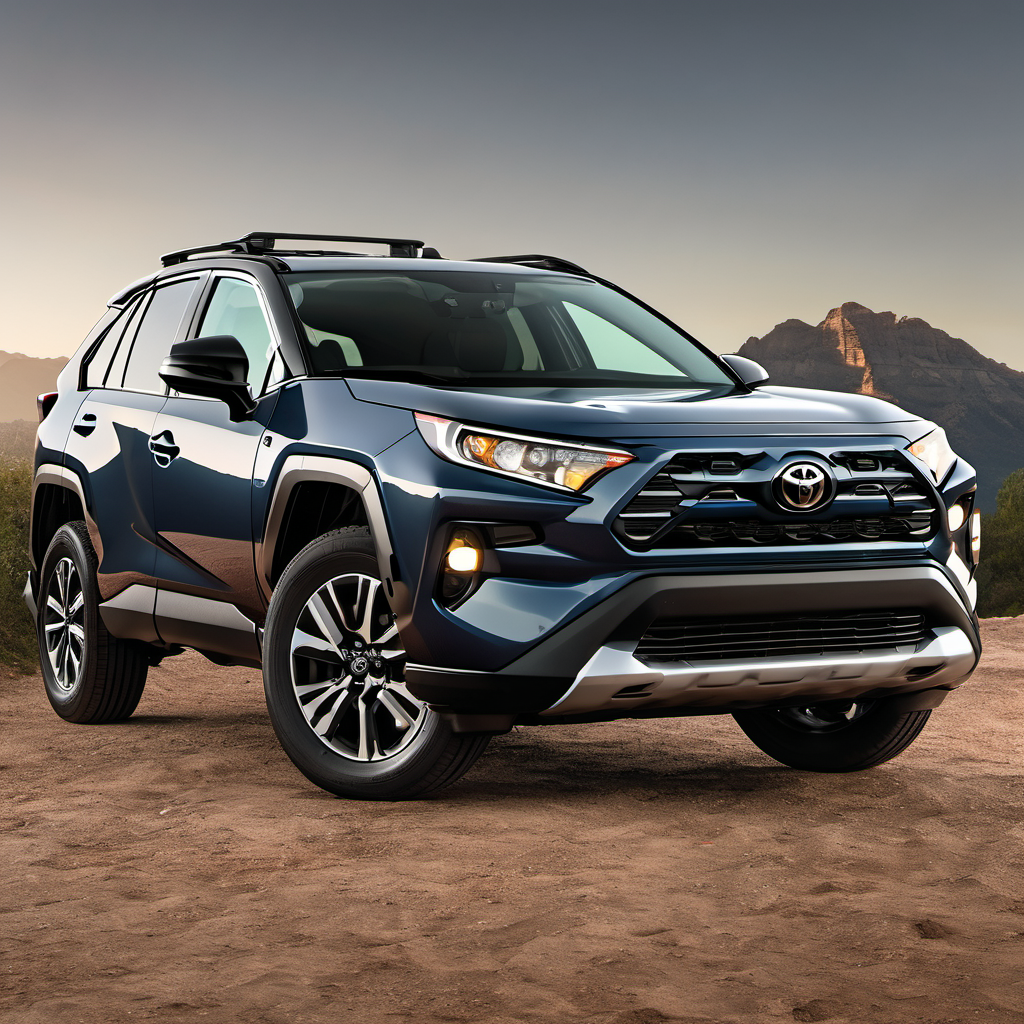
The RAV4 is the CR-V's closest rival in size, price, and mission. The 2020 RAV4's 2.5L naturally aspirated engine avoids the oil dilution concern entirely, and Toyota's reliability in this segment is arguably a half-step ahead. Trade-off: slightly worse fuel economy and a firmer ride.

The CX-5 matches the CR-V on reliability and beats it on driving dynamics and interior quality. The 2.5L engine is well-proven. Slightly less cargo space, but a strong alternative for buyers who care about the driving experience.
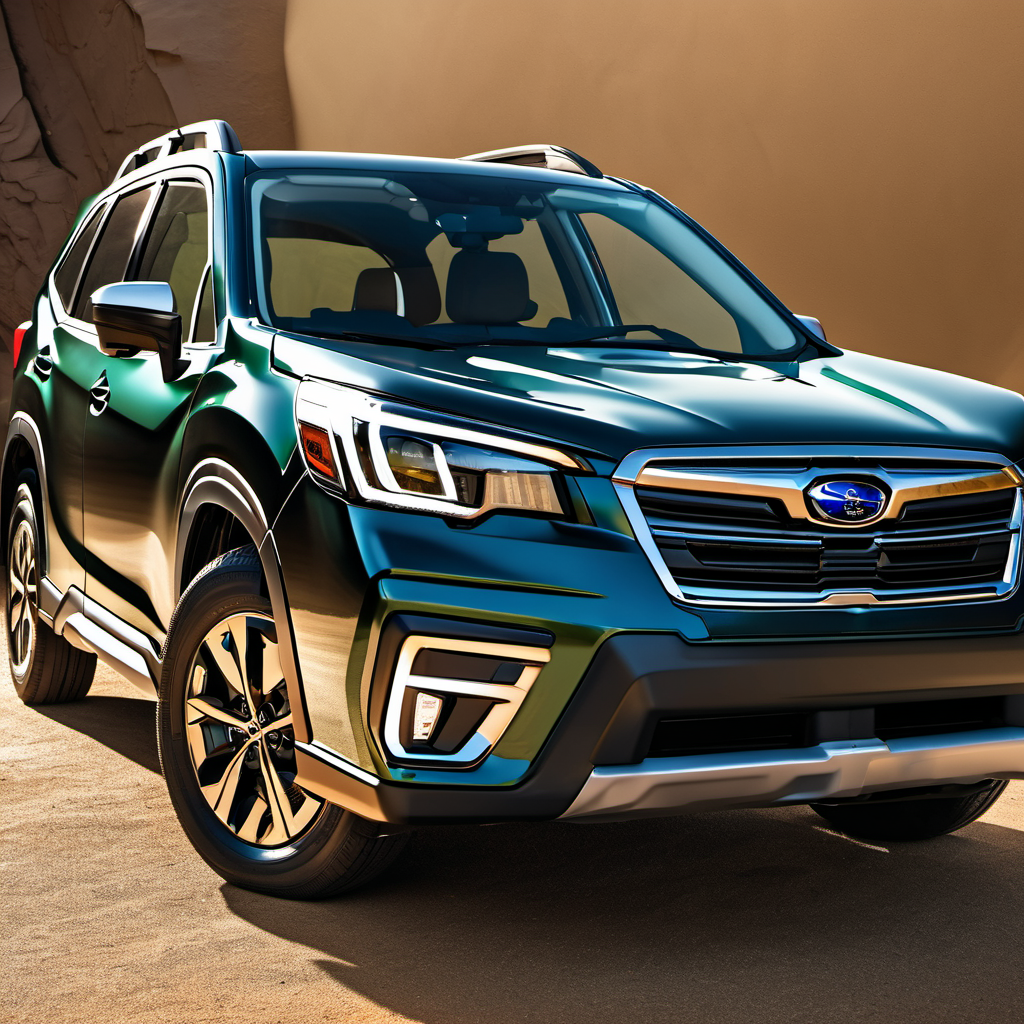
Standard AWD on every Forester trim is a genuine advantage for Wisconsin winters. The 2.5L naturally aspirated boxer avoids turbo-related oil concerns. Slightly boxier styling, but excellent visibility and proven all-weather capability.

A step down in interior space but competitive on price and feature content. The 2.0L naturally aspirated base engine is less exciting but very simple. The optional 1.6T is comparable to the CR-V's setup. Longer powertrain warranty is a plus for used buyers.