Oil consumption — engine burns oil between changes
medium- Typically appears
- 60k–120k mi
- Estimated repair
- $0 – $200
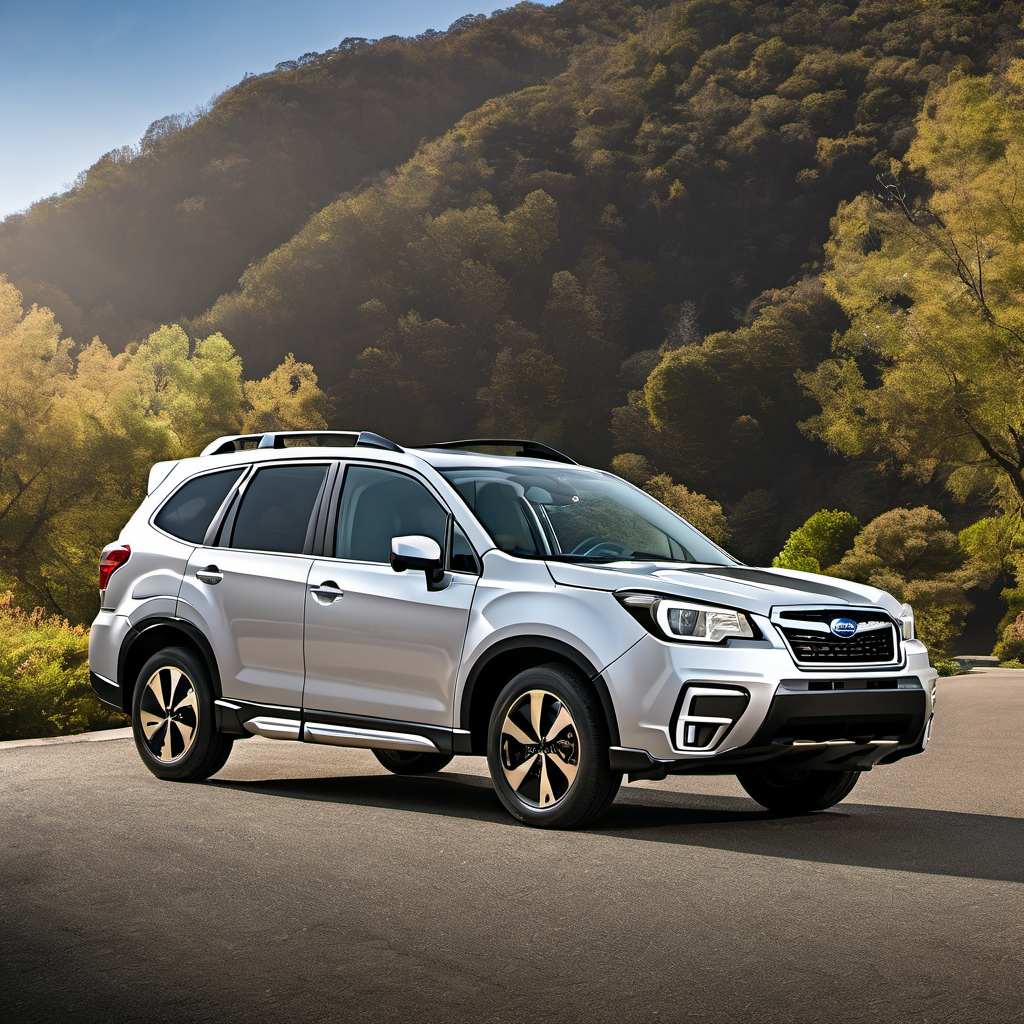
2018 Subaru
SUV
The 2018 Subaru Forester is the fourth-generation version of Subaru's compact SUV, built on the same platform since 2013 and refined through this final model year before a complete redesign arrived for 2019. It pairs Subaru's standard Symmetrical All-Wheel Drive with a 2.5L naturally aspirated boxer four-cylinder, making it a genuinely capable all-weather vehicle without the complexity of a turbocharged powertrain. Cargo space and headroom are class-leading for the segment, and visibility out of the large greenhouse is excellent. The 2018 model year benefits from several years of production refinement. It carries over the CVT transmission that has been in use since 2014, EyeSight driver-assist technology on upper trims, and a reputation for handling Wisconsin winters with minimal drama. The ride is comfortable, if not sporty, and interior quality is functional rather than premium. Owners generally report high satisfaction, particularly for reliability and all-weather confidence. The main long-term concerns are oil consumption on higher-mileage examples, CVT longevity if not properly serviced, and head gasket vigilance — a legacy concern in Subaru's 2.5L lineup that, while largely addressed in this generation, still warrants monitoring.
The 2018 Subaru Forester is the fourth-generation version of Subaru's compact SUV, built on the same platform since 2013 and refined through this final model year before a complete redesign arrived for 2019. It pairs Subaru's standard Symmetrical All-Wheel Drive with a 2.5L naturally aspirated boxer four-cylinder, making it a genuinely capable all-weather vehicle without the complexity of a turbocharged powertrain. Cargo space and headroom are class-leading for the segment, and visibility out of the large greenhouse is excellent. The 2018 model year benefits from several years of production refinement. It carries over the CVT transmission that has been in use since 2014, EyeSight driver-assist technology on upper trims, and a reputation for handling Wisconsin winters with minimal drama. The ride is comfortable, if not sporty, and interior quality is functional rather than premium. Owners generally report high satisfaction, particularly for reliability and all-weather confidence. The main long-term concerns are oil consumption on higher-mileage examples, CVT longevity if not properly serviced, and head gasket vigilance — a legacy concern in Subaru's 2.5L lineup that, while largely addressed in this generation, still warrants monitoring.
The boxer engine's horizontal cylinder orientation makes it sensitive to oil breakdown. Synthetic 0W-20 flows quickly on cold Wisconsin starts and reduces the oil consumption tendency. Don't stretch to Subaru's 7,500-mile interval on a used vehicle.
Subaru lists CVT fluid as 'lifetime' but independent shops and owners consistently see shudder and hesitation when fluid is neglected past 60k miles. This is the single highest-impact preventive maintenance item on this vehicle.
While head gasket failures are uncommon on this generation, catching early coolant intrusion at an oil change prevents a $2,000–$3,500 repair from becoming a $6,000+ engine failure.
The boxer layout makes plug access more involved than a standard inline engine. Use OEM iridium plugs to maintain the full 60k interval; cheap plugs may foul sooner given the oil consumption tendency.
Subaru specifies a 30-month interval. Brake fluid absorbs moisture, which lowers boiling point and accelerates internal corrosion — accelerated by Wisconsin road salt exposure.
Subaru's AWD system relies on clean gear oil in both differentials and the transfer case. Neglected fluid leads to worn center differential components — an expensive repair rarely covered under standard warranties.
Wisconsin road conditions — salt, sand, and late-spring pollen — clog both filters faster than in drier climates. A clogged engine air filter will worsen the already-modest fuel economy.
The 2.5L boxer uses a timing chain (not a belt), but chain tensioners can wear on high-mileage examples, especially if oil changes have been infrequent. A cold-start rattle that clears within a few seconds is an early warning.
Always defer to the manufacturer's service manual for warranty-mandated intervals.
The 2018 Forester is an economical vehicle to own when maintained proactively. The CVT fluid and differential services are the most commonly skipped — and the most expensive to ignore. Budget about $700–$900 in a typical year covering oil changes, filters, and inspections. Add ~$300–$400 in CVT or differential service years. The big wildcard is the windshield: one rock chip requiring full replacement with EyeSight recalibration can add $900–$1,800 to any given year.
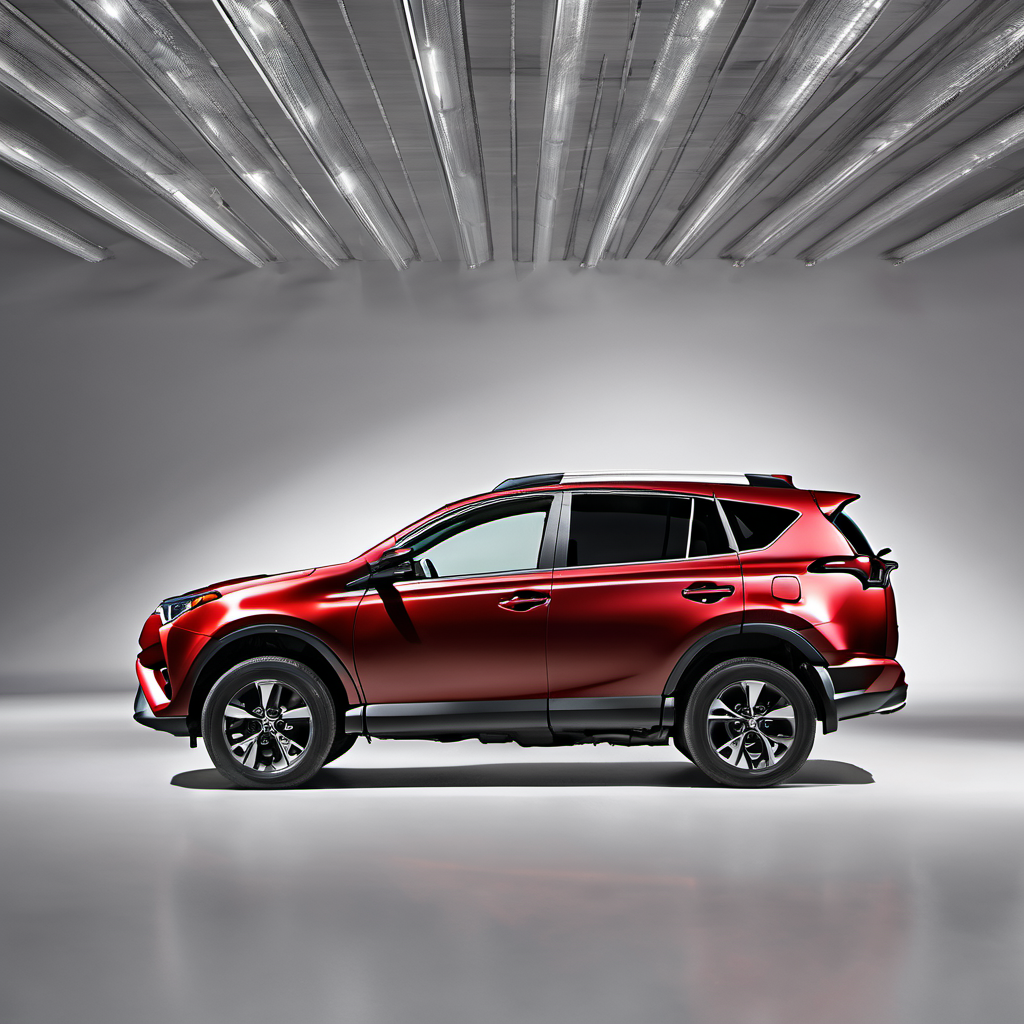
Same compact SUV segment and price point. The RAV4 has a conventional inline engine and traditional automatic transmission — simpler drivetrain, strong reliability, but less headroom and no standard AWD on base trim.
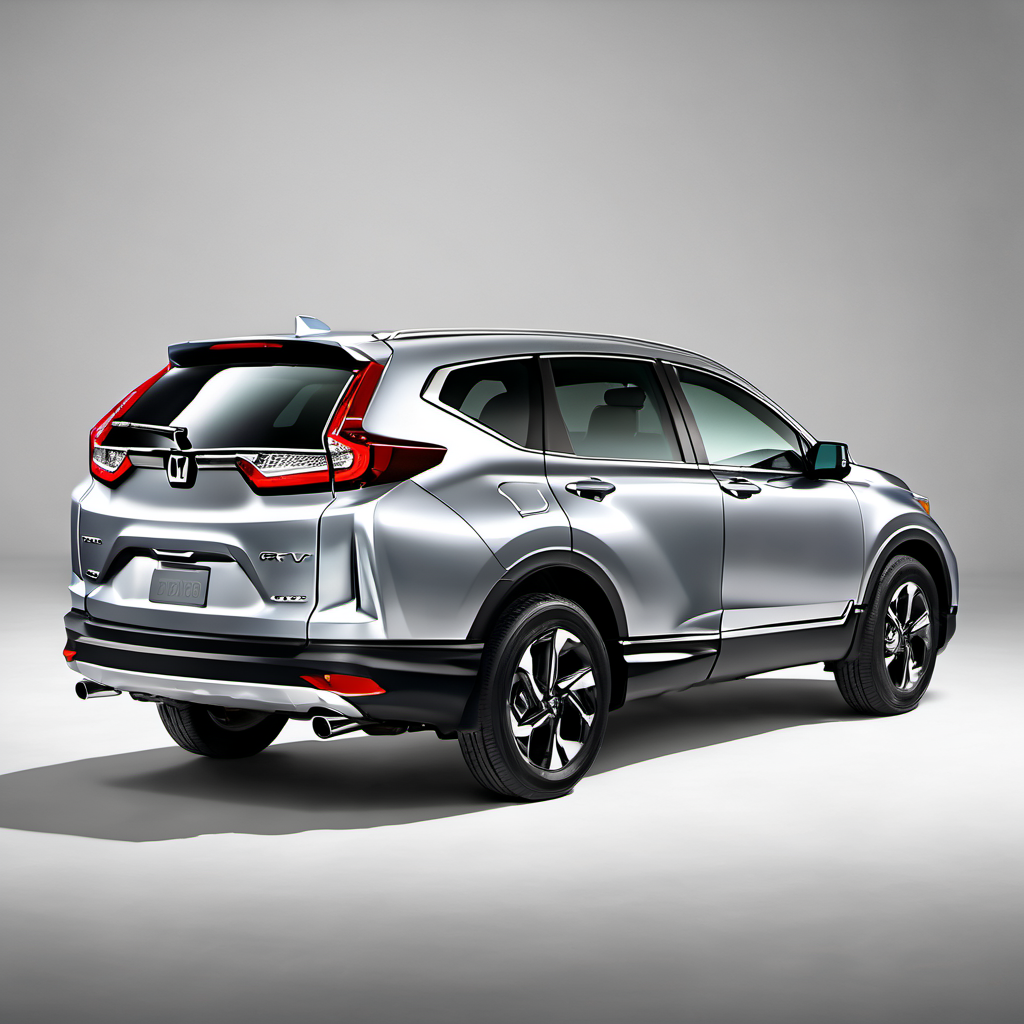
Excellent fuel economy and cargo space. The 1.5T engine is more powerful but has a documented oil dilution issue in cold climates — a real concern for Wisconsin owners. More refined interior than the Forester.
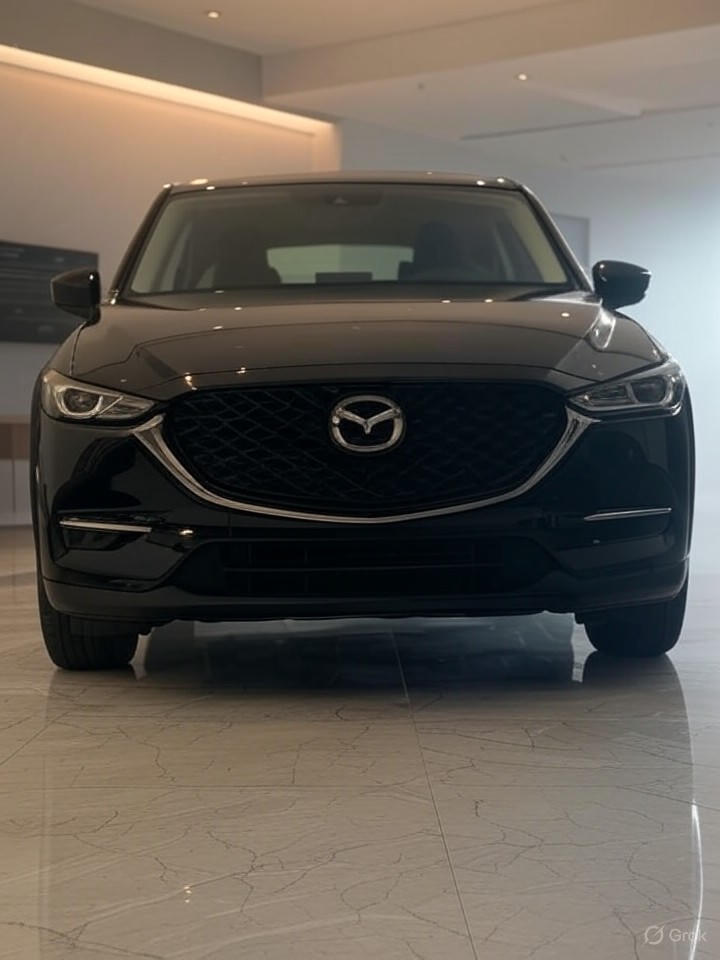
Sharper handling and a more premium interior at a similar price. AWD available but not standard. Slightly less cargo room and rear headroom than the Forester; stronger engine options.
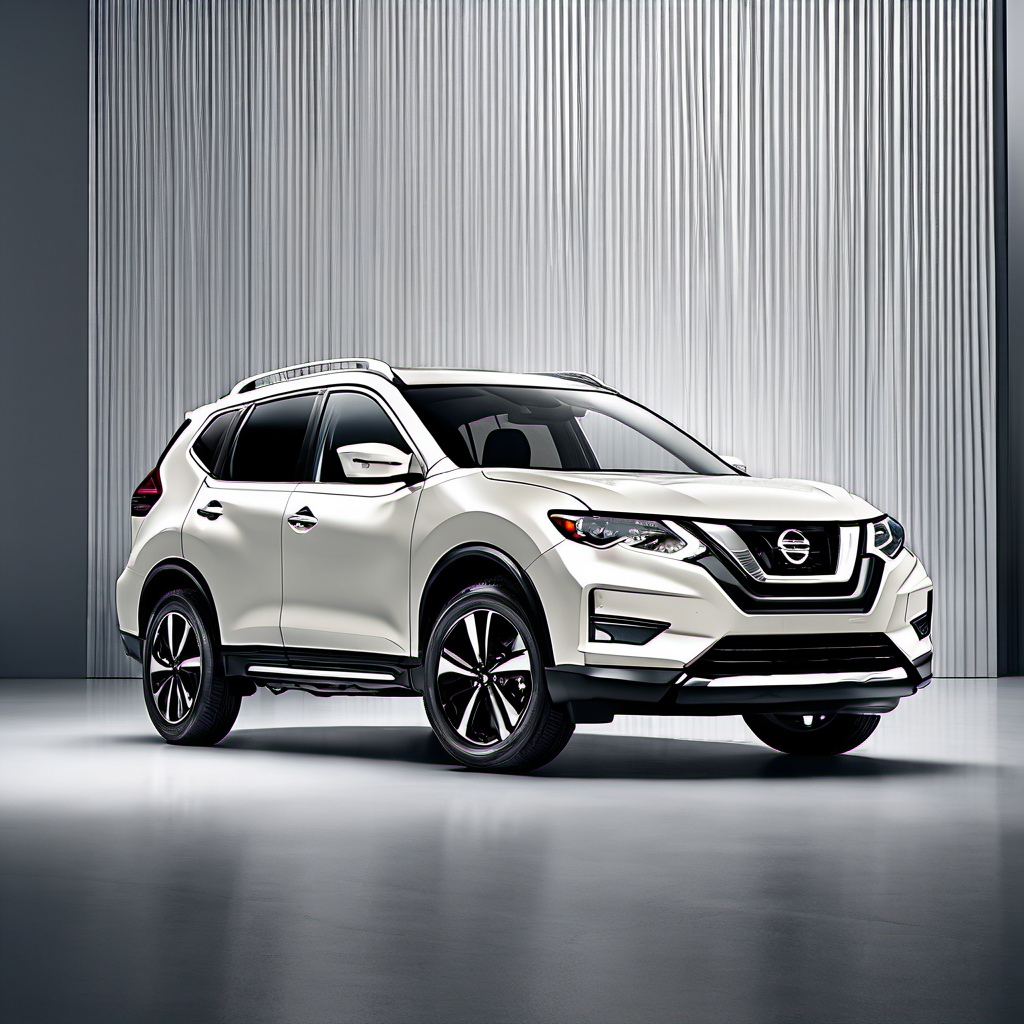
Closest price competitor with standard AWD availability and good cargo space. CVT is also used here but Nissan's version has a weaker long-term track record. Less driver visibility than the Forester.