VVT Camshaft Timing Over-Retarded / Phaser Sludge
medium- Typically appears
- 60–120k mi
- Estimated repair
- $300 – $900

2018 Kia
Sedan
The 2018 Kia Forte is a compact sedan that represents the second-generation body style in its final model year before a full redesign arrived for 2019. It competes squarely in the budget-friendly end of the compact car segment, offering a comfortable ride, a well-equipped interior for the money, and strong fuel economy from its naturally aspirated 2.0L four-cylinder. Kia's ten-year/100,000-mile powertrain warranty (for original owners) was a major selling point and reflects the brand's confidence in the hardware at this point in its development. By 2018, Kia had worked out most of the early Forte's growing pains. The cabin is practical for a small family or commuter, tech features like Apple CarPlay/Android Auto were available, and the ride quality is notably smooth for the class. It won't excite driving enthusiasts, but it does what most people actually need a car to do — reliably and economically. Buyers shopping a used example should be aware that oil change discipline matters more than usual on this engine due to variable valve timing components that are sensitive to sludge. Otherwise, a well-maintained 2018 Forte is a solid used-car buy at a price point that's hard to argue with.
The 2018 Kia Forte is a compact sedan that represents the second-generation body style in its final model year before a full redesign arrived for 2019. It competes squarely in the budget-friendly end of the compact car segment, offering a comfortable ride, a well-equipped interior for the money, and strong fuel economy from its naturally aspirated 2.0L four-cylinder. Kia's ten-year/100,000-mile powertrain warranty (for original owners) was a major selling point and reflects the brand's confidence in the hardware at this point in its development. By 2018, Kia had worked out most of the early Forte's growing pains. The cabin is practical for a small family or commuter, tech features like Apple CarPlay/Android Auto were available, and the ride quality is notably smooth for the class. It won't excite driving enthusiasts, but it does what most people actually need a car to do — reliably and economically. Buyers shopping a used example should be aware that oil change discipline matters more than usual on this engine due to variable valve timing components that are sensitive to sludge. Otherwise, a well-maintained 2018 Forte is a solid used-car buy at a price point that's hard to argue with.
VVT phasers and OCV solenoids are highly sensitive to oil quality. Sludge from extended intervals is the #1 cause of expensive engine repairs on this generation Forte. Use the manufacturer-specified 5W-20 full synthetic.
Wisconsin road debris and pollen load filters quickly. A clogged cabin filter strains the blower motor and degrades defrost effectiveness — important in winter.
The 2.0L I4 uses iridium plugs on a 60k interval. Worn plugs cause rough idle and can trigger misfires that mimic more expensive issues.
Brake fluid is hygroscopic and absorbs moisture over time, lowering boiling point. In Wisconsin's freeze-thaw cycles, contaminated fluid also contributes to internal caliper corrosion.
Degraded coolant raises corrosion risk inside the cooling system and reduces freeze protection — a real concern when temps drop below -10°F in Lake Geneva.
Kia marks the automatic transmission fluid 'lifetime' from the factory, but independent shops widely recommend changes on used cars where service history is unknown. Fresh fluid protects the 6-speed automatic significantly.
Road salt accumulates in seams, behind subframe mounts, and around brake lines. Regular washing and an annual spring inspection catches early corrosion before it becomes a safety or repair cost issue.
FWD cars wear front tires faster. Cold Wisconsin temperatures drop tire pressure roughly 1 PSI per 10°F, so a tire that's correct in October can be underinflated by January.
Always defer to the manufacturer's service manual for warranty-mandated intervals.
The 2018 Forte is genuinely cheap to own if oil changes are kept current. Routine maintenance runs $400–$900/year for a well-kept example. The big wildcard is deferred maintenance — VVT repairs from oil neglect or brake line replacement from salt corrosion can each run $500–$1,200 in a single visit. Stay ahead of maintenance and the annual cost picture stays very favorable for the segment.

The benchmark in the compact segment — slightly more engaging to drive and a stronger long-term reliability reputation, though it costs a bit more used.

Similar mission and price point. The Corolla trails on features and driving dynamics but has an even longer reliability track record and holds resale value better.
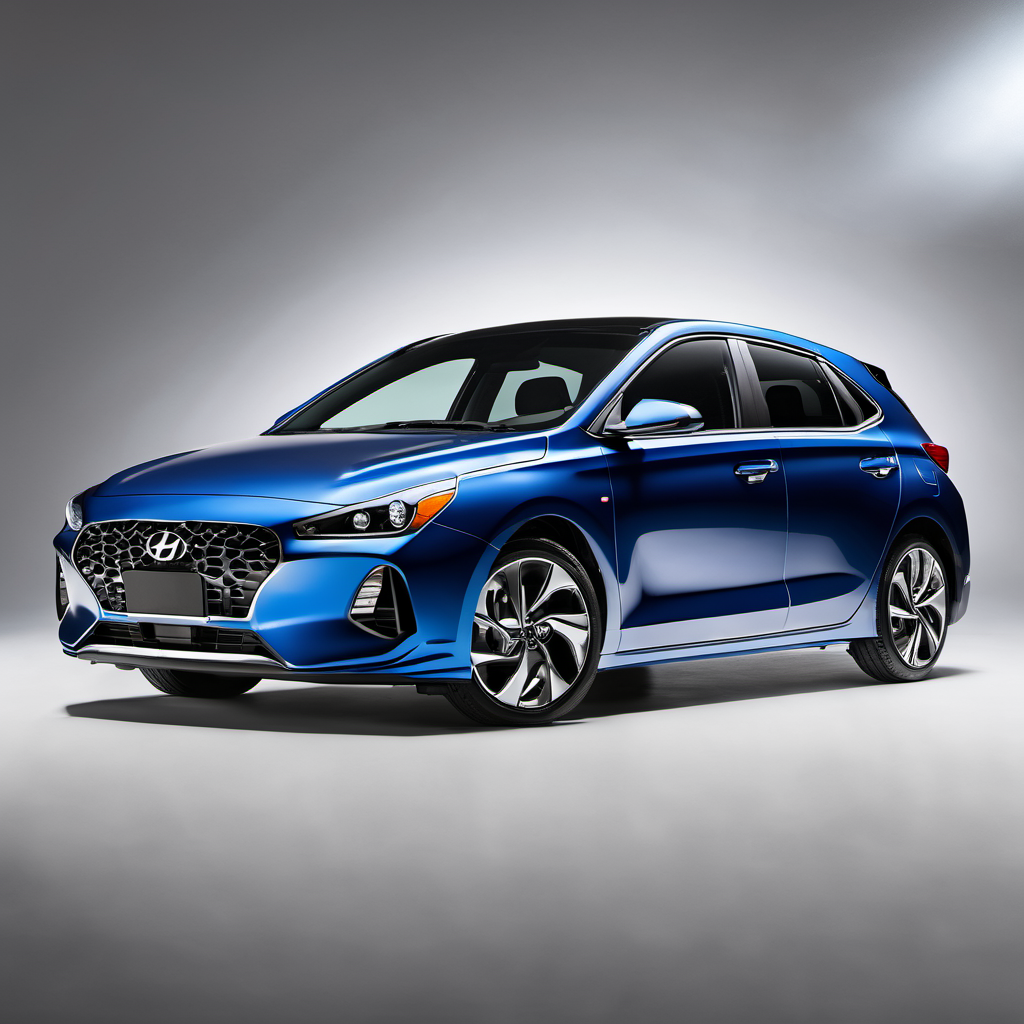
Mechanically nearly identical platform and powertrain — shares Kia's corporate underpinnings. Often a few hundred dollars cheaper used and worth cross-shopping directly.
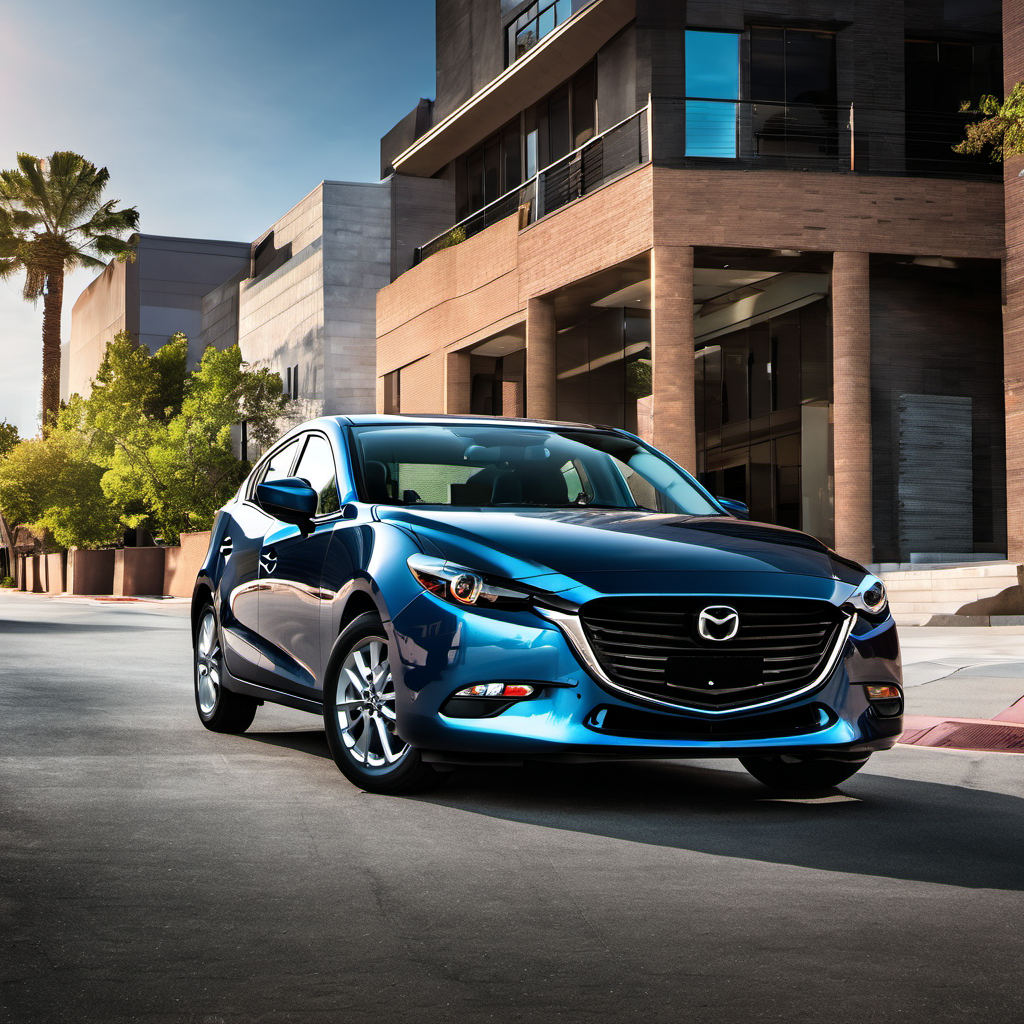
More driver-focused and premium-feeling interior, with excellent reliability. Usually priced slightly higher used but offers a meaningful step up in driving enjoyment.