Oil Dilution / Gasoline Contamination of Engine Oil
high- Typically appears
- 0–80k mi (year-round risk; highest in winter)
- Estimated repair
- $0 – $200

2018 Honda
Coupe
The 2018 Honda Civic Coupe is the tenth-generation Civic in its two-door body style — a generation widely praised for reinvigorating the nameplate with a genuinely sporty look, a turbocharged engine, and a well-appointed interior that punches above its price class. Honda's 1.5L turbocharged four-cylinder replaced the naturally aspirated engines of previous generations, bringing significantly more torque for a livelier driving feel without sacrificing fuel economy. The tenth-gen Civic (2016–2021) quickly became one of the best-selling and most-recommended compact cars in the U.S., and the coupe specifically appeals to drivers who want something with visual flair in a manageable package. Handling is sharp for the class, the interior quality is genuinely good, and long-term reliability — when oil changes are kept current — is excellent. That said, the 1.5T engine has a well-documented oil dilution issue in colder climates where short trips prevent the engine from fully warming up. In a Wisconsin winter, this is not a footnote — it is a real maintenance consideration. Staying on top of oil changes and allowing the engine to warm up before hard driving are the two most important habits for this car in Lake Geneva.
The 2018 Honda Civic Coupe is the tenth-generation Civic in its two-door body style — a generation widely praised for reinvigorating the nameplate with a genuinely sporty look, a turbocharged engine, and a well-appointed interior that punches above its price class. Honda's 1.5L turbocharged four-cylinder replaced the naturally aspirated engines of previous generations, bringing significantly more torque for a livelier driving feel without sacrificing fuel economy. The tenth-gen Civic (2016–2021) quickly became one of the best-selling and most-recommended compact cars in the U.S., and the coupe specifically appeals to drivers who want something with visual flair in a manageable package. Handling is sharp for the class, the interior quality is genuinely good, and long-term reliability — when oil changes are kept current — is excellent. That said, the 1.5T engine has a well-documented oil dilution issue in colder climates where short trips prevent the engine from fully warming up. In a Wisconsin winter, this is not a footnote — it is a real maintenance consideration. Staying on top of oil changes and allowing the engine to warm up before hard driving are the two most important habits for this car in Lake Geneva.
The 1.5T oil dilution issue makes Honda's 10,000-mi oil life monitor interval too aggressive for cold-climate short-trip drivers. Shorter intervals are cheap insurance against accelerated bearing wear.
Degraded CVT fluid is the leading cause of shudder and premature CVT failure on 10th-gen Civics. This is the single highest-value preventive service for long-term ownership.
Wisconsin roads kick up significant road dust and salt. A clogged cabin filter strains the blower motor and degrades heat/AC performance.
Turbo engines benefit from unrestricted airflow. A dirty filter can slightly increase turbo wear and reduce fuel economy.
Honda specifies brake fluid inspection every 3 years. Moisture-absorbed fluid lowers the boiling point — a real risk during aggressive winter driving or hill descents.
The turbocharged engine is harder on plugs than a naturally aspirated unit. Fresh plugs maintain clean combustion and reduce misfires that can trigger oil wash-down.
Wisconsin winters and freeze-thaw cycles are hard on alignment. Uneven tire wear on a FWD compact is expensive to ignore.
Honda's blue long-life coolant holds up well, but sub-zero temperatures expose any degradation quickly. Verify freeze protection rating before each winter.
Always defer to the manufacturer's service manual for warranty-mandated intervals.
The 2018 Civic Coupe 1.5T is one of the more economical compact cars to own long-term — low fuel costs, cheap parts availability, and a wide pool of technicians familiar with it. The main surprise cost for unprepared owners is CVT service (skipped on the 'lifetime fluid' assumption) and oil changes that should be more frequent in Wisconsin winters. Budget an extra $100–$150/yr beyond typical compact car maintenance if you do a lot of cold short-trip driving.

Same compact segment, similar price and reliability reputation, but naturally aspirated 2.0L — no oil dilution risk; slightly less engaging to drive
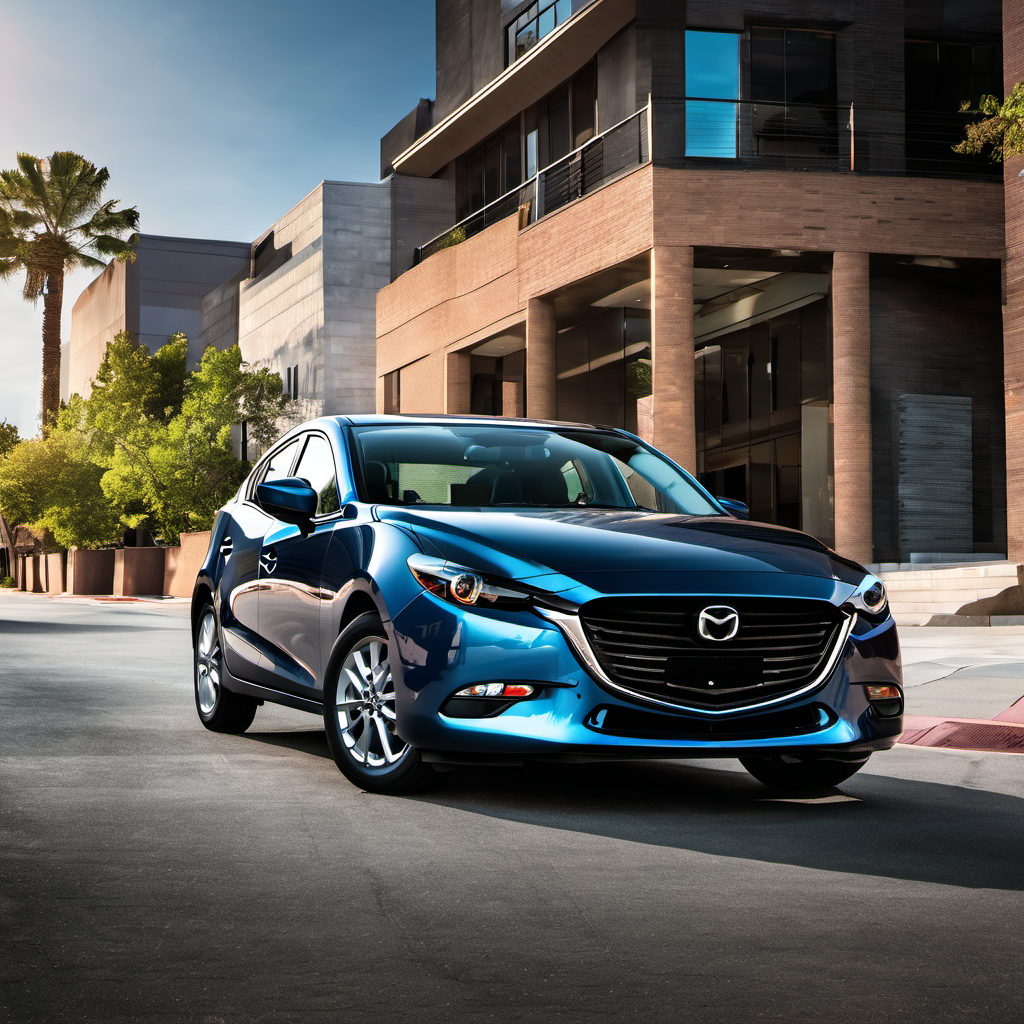
Closest match for driving dynamics and interior quality; available as a 2-door or 4-door; strong long-term reliability, slightly sportier character
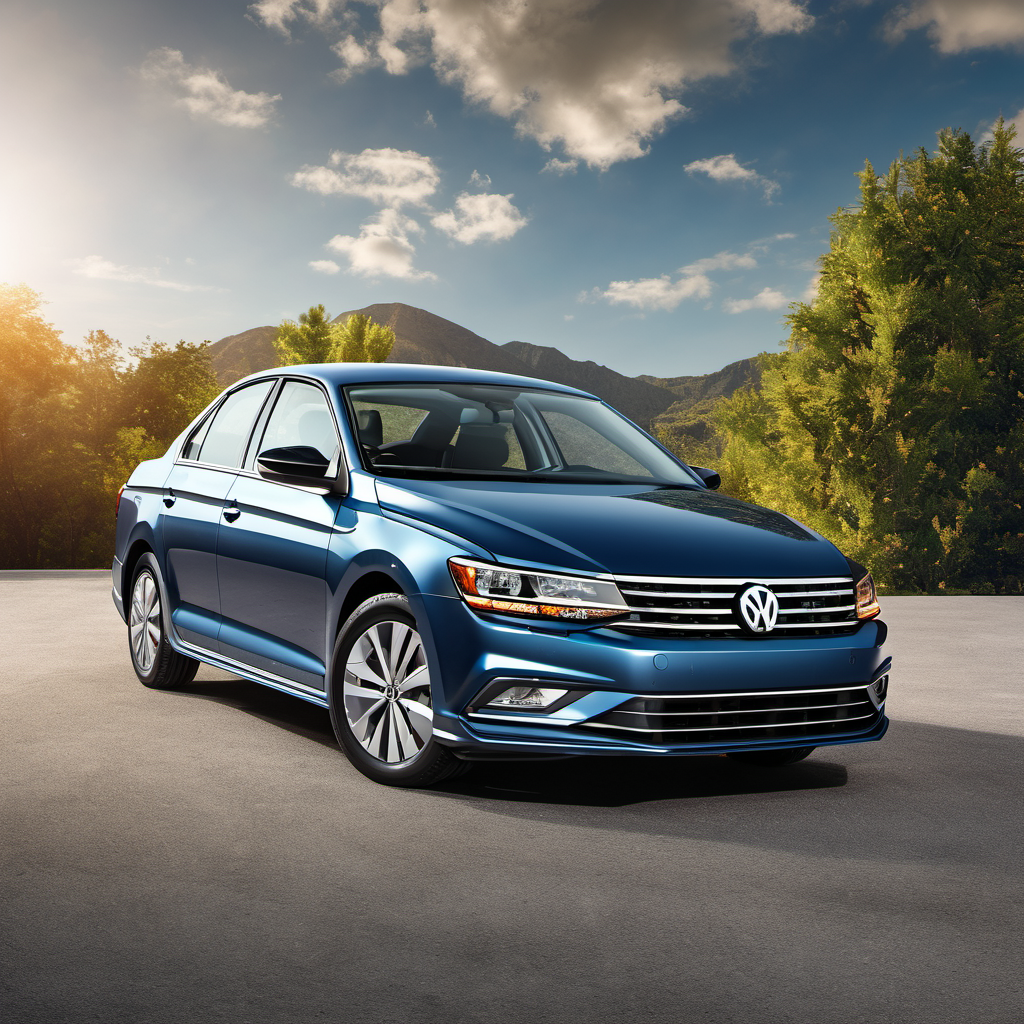
European feel at a similar price point; turbocharged as well; higher maintenance costs and fewer local technicians familiar with it compared to the Civic
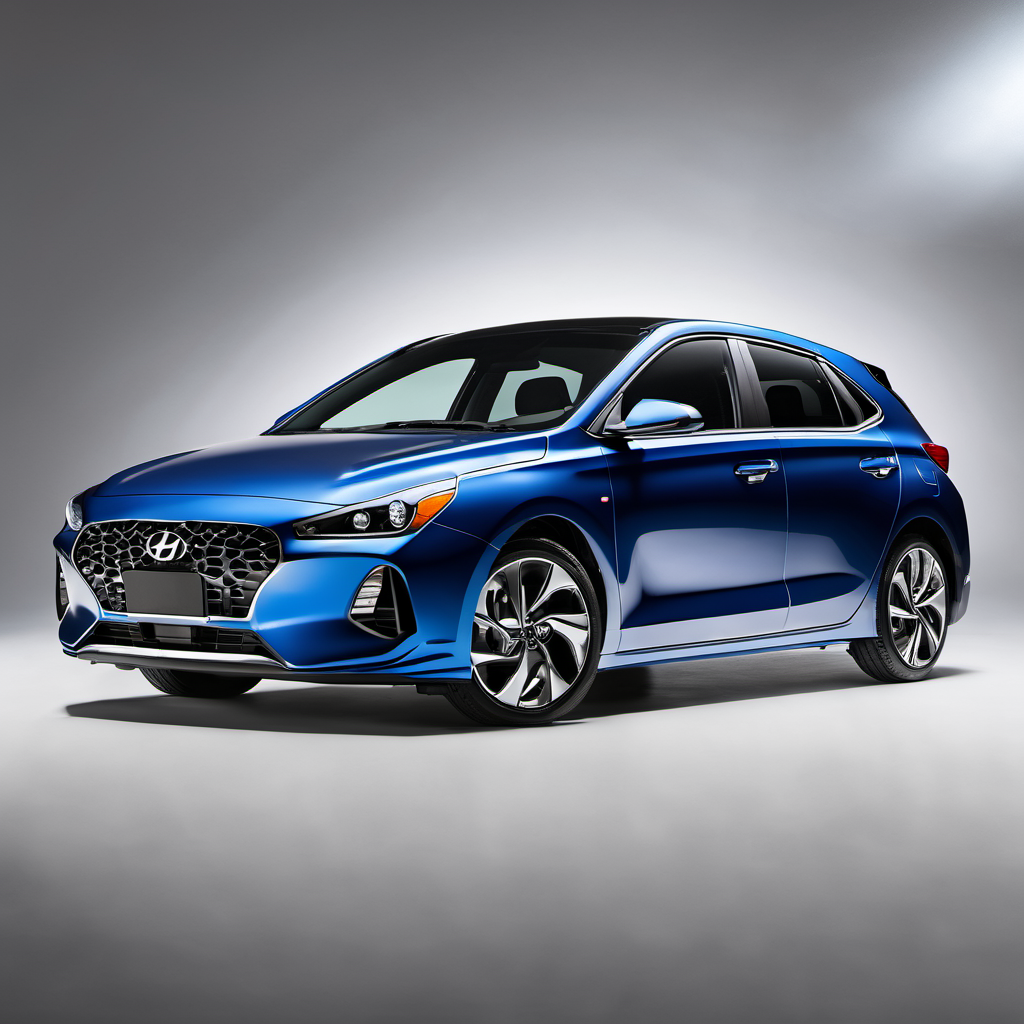
Very competitive on price and warranty coverage; slightly less resale value and driving refinement than the Civic but strong reliability in recent generations