VIN / Title Identity Mismatch
high- Typically appears
- Any
- Estimated repair
- $500 – $3,000
2018 Ford
3.3L V6
Important note up front: Ford did not produce a Bronco in 2018. The Bronco nameplate was retired after 1996 and did not return until the 2021 model year. The data supplied for this '2018 Ford Bronco' does not correspond to a real production vehicle — the specs appear to be a mashup of Ford Explorer/F-150 figures from that era, and should be treated with caution. If you are looking at a vehicle titled as a 2018 Ford Bronco, it is almost certainly a titled classic (pre-1996 Bronco), a heavily modified/restomod build, or a clerical/title error. None of the factory specifications provided can be verified against an actual 2018 production vehicle. If you own or are shopping for the modern Bronco, that would be a 2021 or newer model. If you're interested in the classic full-size Bronco (1966–1996), that's a separate and well-documented vehicle. Please confirm the correct year and model so we can give you accurate information.
Important note up front: Ford did not produce a Bronco in 2018. The Bronco nameplate was retired after 1996 and did not return until the 2021 model year. The data supplied for this '2018 Ford Bronco' does not correspond to a real production vehicle — the specs appear to be a mashup of Ford Explorer/F-150 figures from that era, and should be treated with caution. If you are looking at a vehicle titled as a 2018 Ford Bronco, it is almost certainly a titled classic (pre-1996 Bronco), a heavily modified/restomod build, or a clerical/title error. None of the factory specifications provided can be verified against an actual 2018 production vehicle. If you own or are shopping for the modern Bronco, that would be a 2021 or newer model. If you're interested in the classic full-size Bronco (1966–1996), that's a separate and well-documented vehicle. Please confirm the correct year and model so we can give you accurate information.
No 2018 Ford Bronco was produced. A professional VIN decode is essential to identify what vehicle this actually is before spending any money on it.
Given the identity discrepancy, a full mechanical and undercarriage inspection is critical. Look for signs of rebranding, body swaps, or odometer fraud.
If this is a Ford 3.3L V6, VVT components are sensitive to oil quality and change intervals. Dirty oil accelerates camshaft phaser wear and triggers P001x/P002x codes.
4WD systems in Wisconsin see heavy use fall through spring. Old fluid thickens in cold temps and accelerates gear wear.
If the 4WD system sits unused during summer, test it before first snowfall to catch binding, grinding, or warning lights early.
Wisconsin road salt accelerates corrosion in brake calipers and ABS hardware. Fresh fluid reduces moisture-related ABS module and caliper issues.
Wisconsin salt brine is highly corrosive. Check frame rails, brake lines, fuel lines, and body mounts annually. Apply rust inhibitor if bare metal is found.
Worn plugs on a V6 with VVT can mimic camshaft timing codes. Replacing plugs on schedule eliminates a cheap variable before diagnosing P001x faults.
Always defer to the manufacturer's service manual for warranty-mandated intervals.
Ownership cost estimates here are speculative because the vehicle record does not correspond to a real 2018 production Ford. If this turns out to be a 2021+ Bronco or a classic restomod, costs will differ significantly. Classic Broncos in particular can carry high ongoing maintenance costs for aging mechanical and electrical components. Budget generously for unknowns until the vehicle identity is confirmed.

The actual modern Bronco. If the intent was a 2021+ Bronco, this is the real vehicle to research — same nameplate, legitimate production, 2-door and 4-door options with genuine off-road capability.
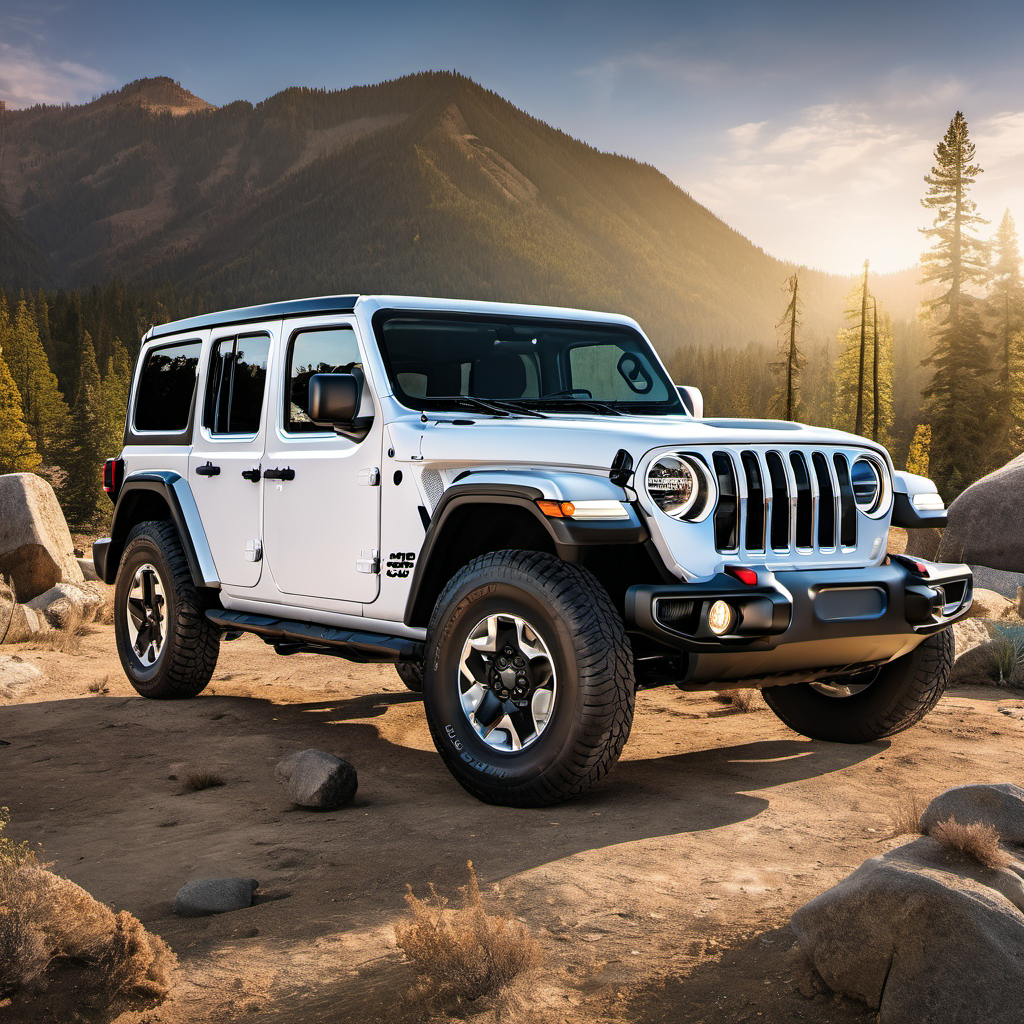
The closest true competitor in the 2-door, removable-top, body-on-frame off-road SUV segment. Widely available used, well-documented reliability patterns, strong parts ecosystem.
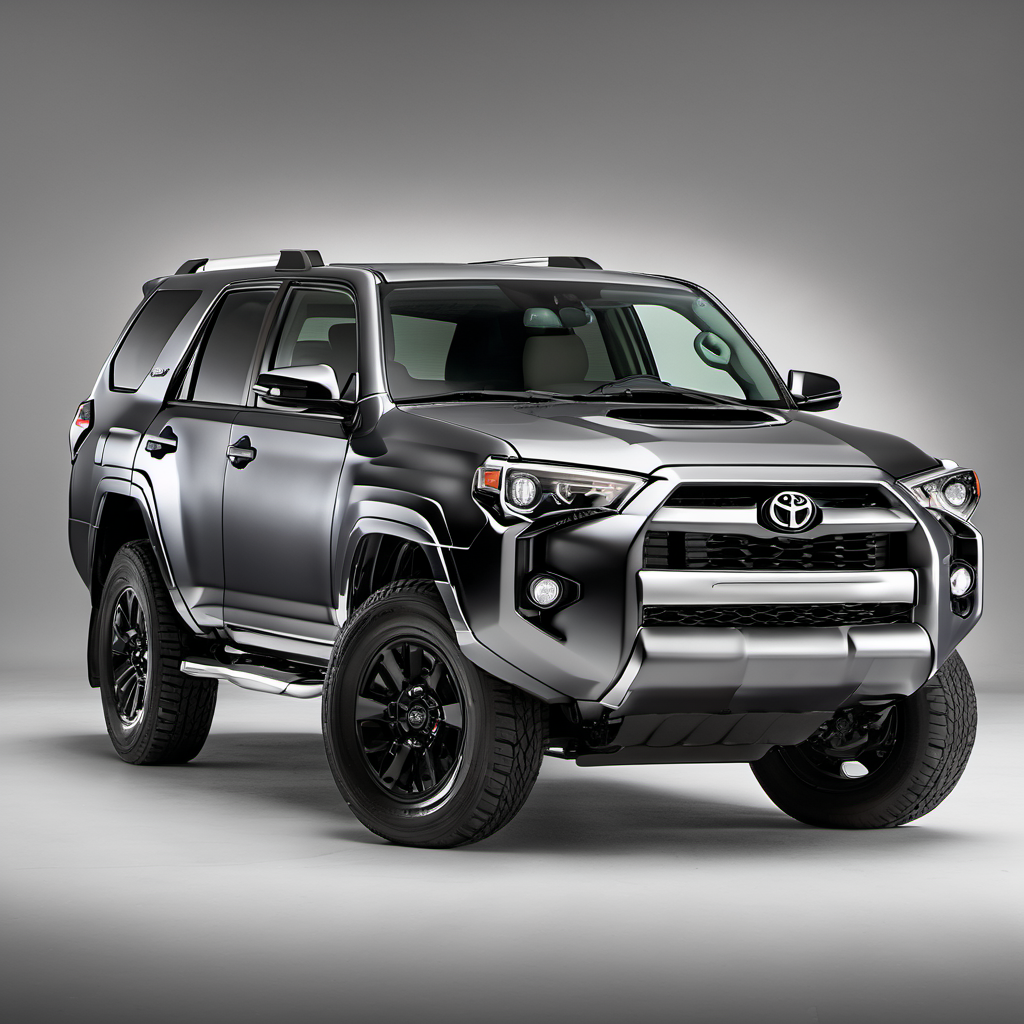
Body-on-frame 4WD SUV with genuine off-road chops and a strong long-term reliability record. More practical daily driver than a Wrangler, similarly capable off-road.
If the buyer wants serious off-road capability with a more modern platform in a similar price band, the ZR2 offers factory-tuned off-road suspension and a proven powertrain.
No catalog match