Excessive engine oil consumption (FB20 boxer)
high- Typically appears
- 30,000–100,000 mi
- Estimated repair
- $0 – $2,500
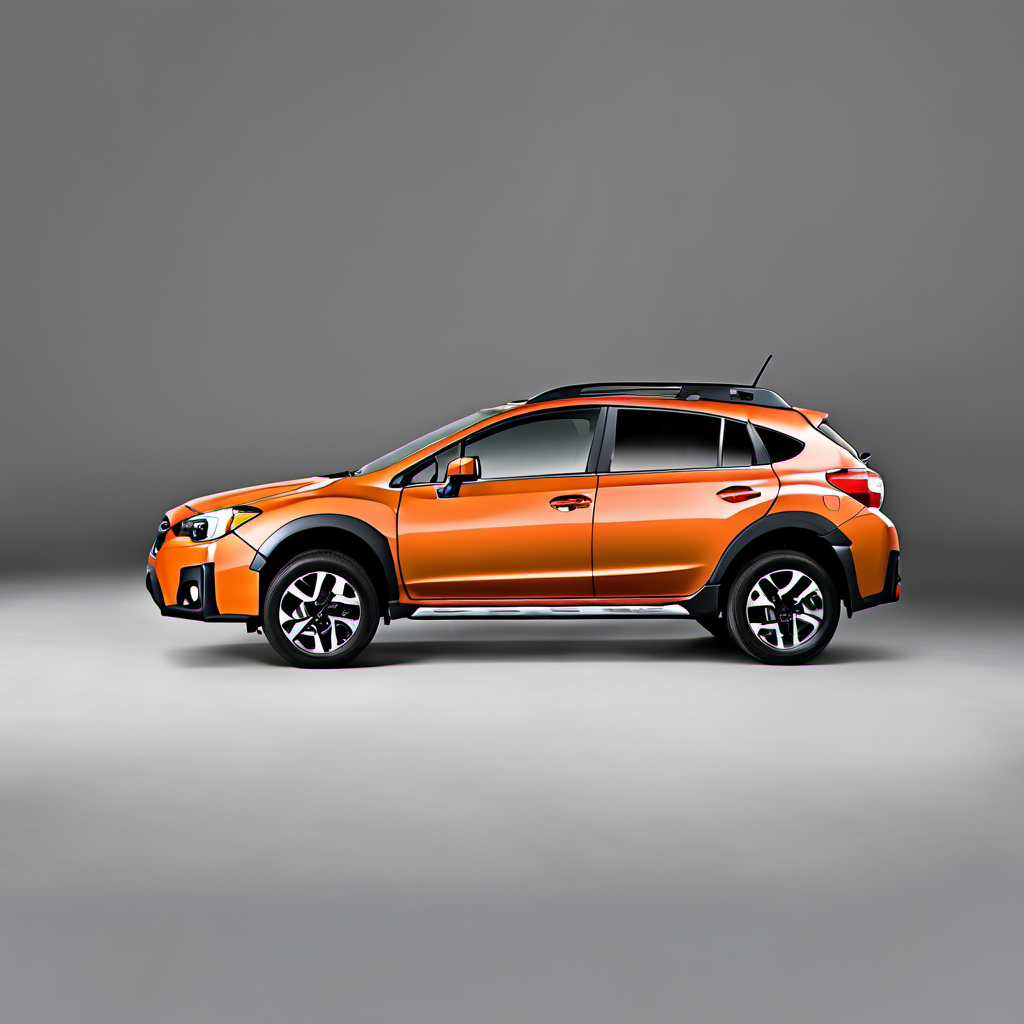
2017 Subaru
SUV
The 2017 Subaru Crosstrek is a subcompact crossover built on Subaru's Global Platform predecessor, riding higher than a typical hatchback and pairing standard Symmetrical AWD with a 2.0L boxer four. It's closely related to the Impreza but adds 8.7 inches of ground clearance and rugged body cladding, making it genuinely capable on dirt roads, snowy streets, and light trails without the fuel penalty of a larger SUV. This generation (2013–2017) earned a loyal following for its AWD reliability, practical cargo space, and above-average safety scores. It's not a fast car — 152 hp through a CVT means merging on the highway takes planning — but owners consistently report high satisfaction and low drama past 150,000 miles when basic maintenance is kept up. For Lake Geneva drivers, the Crosstrek's standard AWD, reasonable ground clearance, and solid winter traction reputation make it a smart year-round choice. The boxer engine does have a known oil consumption quirk in this generation that buyers and current owners should watch closely.
The 2017 Subaru Crosstrek is a subcompact crossover built on Subaru's Global Platform predecessor, riding higher than a typical hatchback and pairing standard Symmetrical AWD with a 2.0L boxer four. It's closely related to the Impreza but adds 8.7 inches of ground clearance and rugged body cladding, making it genuinely capable on dirt roads, snowy streets, and light trails without the fuel penalty of a larger SUV. This generation (2013–2017) earned a loyal following for its AWD reliability, practical cargo space, and above-average safety scores. It's not a fast car — 152 hp through a CVT means merging on the highway takes planning — but owners consistently report high satisfaction and low drama past 150,000 miles when basic maintenance is kept up. For Lake Geneva drivers, the Crosstrek's standard AWD, reasonable ground clearance, and solid winter traction reputation make it a smart year-round choice. The boxer engine does have a known oil consumption quirk in this generation that buyers and current owners should watch closely.
The FB20 boxer has documented oil consumption. Catching a low-oil condition early prevents engine damage — don't wait for the oil light.
Subaru specifies 0W-20 full synthetic. Shorter intervals help flush contaminants and reduce sludge buildup that causes VVT solenoid problems.
Subaru's owner manual lists CVT fluid as 'inspect at 30k, replace if needed,' but many shops and owners see better longevity with proactive changes every 30k. Dirty fluid is the leading cause of CVT shudder.
Dirt and debris in Wisconsin's rural and salt-air environment clog filters faster. A clogged air filter hurts the FB20's already modest power output.
Salt exposure corrodes brake hardware quickly. Annual or 30k lubrication prevents sticking calipers and uneven pad wear.
OEM iridium plugs are rated for 60k miles. Worn plugs increase misfires and can degrade catalytic converter efficiency.
Subaru's symmetrical AWD relies on clean fluid in the rear differential and transfer clutch. Neglect causes AWD binding and premature wear.
Sub-zero Lake Geneva winters are hard on batteries. A battery over 3–4 years old should be load-tested before winter to avoid a no-start situation.
Always defer to the manufacturer's service manual for warranty-mandated intervals.
The Crosstrek is one of the more affordable AWD vehicles to own. Routine annual maintenance (oil changes, filters, brakes) runs $600–$1,200 at an independent shop. The main budget wildcard is the CVT — budget for fluid changes to avoid a $3,000–$4,500 CVT replacement down the road. Oil consumption monitoring costs nothing but attention and can save a very expensive engine repair.
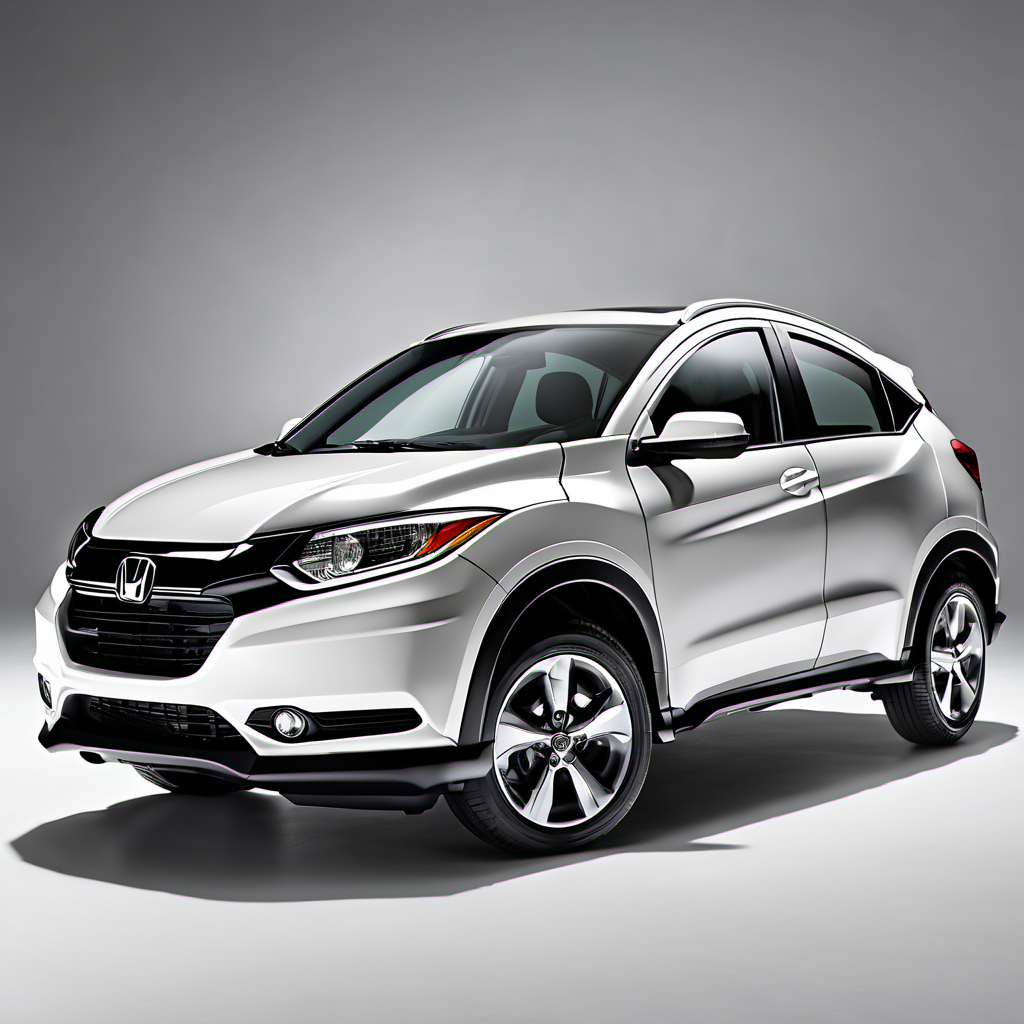
Similar subcompact crossover footprint and price point; AWD available, excellent cargo versatility with Magic Seat, but lacks the Crosstrek's ground clearance and trail capability.
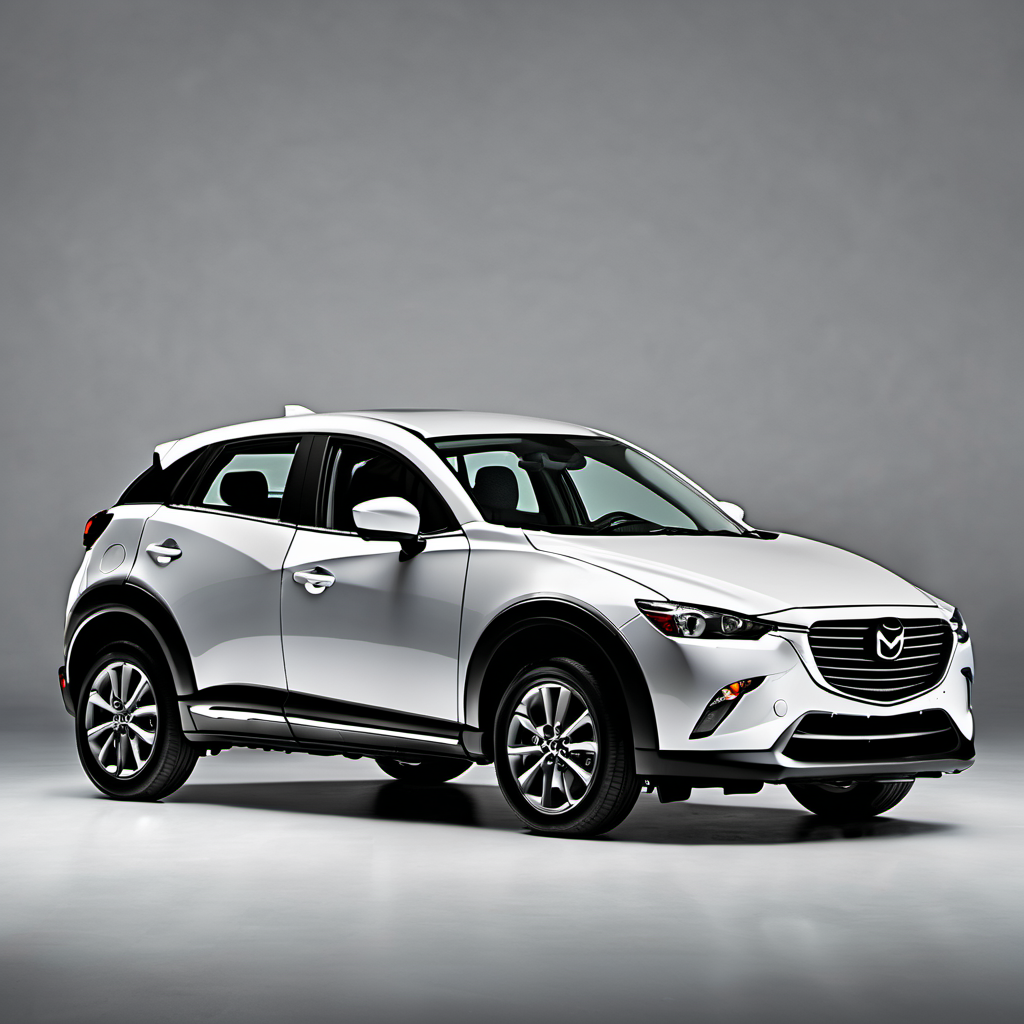
AWD available, sporty handling and upscale interior compared to Crosstrek, but tighter rear-seat and cargo space and a smaller engine; better driver's car, less practical hauler.
Stylish subcompact crossover in the same price range, but AWD was not offered — FWD only in 2017 — making it a weaker choice for Wisconsin winters.
No catalog match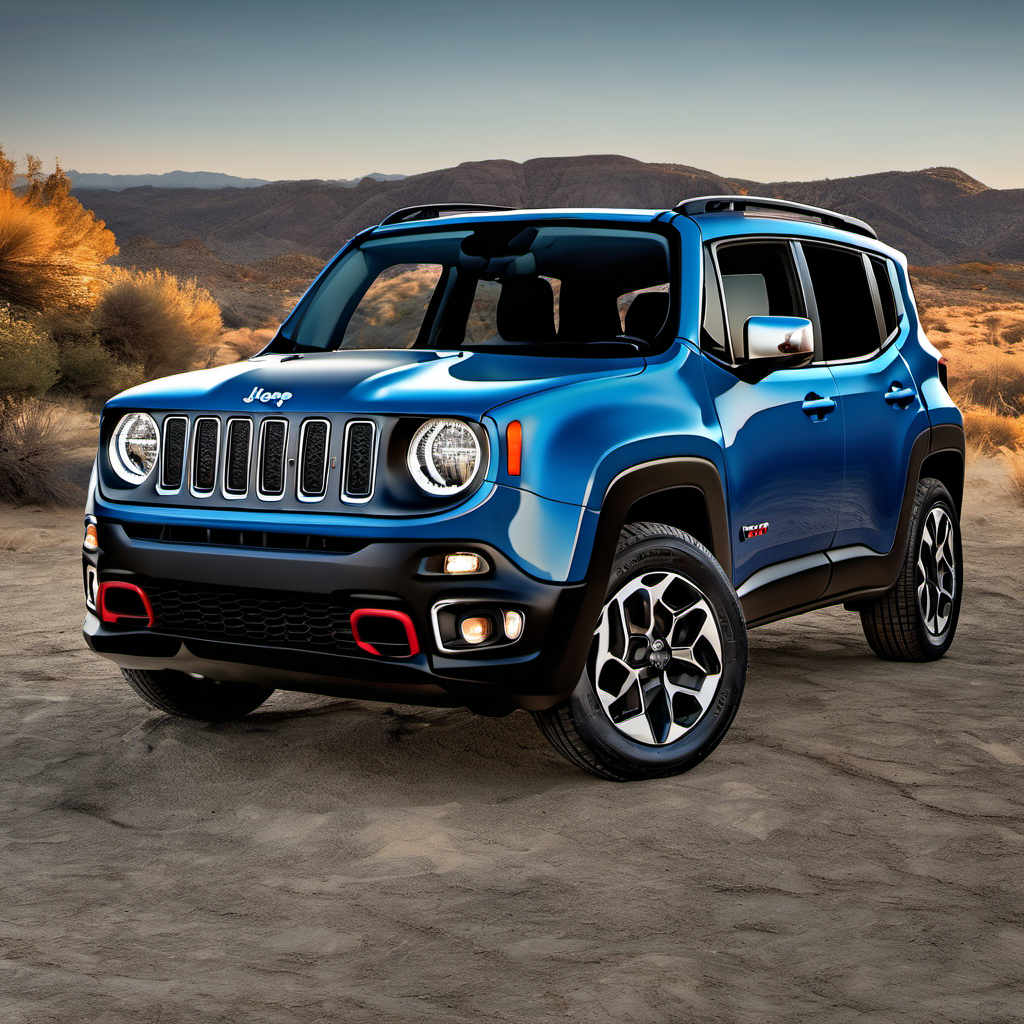
Comparable size and off-road-ready positioning; 4WD available, but reliability record is notably weaker than the Crosstrek and ownership costs tend to run higher.