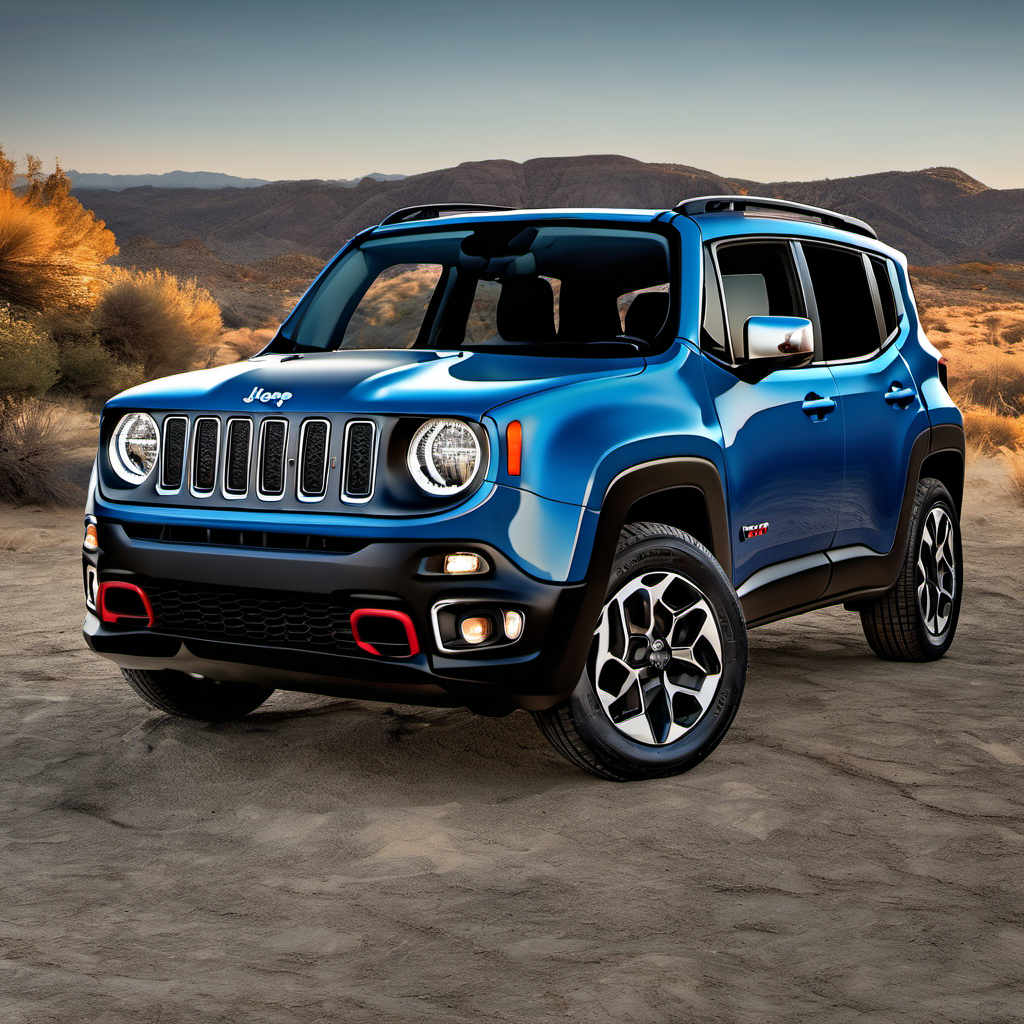
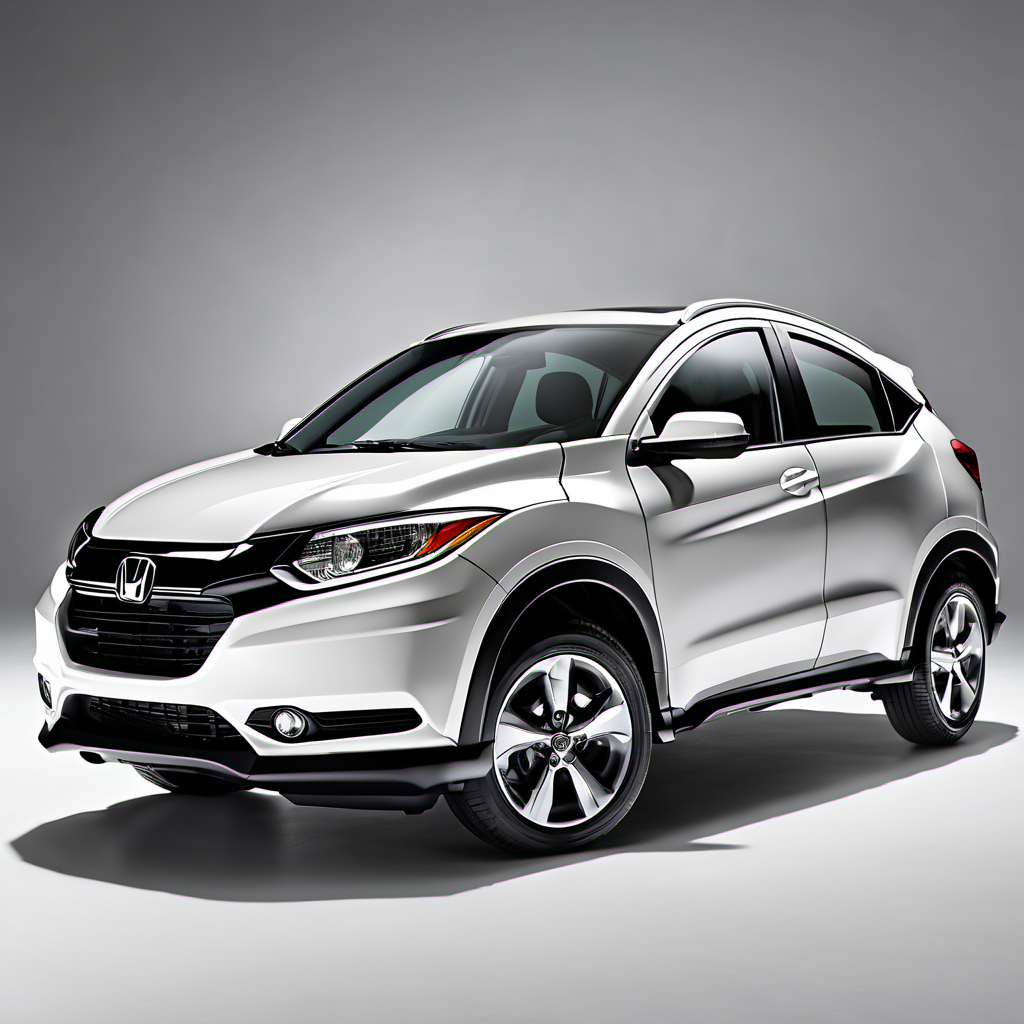
2017 Jeep Renegade SUV
Popular pick

2017 Jeep

RenegadeSUV

2.4L Tigershark MultiAir 2 · SUV

The 2017 Jeep Renegade is the smallest SUV in Jeep's lineup, built on a platform shared with the Fiat 500X and assembled in Melfi, Italy. It was designed to bring Jeep styling and some trail capability to the subcompact segment, targeting buyers who want the Jeep look without a full-size footprint. The base engine is the 2.4L Tigershark MultiAir 2 four-cylinder paired to either a 9-speed automatic or a 6-speed manual. The 4x4-equipped Trailhawk trim adds legitimate off-road hardware, while the front-wheel-drive trims are better suited for light duty and daily commuting. Fuel economy is respectable for the class. The Renegade has a polarizing reputation. Owners love the styling, interior tech, and maneuverability around town. The Fiat-derived platform and early 9-speed ZF transmission have generated the most complaints. By 2017 Jeep had addressed some of the worst first-year software bugs, but the transmission and a handful of VVT/oil-related issues remain the most-discussed ownership concerns.

Reliability
2/5
Verified data
Specs shown for Renegade 2WD — the most common configuration. Other trims may vary in engine, drivetrain, or fuel economy. Sign in to see your vehicle's exact specs.
Engine
[object Object]
Drivetrain
FWD
Fuel
Gasoline
MPG
24 city / 32 hwy / 27 combined
Seats
5
Doors
4
Body
SUV
MSRP
$22,995

Overview

AI-curated

The 2017 Jeep Renegade is the smallest SUV in Jeep's lineup, built on a platform shared with the Fiat 500X and assembled in Melfi, Italy. It was designed to bring Jeep styling and some trail capability to the subcompact segment, targeting buyers who want the Jeep look without a full-size footprint. The base engine is the 2.4L Tigershark MultiAir 2 four-cylinder paired to either a 9-speed automatic or a 6-speed manual. The 4x4-equipped Trailhawk trim adds legitimate off-road hardware, while the front-wheel-drive trims are better suited for light duty and daily commuting. Fuel economy is respectable for the class. The Renegade has a polarizing reputation. Owners love the styling, interior tech, and maneuverability around town. The Fiat-derived platform and early 9-speed ZF transmission have generated the most complaints. By 2017 Jeep had addressed some of the worst first-year software bugs, but the transmission and a handful of VVT/oil-related issues remain the most-discussed ownership concerns.

Known for
  • Distinctive retro Jeep styling in a small package
  • Trailhawk trim with genuine 4x4 off-road capability
  • Cramped rear seating and limited cargo space
  • 9-speed automatic transmission hesitation and hunting
  • Tigershark engine sensitivity to oil change intervals
Best for
  • Solo commuters or couples who want SUV styling
  • Light off-road/winter driving (Trailhawk trim)
  • Urban and suburban driving where parking is tight
  • Buyers on a budget who prioritize brand image
Watch for
  • 9-speed automatic transmission shuddering or hard shifts
  • VVT system faults from infrequent oil changes
  • Water intrusion through sunroof drains and door seals
  • Electrical gremlins (U-codes) tied to module communication
  • Premature rear differential wear on 4WD models

Common issues by mileage

6 known

9-Speed Automatic Transmission Shudder / Harsh Shifts

high
Typically appears
15–60k mi
Estimated repair
$150 – $1,800

Oxygen Sensor / Heater Circuit Faults

medium
Typically appears
60–120k mi
Estimated repair
$150 – $450

Water Intrusion — Sunroof Drains and Door Seals

medium
Typically appears
30–80k mi
Estimated repair
$75 – $400

Rear Differential Noise / Wear (4WD Models)

low
Typically appears
60–120k mi
Estimated repair
$400 – $1,600

Maintenance schedule

  1. 1
    Every 5,000 miles or 6 months — do not stretch to the 8–10k OLM recommendation Engine oil and filter change

    The Tigershark MultiAir 2 VVT system has small oil passages that clog with sludge if oil is left in too long. The #1 cause of P0012/P0015 camshaft timing codes on this engine is dirty oil. Use the specified 0W-20 full synthetic.

  2. 2
    Every 40,000 miles (ZF 9HP — do not treat as lifetime fill) Transmission fluid change

    ZF rates this fluid as lifetime, but Midwest owners who change it at 40k see far fewer shift complaints. Use only approved ZF 8 fluid specification.

  3. 3
    60,000 miles Spark plugs

    The MultiAir system relies on precise combustion. Worn plugs can mimic VVT-related symptoms and cause misfires that stress the system further.

  4. 4
    Every 15,000 miles or annually Air filter inspection

    Dusty road driving accelerates clogging. A restricted intake puts extra load on the MultiAir actuators.

  5. 5
    Every 5 years / 50,000 miles Coolant flush

    HOAT coolant degrades and becomes corrosive; important for protecting the aluminum engine block in Wisconsin's freeze-thaw cycles.

  6. 6
    Every spring and fall Sunroof drain cleaning

    Debris from Wisconsin's trees blocks the four drain tubes quickly. Blocked drains flood the floor and can cause electrical module damage.

  7. 7
    Every 2 years Brake fluid flush

    Brake fluid is hygroscopic. With Wisconsin winters and heavy salt use, moisture uptake is accelerated. Fresh fluid maintains proper ABS/ESP function.

  8. 8
    Every 2 weeks during salting season (November–March) Underbody / rocker panel rinse

    Wisconsin road salt attacks the Renegade's unibody rocker panels and subframe mounting points. A regular rinse with plain water is the single best rust-prevention step.

Always defer to the manufacturer's service manual for warranty-mandated intervals.

Cost of ownership

Annual maintenance
$600 – $1,400
Fuel
At 27 MPG combined and ~15,000 miles/year, expect roughly $1,500–$1,800/year at current mid-grade Midwest gas prices.
Insurance
Typically $1,100–$1,600/year for a 2017 in Wisconsin depending on coverage level, driver history, and location.

Day-to-day running costs are modest if maintenance is kept current, but the Renegade's repair costs when something goes wrong — particularly the transmission or VVT system — are high relative to its purchase price. Budget for transmission service every 40k miles as a proactive measure. A well-maintained example with documented oil change history will cost significantly less to own than a neglected one.
Seasonal care

Lake Geneva, WI
Winter
  • Test the battery before November — the 2.4L with its MultiAir system draws heavily on cold starts; replace any battery showing under 500 CCA or more than 4 years old.
  • Switch to a full synthetic 0W-20 if not already — critical for fast oil circulation to the VVT passages on cold starts below 0°F.
  • Flush windshield washer fluid to a -20°F or colder rated mix; the reservoir and lines freeze on Renegades that sit outside in a Lake Geneva winter.
  • Inspect and clear all four sunroof drain tubes before the first freeze — ice plugs cause interior flooding when snow melts during a warm-up.
  • Check tire pressure weekly: expect to lose 1–2 PSI per 10°F temperature drop; underinflated tires reduce traction on the 4x2 models significantly.
  • Rinse the underbody after every significant salting event, focusing on the rocker panels, rear wheel wells, and subframe — these are the first rust points.
Summer
  • Check tire pressure after a heat wave — pressures can exceed spec by 4–6 PSI when pavement temperatures rise; over-inflation reduces wet-road grip.
  • Inspect the A/C system for refrigerant leaks and verify the cabin air filter is clean; the Renegade's small HVAC system works hard in direct sun.
  • Clear any debris from the sunroof drains after spring pollen and seed season to prevent summer rainstorm flooding.
  • Inspect coolant level and condition before a road trip — heat soak in stop-and-go traffic pushes the cooling system harder on the small-displacement engine.
  • Check brake pad thickness — heat accelerates wear on the smaller rotors and pads used on this platform.

Comparable vehicles

If you're shopping for one

Red flags
  • Any P0012, P0015, P0022, or P0025 codes present — VVT repair can exceed the vehicle's value if the engine has sludge damage.
  • Transmission that shudders, slips, or hunts gears on the test drive and the seller claims 'it just needs a software update' without documentation.
  • U0100–U0104 codes without a clear diagnosis — persistent CAN bus faults can indicate wiring harness damage or a failing module that's expensive to trace.
  • No oil change records or evidence of extended oil change intervals past 7,500 miles.
  • Visible rust on rockers, subframe, or floor pan — structural rust repair on a unibody this size often costs more than the vehicle is worth.
  • Service records showing transmission fluid was never changed on a vehicle with over 60,000 miles.
What to inspect
  • Pull the oil cap and check for sludge or a milky residue — evidence of neglected oil changes that can mean a compromised VVT system.
  • Scan for stored and pending DTCs before purchase, especially P0012/P0015 (VVT timing) and any U-codes (module communication).
  • Test drive with the transmission fully warmed up (10+ minutes) and specifically feel for shudder at 25–45 mph and any hesitation pulling from a stop.
  • Check the sunroof tray for staining or debris accumulation, and inspect the front floor mats for moisture or musty smell (sign of blocked drains).
  • Inspect the lower rocker panels and rear wheel arch lips for rust bubbling — Wisconsin-registered examples are at high risk.
  • On 4WD models, engage 4WD Lock and drive a tight circle to check for binding or noise from the rear drive unit.
AI profile generated 22 days ago · claude-sonnet-4-6 · v2.