VVT-i Oil Line Sludge / Cam Phaser Codes
medium- Typically appears
- 80–150k mi
- Estimated repair
- $200 – $800
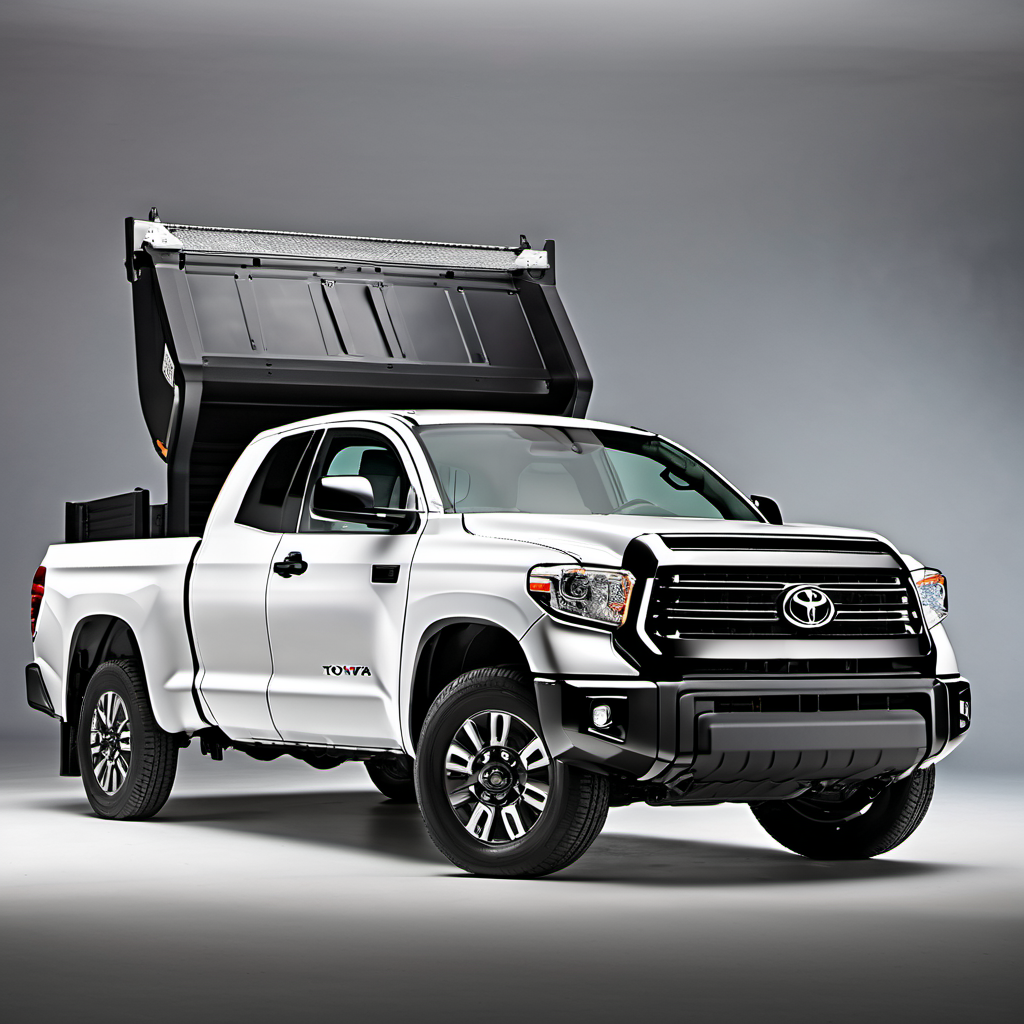
2016 Toyota
5.7L V8 iForce · Pickup
The 2016 Toyota Tundra Regular Cab is a full-size, body-on-frame pickup built on Toyota's second-generation Tundra platform (2007–2021). It pairs a proven, long-running powertrain with a no-nonsense two-door work-truck layout. The Regular Cab is the least common Tundra configuration — most buyers step up to the Double or CrewMax — but it remains a capable choice for buyers who prioritize maximum bed access and towing simplicity over passenger room. The 5.7L iForce V8 is the heart of this generation and is widely considered one of the most durable truck engines on the market. Paired with a 6-speed automatic, it pulls confidently and has a well-documented track record past 200,000 miles with consistent oil changes. The 4.6L V8 is also available but less common and slower to appreciate. Trade-offs are real: fuel economy trails the competition, the interior and tech feel dated compared to a 2016 F-150 or Ram 1500, and the frame is susceptible to corrosion in high-salt environments like southern Wisconsin if not actively maintained. For a buyer who puts durability above all else, the Tundra's long-term ownership story is hard to argue with.
The 2016 Toyota Tundra Regular Cab is a full-size, body-on-frame pickup built on Toyota's second-generation Tundra platform (2007–2021). It pairs a proven, long-running powertrain with a no-nonsense two-door work-truck layout. The Regular Cab is the least common Tundra configuration — most buyers step up to the Double or CrewMax — but it remains a capable choice for buyers who prioritize maximum bed access and towing simplicity over passenger room. The 5.7L iForce V8 is the heart of this generation and is widely considered one of the most durable truck engines on the market. Paired with a 6-speed automatic, it pulls confidently and has a well-documented track record past 200,000 miles with consistent oil changes. The 4.6L V8 is also available but less common and slower to appreciate. Trade-offs are real: fuel economy trails the competition, the interior and tech feel dated compared to a 2016 F-150 or Ram 1500, and the frame is susceptible to corrosion in high-salt environments like southern Wisconsin if not actively maintained. For a buyer who puts durability above all else, the Tundra's long-term ownership story is hard to argue with.
The VVT-i system is entirely oil-pressure-dependent. Dirty or low oil is the #1 cause of cam phaser and solenoid codes on this engine. Use Toyota-spec 0W-20 or 5W-30 per your cap sticker.
Wisconsin road salt accelerates frame corrosion dramatically. Annual inspection and application of a penetrating rust inhibitor to frame rails, crossmembers, and suspension mounting points is cheap insurance against costly structural damage.
Toyota specifies this fluid as 'lifetime' but in towing and cold-climate use, 60k changes keep the 6-speed healthy well past 200k miles.
The 5.7L uses long-life iridium plugs. Running them past 100k risks them seizing in the head — extraction becomes a multi-hour job. Change on schedule.
4WD models especially benefit from regular diff fluid changes; towing and off-road use count as severe service. Neglect leads to bearing wear and expensive rebuilds.
Salt-belt calipers seize silently. A few minutes with caliper grease on slides and pins during every brake job prevents the far more expensive caliper replacement.
Toyota's long-life pink coolant does last, but in a high-output V8 doing regular towing, staying on schedule prevents water pump and gasket issues.
Dusty summer jobsite use and fall leaf debris can clog the air filter faster than the mileage interval suggests. A restricted filter hurts fuel economy noticeably on a V8 this size.
Always defer to the manufacturer's service manual for warranty-mandated intervals.
The Tundra's ownership costs are middle-of-the-road for a full-size truck. Routine maintenance is affordable at an independent shop and parts are widely available. The two biggest budget risks are frame corrosion remediation and fuel — the 5.7L V8 is thirsty by any modern standard. Avoid deferred oil changes; the VVT-i system punishes neglect with repair bills that dwarf the cost of the missed oil change.
Segment leader with more engine choices (including the 2.7L/3.5L EcoBoost), better fuel economy, and a more modern interior. More complex turbocharged engines require more careful maintenance but the aluminum body resists rust better than the Tundra's frame.
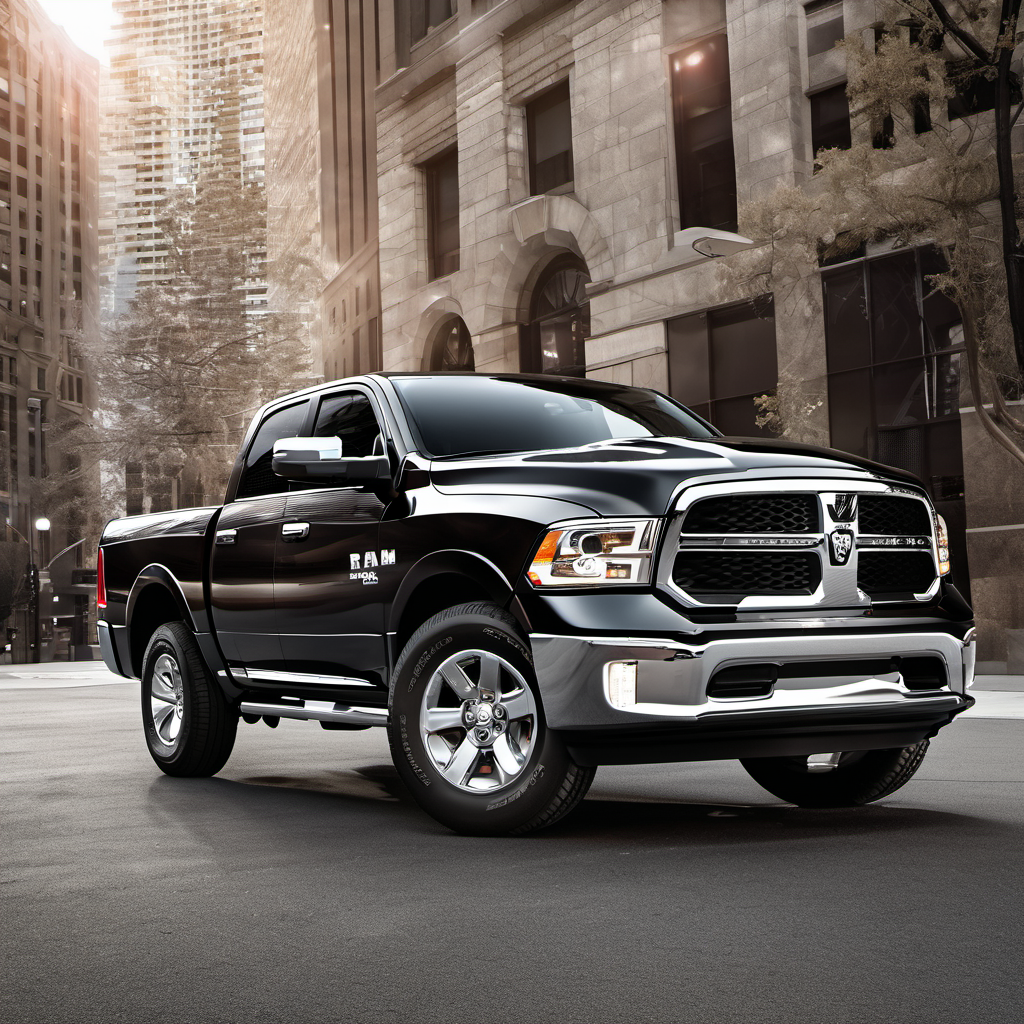
Best-in-class ride quality thanks to its coil-rear suspension, more refined interior, and competitive V8. Less proven long-term than the Tundra but a strong used value proposition with similar capability.
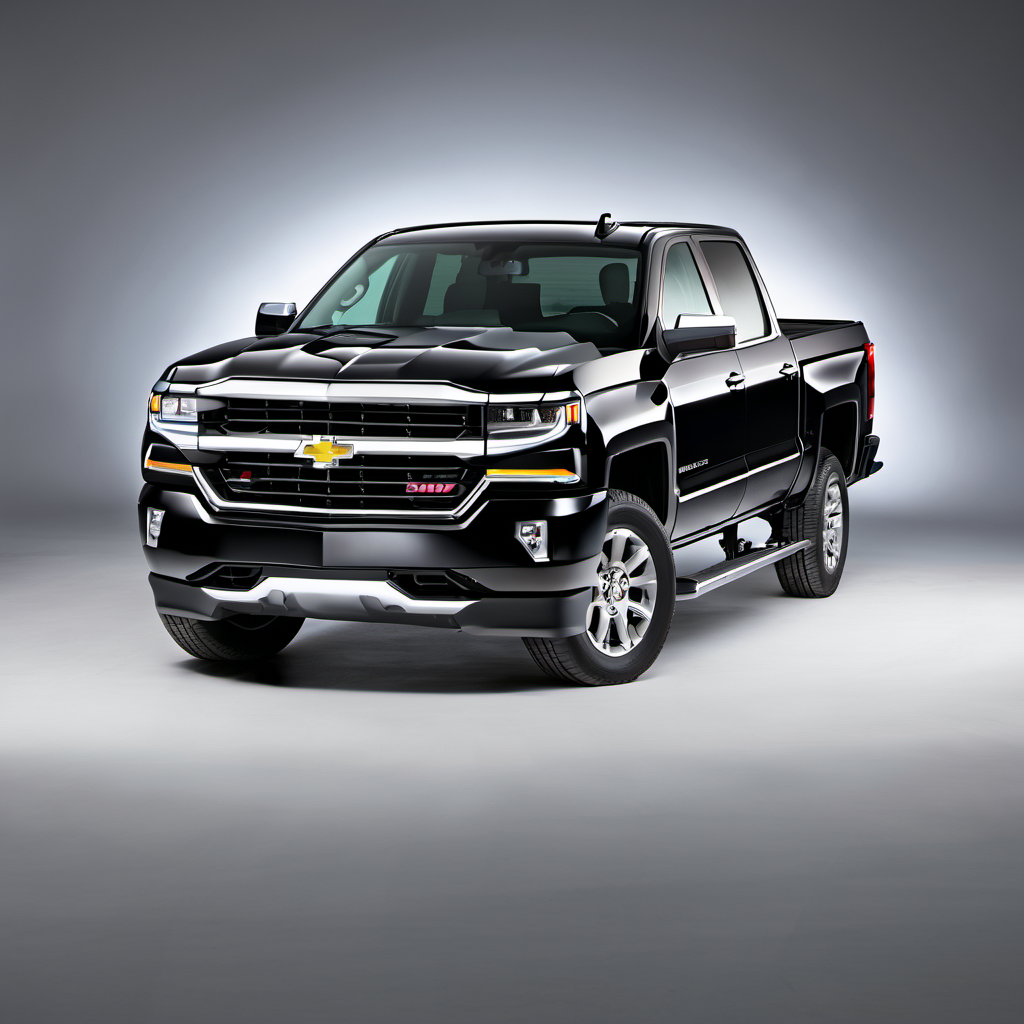
The 5.3L V8 is a proven, fuel-efficient alternative to the Tundra's 5.7L. Strong dealer and independent-shop support throughout Wisconsin. Comparable towing capacity with slightly better fuel economy.
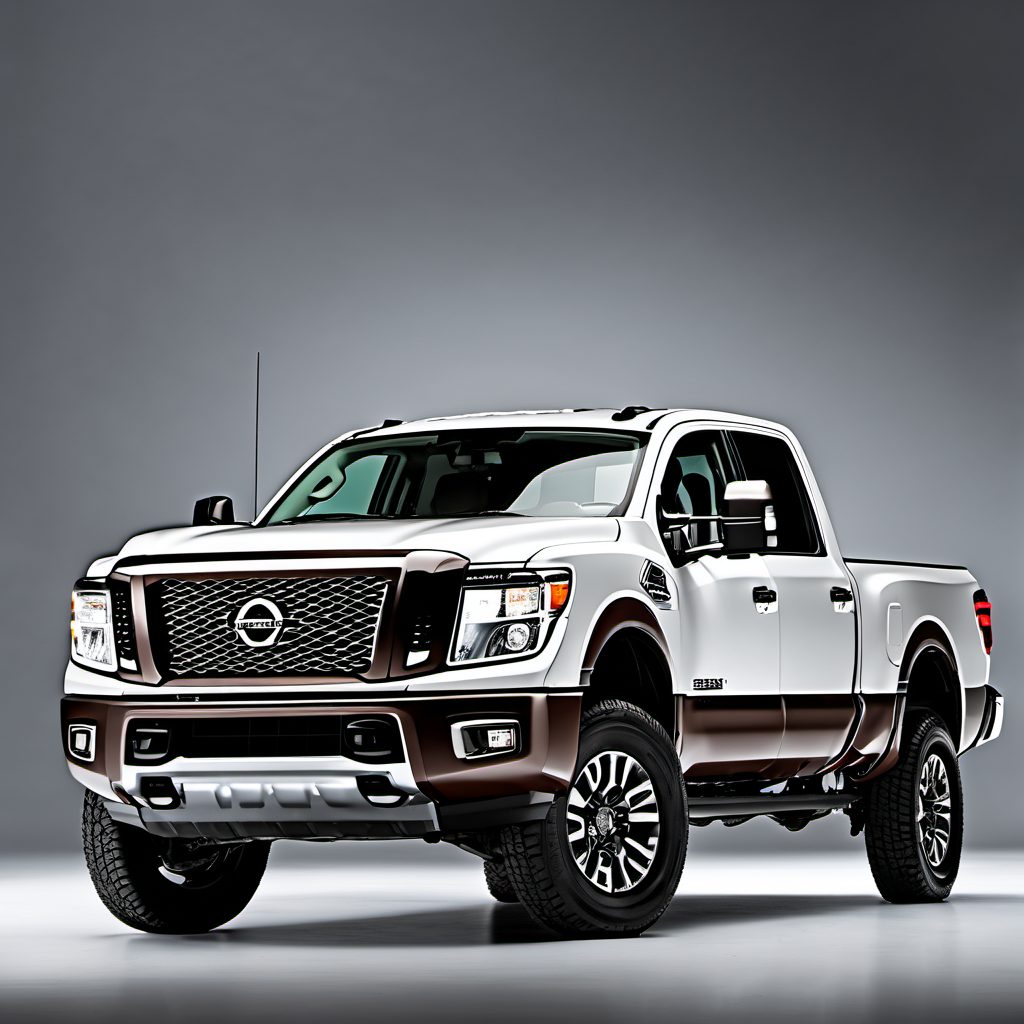
Direct Tundra competitor with a similar 'built tougher than a half-ton' philosophy. The Cummins diesel option is unique in the segment. Lower resale value than Tundra but can be a strong used buy for towing-focused buyers.