Timing Chain Stretch / VCT Phaser Wear
high- Typically appears
- 80–150k mi
- Estimated repair
- $1,200 – $3,500
2016 Ford
3.5L V6 EcoBoost
The 2016 Ford F-150 is part of the aluminum-body generation that Ford introduced with the 2015 redesign — a bold move that shed up to 700 lbs compared to its steel predecessor and significantly improved fuel economy and payload efficiency. The 3.5L EcoBoost twin-turbo V6 is the top-selling powertrain in this generation, delivering V8-level torque (470 lb-ft) while returning better fuel economy than most naturally aspirated V8 competitors. By 2016, Ford had ironed out most of the early 2015 teething issues, making this a more refined and better-sorted truck. It was available in a wide range of configurations — Regular, SuperCab, and SuperCrew — covering everything from bare-bones work trucks to fully loaded luxury haulers. Max tow rating with the 3.5 EcoBoost is 12,200 lbs, making it genuinely competitive with heavy-duty trucks for most recreational towing needs. The aluminum body does require some awareness: it resists rust but is more expensive to repair after collisions, and it behaves differently under Wisconsin road-salt exposure than traditional steel bodies. Overall, the 2016 F-150 EcoBoost is a capable, well-equipped truck with a strong ownership record when maintained properly.
The 2016 Ford F-150 is part of the aluminum-body generation that Ford introduced with the 2015 redesign — a bold move that shed up to 700 lbs compared to its steel predecessor and significantly improved fuel economy and payload efficiency. The 3.5L EcoBoost twin-turbo V6 is the top-selling powertrain in this generation, delivering V8-level torque (470 lb-ft) while returning better fuel economy than most naturally aspirated V8 competitors. By 2016, Ford had ironed out most of the early 2015 teething issues, making this a more refined and better-sorted truck. It was available in a wide range of configurations — Regular, SuperCab, and SuperCrew — covering everything from bare-bones work trucks to fully loaded luxury haulers. Max tow rating with the 3.5 EcoBoost is 12,200 lbs, making it genuinely competitive with heavy-duty trucks for most recreational towing needs. The aluminum body does require some awareness: it resists rust but is more expensive to repair after collisions, and it behaves differently under Wisconsin road-salt exposure than traditional steel bodies. Overall, the 2016 F-150 EcoBoost is a capable, well-equipped truck with a strong ownership record when maintained properly.
The 3.5 EcoBoost's variable cam timing phasers are oil-pressure-fed. Dirty or low oil is the #1 cause of premature phaser and chain failure.
Turbocharged engines are sensitive to air restriction; a clogged filter reduces boost efficiency and increases wear.
EcoBoost engines run hot under boost; worn plugs cause misfires and can damage turbos and ignition coils.
Direct injection doesn't wash intake valves with fuel, allowing oil vapor to bake onto valve stems. Heavy buildup causes rough idle, hesitation, and lost power.
Ford markets the fluid as 'lifetime,' but real-world towing in Wisconsin heat degrades fluid faster. Fresh fluid protects clutch packs.
Turbo coolant lines and the crossover pipe are vulnerable to corrosion; maintaining coolant pH protects aluminum components.
Wisconsin winter use — especially deep snow and slush — works the transfer case hard. Contaminated fluid shortens component life significantly.
The F-150's high electrical load (SYNC, heated seats, towing electronics) combined with Wisconsin sub-zero temps can kill a marginal battery overnight. Test before it fails.
Always defer to the manufacturer's service manual for warranty-mandated intervals.
The 3.5 EcoBoost is not a cheap truck to own at higher mileages — timing chain and phaser service can run $1,200–$3,500 when it comes due. Day-to-day costs are reasonable, but budget for that eventual repair. Aluminum body collision repair runs 20–30% more than comparable steel trucks. Fuel costs are competitive with V8 alternatives under normal driving, but towing erases the efficiency advantage quickly.
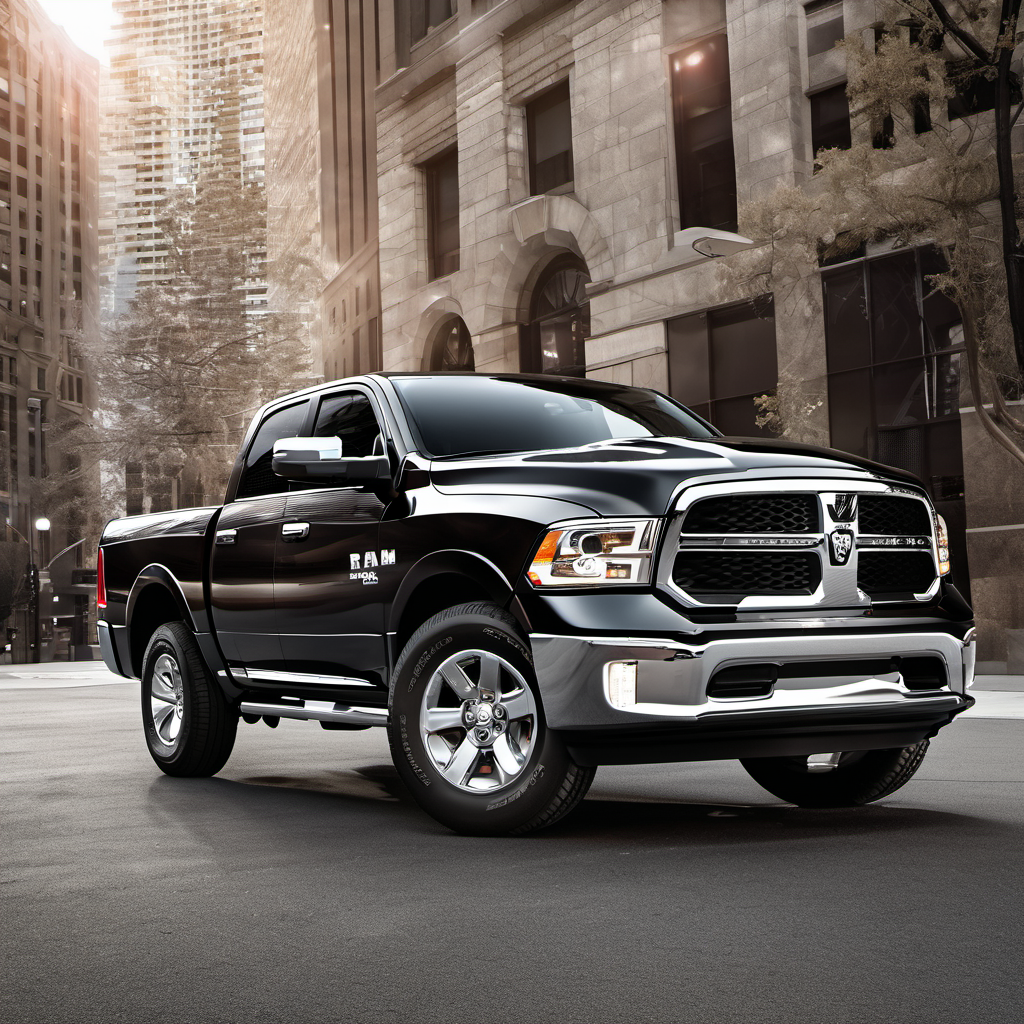
Direct full-size half-ton competitor with a strong V8 and coil-spring rear suspension for a noticeably smoother ride. Less max tow capacity than the EcoBoost F-150 but arguably more comfortable on long hauls.
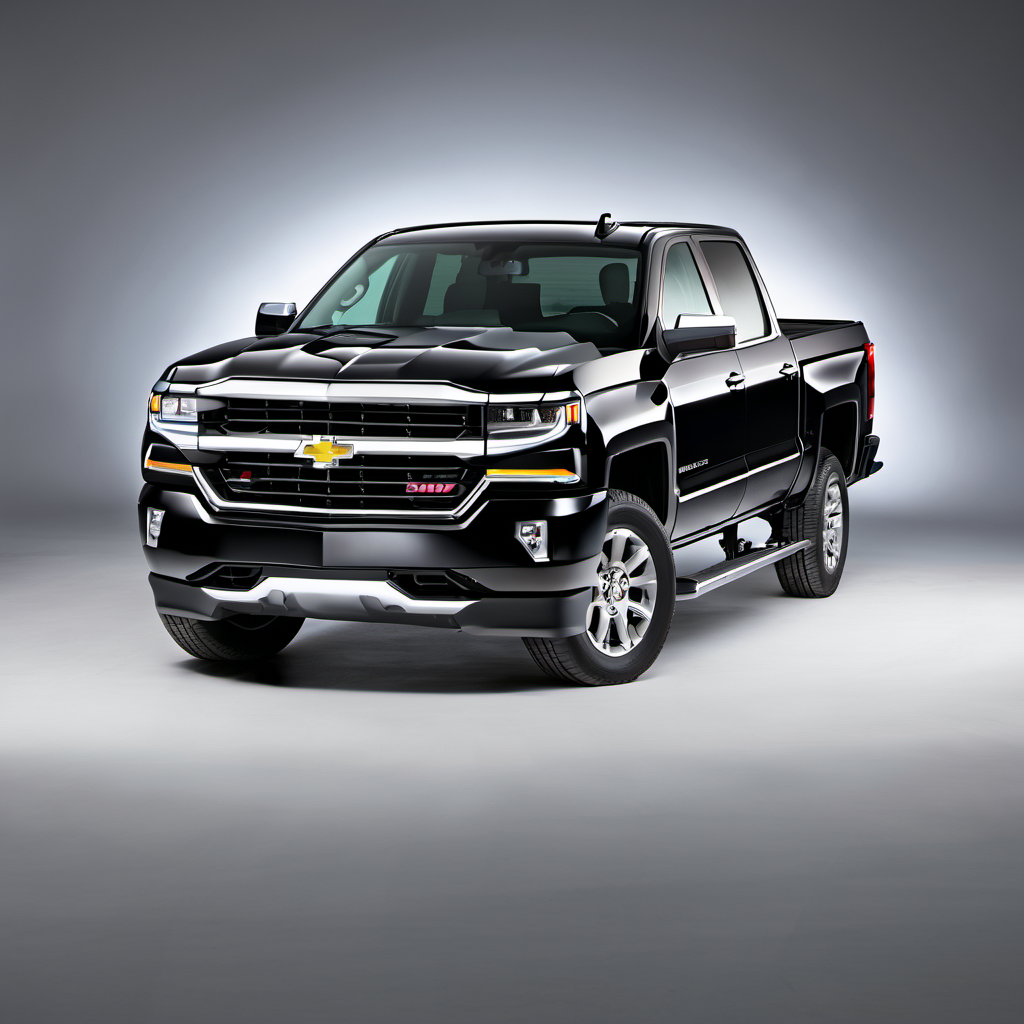
Well-rounded competitor with a proven 5.3L V8 and excellent long-term reliability reputation. Simpler steel body means cheaper repair costs but more susceptibility to rust in Wisconsin.
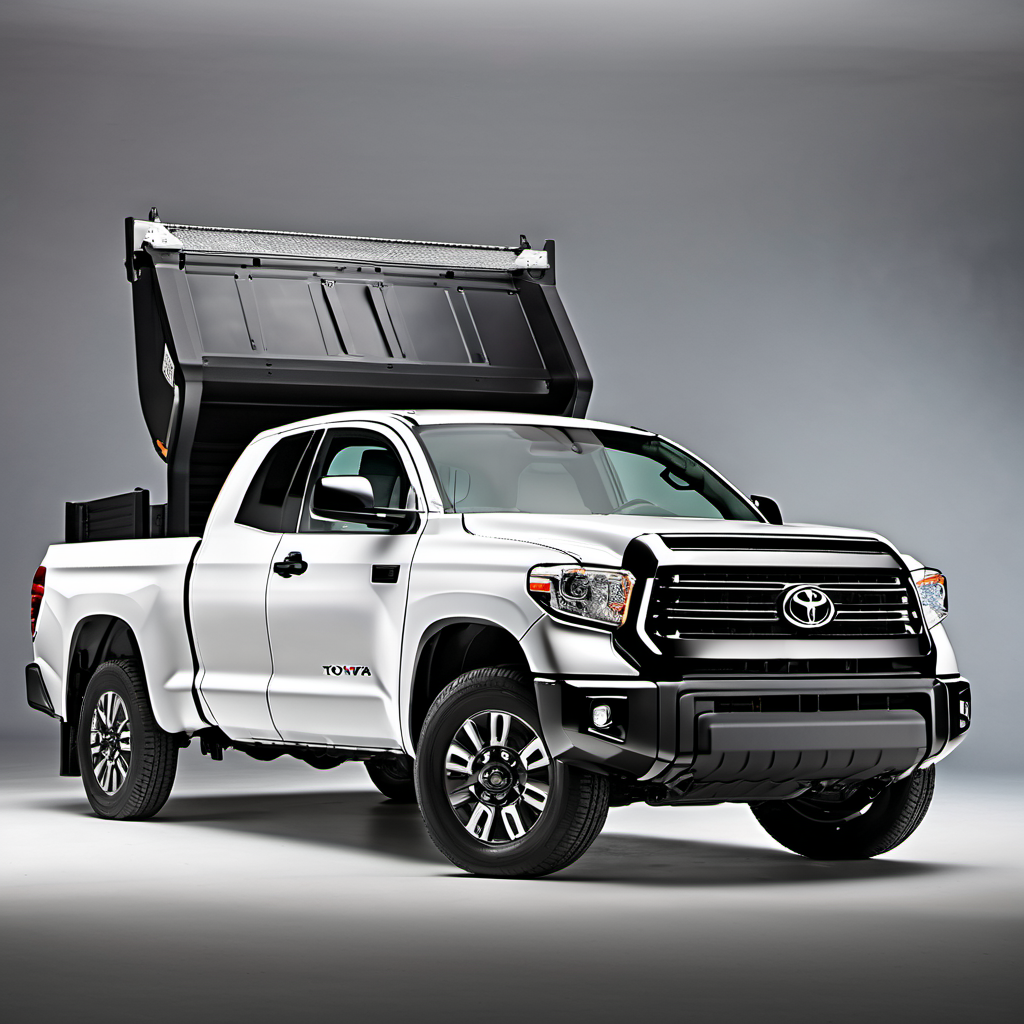
Lower max tow rating and older platform, but the 5.7L V8 Tundra has one of the strongest long-term reliability reputations in the full-size truck segment. Worth considering for buyers who prioritize longevity over capability.
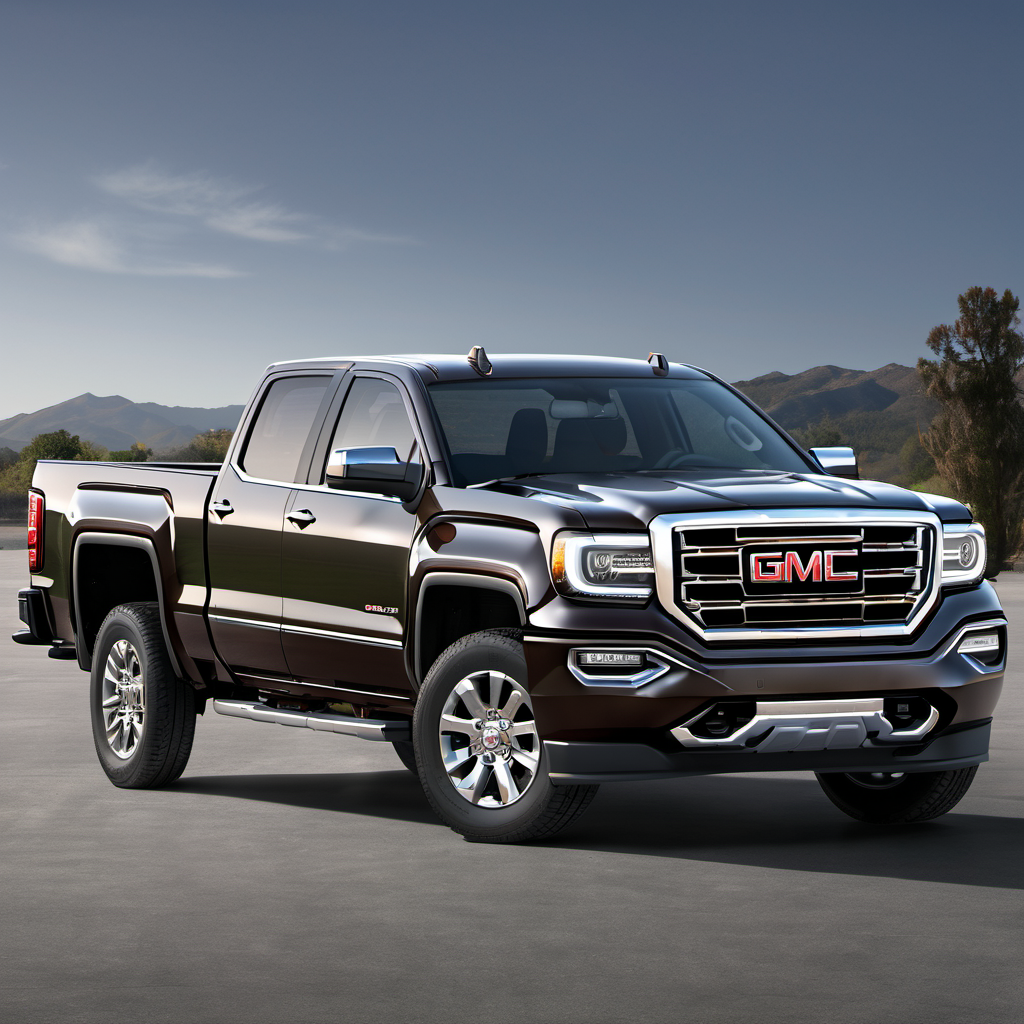
Mechanically identical to the Silverado 1500 but typically priced slightly higher for the premium trim positioning. Strong dealer network and similar ownership costs to the Chevy.