VVT / Oil Control Valve Sludge (Camshaft Timing Faults)
high- Typically appears
- 60–120k mi
- Estimated repair
- $200 – $900
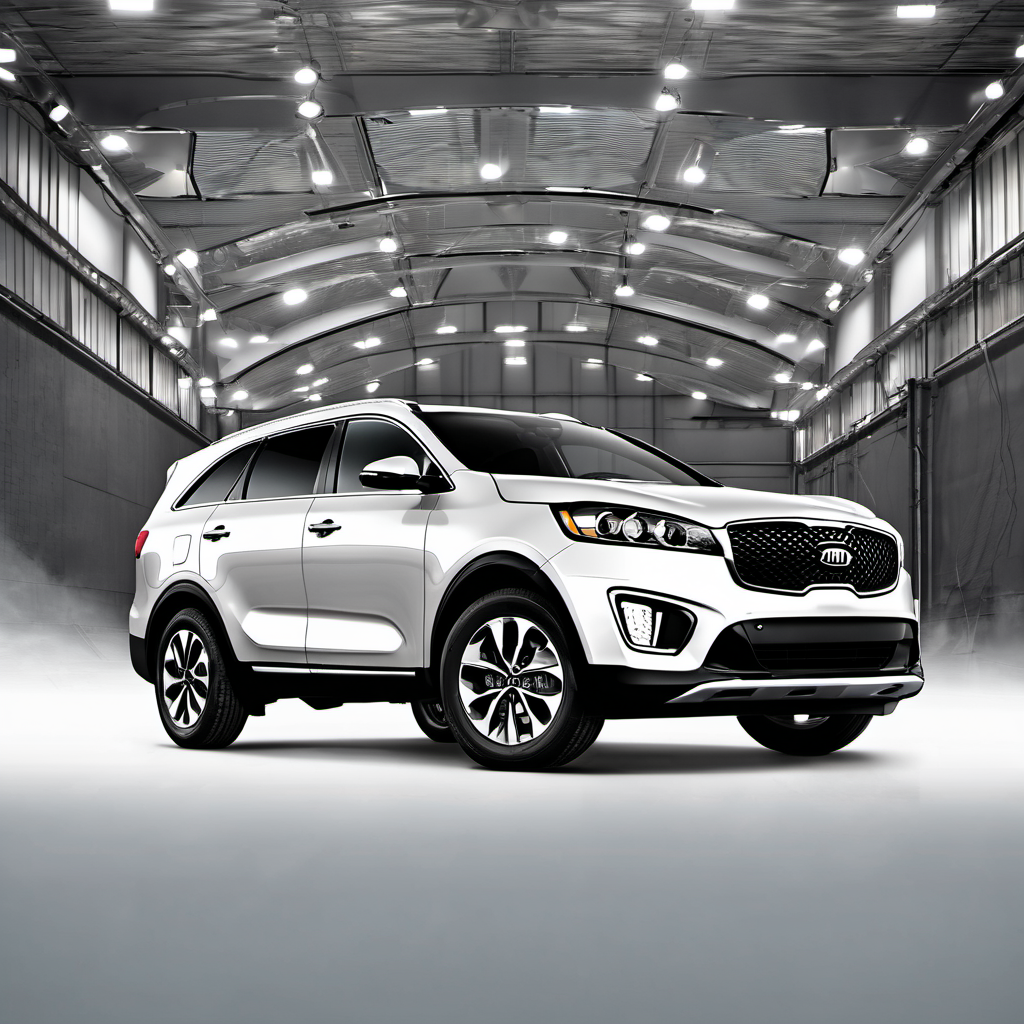
2016 Kia
3.3L V6 · SUV
The 2016 Kia Sorento is a mid-size crossover SUV in its third generation, sharing its platform with the Hyundai Santa Fe Sport. It was a significant step up for Kia in terms of refinement, interior quality, and feature content. Available with a 2.4L four-cylinder, a turbocharged 2.0L four-cylinder, or a 3.3L V6, it covers a wide range of buyers from the fuel-conscious to those needing more towing muscle. The Sorento seats five in standard trim or up to seven with the optional third row — though the third row is best suited for children. It competes directly with the Toyota RAV4, Honda CR-V, and Ford Escape in price, but its roomier dimensions and available V6 push it into near-midsize Santa Fe territory. Kia's 10-year/100,000-mile powertrain warranty (original owner) was a major selling point and reflects the confidence Kia had in this generation. For buyers in the Lake Geneva area, the available AWD system is a genuine asset through Wisconsin winters. The Sorento's ride quality is comfortable, the interior holds up well, and ownership costs are reasonable — though VVT system care and oil change discipline are critical on these engines.
The 2016 Kia Sorento is a mid-size crossover SUV in its third generation, sharing its platform with the Hyundai Santa Fe Sport. It was a significant step up for Kia in terms of refinement, interior quality, and feature content. Available with a 2.4L four-cylinder, a turbocharged 2.0L four-cylinder, or a 3.3L V6, it covers a wide range of buyers from the fuel-conscious to those needing more towing muscle. The Sorento seats five in standard trim or up to seven with the optional third row — though the third row is best suited for children. It competes directly with the Toyota RAV4, Honda CR-V, and Ford Escape in price, but its roomier dimensions and available V6 push it into near-midsize Santa Fe territory. Kia's 10-year/100,000-mile powertrain warranty (original owner) was a major selling point and reflects the confidence Kia had in this generation. For buyers in the Lake Geneva area, the available AWD system is a genuine asset through Wisconsin winters. The Sorento's ride quality is comfortable, the interior holds up well, and ownership costs are reasonable — though VVT system care and oil change discipline are critical on these engines.
Oil sludge is the #1 killer on these engines. The VVT oil control valves clog with dirty oil, triggering expensive camshaft timing faults and, in severe cases, bearing damage. Use full synthetic 5W-20 or 5W-30 per the cap.
Kia lists this as 'lifetime' fluid in many markets, but upper Midwest driving cycles (cold starts, stop-and-go) accelerate fluid degradation. Fresh fluid keeps the 6-speed shifting cleanly and protects clutch packs.
Factory iridium plugs are durable, but worn plugs on the V6 cause rough idle and misfires that can be misread as more serious problems. Replace on schedule.
Wisconsin's dusty summer roads and leaf debris in fall clog filters faster than the factory interval assumes. A clogged filter hurts VVT response on the four-cylinders.
Brake fluid is hygroscopic and absorbs moisture. In Wisconsin's freeze-thaw cycles, water-saturated fluid can cause ABS actuator corrosion and soft pedal feel in cold weather.
Kia's HOAT coolant has a long life, but degraded coolant in sub-zero temperatures loses freeze protection and can cause water pump and thermostat issues.
Lake Geneva roads are heavily salted. Brake lines, fuel lines, and AWD rear differential vents are corrosion targets. Catching rust early is cheap; replacing a failed brake line is not.
A clogged cabin filter reduces heater and defroster airflow — a real safety issue when you need your windshield cleared fast in a Wisconsin winter.
Always defer to the manufacturer's service manual for warranty-mandated intervals.
The Sorento is a mid-pack ownership cost vehicle. Routine maintenance is affordable, parts are widely available, and independent shops can service everything on it. The big wildcard is oil change compliance — skip services and a $50 oil change becomes a $3,000–$6,000 engine job. Keep fluids fresh and this crossover is genuinely economical to own through 150k+ miles.

Shares the same platform and most powertrains with the Sorento. Nearly identical ownership costs and reliability profile. Choose between them based on styling preference and available deals.
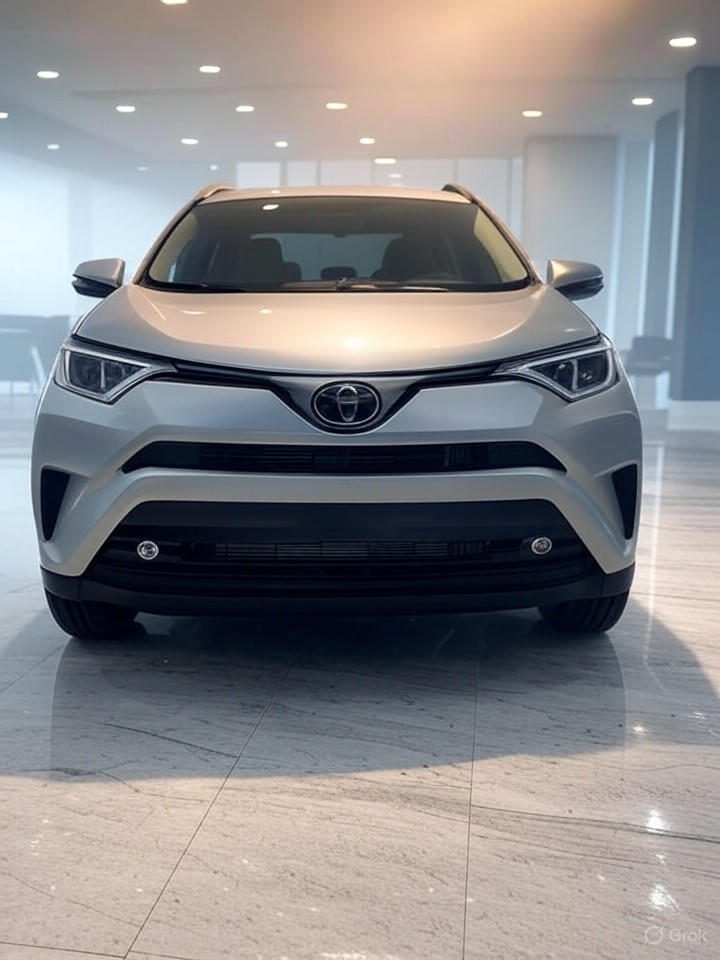
Slightly smaller and less powerful but Toyota's reliability reputation is stronger. Better resale value; lower ceiling on repair costs at high mileage. Good AWD system for Wisconsin.
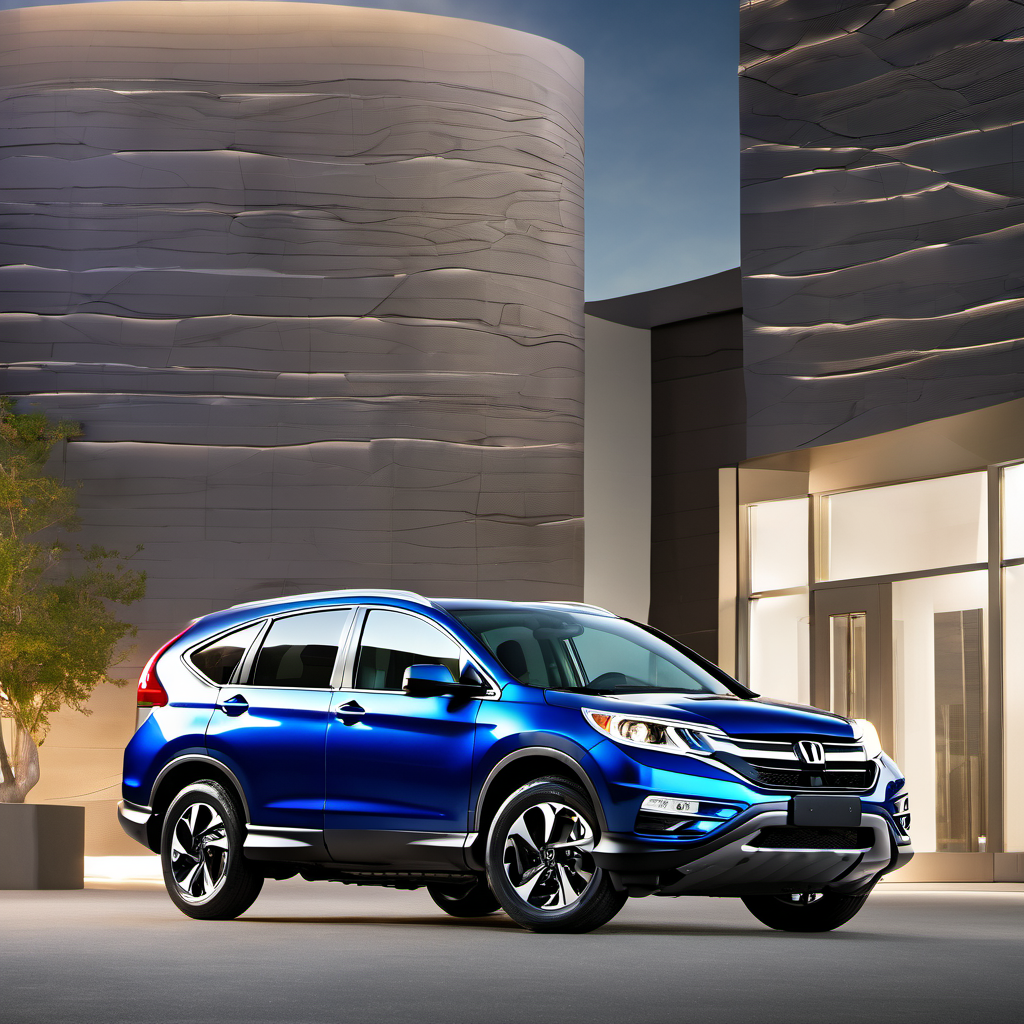
More fuel-efficient, excellent long-term reliability, and lower ownership costs. Smaller interior than the Sorento but a better choice if cargo and mpg matter more than V6 power.

Similar price range and available AWD. The Edge offers more interior room and a turbocharged engine option. Less proven long-term than Toyota/Honda but competitive with the Sorento on features.