2015 Ford Edge SUV

2015 Ford

EdgeSUV

2.0L I4 EcoBoost Turbocharged · SUV

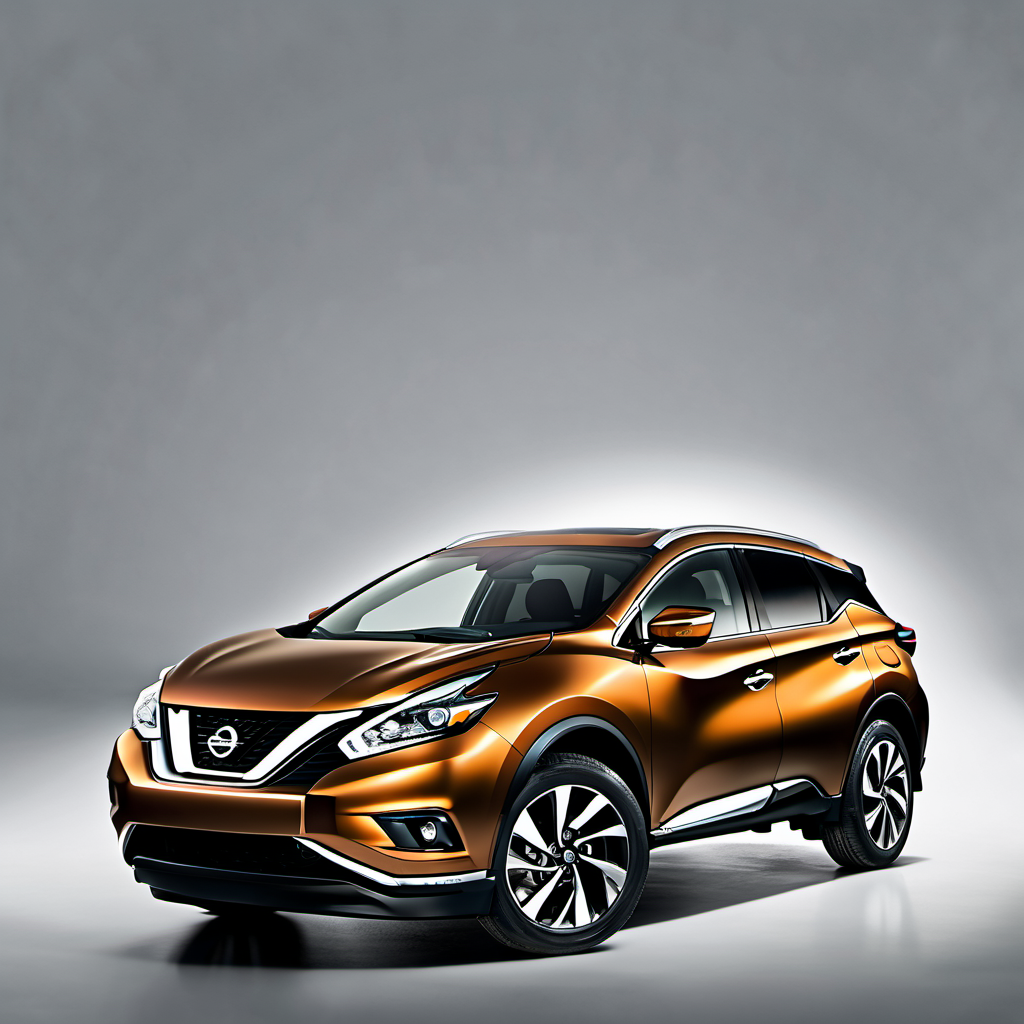
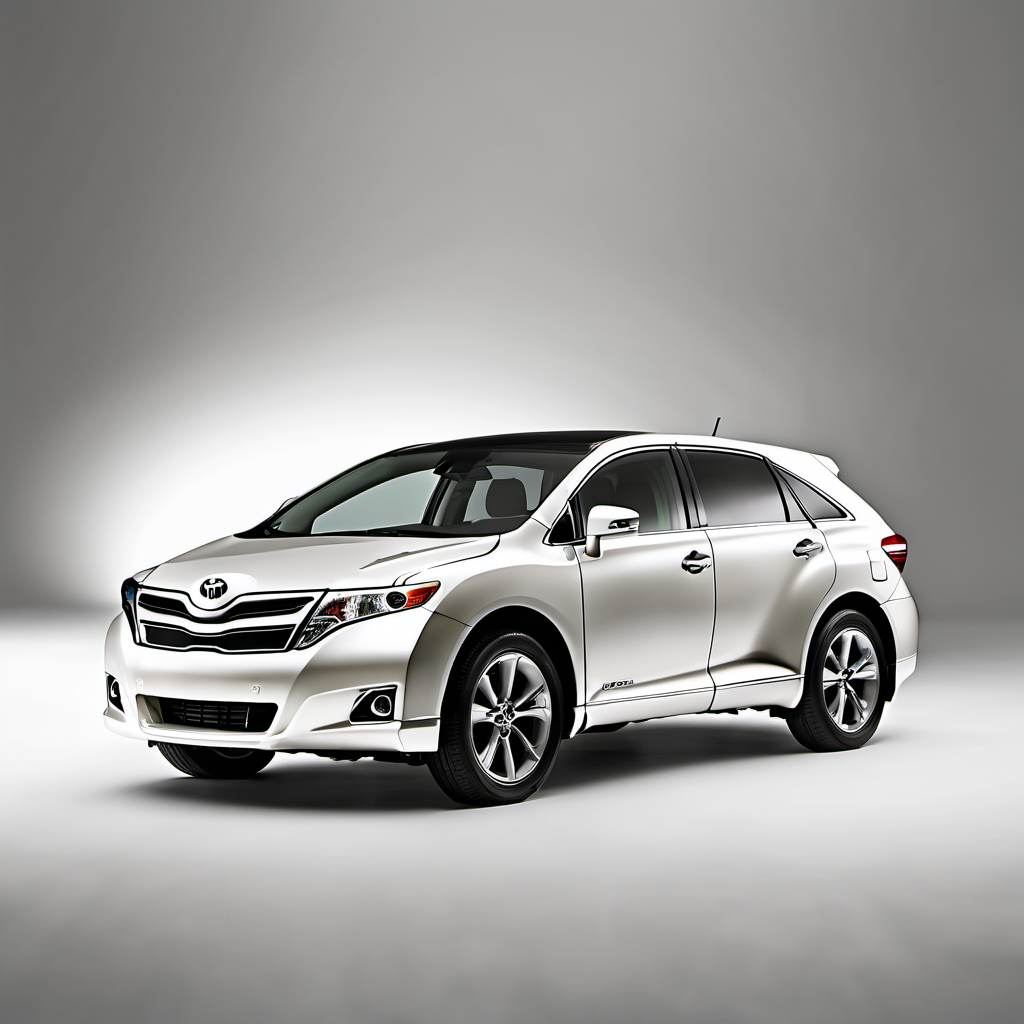
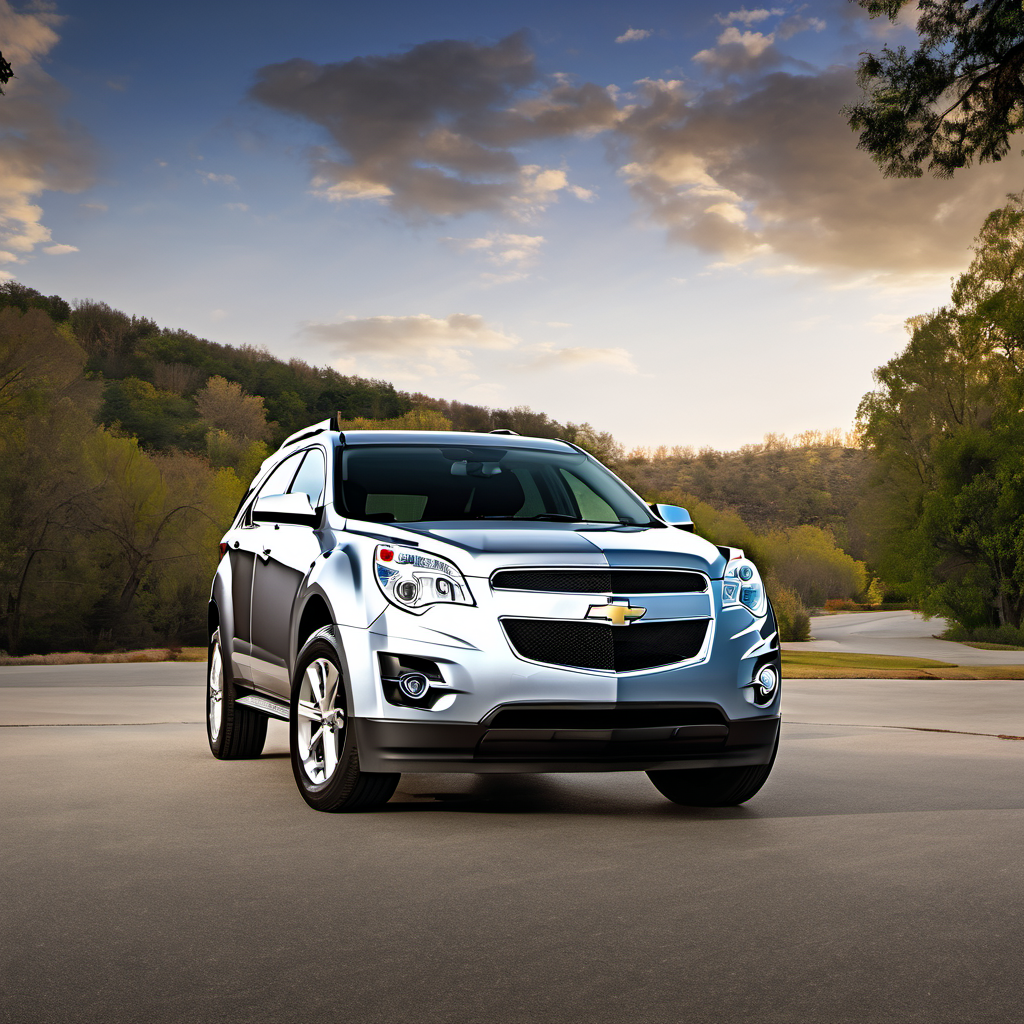
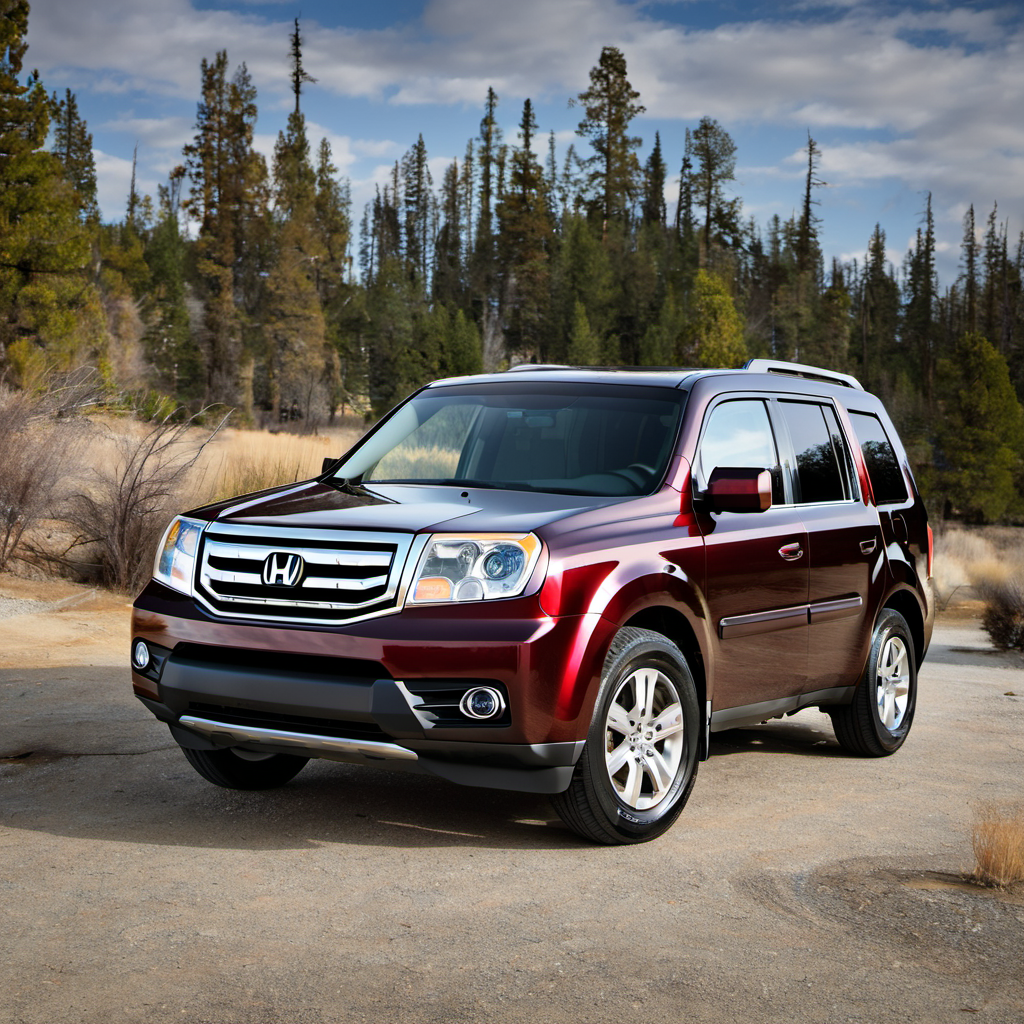
The 2015 Ford Edge is the first year of the second-generation redesign, bringing a sharper exterior, a quieter cabin, and significantly updated powertrain and technology options. It slots as Ford's mid-size two-row crossover, competing directly with the Honda Pilot, Toyota Highlander (two-row trims), and Nissan Murano. Buyers get three engine choices — a 2.0L EcoBoost four-cylinder, a 2.7L twin-turbo V6 (Sport trim), and a 3.5L naturally aspirated V6 — plus available AWD, making it versatile for Wisconsin weather. The 2015 redesign brought meaningful improvements in ride quality, cargo room, and SYNC 3 connectivity over the first-gen. The base 2.0L EcoBoost is the most popular choice and provides adequate power with reasonable fuel economy, though it demands attentive oil-change habits to protect the turbocharged engine. The 2.7L EcoBoost Sport is genuinely quick for a crossover but comes with higher fuel and maintenance costs. As a used buy, the 2015 Edge is generally solid, but being the first model year of a redesign means early production quality hiccups are possible. VVT (variable valve timing) system issues and transmission concerns are the most commonly cited problems from owners in this generation. Overall it's a comfortable family hauler with a good safety rating and plenty of features for the price.

Reliability
3/5
Verified data
Specs shown for Edge FWD — the most common configuration. Other trims may vary in engine, drivetrain, or fuel economy. Sign in to see your vehicle's exact specs.
Engine
[object Object]
Drivetrain
FWD
Fuel
Gasoline
MPG
21 city / 30 hwy / 24 combined
Seats
5
Doors
4
Body
SUV
MSRP
$28,950

Overview

AI-curated

The 2015 Ford Edge is the first year of the second-generation redesign, bringing a sharper exterior, a quieter cabin, and significantly updated powertrain and technology options. It slots as Ford's mid-size two-row crossover, competing directly with the Honda Pilot, Toyota Highlander (two-row trims), and Nissan Murano. Buyers get three engine choices — a 2.0L EcoBoost four-cylinder, a 2.7L twin-turbo V6 (Sport trim), and a 3.5L naturally aspirated V6 — plus available AWD, making it versatile for Wisconsin weather. The 2015 redesign brought meaningful improvements in ride quality, cargo room, and SYNC 3 connectivity over the first-gen. The base 2.0L EcoBoost is the most popular choice and provides adequate power with reasonable fuel economy, though it demands attentive oil-change habits to protect the turbocharged engine. The 2.7L EcoBoost Sport is genuinely quick for a crossover but comes with higher fuel and maintenance costs. As a used buy, the 2015 Edge is generally solid, but being the first model year of a redesign means early production quality hiccups are possible. VVT (variable valve timing) system issues and transmission concerns are the most commonly cited problems from owners in this generation. Overall it's a comfortable family hauler with a good safety rating and plenty of features for the price.

Known for
  • Comfortable, well-insulated cabin for the class
  • Available twin-turbo 2.7L EcoBoost with strong performance
  • Good IIHS safety scores on the second-gen platform
  • Practical cargo space and easy rear entry
Best for
  • Families needing a roomy two-row crossover
  • Daily commuters who want AWD capability without a truck-based SUV
  • Buyers wanting a feature-rich mid-size at a reasonable used price
  • Wisconsin drivers who want AWD traction without sacrificing fuel economy
Watch for
  • VVT solenoid and phaser issues on the 2.0L EcoBoost at higher mileage
  • SYNC/MyFord Touch infotainment glitches on early 2015 builds
  • Transmission shudder or harsh shifts reported on some 6F35 units
  • Panoramic sunroof drain clogs leading to interior water leaks

Common issues by mileage

6 known

Camshaft Phaser Wear (sludge-related)

medium
Typically appears
80,000–150,000 mi
Estimated repair
$600 – $1,800

Transmission Shudder / Harsh Shift (6F35)

medium
Typically appears
50,000–100,000 mi
Estimated repair
$150 – $800

Panoramic Sunroof Drain Clog / Water Intrusion

medium
Typically appears
30,000–80,000 mi
Estimated repair
$100 – $400

SYNC / MyFord Touch Module Freeze or Reboot Loop

high
Typically appears
Any mileage
Estimated repair
$0 – $500

O2 Sensor Heater Circuit Fault

low
Typically appears
70,000–120,000 mi
Estimated repair
$150 – $350

Maintenance schedule

  1. 1
    Every 5,000–7,500 miles or 6 months, whichever comes first Engine oil & filter change (full synthetic 5W-30)

    The 2.0L EcoBoost's VVT phasers and solenoids are oil-pressure operated. Dirty or low oil is the #1 cause of P0012/P0015-type codes and premature phaser wear. Do not stretch to Ford's Intelligent Oil Life Monitor maximum on a used engine — err conservative.

  2. 2
    Every 60,000 miles Transmission fluid change (Mercon LV)

    Ford does not list a service interval for 'normal' use, but the 6F35 is prone to shudder when fluid degrades. Independent shops in the upper Midwest see far fewer shudder complaints on vehicles with fresh fluid. Use only Mercon LV — other fluids cause slip.

  3. 3
    Every 60,000 miles Spark plug replacement

    The 2.0L EcoBoost runs at higher cylinder pressure; worn plugs cause misfires and increased turbo heat soak, shortening coil life.

  4. 4
    Every 20,000–30,000 miles or annually Engine air filter

    A clogged filter forces the turbo to work harder, reducing efficiency and increasing intake temperatures.

  5. 5
    Every 15,000–20,000 miles or annually before winter Cabin air filter

    Keeps the blower motor free of debris and ensures adequate defrost airflow during Wisconsin winters.

  6. 6
    Every 2 years regardless of mileage Brake fluid flush

    Brake fluid absorbs moisture over time; in sub-zero temperatures, absorbed water can cause ABS/brake performance issues.

  7. 7
    Every spring and fall Sunroof drain channel cleaning (if equipped)

    Debris from trees and road grime clogs the four corner drain tubes. A clogged drain in a Wisconsin freeze-thaw cycle leads to water inside the headliner and A-pillar — a costly fix if ignored.

  8. 8
    Every fall before winter season Battery load test

    The Edge's stop/start system and heavy electronics place high demand on the battery. A battery that tests marginal in October will likely fail in January. Replace proactively if the battery is 4+ years old.

Always defer to the manufacturer's service manual for warranty-mandated intervals.

Cost of ownership

Annual maintenance
$600 – $1,100
Fuel
At 24 MPG combined and ~15,000 miles/year, expect roughly $1,500–$1,900/year at current Wisconsin gas prices. The 2.7L EcoBoost Sport costs $300–$500 more annually.
Insurance
Typically $1,000–$1,500/year for full coverage in the Lake Geneva area for a driver with a clean record, depending on trim and AWD configuration.

The 2015 Edge sits in the affordable-to-run segment of mid-size crossovers. Routine maintenance costs are modest when kept current. The biggest financial risk is deferred oil changes leading to VVT system repairs ($600–$1,800) or a neglected transmission fluid service snowballing into a rebuild. Avoid the temptation to skip services on a 'used car with some miles' — this engine punishes neglect.
Seasonal care

Lake Geneva, WI
Winter
  • Switch to full synthetic 5W-30 if not already — it flows faster at sub-zero temps and gets oil pressure to VVT solenoids quicker on cold starts, protecting the most failure-prone components on this engine.
  • Load-test the battery every October. The Edge's electronics and optional heated features draw heavily; a weak battery won't survive a Lake Geneva January.
  • Install dedicated winter wiper blades and fill the washer reservoir with fluid rated to at least -20°F — standard fluid freezes in the nozzle and on the windshield at Wisconsin temps.
  • Inspect and clean wheel well liners and undercarriage each spring. Road salt from Highway 50 and lakefront roads accelerates rust on brake lines, subframe, and exhaust hangers.
  • Check tire pressure weekly in winter — tires lose roughly 1 PSI for every 10°F drop. The Edge's TPMS will alert at a significant loss, but staying proactive prevents handling issues.
  • If equipped with AWD, have the rear drive unit fluid inspected — cold, degraded fluid in the PTU (power transfer unit) is a known weak point on Ford AWD crossovers of this era.
Summer
  • Check tire pressure after the first hot weeks — pressure rises in heat and over-inflation causes uneven wear and reduced wet-road grip on summer pavement.
  • Run the A/C system through a full inspection in spring. The Edge's condenser sits low and is vulnerable to road debris; a bent fin or slow refrigerant leak left over winter will result in poor cooling during July.
  • Inspect the intercooler and turbo intake piping for any cracks or loose couplers — heat cycling over winter can loosen clamps on the 2.0L EcoBoost's boost system.
  • Clean the panoramic sunroof drains before summer thunderstorm season to prevent water intrusion during heavy rain.

Comparable vehicles

If you're shopping for one

Red flags
  • Any active VVT or camshaft timing codes — treat as a potential $1,000+ repair until proven otherwise.
  • Oil that looks dark brown or sludgy on the dipstick — this engine's VVT system cannot recover from long-term oil neglect.
  • Shudder or hard shift during the test drive — walk away or negotiate a transmission fluid service and retest before committing.
  • Water stains on the headliner or musty interior smell with a sunroof — indicates a chronic drain clog and possible mold issue.
  • Missing service records entirely on a 2015 model — the maintenance history on this engine matters more than average.
What to inspect
  • Pull a live oil change history — VVT phaser wear is almost always caused by neglected oil changes and won't show up on a visual inspection until it's expensive.
  • Scan for any stored or pending VVT-related codes (P0012, P0015, P0022, P0025) before purchase. These can be present without the check engine light being on if the seller recently cleared codes.
  • Road test for transmission shudder at 40–50 MPH light throttle cruise — the most common symptom of degraded 6F35 fluid or worn torque converter clutch.
  • Test the SYNC/infotainment system fully: navigation, Bluetooth, backup camera, and voice commands. Modules on early 2015 builds can be stubborn and module replacements run $300–$500.
  • Inspect all four panoramic drain exits (in wheel wells) for blockage and check the headliner and A-pillar trim for any staining indicating past water leaks.
  • If AWD-equipped, listen for a whine from the rear of the vehicle during low-speed turns — indicates a worn PTU or rear drive unit, which can be expensive to replace.
AI profile generated 20 days ago · claude-sonnet-4-6 · v2.