1.8T TSI Timing Chain Tensioner Failure
medium- Typically appears
- 60–120k mi
- Estimated repair
- $800 – $1,800
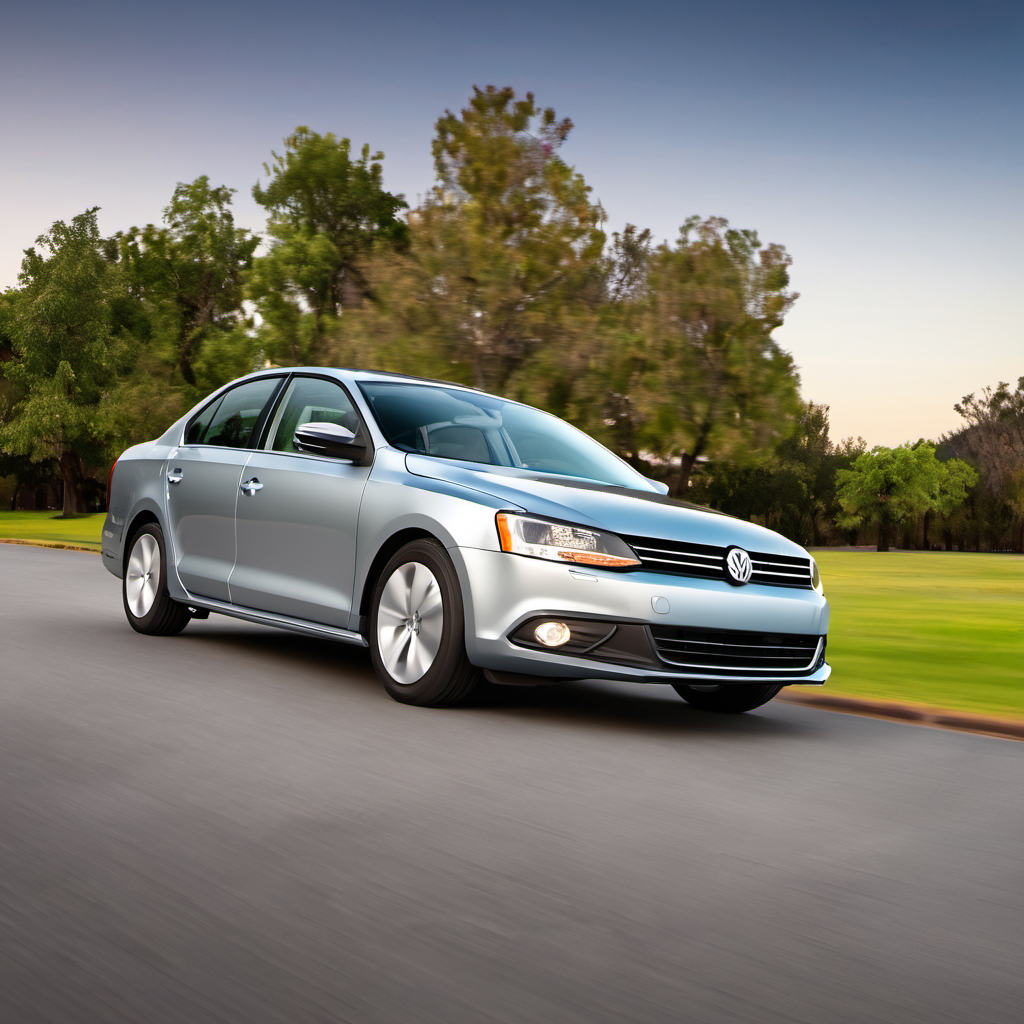
2014 Volkswagen
1.8L I4 TSI Turbocharged · Sedan
The 2014 Volkswagen Jetta Sedan is a compact car built on VW's PQ35 platform. By this model year, VW had transitioned the Jetta to a longer, more cost-conscious design aimed squarely at the value end of the compact market — think Toyota Corolla territory rather than the more premium feel of older Jettas. The base 2.0L naturally aspirated engine is simple and durable, while the 1.8T TSI turbo four is more spirited but demands more maintenance attention. The TDI diesel was also available and carried strong fuel economy, though its reputation took a hit from the emissions scandal that surfaced in 2015. Inside, the 2014 Jetta offers a roomy back seat for its class and a large trunk — two genuine selling points. Build quality is adequate but not exceptional; interior plastics are harder and less refined than earlier-generation Jettas. The driving experience is comfortable and predictable without being exciting. For a budget-conscious buyer who wants a European badge, reasonable fuel economy, and practical space, the 2014 Jetta fits the bill. Just go in with eyes open about VW-specific maintenance costs and the DSG dual-clutch transmission's service requirements.
The 2014 Volkswagen Jetta Sedan is a compact car built on VW's PQ35 platform. By this model year, VW had transitioned the Jetta to a longer, more cost-conscious design aimed squarely at the value end of the compact market — think Toyota Corolla territory rather than the more premium feel of older Jettas. The base 2.0L naturally aspirated engine is simple and durable, while the 1.8T TSI turbo four is more spirited but demands more maintenance attention. The TDI diesel was also available and carried strong fuel economy, though its reputation took a hit from the emissions scandal that surfaced in 2015. Inside, the 2014 Jetta offers a roomy back seat for its class and a large trunk — two genuine selling points. Build quality is adequate but not exceptional; interior plastics are harder and less refined than earlier-generation Jettas. The driving experience is comfortable and predictable without being exciting. For a budget-conscious buyer who wants a European badge, reasonable fuel economy, and practical space, the 2014 Jetta fits the bill. Just go in with eyes open about VW-specific maintenance costs and the DSG dual-clutch transmission's service requirements.
The 1.8T TSI timing chain tensioner and VVT solenoids are highly sensitive to oil quality and change intervals. Using the correct VW-spec oil is not optional — standard 5W-30 can void warranty-related protections and accelerate sludge.
VW lists this as a 'lifetime' fill, but real-world experience — especially in stop-and-go driving — shows clutch shudder and solenoid damage when fluid is never changed. A $200–$300 fluid service can prevent a $2,000+ mechatronic replacement.
Direct injection means fuel never washes the intake valves. Carbon buildup is a when, not an if, on the 1.8T. Cleaning at moderate intervals avoids the performance degradation and misfires of heavily fouled valves.
VW uses a specific OAT coolant that is not compatible with generic green antifreeze. Mixing types causes corrosion of aluminum components. Critical in Wisconsin where freeze protection must be rated to at least -34°F.
Wisconsin road grit and pollen load cabin filters quickly. A clogged filter reduces HVAC performance — a real issue when you need defrost fast in winter.
Debris and road grime accumulate in drain channels over winter. A blocked drain during spring rain events leads to interior water damage and potential ECU faults. Compressed air through the drain ports takes minutes and can save thousands.
VW factory spec calls for a 2-year brake fluid interval. Moisture-saturated fluid boils at a lower temperature and accelerates internal corrosion of calipers and ABS components — a real concern with Wisconsin's winter road chemicals.
Worn plugs on a turbocharged direct-injection engine contribute to rough idle, misfires, and carbon deposits. Staying on schedule here reduces stress on ignition coils, which are a secondary failure point.
Always defer to the manufacturer's service manual for warranty-mandated intervals.
The 2014 Jetta costs more to maintain than a comparable Honda Civic or Toyota Corolla, mostly due to VW-specific fluid requirements, DSG service sensitivity, and parts pricing. Budget for the higher end if DSG-equipped or if the car is approaching 60k+ miles and carbon cleaning or timing chain work may be due. A well-maintained example with documented service history is the only version worth buying used.
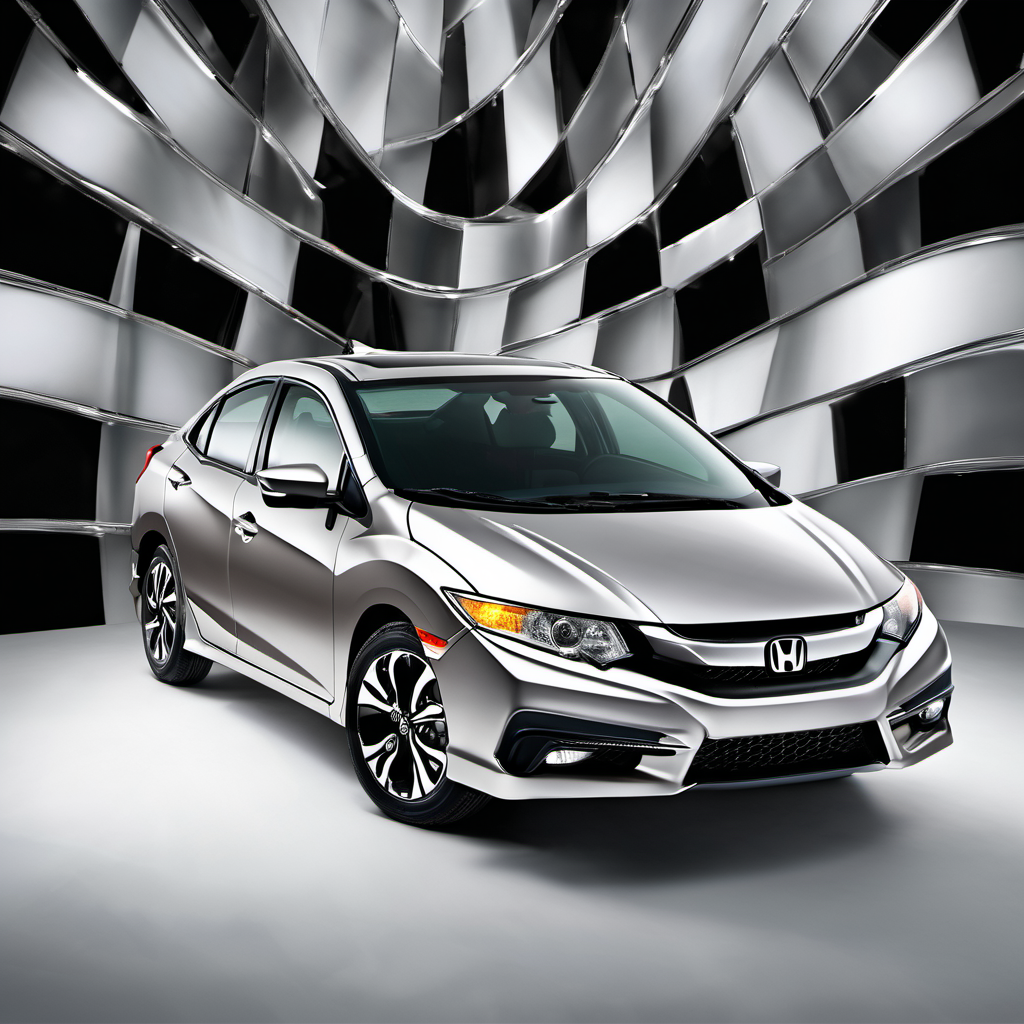
Same compact sedan segment and price range. More reliable on average with lower maintenance costs and better long-term owner satisfaction. Less rear-seat room than the Jetta but typically cheaper to own.
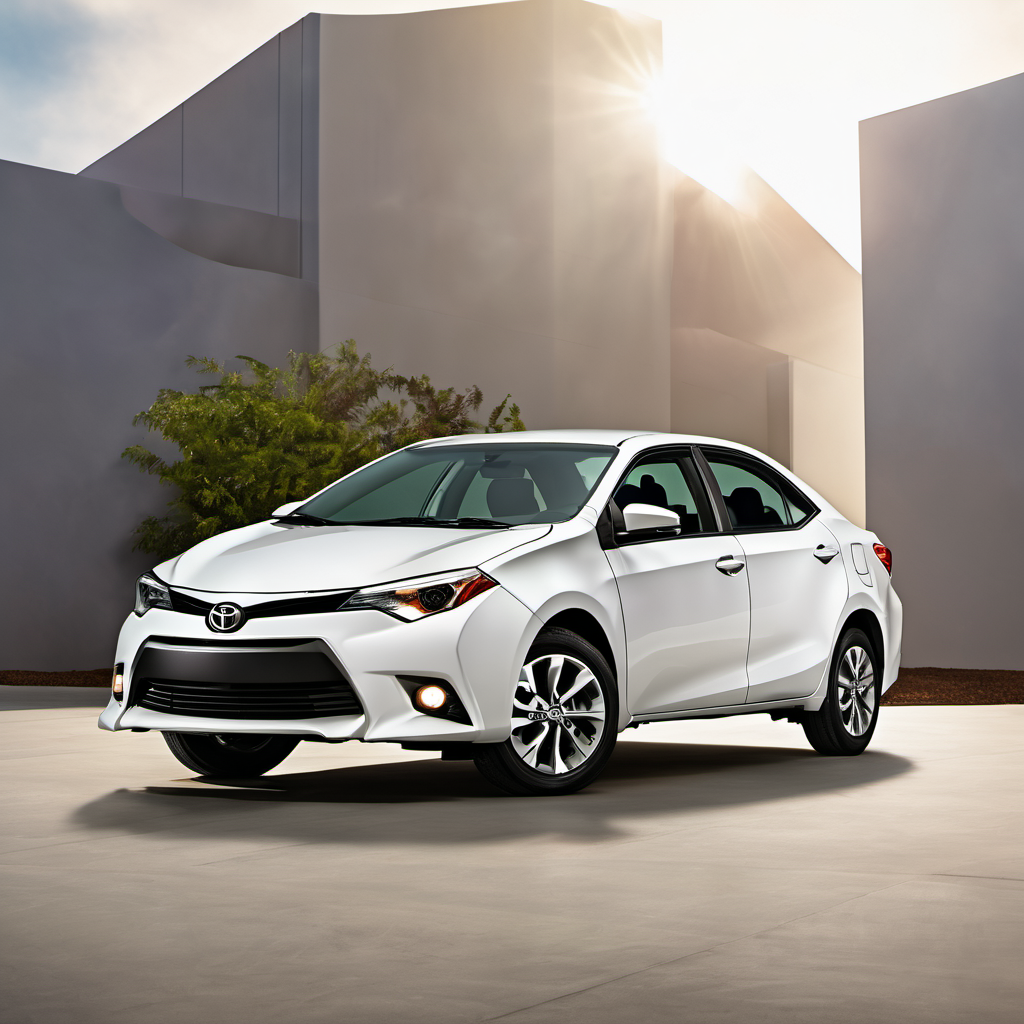
The reliability benchmark in this class. More conservative to drive but has a strong track record past 200k miles with minimal drama. Lower parts costs and easier to find mechanics who know it well.
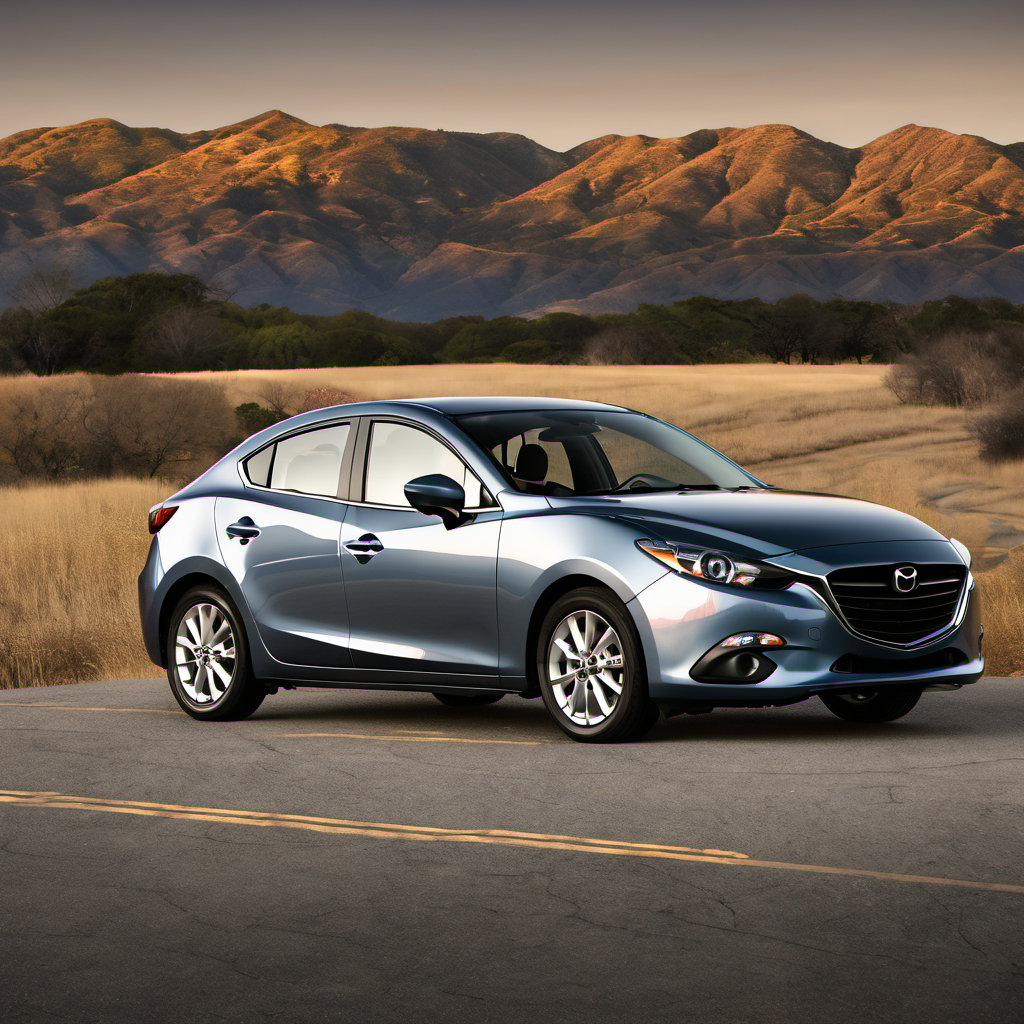
Sportier feel closer to what older-generation Jetta buyers appreciated. Better driving dynamics than the Jetta with comparable reliability. Available as sedan or hatchback.
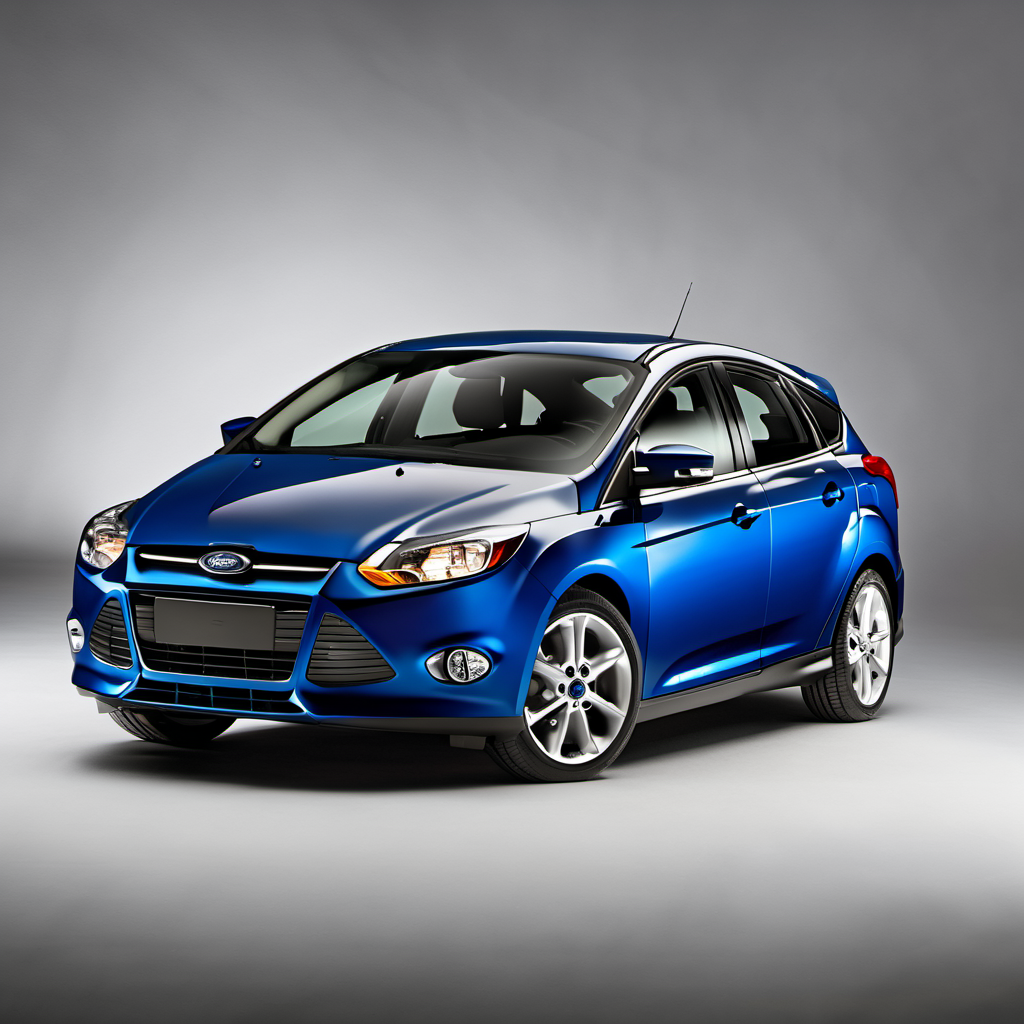
Similar price point and size. Avoid the PowerShift DCT automatic (its own shudder issues), but the Focus with a traditional automatic is a practical alternative with widely available parts.