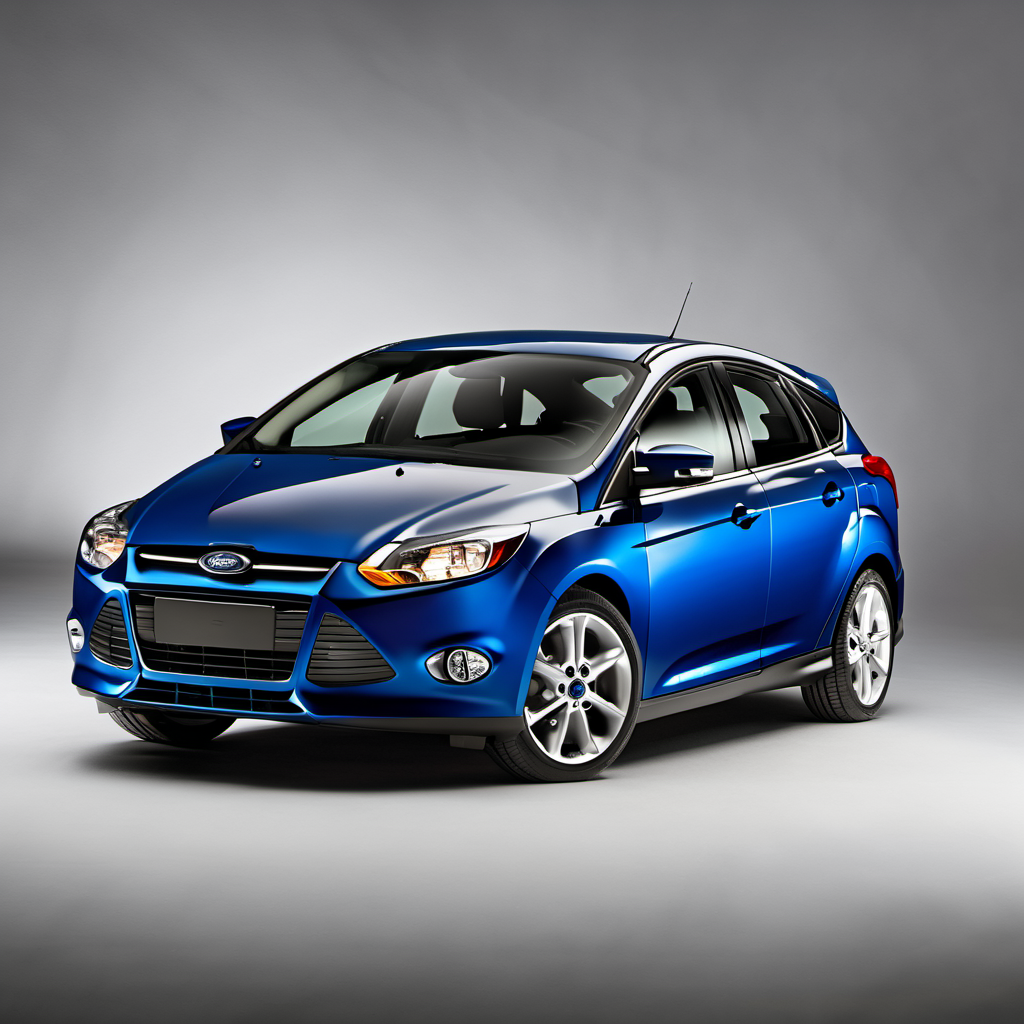
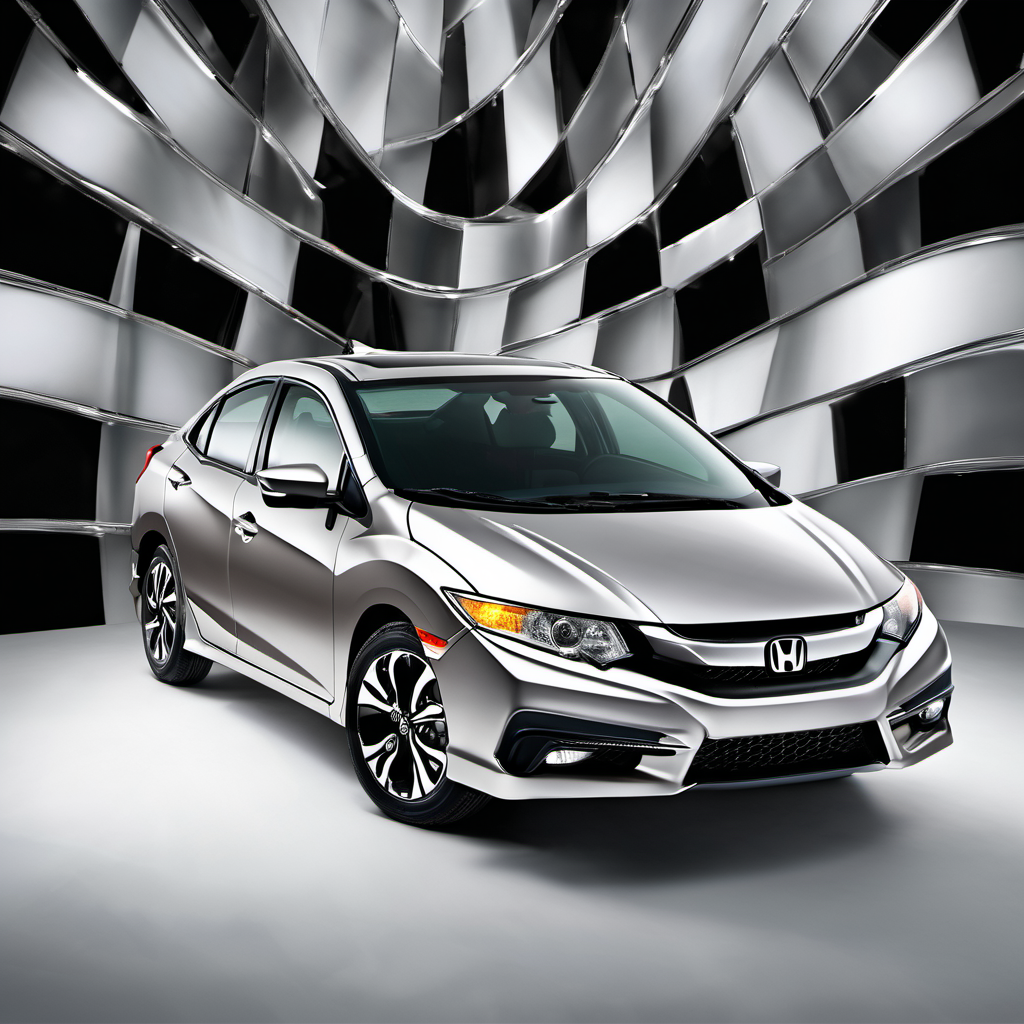
2014 Ford Focus Sedan
Popular pick

2014 Ford

FocusSedan

2.0L I4 GDI · Sedan

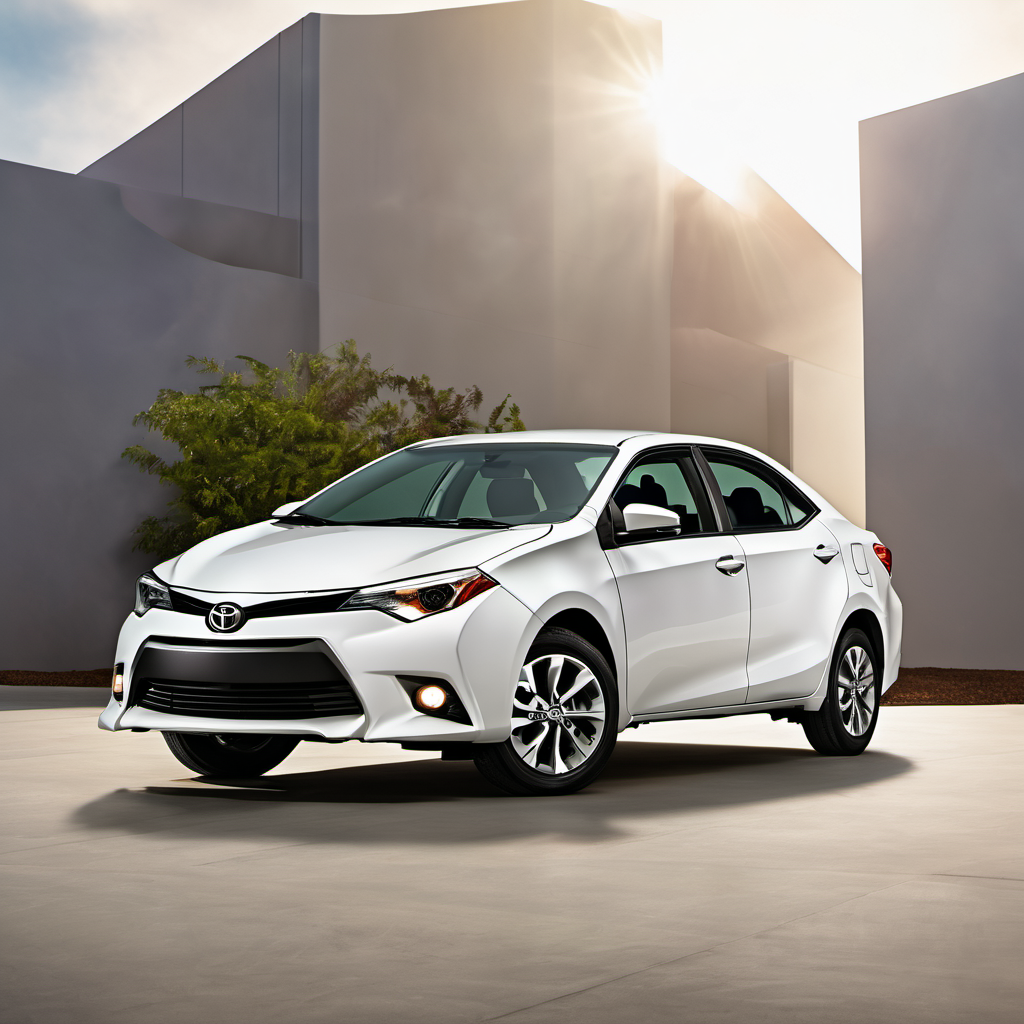
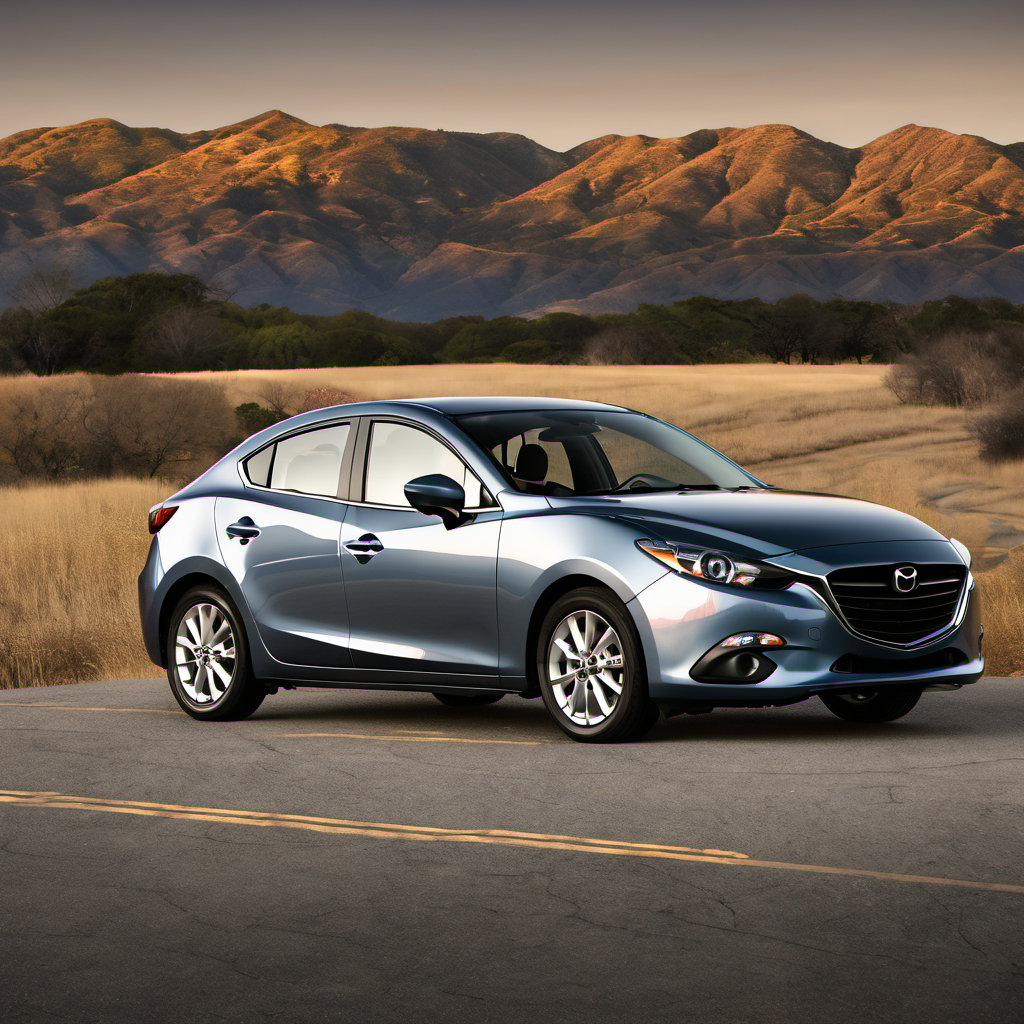
The 2014 Ford Focus Sedan is a compact front-wheel-drive car that earned a reputation for sharp handling and a reasonably refined interior for its class. It slots into Ford's global compact lineup and was offered with a traditional 5-speed manual or a 6-speed PowerShift dual-clutch automatic — the latter being the source of most owner grief during this generation. On paper the Focus competes well against the Civic and Corolla, with responsive steering and decent fuel economy. In practice, the PowerShift transmission — Ford's automated manual — plagued 2012–2016 models with shuddering, hesitation, and premature clutch wear, resulting in a class-action settlement and a TSB-heavy service history. Buyers who spec'd the manual avoided most of that drama. As a used buy today the Focus can make sense if the transmission history is clean, the clutch packs have been serviced or replaced, and the asking price reflects the risk. A pre-purchase inspection focused on the transmission and front suspension is non-negotiable.

Reliability
2/5
Verified data
Specs shown for Focus FWD — the most common configuration. Other trims may vary in engine, drivetrain, or fuel economy. Sign in to see your vehicle's exact specs.
Engine
[object Object]
Drivetrain
FWD
Fuel
Gasoline
MPG
27 city / 37 hwy / 31 combined
Seats
5
Doors
4
Body
Sedan
MSRP
$17,225

Overview

AI-curated

The 2014 Ford Focus Sedan is a compact front-wheel-drive car that earned a reputation for sharp handling and a reasonably refined interior for its class. It slots into Ford's global compact lineup and was offered with a traditional 5-speed manual or a 6-speed PowerShift dual-clutch automatic — the latter being the source of most owner grief during this generation. On paper the Focus competes well against the Civic and Corolla, with responsive steering and decent fuel economy. In practice, the PowerShift transmission — Ford's automated manual — plagued 2012–2016 models with shuddering, hesitation, and premature clutch wear, resulting in a class-action settlement and a TSB-heavy service history. Buyers who spec'd the manual avoided most of that drama. As a used buy today the Focus can make sense if the transmission history is clean, the clutch packs have been serviced or replaced, and the asking price reflects the risk. A pre-purchase inspection focused on the transmission and front suspension is non-negotiable.

Known for
  • Sporty, communicative steering for a compact sedan
  • Notoriously problematic PowerShift 6-speed dual-clutch automatic
  • Good fuel economy, especially with the 1.0L EcoBoost option
  • Solid SYNC infotainment for the era
  • Affordable entry price with reasonable feature content
Best for
  • Budget-conscious commuters who want a fun-to-drive compact
  • Drivers willing to stick with the manual transmission
  • City and suburban driving with light highway use
  • First-time car owners on a tight budget
Watch for
  • PowerShift dual-clutch automatic shudder, slipping, and premature clutch wear
  • Transmission control module (TCM) software issues requiring reflash
  • Front suspension noise and premature bushing wear
  • MyFord Touch infotainment freezing or rebooting
  • Potential rust on underbody and rear wheel arches in salt-belt states

Common issues by mileage

6 known

PowerShift dual-clutch transmission shudder and clutch wear

high
Typically appears
20–80k mi
Estimated repair
$600 – $2,800

Transmission Control Module (TCM) software / calibration faults

high
Typically appears
15–60k mi
Estimated repair
$100 – $400

VCT / camshaft timing solenoid faults (VCT oil control valve clogging)

medium
Typically appears
60–120k mi
Estimated repair
$150 – $600

Front suspension — lower control arm bushings and ball joints

medium
Typically appears
50–100k mi
Estimated repair
$250 – $700

MyFord Touch / SYNC infotainment freeze, reboot, or black screen

medium
Typically appears
Any mileage
Estimated repair
$0 – $500

Oxygen sensor heater circuit failure

low
Typically appears
80–130k mi
Estimated repair
$150 – $350

Maintenance schedule

  1. 1
    Every 5,000 miles or 6 months Engine oil and filter change — use full synthetic 5W-20

    The 2.0L GDI engine's VCT system relies on clean, low-viscosity oil to keep timing solenoids clear. Neglected oil changes are the primary cause of P0012/P0015 VCT codes on this engine.

  2. 2
    Every 40,000 miles, or immediately if shudder is noticed PowerShift transmission fluid change

    Ford originally labeled this fluid 'lifetime,' but field experience strongly disagrees. Fresh fluid and a TCM reflash (Ford DOES issue free reflashes under TSB) are the first line of defense against shudder.

  3. 3
    Every 60,000 miles Spark plug replacement

    GDI engines run leaner and hotter at the plugs. Worn plugs on this engine accelerate carbon buildup on intake valves.

  4. 4
    Every 60–80k miles Intake valve carbon cleaning

    Direct injection bypasses the intake valves with fuel, so carbon deposits build up over time. Walnut blasting or chemical cleaning restores lost power and idle quality.

  5. 5
    Every 15,000–20,000 miles Cabin air filter replacement

    Wisconsin road salt and grit accelerate filter clogging, reducing heat and A/C effectiveness.

  6. 6
    Every 20,000 miles or annually Front brake inspection

    City stop-and-go driving, common with this car's typical use profile, wears pads faster than averages suggest.

  7. 7
    Every 60,000 miles or 5 years Coolant system inspection and flush

    Degraded coolant accelerates corrosion in the aluminum block and can cause thermostat and water pump issues.

  8. 8
    Every spring Underbody wash and inspection

    Wisconsin road salt attacks the rear wheel arch seams, subframe, and brake lines. Catching surface rust early is far cheaper than addressing structural rust later.

Always defer to the manufacturer's service manual for warranty-mandated intervals.

Cost of ownership

Annual maintenance
$500 – $1,200
Fuel
Roughly $1,400–$1,800/year based on 12,000 miles annually at mid-grade fuel prices and 31 MPG combined
Insurance
Typically $900–$1,400/year for a driver with a clean record in the Lake Geneva area; compact sedans in this segment are generally inexpensive to insure

Day-to-day running costs are low — the 2.0L is efficient and parts are cheap and plentiful. The wildcard is the PowerShift transmission. A single clutch pack replacement can run $600–$2,800 at an independent shop, and some owners have needed two or three service events before 100k miles. Budget accordingly. If you buy one that's already had the transmission serviced or replaced under Ford's customer satisfaction program, ongoing costs look much more reasonable.
Seasonal care

Lake Geneva, WI
Winter
  • Switch to a full synthetic 5W-20 if not already — critical for cold cranking and fast VCT oil pressure buildup at sub-zero Wisconsin starts
  • Test the 12V battery before November; this generation's electrical load is high and a marginal battery will fail in the cold
  • Fill washer fluid reservoir with a rated -30°F or colder formula — the Focus windshield is steeply raked and accumulates salt spray fast
  • Inspect and replace wiper blades with winter-style blades before first snowfall; the cowl area ice-packs and can prevent standard blades from seating
  • Check brake lines and caliper slides for salt corrosion each fall — rear calipers are prone to sticking on high-salt-exposure cars
  • Rinse the underbody after any significant road-salt event, paying special attention to rear wheel arches and rocker panels where rust starts
Summer
  • Check tire pressure monthly — summer heat causes pressure to rise ~1 PSI per 10°F above the cold-inflation baseline; overinflation increases center-tread wear
  • Inspect the A/C system for refrigerant and verify the cabin filter is clean — a clogged filter kills cooling performance dramatically on humid Wisconsin summers
  • Watch for heat soak hesitation on startup after short stops; the 2.0L GDI can vapor-lock slightly in high ambient temps if the fuel system has any weak components
  • Check coolant level and condition; verify the overflow reservoir cap seal is intact to prevent pressure loss on hot days

Comparable vehicles

If you're shopping for one

Red flags
  • Any shudder or hesitation during low-speed acceleration — near-certain sign of worn PowerShift clutch packs
  • No transmission service records and over 50,000 miles on the odometer
  • Active or recently cleared P0012/P0015 codes without an oil service record — suggests prolonged oil neglect
  • Visible rust on rear wheel arches, rocker panels, or subframe — especially on vehicles with Wisconsin/salt-belt history
  • SYNC screen that is dead, flickering, or resetting — replacement modules are expensive and integration makes aftermarket swaps messy
  • Seller cannot confirm whether the TCM reflash TSBs have been performed
What to inspect
  • Transmission behavior: test drive must include stop-and-go low-speed driving — shudder, hesitation from a stop, or clunky 1-2 shifts are red flags for clutch wear
  • Pull TCM fault history — U0100/U0101/U0102 network codes can indicate prior TCM or transmission controller issues
  • Check for VCT-related codes (P0012, P0015, P0026, P0027) which point to oil maintenance neglect
  • Inspect rear wheel arches and rocker panels for bubbling paint or rust perforation — salt-belt cars can hide significant corrosion under trim
  • Verify SYNC / MyFord Touch powers up, connects, and doesn't reboot during the test drive
  • Ask for any Ford Customer Satisfaction Program (CSP) records — a 2014 Focus should have at least one TCM reflash in its history if properly maintained
AI profile generated 22 days ago · claude-sonnet-4-6 · v2.