CVT Transmission Failure or Shudder
medium- Typically appears
- 80k–140k mi
- Estimated repair
- $3,500 – $6,500
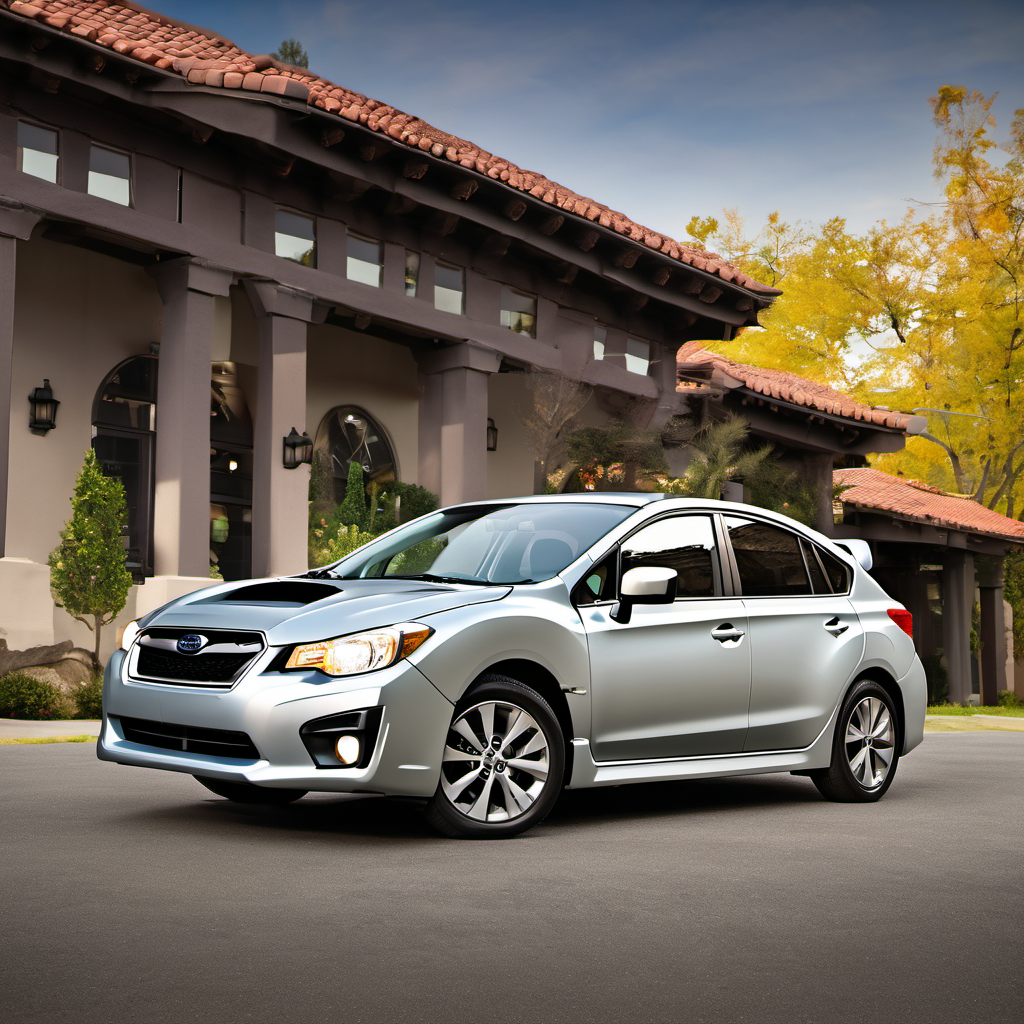
2013 Subaru
2.0L 4-cylinder Boxer · Sedan
The 2013 Subaru Impreza is the first model year of the fourth-generation platform, bringing a significant redesign that added interior space, improved fuel economy, and kept Subaru's signature symmetrical all-wheel drive standard across the lineup. The 2.0L horizontally-opposed four-cylinder ('boxer') engine is paired with either a 6-speed manual or a CVT automatic, and the combination delivers a notably fuel-efficient AWD compact — something almost no competitor can match at this price point. As a daily driver, the Impreza punches above its class in winter capability. For Lake Geneva buyers, the standard AWD is a genuine advantage on snow-covered roads, and the car's relatively light curb weight keeps it nimble. The sedan body is less common than the 5-door hatchback in this generation, but both share the same platform and drivetrain. The 2013 model year is generally considered a solid entry point for this generation, though it shares the head gasket concerns that have historically followed Subaru's EJ-series engines — this generation uses the newer FB20 engine, which is a meaningful improvement. Still, any used example deserves a careful pre-purchase inspection, particularly around the cooling system and CVT (if equipped).
The 2013 Subaru Impreza is the first model year of the fourth-generation platform, bringing a significant redesign that added interior space, improved fuel economy, and kept Subaru's signature symmetrical all-wheel drive standard across the lineup. The 2.0L horizontally-opposed four-cylinder ('boxer') engine is paired with either a 6-speed manual or a CVT automatic, and the combination delivers a notably fuel-efficient AWD compact — something almost no competitor can match at this price point. As a daily driver, the Impreza punches above its class in winter capability. For Lake Geneva buyers, the standard AWD is a genuine advantage on snow-covered roads, and the car's relatively light curb weight keeps it nimble. The sedan body is less common than the 5-door hatchback in this generation, but both share the same platform and drivetrain. The 2013 model year is generally considered a solid entry point for this generation, though it shares the head gasket concerns that have historically followed Subaru's EJ-series engines — this generation uses the newer FB20 engine, which is a meaningful improvement. Still, any used example deserves a careful pre-purchase inspection, particularly around the cooling system and CVT (if equipped).
The FB20 is sensitive to oil quality and level. Low oil accelerates VVT solenoid wear and can trigger camshaft timing codes. Check level at every fill-up if any consumption is noticed.
Subaru officially lists CVT fluid as 'lifetime' but real-world experience shows fresh fluid every 30k significantly extends CVT life. This is the most cost-effective thing a CVT Impreza owner can do.
Subaru's AWD system depends on matched tire wear AND healthy diff fluid. Old fluid causes clutch-pack wear and vibration on turns.
Maintaining proper coolant condition protects the FB20's aluminum block and head. Degraded coolant is a contributing factor in cooling system issues.
The boxer engine's plug access is tighter than most cars — labor time is higher. Sticking to schedule avoids seized plugs that are far more expensive to remove.
DOT 3/4 fluid absorbs moisture over time. Wisconsin winters with frequent wet-to-freeze cycles accelerate moisture ingress, raising the risk of soft pedal and caliper corrosion.
Subaru's AWD system requires all four tires to be within 2/32" of each other in tread depth. Mismatched tires force the center differential to work constantly, causing premature wear.
Lake Geneva's road salt is hard on subframes, control arm brackets, and brake lines. Annual inspection and undercoating touch-up can prevent $1,000+ in structural rust repairs later.
Always defer to the manufacturer's service manual for warranty-mandated intervals.
The 2013 Impreza is one of the more affordable AWD cars to own day-to-day. Routine maintenance is straightforward and parts are widely available at reasonable prices. The one big financial exposure is CVT replacement on automatic-equipped cars — budgeting for that possibility on a high-mileage used example is wise. Manual transmission cars avoid that risk entirely and tend to have lower long-term repair costs.
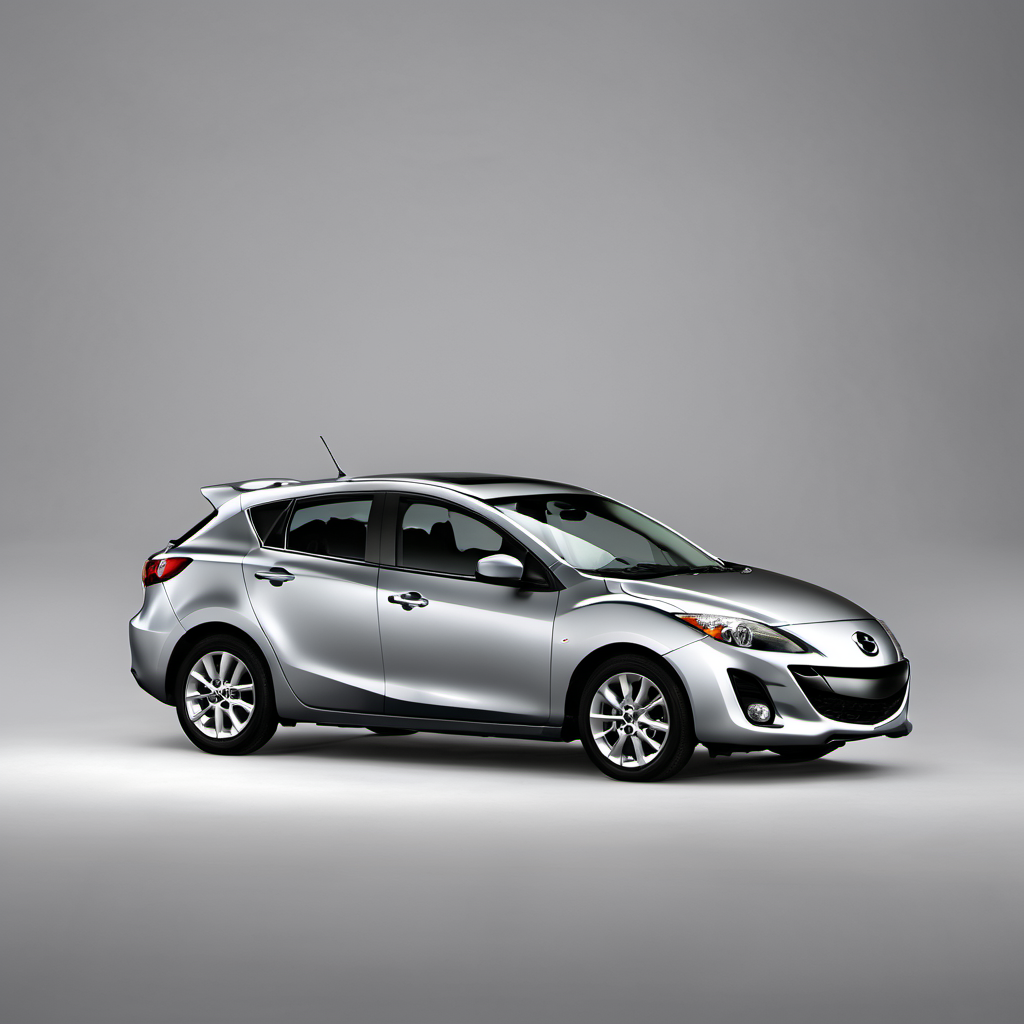
Similar compact footprint and price point, slightly sportier handling, but FWD only — loses AWD advantage in Wisconsin winters.
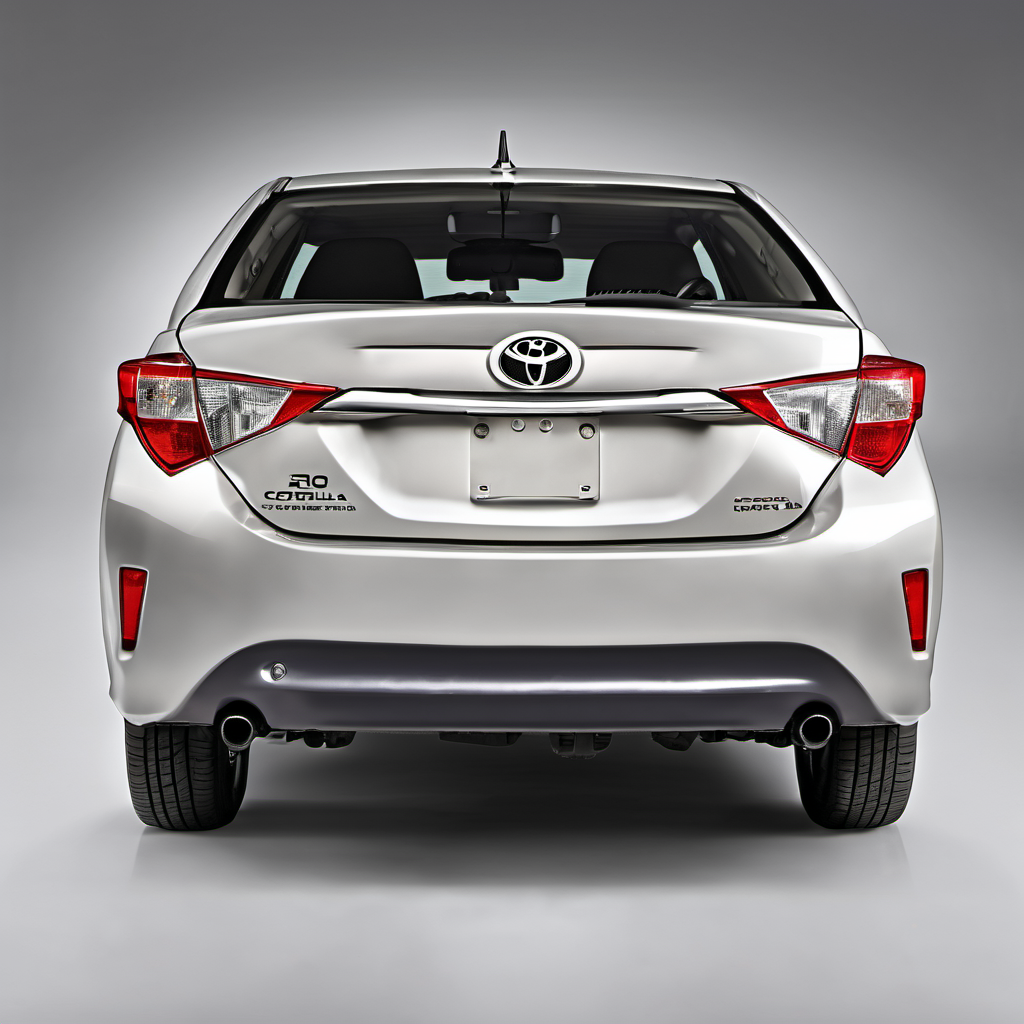
Comparable price and reliability reputation, with very strong long-term durability. FWD only, and less engaging to drive, but extremely low ownership costs.
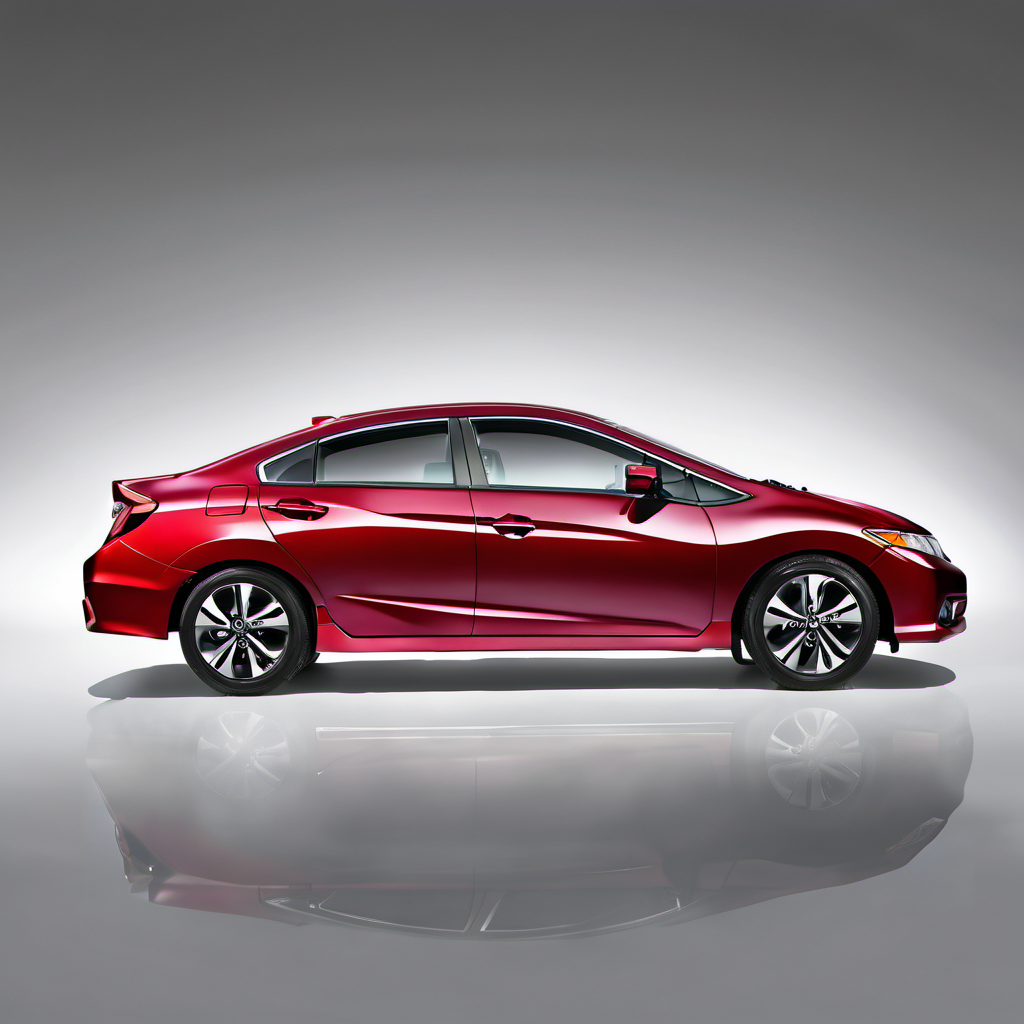
Strong reliability, similar fuel economy, and widely available parts. FWD only and doesn't match the Impreza's all-weather capability, but has a strong resale and repair record.
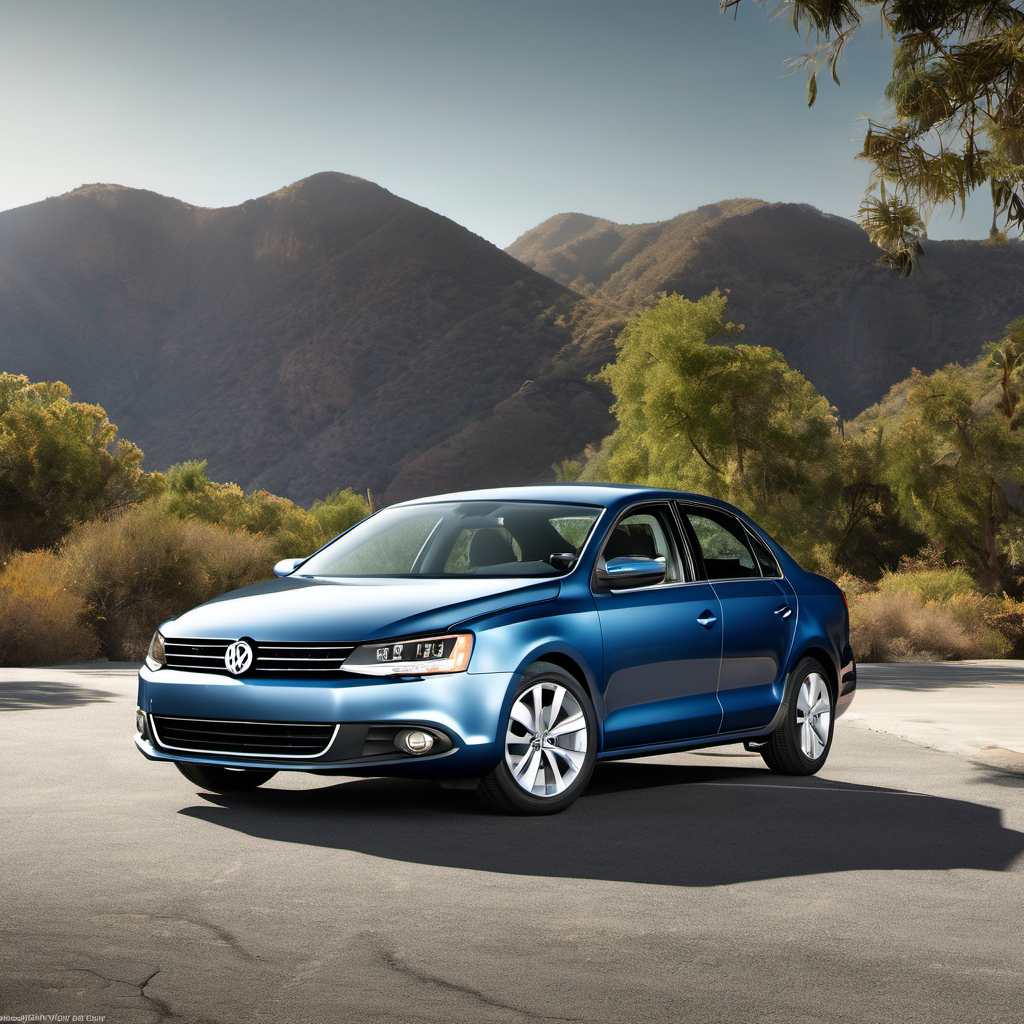
AWD available on some trims (Golf platform), similar size and price range. Higher long-term repair costs than the Impreza and parts are pricier in the Midwest.