Timing Belt Failure
high- Typically appears
- 80–110k mi
- Estimated repair
- $600 – $1,100
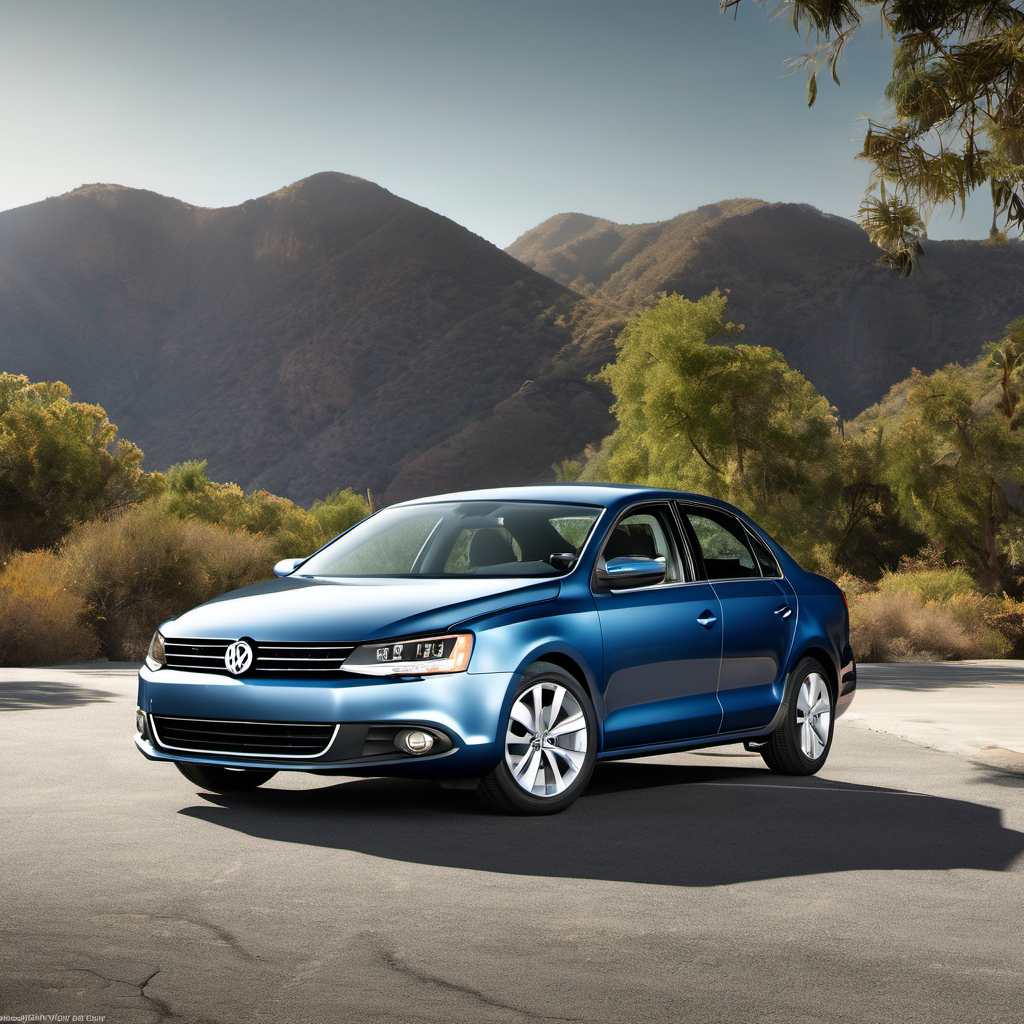
2013 Volkswagen
2.0L TDI Clean Diesel I4 · Sedan
The 2013 Volkswagen Jetta TDI is a compact diesel sedan that earned a devoted following for its exceptional fuel economy and surprisingly grown-up highway manners. Powered by VW's 2.0L four-cylinder turbodiesel, it routinely returns 40+ mpg on the highway — numbers that made it one of the most fuel-efficient non-hybrid sedans on the market at the time. It's worth noting upfront that this engine is part of the 2.0L TDI family implicated in VW's 2015 'Dieselgate' emissions scandal. Most 2013 Jetta TDIs were subject to an FTC/EPA settlement and either received a software update, were bought back, or had an emissions fix applied. Before buying a used example, verifying the vehicle's settlement status is essential — unfixed cars may have trouble passing emissions inspections in states that require them. Beyond the emissions history, the Jetta TDI is a practical, roomy compact sedan with a large trunk, comfortable highway ride, and a responsive turbodiesel that delivers strong low-end torque. Ownership costs are moderate if you stay on top of the unique maintenance demands of a diesel — particularly the timing belt and fuel system.
The 2013 Volkswagen Jetta TDI is a compact diesel sedan that earned a devoted following for its exceptional fuel economy and surprisingly grown-up highway manners. Powered by VW's 2.0L four-cylinder turbodiesel, it routinely returns 40+ mpg on the highway — numbers that made it one of the most fuel-efficient non-hybrid sedans on the market at the time. It's worth noting upfront that this engine is part of the 2.0L TDI family implicated in VW's 2015 'Dieselgate' emissions scandal. Most 2013 Jetta TDIs were subject to an FTC/EPA settlement and either received a software update, were bought back, or had an emissions fix applied. Before buying a used example, verifying the vehicle's settlement status is essential — unfixed cars may have trouble passing emissions inspections in states that require them. Beyond the emissions history, the Jetta TDI is a practical, roomy compact sedan with a large trunk, comfortable highway ride, and a responsive turbodiesel that delivers strong low-end torque. Ownership costs are moderate if you stay on top of the unique maintenance demands of a diesel — particularly the timing belt and fuel system.
This is the single most critical service item on the 2.0 TDI. Belt failure = engine destruction. Always replace the water pump, tensioner, and idler at the same time — they're accessed together and are cheap insurance.
VW's spec calls for low-ash 507.00 oil to protect the DPF. Using the wrong oil accelerates DPF and EGR fouling. Shortened intervals make sense here given cold-start wear in Wisconsin winters.
VW's 'lifetime' fluid claim doesn't hold up in real-world use. Fluid service at 40k intervals prevents the low-speed shudder and mechatronic wear that plagues neglected DSG units.
Diesel fuel quality in the U.S. varies. A clogged fuel filter starves the high-pressure injection pump — one of the most expensive repairs on this engine. Don't skip this.
Carbon buildup in the EGR and intake is normal on diesels. Catching it early with a cleaning is far cheaper than replacing clogged components.
VW requires specific pink/purple coolant. Mixing types causes silicate deposits that damage the water pump and cooling system. Critical before Wisconsin winters.
Brake fluid is hygroscopic. Wisconsin road salt accelerates caliper and line corrosion, and wet fluid lowers boiling point. Two-year flush keeps hydraulics safe year-round.
The DPF needs sustained highway speeds (55+ mph for 20+ minutes) to passively regenerate. City-only drivers who skip this end up with a clogged DPF within 50k miles.
Always defer to the manufacturer's service manual for warranty-mandated intervals.
The Jetta TDI is an economical car to fuel but a moderately expensive one to maintain correctly. Diesel-spec oil, strict timing belt adherence, and transmission fluid service add up compared to a basic gasoline economy car. Budget $700–$1,400/year for routine maintenance in normal years, with the understanding that a timing belt service ($600–$1,100) or DPF issue ($400–$1,800) can spike costs in any given year. Long-term, a well-kept example with verified emissions fix status can be very cost-effective for high-mileage drivers.
No comparable vehicles documented yet.