VCT Solenoid / Cam Timing Faults (EcoBoost 2.0L)
high- Typically appears
- 60–120k mi
- Estimated repair
- $150 – $600
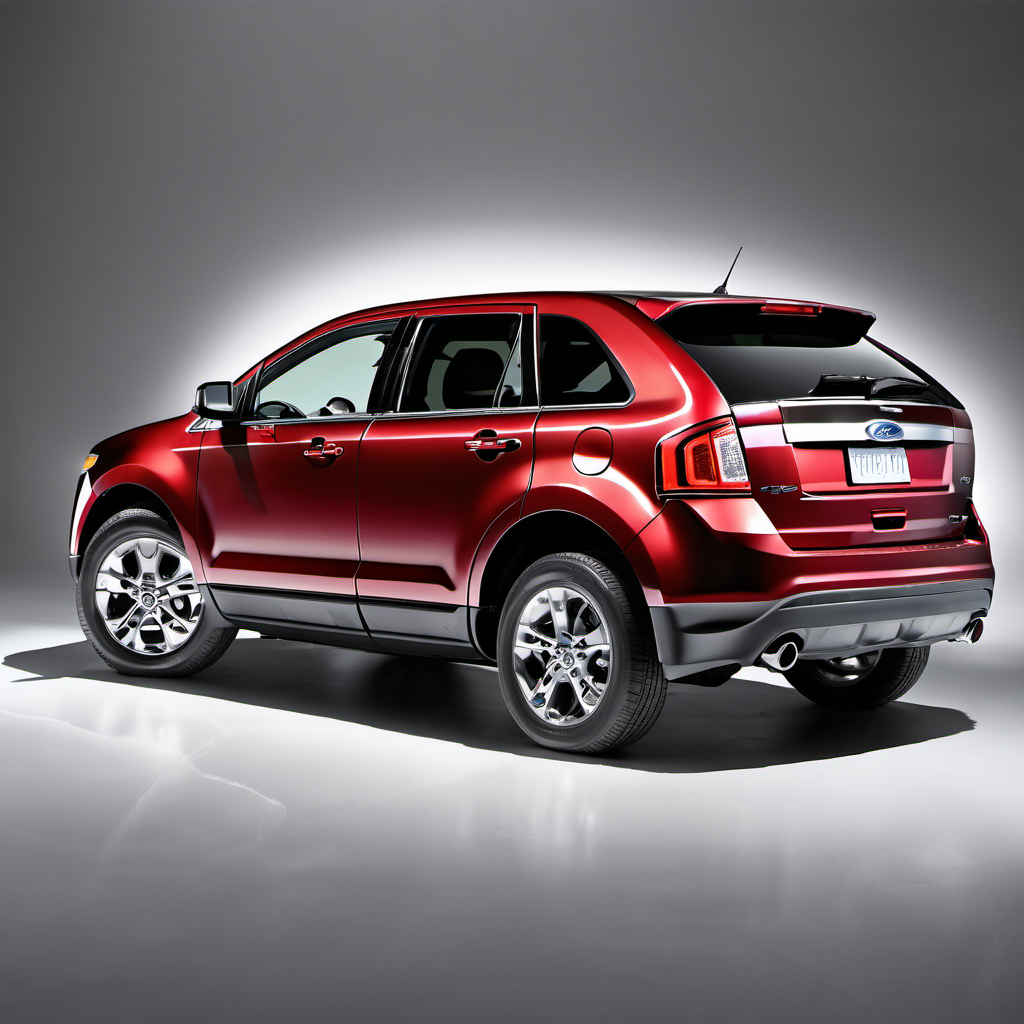
2013 Ford
3.5L Ti-VCT V6 · SUV
The 2013 Ford Edge is a mid-size, five-passenger crossover SUV that slots neatly between compact and full-size offerings in Ford's lineup. It rides on a car-based platform shared with the Ford Fusion, giving it a comfortable, car-like driving experience with the elevated seating position buyers expect from a crossover. Standard power comes from a 2.0L EcoBoost four-cylinder or the naturally aspirated 3.5L Ti-VCT V6, with an available 2.0L EcoBoost Sport variant rounding out the range. For 2013, Ford offered the Edge in SE, SEL, Limited, and Sport trims. Front-wheel drive is standard; all-wheel drive is an option across all trims. The interior is well-appointed for its class, and MyFord Touch infotainment — though a frequent pain point — was standard equipment on upper trims. The Edge earned solid crash-test scores and has proven to be a durable family hauler when maintained properly. Owners in cold climates like Lake Geneva appreciate the available AWD and strong cabin heating, though salt exposure and harsh winters demand consistent undercarriage attention.
The 2013 Ford Edge is a mid-size, five-passenger crossover SUV that slots neatly between compact and full-size offerings in Ford's lineup. It rides on a car-based platform shared with the Ford Fusion, giving it a comfortable, car-like driving experience with the elevated seating position buyers expect from a crossover. Standard power comes from a 2.0L EcoBoost four-cylinder or the naturally aspirated 3.5L Ti-VCT V6, with an available 2.0L EcoBoost Sport variant rounding out the range. For 2013, Ford offered the Edge in SE, SEL, Limited, and Sport trims. Front-wheel drive is standard; all-wheel drive is an option across all trims. The interior is well-appointed for its class, and MyFord Touch infotainment — though a frequent pain point — was standard equipment on upper trims. The Edge earned solid crash-test scores and has proven to be a durable family hauler when maintained properly. Owners in cold climates like Lake Geneva appreciate the available AWD and strong cabin heating, though salt exposure and harsh winters demand consistent undercarriage attention.
EcoBoost turbocharged engines are highly sensitive to oil quality. Extended intervals cause sludge that clogs VCT solenoids and timing chain tensioners — the most expensive repairs on this engine. Use full synthetic 5W-30.
Ford's 6F50 automatic runs cooler and lasts longer with fresh fluid. Many owners skip this and pay for a solenoid or valve body repair later.
Old coolant becomes acidic and attacks aluminum engine components and the water pump. Critical before Wisconsin winters.
Brake fluid absorbs moisture over time, lowering its boiling point and corroding calipers and ABS components from the inside.
Ford spec for iridium plugs is 60k on the EcoBoost and up to 100k on the V6. Waiting too long risks plugs seizing in the aluminum head — a very costly extraction job.
Clogged cabin filters reduce defrost effectiveness — a real issue in Wisconsin winters when you need max airflow to clear ice-fogged glass quickly.
Lake Geneva roads see heavy salt application. Brake lines, fuel lines, and suspension components on 2013 Edges corrode quickly without regular rinsing.
Clear compacted leaves and debris from drain tubes each spring. A blocked drain sends water into the headliner or down the A-pillar, causing mold and electrical issues.
Always defer to the manufacturer's service manual for warranty-mandated intervals.
The 2013 Edge is a reasonably affordable vehicle to own if oil changes aren't skipped and undercarriage rust is managed. Budget creep comes from deferred maintenance — especially on EcoBoost engines — and from corrosion-related repairs that are unique to the salt belt. A well-maintained example with records is significantly cheaper to own than one with unknown history.
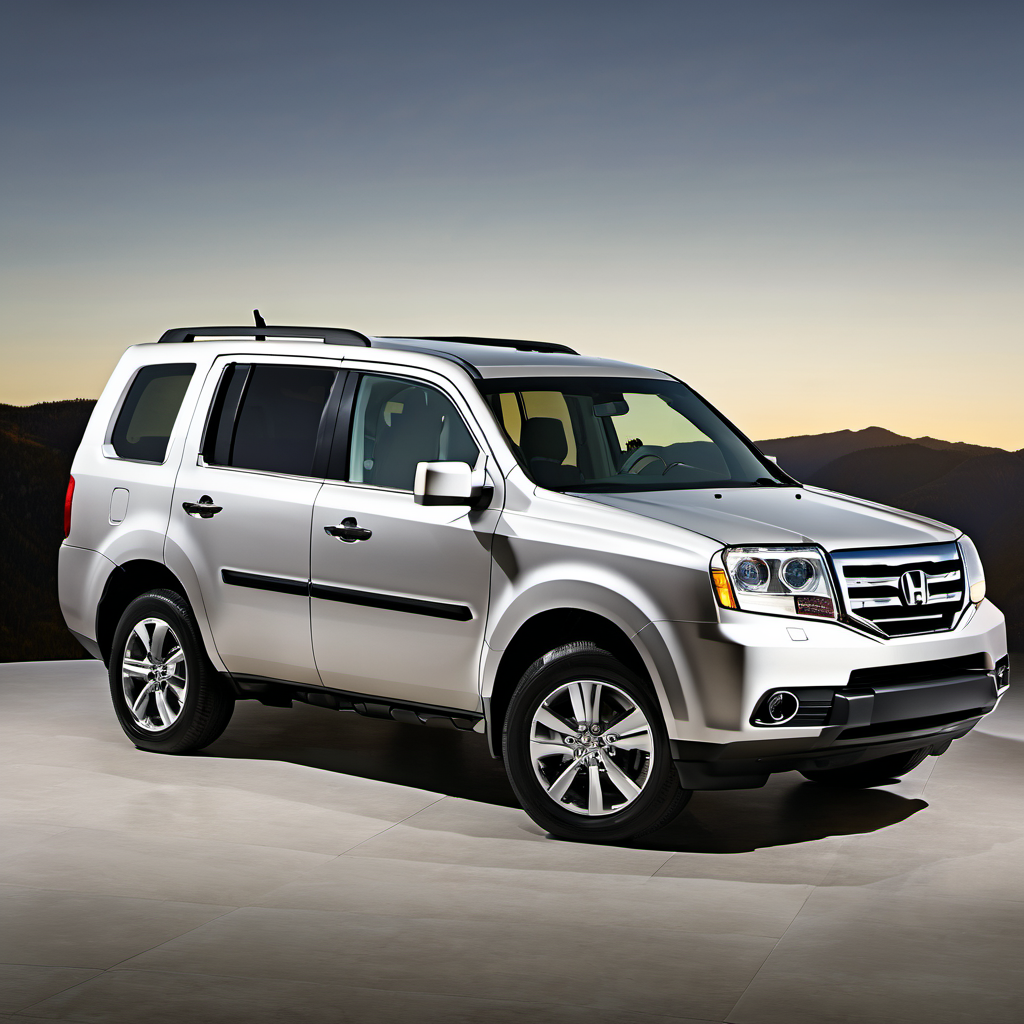
Three-row option in a similar price range; more cargo and seating capacity but a larger footprint. Strong reliability reputation and good AWD availability.
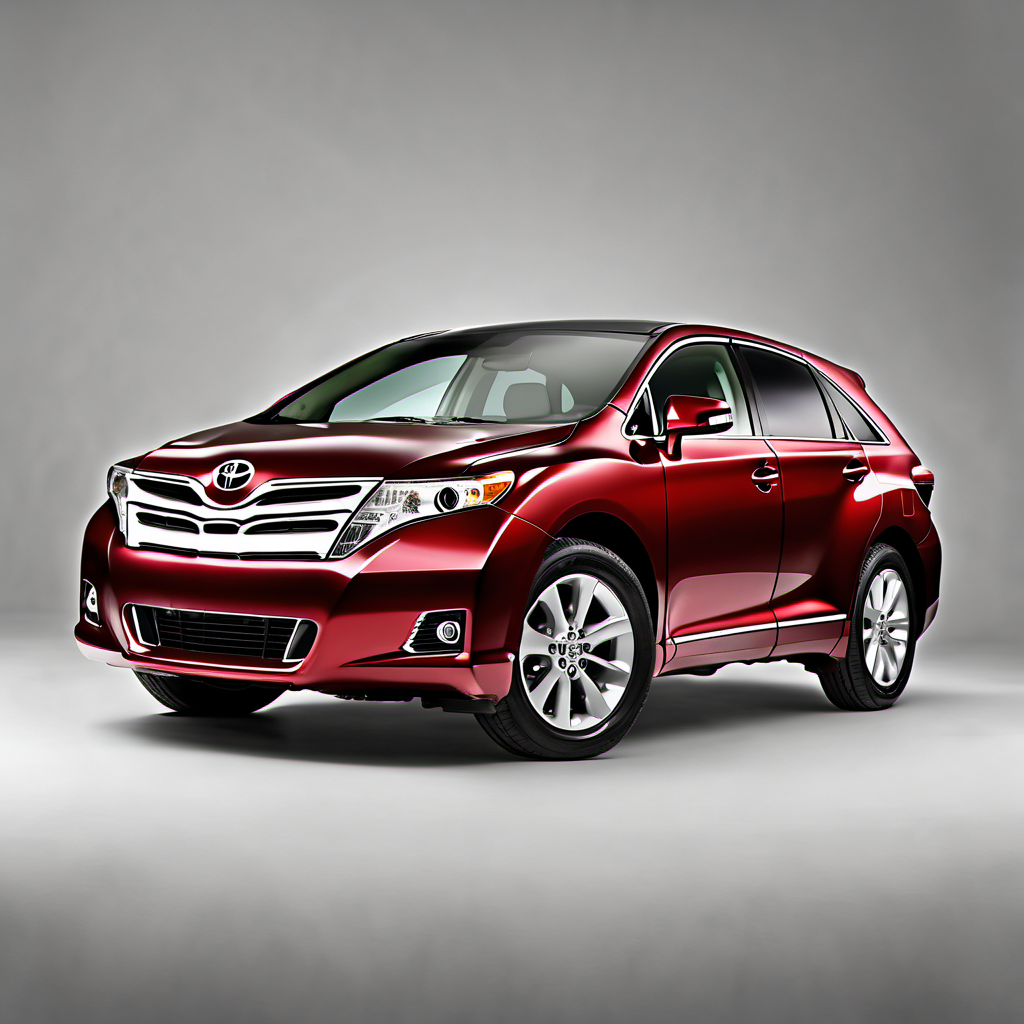
Car-based crossover with similar car-like ride quality and five-passenger seating. Known for above-average reliability and a smooth V6; slightly smaller cargo area.
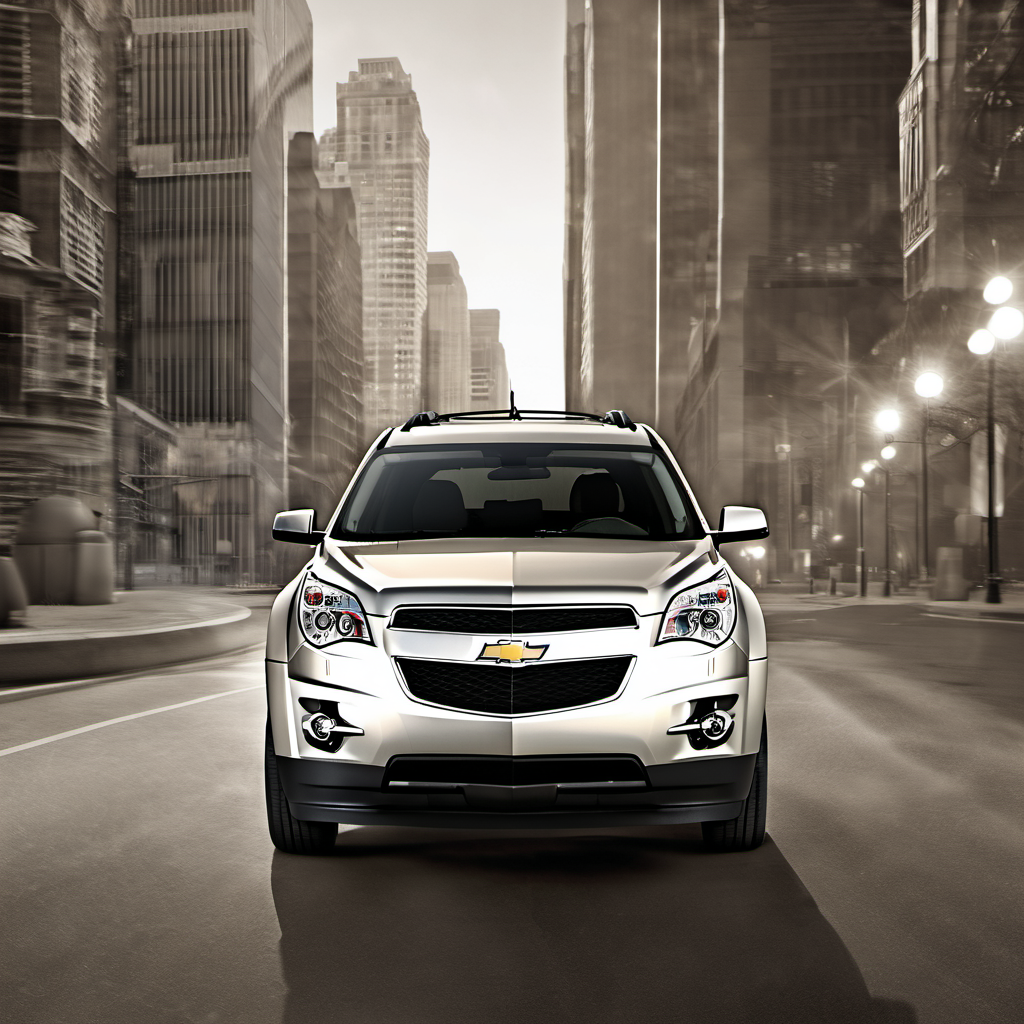
Competes directly in the mid-size crossover segment at similar price points. Available AWD, though the 2.4L four-cylinder has its own oil consumption quirks to watch.
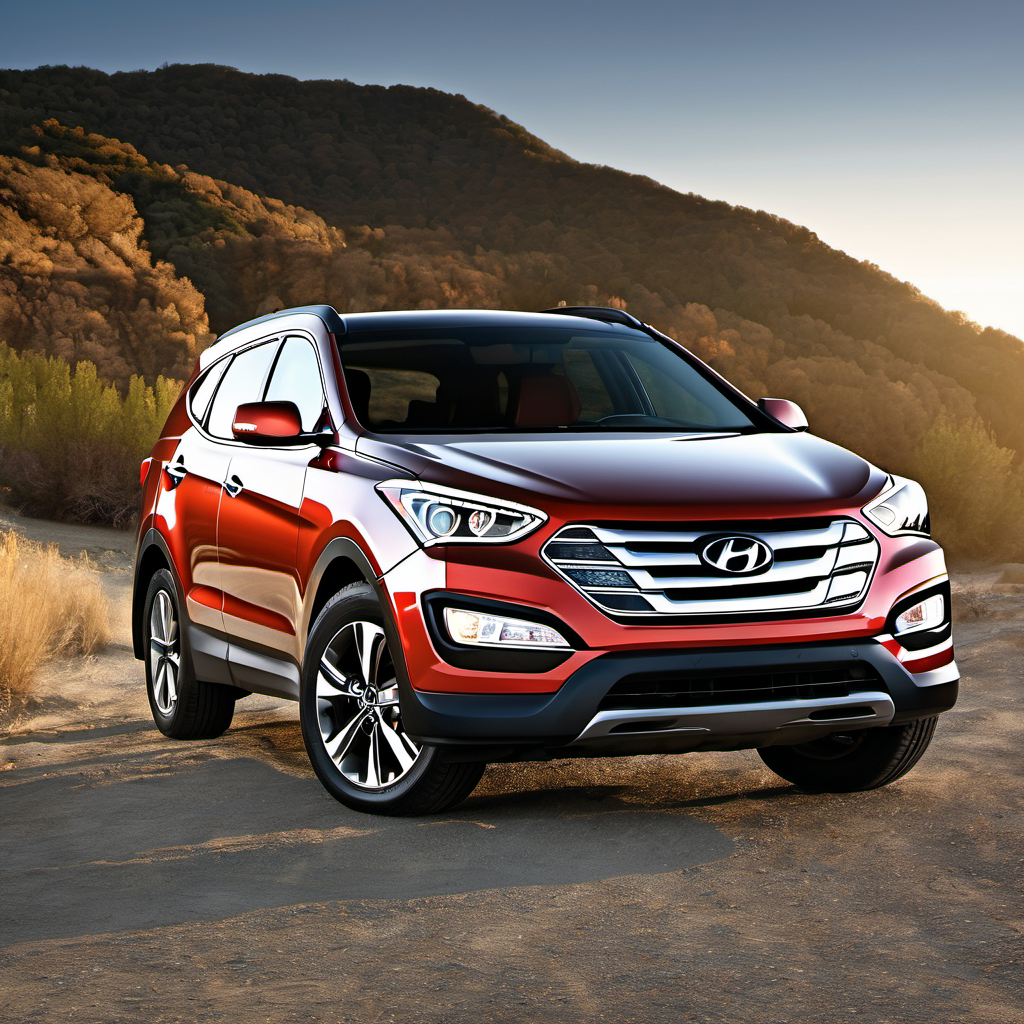
Strong competitor at the same price range with a comfortable interior and available AWD. Slightly better reliability scores for the 2013 model year, with a solid 5-year warranty if still active.