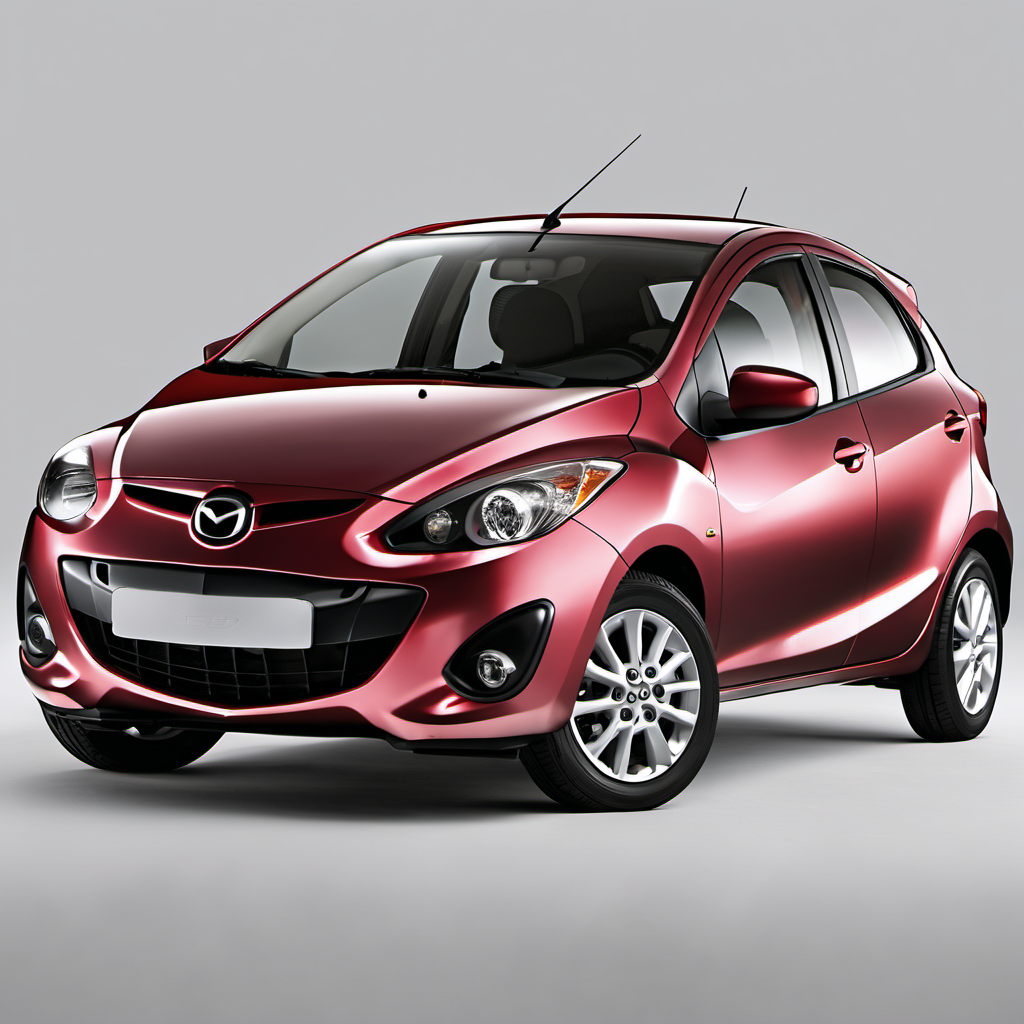
2012 MAZDA MAZDA2 Hatchback

2012 MAZDA

MAZDA2Hatchback

1.5L I4 · Hatchback

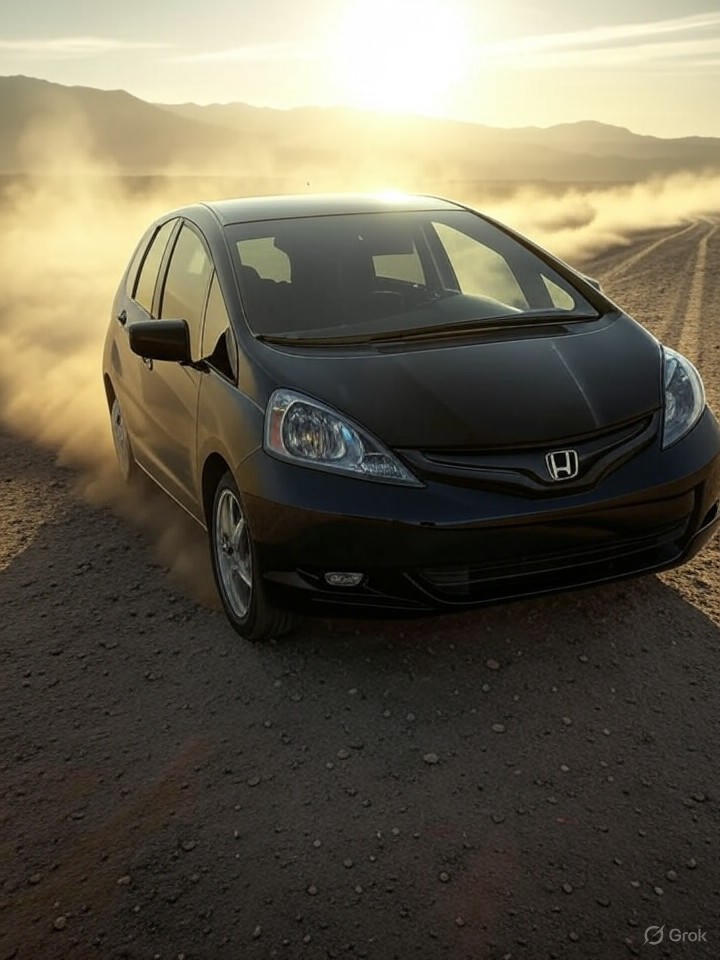
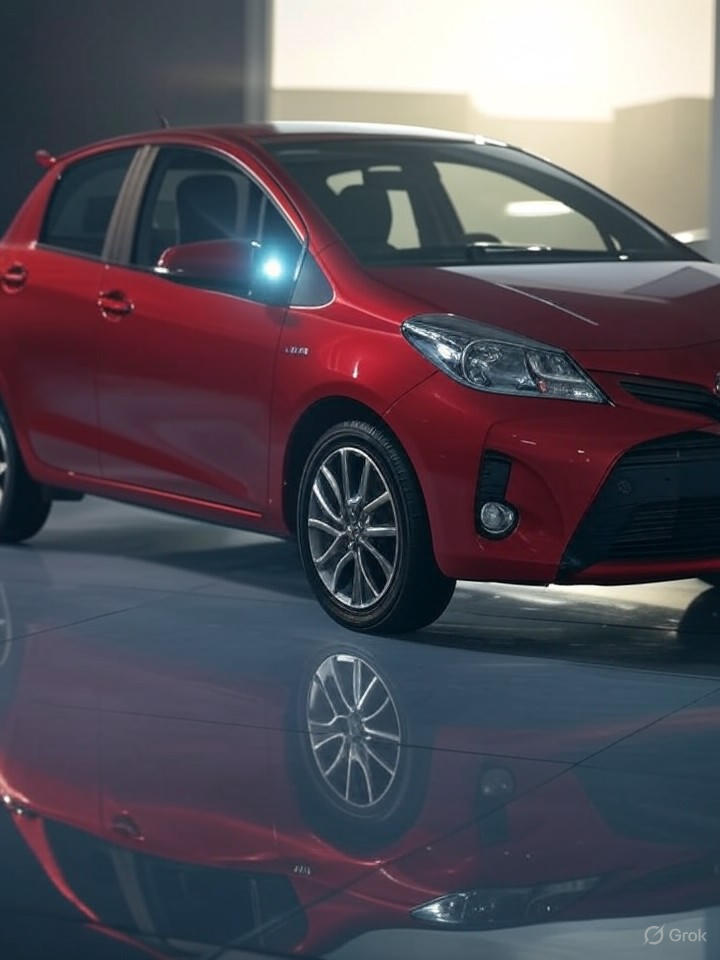
The 2012 Mazda2 is a subcompact hatchback sold in North America for model years 2011–2014. It shares its platform with the Ford Fiesta and was built to give urban commuters a fuel-efficient, fun-to-drive small car at a low entry price. The 1.5L four-cylinder paired with a close-ratio 5-speed manual (or optional 4-speed automatic) keeps it light and peppy without demanding much at the pump. At roughly 2,300 lbs, the Mazda2 handles nimbly and rewards spirited driving in a way most econoboxes do not. Mazda's reputation for chassis tuning shows here — it's more engaging than comparable Toyota or Honda subcompacts of the same era. Interior space is expectedly tight for rear passengers, but for one or two occupants it's genuinely practical in the city. The U.S. market version of the Mazda2 is largely trouble-free when maintained properly. Parts are shared with the Ford Fiesta, which helps availability, but the car's small size means labor access can be tight for some repairs. At over a decade old now, rust and wear items are the primary concerns rather than catastrophic mechanical failure.

Reliability
4/5
Verified data
Engine
1.5L I4
Drivetrain
FWD
Fuel
Gasoline
MPG
29 city / 35 hwy / 31 combined
Seats
5
Doors
4
Body
Hatchback
MSRP
$14,720

Overview

AI-curated

The 2012 Mazda2 is a subcompact hatchback sold in North America for model years 2011–2014. It shares its platform with the Ford Fiesta and was built to give urban commuters a fuel-efficient, fun-to-drive small car at a low entry price. The 1.5L four-cylinder paired with a close-ratio 5-speed manual (or optional 4-speed automatic) keeps it light and peppy without demanding much at the pump. At roughly 2,300 lbs, the Mazda2 handles nimbly and rewards spirited driving in a way most econoboxes do not. Mazda's reputation for chassis tuning shows here — it's more engaging than comparable Toyota or Honda subcompacts of the same era. Interior space is expectedly tight for rear passengers, but for one or two occupants it's genuinely practical in the city. The U.S. market version of the Mazda2 is largely trouble-free when maintained properly. Parts are shared with the Ford Fiesta, which helps availability, but the car's small size means labor access can be tight for some repairs. At over a decade old now, rust and wear items are the primary concerns rather than catastrophic mechanical failure.

Known for
  • Exceptional fuel economy for its era
  • Sporty, tossable handling despite econobox pricing
  • Reliable and simple 1.5L four-cylinder engine
  • Tight but practical urban hatchback packaging
  • Low ownership costs overall
Best for
  • City and suburb commuters watching fuel costs
  • First-time car owners or younger drivers
  • Drivers who enjoy a manual transmission experience on a budget
  • Anyone needing a reliable, easy-to-park daily driver
Watch for
  • Rust on rocker panels, wheel wells, and undercarriage — especially critical in Wisconsin salt conditions
  • Automatic transmission durability on high-mileage examples (4-speed units are older technology)
  • Limited rear passenger space and small cargo area
  • Aging A/C systems and cabin air quality on older examples
  • Parts availability narrowing as the model ages out of the mainstream

Common issues by mileage

6 known

Rust on rocker panels, wheel wells, and subframe

high
Typically appears
60k+ mi / 8+ years old
Estimated repair
$300 – $1,500

Worn front struts and strut mounts

high
Typically appears
80–130k mi
Estimated repair
$300 – $600

Camshaft position / VVT timing codes — dirty oil or low oil level causing over-retarded timing

medium
Typically appears
60–120k mi
Estimated repair
$100 – $600

Oxygen sensor heater circuit failure

medium
Typically appears
80–150k mi
Estimated repair
$150 – $350

4-speed automatic transmission sluggishness / hesitation (auto-equipped cars only)

medium
Typically appears
90–150k mi
Estimated repair
$150 – $3,000

A/C refrigerant loss and aging condenser / evaporator seals

medium
Typically appears
80k+ mi
Estimated repair
$150 – $800

Maintenance schedule

  1. 1
    Every 5,000 miles or 6 months Engine oil and filter change

    The 1.5L runs clean but VVT timing codes (P0012, P0015) are often traced to dirty or low oil. Fresh oil is the cheapest insurance on this engine.

  2. 2
    Every 30,000 miles Transmission fluid change (automatic)

    Mazda does not always list ATF as a serviceable fluid, but the 4-speed unit benefits significantly from regular changes on older, high-mileage examples. Burnt fluid accelerates wear.

  3. 3
    Every 45,000 miles Manual transmission fluid change

    Keeps synchros healthy; often skipped and causes rough shifting later.

  4. 4
    Every 2 years regardless of mileage Brake fluid flush

    Mazda specifies this interval. Brake fluid absorbs moisture over time; Wisconsin winters accelerate internal corrosion in calipers and the master cylinder.

  5. 5
    Inspect at 80,000 miles, replace as needed Inspect and replace front struts and strut mounts

    Wisconsin road conditions chew through struts faster than average. Worn mounts cause clunking and accelerate tire wear.

  6. 6
    Every 50,000 miles or 5 years Coolant flush

    Protects against freeze damage (critical at sub-zero Wisconsin temps) and prevents water pump and thermostat housing corrosion.

  7. 7
    Every 15,000–20,000 miles Cabin and engine air filter replacement

    Small engine compartment traps debris quickly. A clogged air filter noticeably hurts the 100hp engine's performance and fuel economy.

  8. 8
    Every spring (after winter salt exposure) Undercarriage wash and rust inspection

    Rocker panels and subframe welds are rust-prone. Early treatment with a rust converter or professional coating is far cheaper than structural repair later.

Always defer to the manufacturer's service manual for warranty-mandated intervals.

Cost of ownership

Annual maintenance
$400 – $900
Fuel
At 31 mpg combined and typical Wisconsin driving, expect roughly $1,200–$1,600/year at current fuel prices depending on annual mileage.
Insurance
Among the cheapest vehicles to insure in this class — low MSRP and low theft risk keep premiums down. Expect $800–$1,200/year for full coverage depending on driver profile.

The Mazda2 is a genuinely low-cost vehicle to own day to day. Routine maintenance is inexpensive due to the simple engine and widely available parts shared with the Ford Fiesta. The big wildcard on older examples is rust repair — one bad Wisconsin winter's worth of neglected undercarriage can cost more than the car's market value. Budget accordingly if buying used.

Seasonal care

Lake Geneva, WI
Winter
  • Switch to a full-synthetic 0W-20 or 5W-20 oil before temperatures drop below 10°F — the small engine needs quick cold-start lubrication to protect VVT components.
  • Test the battery every fall; the Mazda2's stock battery is small and marginal starts at -10°F can leave you stranded. Replace if it's 4+ years old.
  • Install winter wiper blades and fill the reservoir with -20°F rated washer fluid — standard fluid freezes in the nozzles on the highway.
  • Check tire pressure weekly in cold snaps; every 10°F drop costs roughly 1 PSI, and the small tires on this car are already at low baseline pressures.
  • Flush the undercarriage at a self-serve car wash after heavy salt events; the Mazda2's low clearance lets brine accumulate fast on rockers and subframe.
  • Keep at least a half tank of fuel in winter to prevent moisture accumulation in the fuel system and add weight over the drive wheels.
Summer
  • Check coolant concentration before July — a 50/50 mix is rated to 265°F boiling protection, important during stop-and-go heat soak in a small-engined car.
  • Inspect the A/C system for refrigerant level and condenser condition; the condenser sits low and is vulnerable to road debris on this car.
  • Inflate tires to spec in the morning before the car heats up — summer heat builds pressure and over-inflated tires reduce grip and wear unevenly.
  • Inspect the cabin air filter in spring; mold and pollen buildup over winter makes A/C blow musty on first use.

Comparable vehicles

If you're shopping for one

Red flags
  • Any rust through on rockers or floor — structural rust on a car this small is a write-off risk.
  • Automatic that shudders, hunts between gears, or slips — rebuild or replacement costs can exceed the car's value.
  • Check engine light with active VVT/camshaft timing codes (P0012, P0015) that the seller dismisses as minor — these need oil system diagnosis before purchase.
  • Oil that looks milky or smells burnt — head gasket or severe neglect on a high-mileage example.
  • Mismatched paint on body panels suggesting prior collision repair on what should be a low-value car.
What to inspect
  • Rocker panels, wheel arch edges, and rear hatch lower seam for rust perforation — probe with a screwdriver if needed, not just visual.
  • Undercarriage subframe welds and control arm mounting points for rust bubbling or scale.
  • Strut condition: bounce each corner and listen for clunking or squeaking over bumps.
  • Transmission behavior on automatics: should shift smoothly without hunting or hesitation below 40 mph.
  • A/C function: should blow cold within 60 seconds; ask when it was last recharged.
  • All four tires for uneven wear patterns that signal alignment or suspension issues.
AI profile generated 13 days ago · claude-sonnet-4-6 · v2.