Sliding Door Motor / Latch Failure
high- Typically appears
- 80–150k mi
- Estimated repair
- $250 – $700
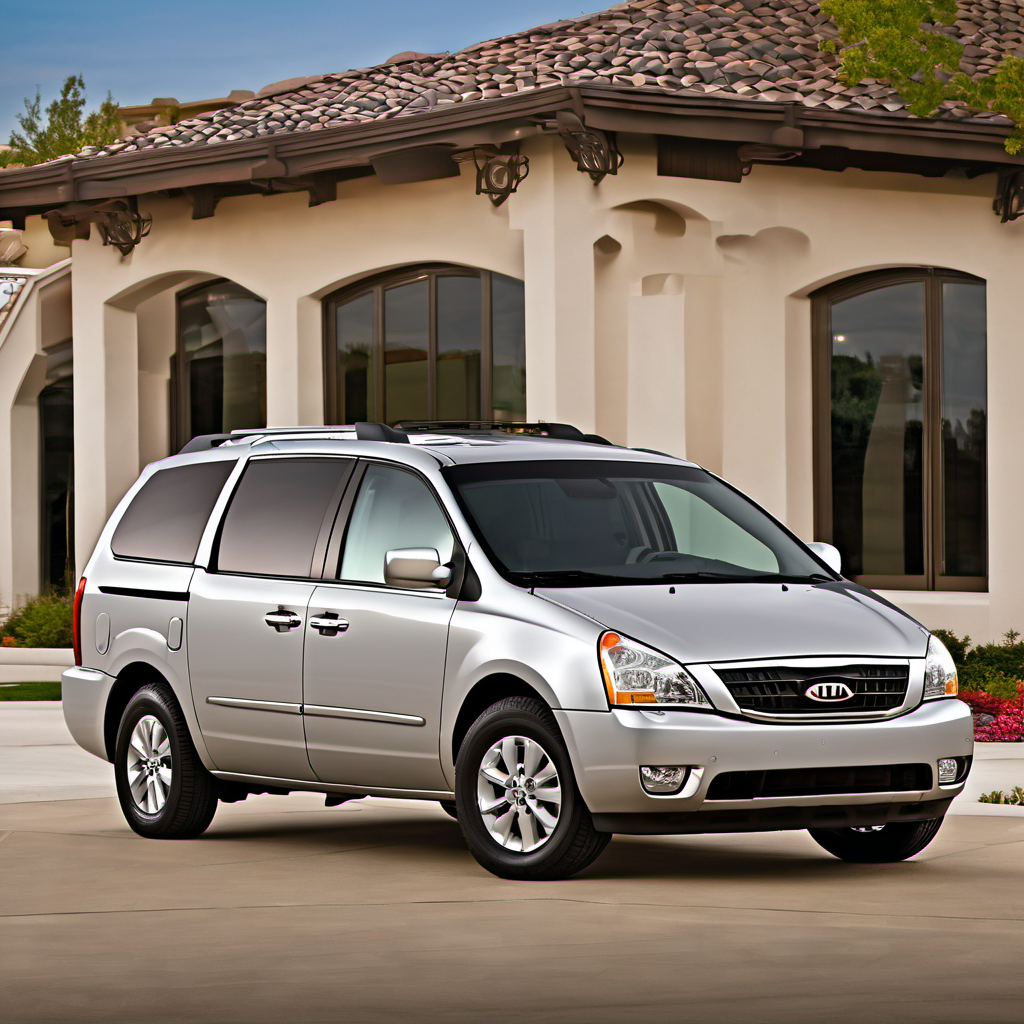
2012 Kia
Van/Minivan
The 2012 Kia Sedona is a full-size minivan built on the second-generation platform that ran from 2006 through 2014. It seats seven or eight passengers, competes directly with the Honda Odyssey and Toyota Sienna, and was priced significantly below both — making it a value play in the family hauler segment. The 3.5L V6 is a proven, capable engine that handles daily family duties without drama. By 2012, Kia had worked out most of the early-generation rough edges. The Sedona earned reasonably solid reliability marks for its era, though it lags behind the best Japanese minivans. It's a practical choice for families who want space and features without the premium price tag of the Honda or Toyota alternatives. At this age the van is well into its second decade. Maintenance history, rust condition underneath, and sliding door operation are the biggest factors separating a good used Sedona from a money pit.
The 2012 Kia Sedona is a full-size minivan built on the second-generation platform that ran from 2006 through 2014. It seats seven or eight passengers, competes directly with the Honda Odyssey and Toyota Sienna, and was priced significantly below both — making it a value play in the family hauler segment. The 3.5L V6 is a proven, capable engine that handles daily family duties without drama. By 2012, Kia had worked out most of the early-generation rough edges. The Sedona earned reasonably solid reliability marks for its era, though it lags behind the best Japanese minivans. It's a practical choice for families who want space and features without the premium price tag of the Honda or Toyota alternatives. At this age the van is well into its second decade. Maintenance history, rust condition underneath, and sliding door operation are the biggest factors separating a good used Sedona from a money pit.
The 3.5L V6 VVT system has small oil passages in the cam phasers that clog with sludge quickly if oil is old or low. Skipped intervals are the #1 cause of P0012/P0015/P0022 codes and expensive VVT repairs.
Kia listed this as 'lifetime' fluid but real-world use in Wisconsin temperatures degrades it. Fresh fluid is cheap insurance against a $2,500+ rebuild.
The V6 has 6 plugs buried under the intake plenum on the rear bank — labor costs jump significantly if delayed and deposits make extraction difficult.
Belt failure leaves the family stranded. Tensioner wear is common at this mileage on the 3.5L.
Dry tracks accelerate motor wear. A $15 lubrication service prevents a $400+ motor replacement.
Moisture absorption in brake fluid lowers boiling point. Wisconsin winter/summer temperature swings accelerate this.
Wisconsin salt is aggressive on the Sedona's subframe, brake lines, and fuel lines. Catching surface rust before it reaches structural metal saves thousands.
Kia's HOAT coolant degrades and becomes acidic, attacking the water pump and heater core — expensive failures in a Wisconsin winter.
Always defer to the manufacturer's service manual for warranty-mandated intervals.
A well-maintained 2012 Sedona is a reasonably affordable vehicle to own at this age. Routine maintenance runs $700–$1,000 in normal years. Budget the higher end ($1,200–$1,600) if the transmission fluid, spark plugs, and serpentine belt are overdue — and they often are on a 12-year-old van with unknown history. The biggest financial risk is deferred maintenance snowballing into a VVT or transmission repair that can exceed the vehicle's market value.
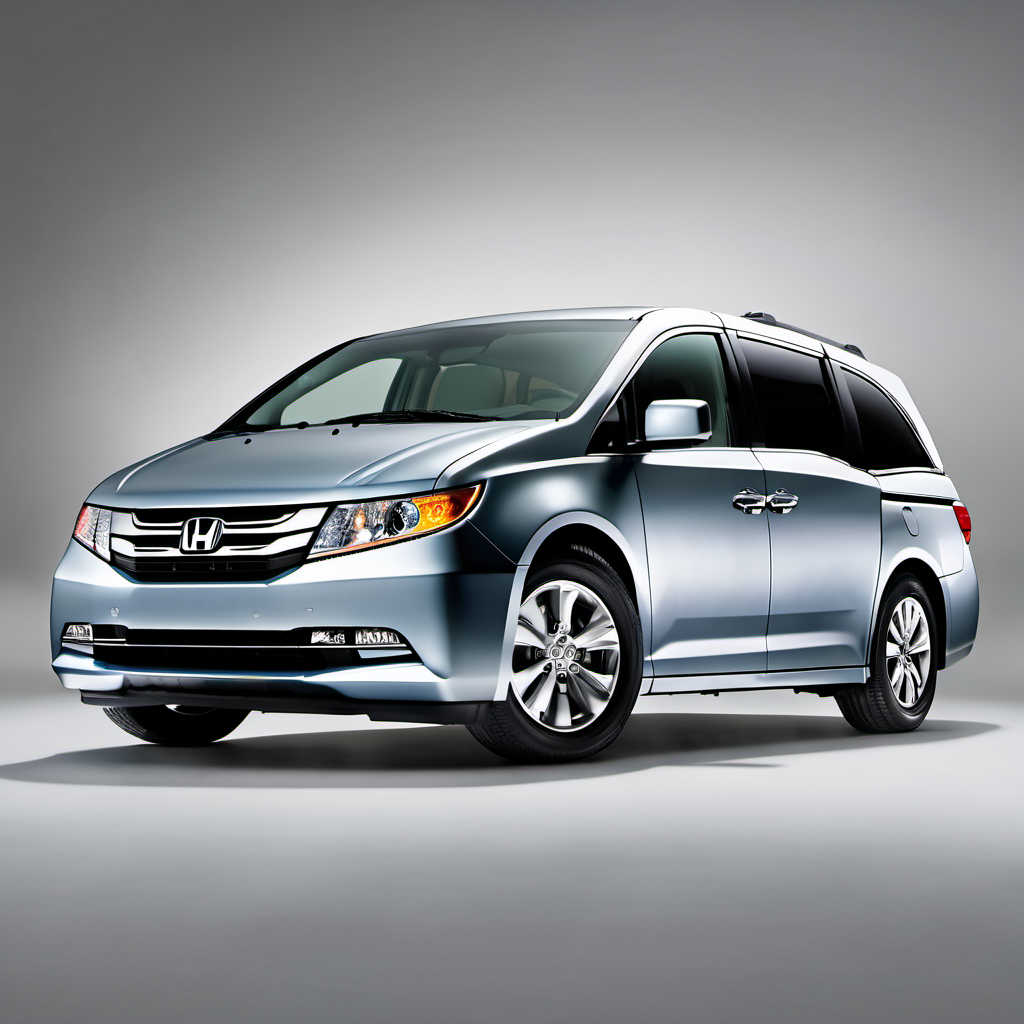
The benchmark minivan of the era — more refined interior, better long-term reliability, and stronger resale, but costs $2,000–$4,000 more for a comparable used example.
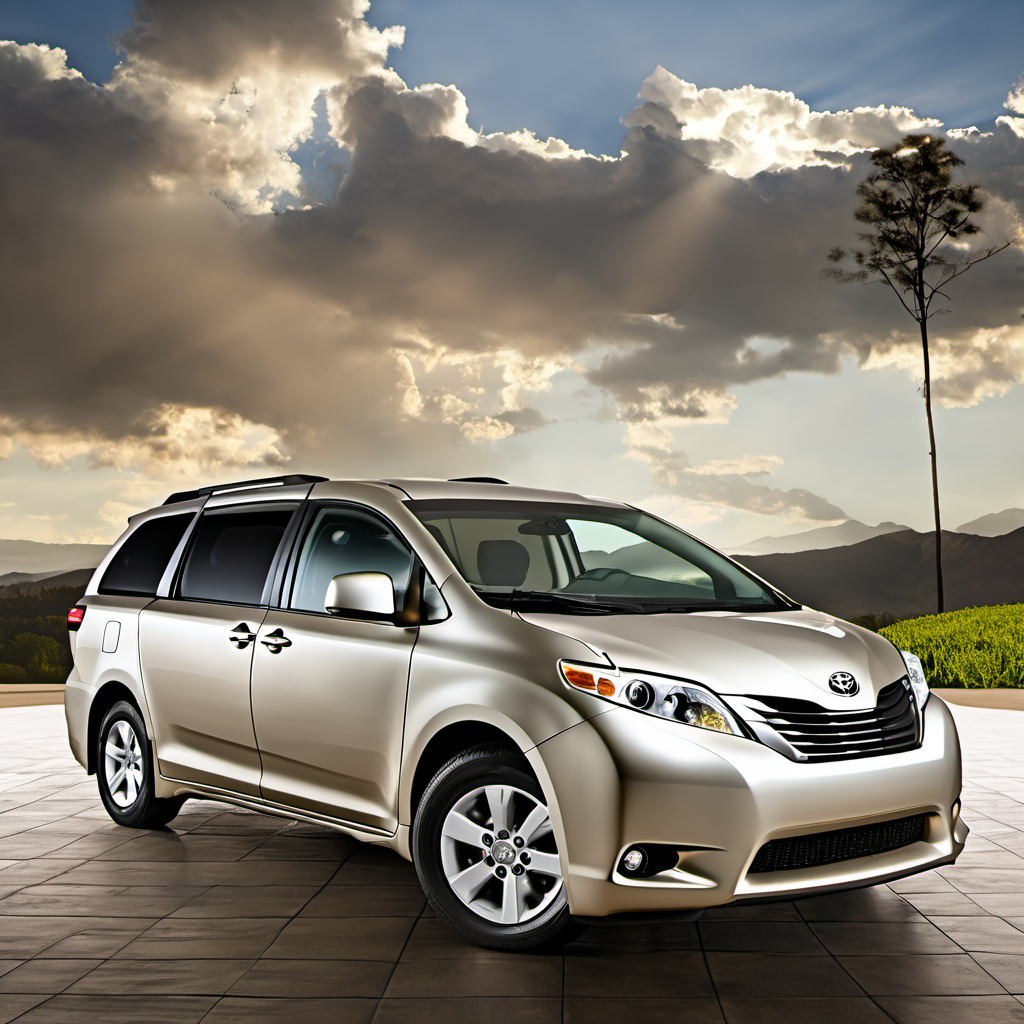
Available in AWD (unique in the segment), excellent long-term durability, but commands the highest used prices of the three. Worth it if you find a well-priced one.

Similar price point to the Sedona with a more feature-rich interior (Stow 'n Go seating), but electrical and transmission reliability history is worse than the Kia.
Essentially the same vehicle as the Sedona on a shared platform — parts interchangeability is high, making independent-shop repairs easy and affordable.
No catalog match