VVT Oil Control Valve / Cam Timing Over-Retarded
high- Typically appears
- 60–120k mi
- Estimated repair
- $200 – $800

2012 Chrysler
3.6L V6 Pentastar · Van/Minivan
The 2012 Chrysler Town & Country is a full-featured front-wheel-drive minivan built on the RT platform, sharing its bones with the Dodge Grand Caravan but positioned as the more upscale option with standard leather, power sliding doors, and the well-regarded Stow 'n Go seating system. It's powered by Chrysler's 3.6L Pentastar V6, which replaced the older 4.0L and 3.8L engines starting in 2011 and brought meaningful improvements in power and fuel economy. At over a decade old, these vans have aged into the used-vehicle sweet spot for large families — they carry seven passengers, fold flat for cargo, and are cheap to buy relative to what you get. That said, the 2012 model year is right in the zone where deferred maintenance starts catching up with owners, and the Pentastar VVT system and transmission require attention. For Lake Geneva families, this is a capable daily hauler. It handles Wisconsin winters adequately on good tires, though being FWD you'll want to invest in a solid set of winter tires if you're doing regular highway runs in January.
The 2012 Chrysler Town & Country is a full-featured front-wheel-drive minivan built on the RT platform, sharing its bones with the Dodge Grand Caravan but positioned as the more upscale option with standard leather, power sliding doors, and the well-regarded Stow 'n Go seating system. It's powered by Chrysler's 3.6L Pentastar V6, which replaced the older 4.0L and 3.8L engines starting in 2011 and brought meaningful improvements in power and fuel economy. At over a decade old, these vans have aged into the used-vehicle sweet spot for large families — they carry seven passengers, fold flat for cargo, and are cheap to buy relative to what you get. That said, the 2012 model year is right in the zone where deferred maintenance starts catching up with owners, and the Pentastar VVT system and transmission require attention. For Lake Geneva families, this is a capable daily hauler. It handles Wisconsin winters adequately on good tires, though being FWD you'll want to invest in a solid set of winter tires if you're doing regular highway runs in January.
The Pentastar VVT system is oil-pressure-dependent. Sludge from extended intervals is the #1 cause of expensive cam timing failures on this engine. Use 5W-20 full synthetic.
Chrysler calls this fluid 'lifetime' but independent shops see the 62TE fail consistently when fluid isn't changed. Use only ATF+4-spec fluid.
The Pentastar has 6 plugs accessible from the top and 3 under the intake manifold (rear bank). Delaying rear-bank plugs is common and causes misfires. Do all 6 at once.
Salt-contaminated tracks accelerate cable and roller wear and can cause the door to bind or reverse. A clean track and light lubricant extends motor and cable life significantly.
OAT coolant degrades and becomes corrosive. The Pentastar's aluminum block is particularly vulnerable to degraded coolant causing water pump and thermostat housing leaks.
Wisconsin winters are hard on batteries. A marginal battery that starts fine in October may leave you stranded in January. Cold-cranking amperage drops sharply below 0°F.
Brake fluid is hygroscopic and absorbs moisture over time, lowering the boiling point and promoting internal corrosion in calipers — especially relevant in Wisconsin's salt and moisture environment.
Road salt accelerates rust on subframe, exhaust, brake lines, and fuel lines. The RT-platform minivans are known to rust in the rear wheel wells. Catching it early is far cheaper than repair.
Always defer to the manufacturer's service manual for warranty-mandated intervals.
A well-maintained 2012 Town & Country is one of the more affordable large family vehicles to own annually. The main risk is deferred maintenance catching up — a transmission rebuild or TIPM replacement can spike costs in a single year. Budget for a transmission fluid service and thorough inspection if buying used with unknown service history. Routine annual costs at an independent shop should stay under $1,000 in normal years.
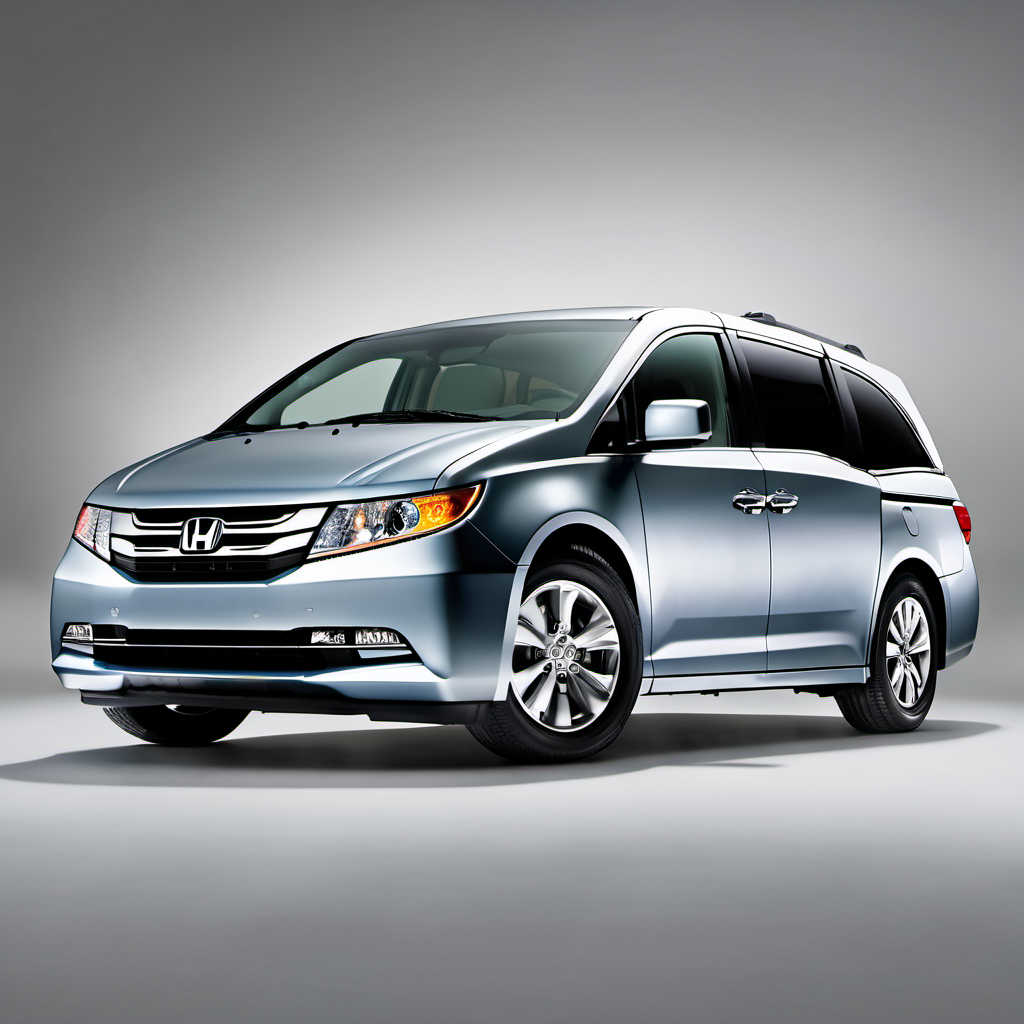
The Odyssey is the reliability benchmark in this segment. It costs more used but typically needs less unplanned repair work. Better transmission longevity than the 62TE.
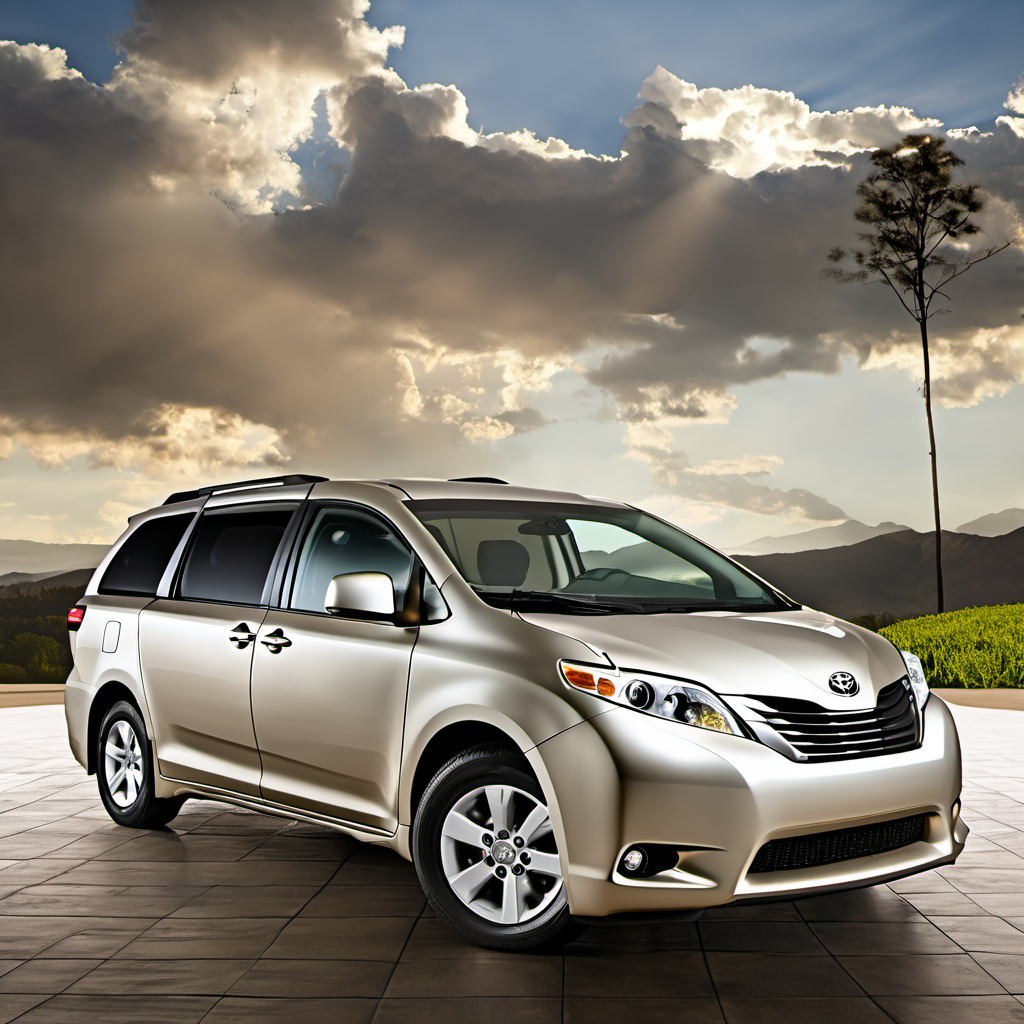
The Sienna offers available AWD — a meaningful advantage for Wisconsin winters. It's the most durable minivan of the era; prices reflect that premium.
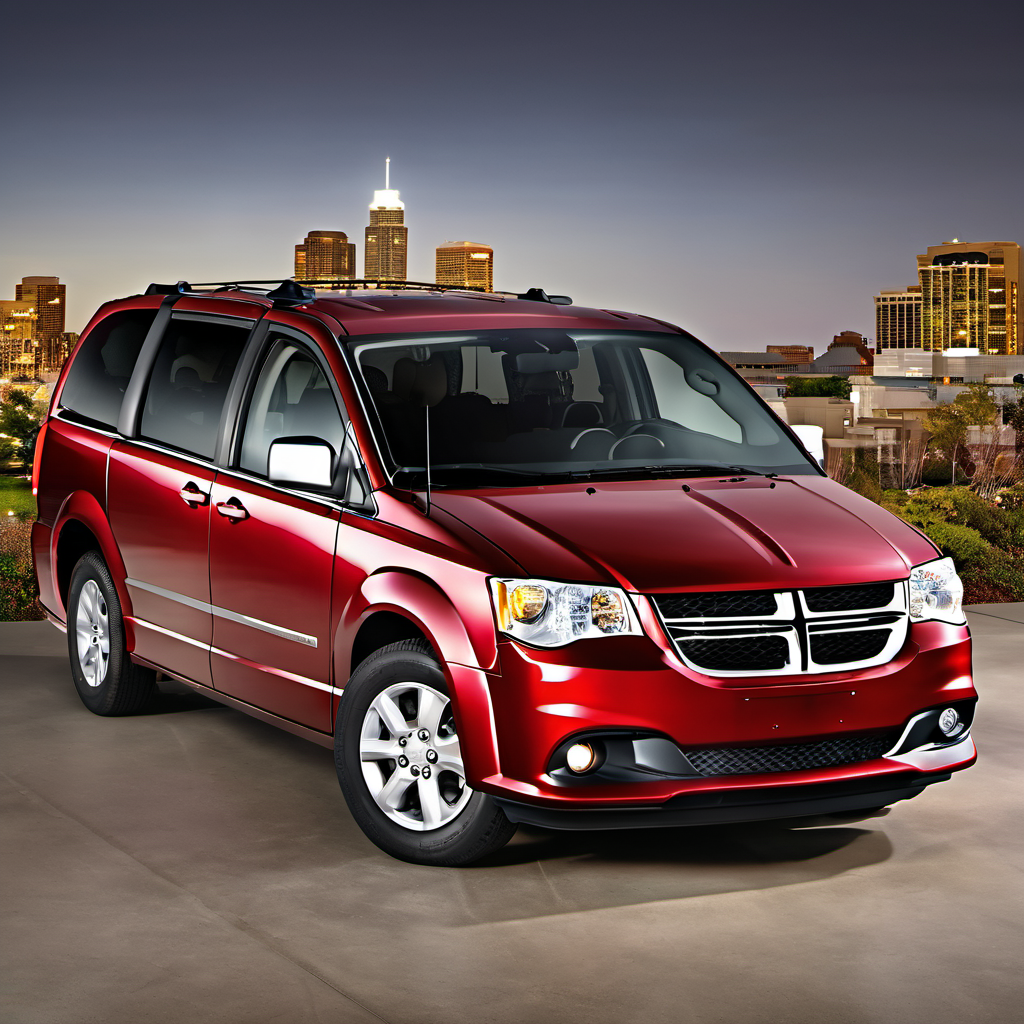
Mechanically identical to the Town & Country but with a lower price point and fewer luxury features. Good option if budget is the priority and you don't need leather or the premium trim.
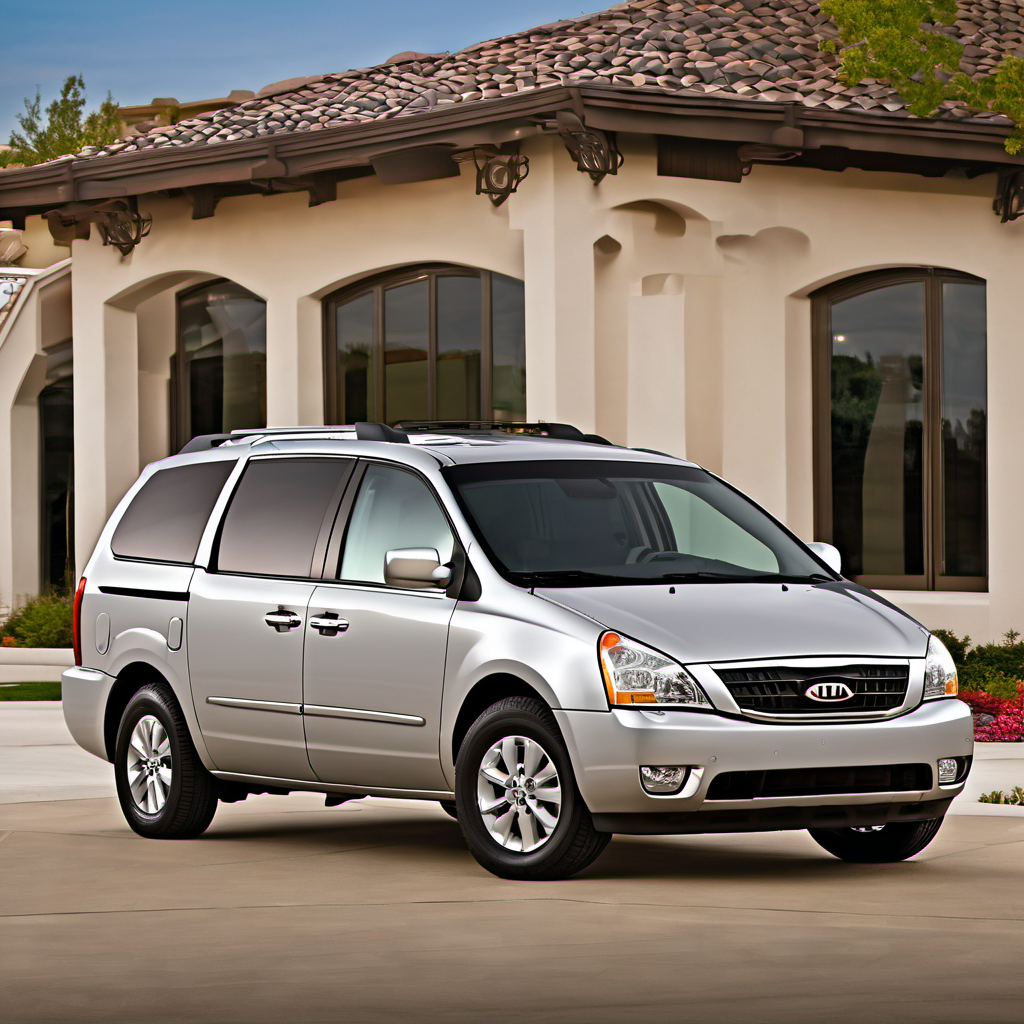
Cheaper to buy used and surprisingly durable. Less feature-rich than the T&C but simpler mechanically. Worth considering if you want lower used-market prices.