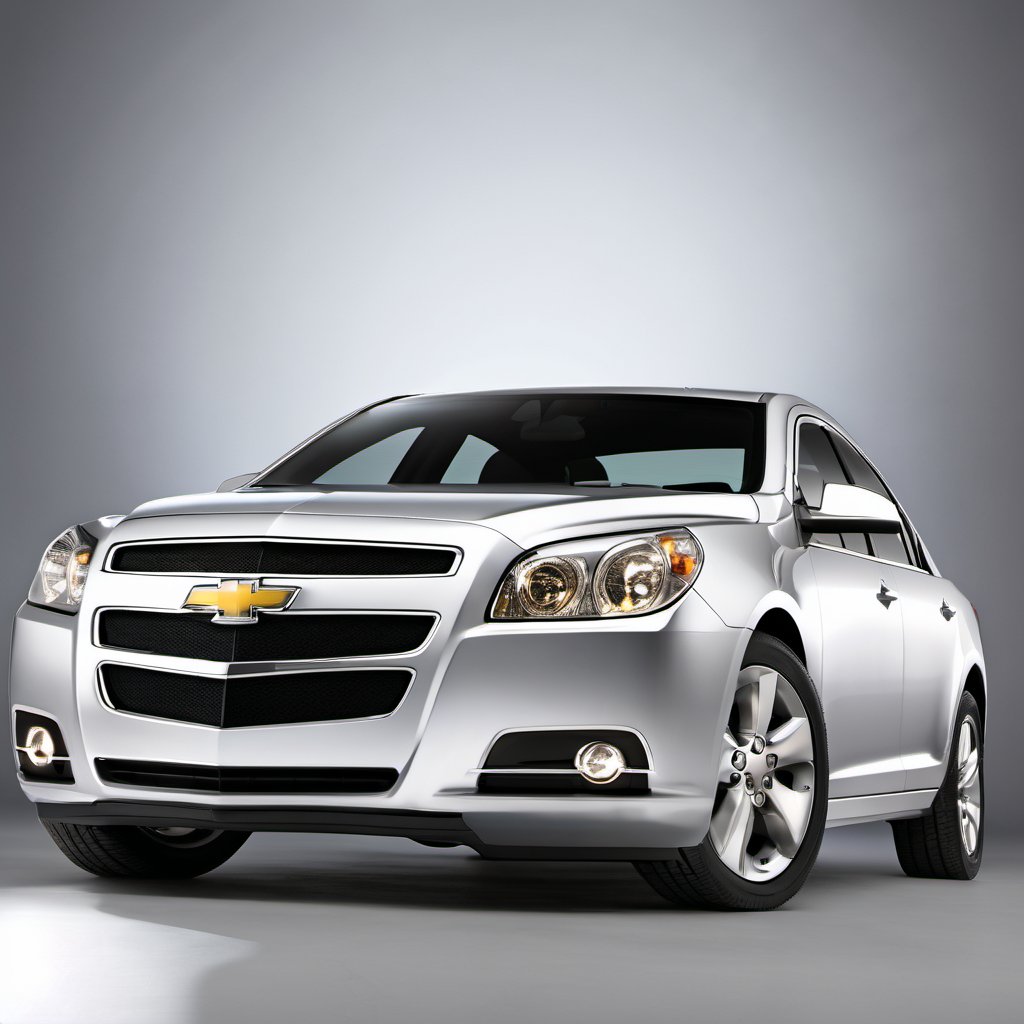
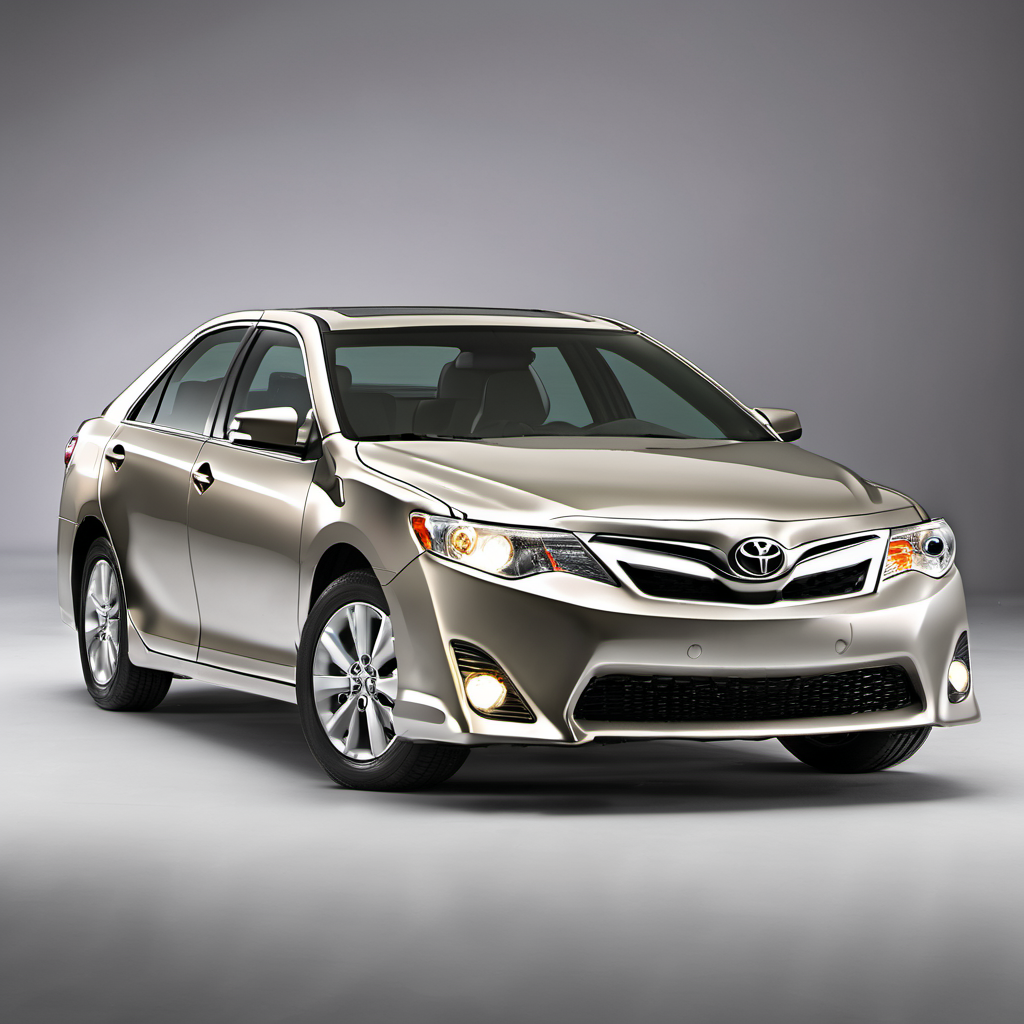
2012 Chevrolet Malibu Sedan

2012 Chevrolet

MalibuSedan

2.4L I4 Ecotec · Sedan

The 2012 Chevrolet Malibu is a front-wheel-drive mid-size sedan built on GM's Epsilon platform. It was offered with a 2.4L Ecotec inline-four or an optional 3.6L V6, paired with a 6-speed automatic. This generation (2008–2012) represented a genuine improvement over the Malibu's rental-fleet reputation of the early 2000s — it's comfortable, reasonably roomy, and returns decent fuel economy from the four-cylinder. For everyday commuting and family transport, the 2012 Malibu does the job without drama. The 2.4L engine with Variable Valve Timing (VVT) is the most common engine in the field and is generally durable when oil changes are kept up. The 3.6L V6 adds punch but drinks more fuel and brings more complexity. By 2012 this generation was at end-of-life — Chevy replaced it with the seventh-gen Malibu for 2013. That means 2012 examples are plentiful and affordable, but replacement parts for things like the power steering (electric) and VVT components may require attention. A well-maintained example with clean oil change history is a solid used buy; a neglected one can get expensive fast.

Reliability
3/5
Verified data
Specs shown for Malibu — the most common configuration. Other trims may vary in engine, drivetrain, or fuel economy. Sign in to see your vehicle's exact specs.
Engine
[object Object]
Drivetrain
FWD
Fuel
Gasoline
MPG
22 city / 33 hwy / 26 combined
Seats
5
Doors
4
Body
Sedan
MSRP
$22,085

Overview

AI-curated

The 2012 Chevrolet Malibu is a front-wheel-drive mid-size sedan built on GM's Epsilon platform. It was offered with a 2.4L Ecotec inline-four or an optional 3.6L V6, paired with a 6-speed automatic. This generation (2008–2012) represented a genuine improvement over the Malibu's rental-fleet reputation of the early 2000s — it's comfortable, reasonably roomy, and returns decent fuel economy from the four-cylinder. For everyday commuting and family transport, the 2012 Malibu does the job without drama. The 2.4L engine with Variable Valve Timing (VVT) is the most common engine in the field and is generally durable when oil changes are kept up. The 3.6L V6 adds punch but drinks more fuel and brings more complexity. By 2012 this generation was at end-of-life — Chevy replaced it with the seventh-gen Malibu for 2013. That means 2012 examples are plentiful and affordable, but replacement parts for things like the power steering (electric) and VVT components may require attention. A well-maintained example with clean oil change history is a solid used buy; a neglected one can get expensive fast.

Known for
  • Comfortable ride for the segment
  • Decent fuel economy from the 2.4L four-cylinder
  • Spacious front cabin with car-like driving feel
  • Standard OnStar and StabiliTrak stability control
  • Strong crash-test scores from NHTSA and IIHS
Best for
  • Daily commuters wanting a comfortable mid-size sedan
  • Budget-conscious buyers needing reliable used transportation
  • Drivers who prioritize ride quality over sporty handling
  • Families needing a practical 5-passenger car
Watch for
  • VVT/camshaft actuator problems when oil changes are skipped
  • Timing chain stretch on higher-mileage 2.4L engines
  • Power steering noise or failure (electric assist unit)
  • Transmission shudder at highway speeds on neglected examples
  • Rust on rocker panels and wheel wells — common in Wisconsin salt country

Common issues by mileage

6 known

VVT Camshaft Actuator / Oil Control Valve Failure

high
Typically appears
70–120k mi
Estimated repair
$200 – $600

Timing Chain Stretch (2.4L Ecotec)

medium
Typically appears
90–150k mi
Estimated repair
$800 – $1,800

Intake/Exhaust VVT Solenoid Circuit Fault

medium
Typically appears
60–110k mi
Estimated repair
$150 – $450

Oxygen Sensor Heater Circuit Failure

medium
Typically appears
80–130k mi
Estimated repair
$150 – $350

Electric Power Steering Assist Noise or Loss

medium
Typically appears
60–120k mi
Estimated repair
$400 – $1,200

Rocker Panel and Underbody Rust

high
Typically appears
Any — accelerates after 80k mi in salt states
Estimated repair
$300 – $1,500

Maintenance schedule

  1. 1
    Every 5,000 miles or 6 months — do not rely solely on the GM Oil Life Monitor on a used example Engine oil and filter change

    The 2.4L VVT system is entirely oil-pressure dependent. Dirty or low oil accelerates cam actuator and timing chain wear faster than almost any other issue on this engine.

  2. 2
    Every 45,000 miles on a used vehicle, regardless of 'lifetime fluid' claims Transmission fluid change

    GM's 6T40/6T45 transmissions benefit greatly from fluid changes on used cars with unknown history. Fresh fluid prevents shudder and extends clutch pack life.

  3. 3
    Every 60,000 miles Spark plugs (iridium)

    The 2.4L Ecotec uses iridium plugs rated for 60k. Worn plugs cause misfires and can stress the ignition coils.

  4. 4
    Every 30,000 miles or annually Engine air filter

    Keeps the MAF sensor clean and maintains proper air/fuel ratio. Cheap insurance.

  5. 5
    Every 5 years or 100,000 miles (DEX-COOL) Coolant flush

    Degraded DEX-COOL becomes acidic and attacks intake gaskets and water pump seals. Don't let it go past interval.

  6. 6
    Every 3 years Brake fluid flush

    Wisconsin winters cause moisture uptake in brake fluid faster than in dry climates. Wet fluid lowers boiling point and accelerates caliper corrosion.

  7. 7
    Every 30,000 miles or at each brake job Inspect and lubricate brake caliper slide pins

    Seized caliper slides cause uneven pad wear and pull during braking — very common on Wisconsin salt-belt cars.

  8. 8
    Each spring and fall Underbody wash and rustproofing inspection

    Road salt in Lake Geneva area is heavy November through March. Inspect rocker panels, subframe, and brake lines annually. Apply undercoating if bare metal is found.

Always defer to the manufacturer's service manual for warranty-mandated intervals.

Cost of ownership

Annual maintenance
$600 – $1,200
Fuel
At 26 MPG combined and 15,000 miles/year, expect roughly $1,700–$2,000/year at current mid-grade Midwest pump prices.
Insurance
Typically $900–$1,400/year for full coverage in the Lake Geneva area for a driver with a clean record; liability-only drops significantly lower on a high-mileage used example.

The 2012 Malibu is an affordable car to own when it's maintained — routine service runs $600–$1,200 per year. The danger zone is deferred maintenance: a neglected timing chain or VVT actuator job can run $800–$1,800 and often surprises buyers who purchased a cheap used example. Budget an extra $500–$1,000 in year one of ownership to address unknown-history items like transmission fluid, spark plugs, and coolant.
Seasonal care

Lake Geneva, WI
Winter
  • Switch to a 0W-30 or 5W-30 full synthetic oil before first freeze — cold-start oil pressure is critical for the VVT system and thinner cold-flow viscosity protects the cam actuators during sub-zero starts.
  • Test the battery every October. The 2.4L is not a hard starter, but a marginal battery that passes a summer load test often fails at -10°F. Replace any battery over 4 years old proactively.
  • Fill the washer fluid reservoir with a -20°F or lower rated fluid. The reservoir on this Malibu is large but the low-temp nozzle freeze is a real hazard on Wisconsin highways.
  • Inspect and replace wiper blades with winter-style blades before November. The Malibu's flat windshield catches a lot of blowing snow.
  • Flush and inspect the cooling system to confirm proper freeze protection to at least -34°F — test with a coolant tester, not guesswork.
  • Check the rocker panels and underbody for any existing rust or paint chips before winter; seal exposed metal before salt season begins to prevent rapid progression.
Summer
  • Check tire pressure monthly — Lake Geneva summer heat causes pressure to read 4–6 PSI higher than a cold morning fill, so set pressure when tires are cold.
  • Inspect the A/C system in May before hot weather arrives. The 2012 Malibu's A/C is capable but refrigerant leaks at the condenser and O-rings are known on older examples.
  • Check coolant level and condition — heat soak in stop-and-go traffic stresses a marginal cooling system; watch for the temperature gauge creeping higher than normal.
  • Inspect serpentine belt and tensioner — heat accelerates belt cracking on rubber that's already aged from cold Wisconsin winters.

Comparable vehicles

If you're shopping for one

Red flags
  • Any active Check Engine light related to camshaft timing (P0012, P0015, P0022, P0025) — walk away or negotiate a significant discount for repair.
  • Transmission that shudders or hesitates between 40–55 mph — fluid may be burned or clutch packs worn.
  • Rust holes or heavy scale on the rocker panels or rear subframe — structural rust is a total-loss scenario in Wisconsin.
  • Evidence of overheating in service history or a bubbling overflow tank — head gasket damage is possible.
  • No oil change records and engine oil that's black and gritty — the VVT system may already be compromised.
What to inspect
  • Pull the oil cap and check for milky sludge (coolant intrusion) or heavy black buildup — both indicate neglected oil changes that may have already damaged VVT components.
  • With the engine warm, listen for a rattling or ticking noise from the top of the engine on startup — this is timing chain slap or a worn cam actuator and is expensive to fix.
  • Test the power steering through full lock-to-lock turns — any grinding, groaning, or sudden loss of assist points to the electric power steering module.
  • Check the rocker panels (lower door sills), rear wheel arches, and subframe mounting points closely for rust perforation — this is the number-one Wisconsin used-car killer.
  • Scan for stored and pending DTCs before buying. Codes P0012, P0015, P0026, or P0027 mean VVT or timing issues that need diagnosis before purchase price is set.
  • Test all four windows, the A/C, and the heat blower — electrical gremlins on this generation can add up in repair costs quickly.
AI profile generated 20 days ago · claude-sonnet-4-6 · v2.