Theta II 2.4L Engine Connecting Rod Bearing Failure
high- Typically appears
- 60–150k mi
- Estimated repair
- $3,500 – $7,500
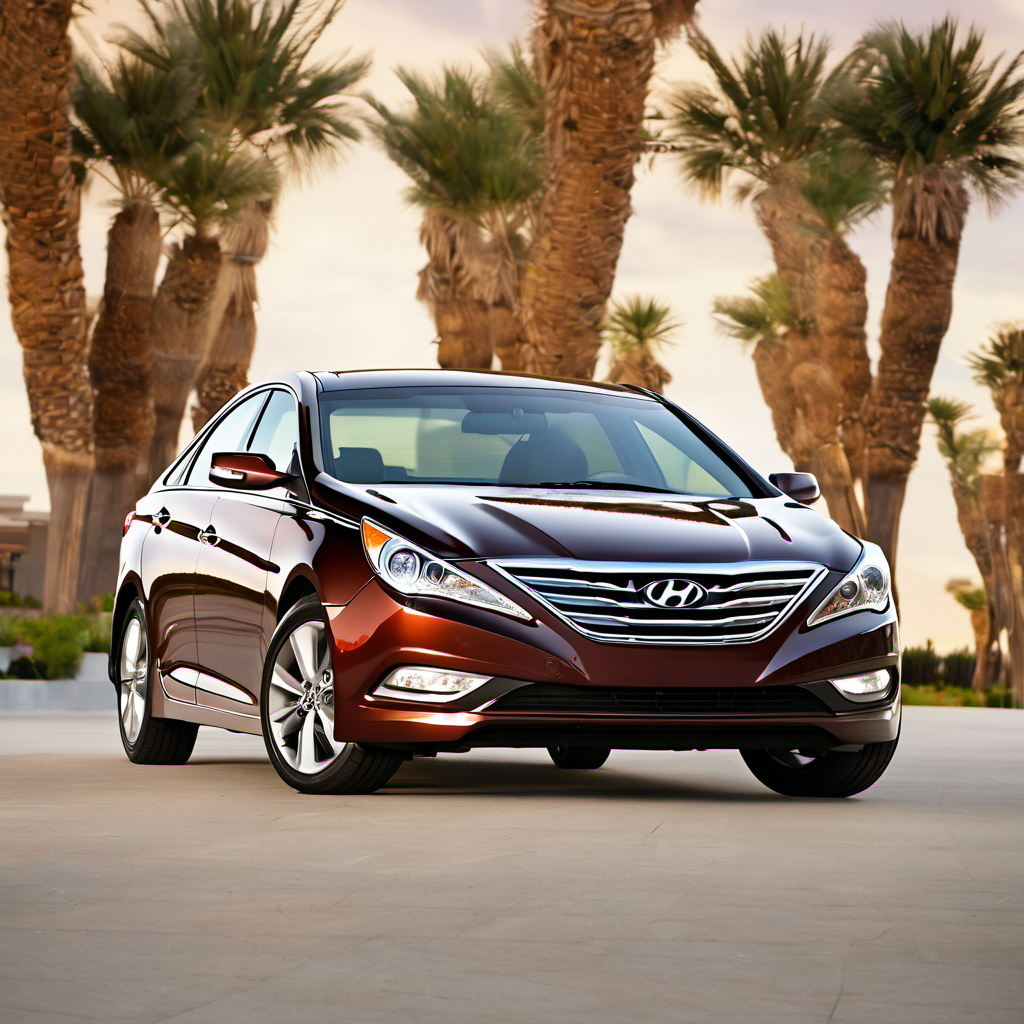
2012 Hyundai
2.4L I4 GDI (Theta II) · Sedan
The 2012 Hyundai Sonata is a front-wheel-drive mid-size sedan built on Hyundai's YF platform, the second model year of the sixth-generation redesign that debuted in 2011. It was a significant step up in quality, styling, and refinement for Hyundai and helped cement the brand's reputation as a legitimate mainstream competitor. Two engines were offered: the standard 2.4L four-cylinder and an optional 2.0T turbocharged four-cylinder, both paired with a 6-speed automatic. The Sonata earned strong safety ratings and was frequently praised for its value proposition — lots of interior room, a comfortable ride, and a generous feature set at a competitive price. Fuel economy was respectable for the class. These qualities made it a popular choice for commuters and families alike. However, the 2012 model year carries a well-documented and serious concern: the 2.4L GDI engine (Theta II) is subject to manufacturing defects that can cause connecting rod bearing failure and engine seizure, sometimes without warning. Hyundai extended the powertrain warranty and issued service campaigns related to this, but used buyers must verify completion of any open recalls or campaigns before purchase.
The 2012 Hyundai Sonata is a front-wheel-drive mid-size sedan built on Hyundai's YF platform, the second model year of the sixth-generation redesign that debuted in 2011. It was a significant step up in quality, styling, and refinement for Hyundai and helped cement the brand's reputation as a legitimate mainstream competitor. Two engines were offered: the standard 2.4L four-cylinder and an optional 2.0T turbocharged four-cylinder, both paired with a 6-speed automatic. The Sonata earned strong safety ratings and was frequently praised for its value proposition — lots of interior room, a comfortable ride, and a generous feature set at a competitive price. Fuel economy was respectable for the class. These qualities made it a popular choice for commuters and families alike. However, the 2012 model year carries a well-documented and serious concern: the 2.4L GDI engine (Theta II) is subject to manufacturing defects that can cause connecting rod bearing failure and engine seizure, sometimes without warning. Hyundai extended the powertrain warranty and issued service campaigns related to this, but used buyers must verify completion of any open recalls or campaigns before purchase.
The Theta II engine's bearing failure issue is worsened by oil degradation and low oil level. Frequent changes with full synthetic are the single best thing you can do to protect this engine. Check the dipstick monthly — these engines can consume oil between changes.
Documented oil consumption means this engine can run low well before your next scheduled change. Low oil is a direct path to bearing damage. Check it yourself at every fill-up if you want to be safe.
Hyundai issued multiple service campaigns for Theta II engine bearing debris. Confirm via NHTSA VIN lookup and Hyundai dealer service history that all open campaigns have been performed.
GDI engines are sensitive to ignition performance. Worn plugs can cause misfires that stress the engine and set VVT-related codes.
Wisconsin's winter road grit and summer pollen load up filters faster than warmer climates. A clogged filter hurts GDI fuel trims.
Degraded coolant causes corrosion in the aluminum engine block and can lead to water pump failure. Critical for surviving Wisconsin freeze-thaw cycles.
Brake fluid absorbs moisture over time. In Wisconsin winters, moisture-laden fluid can cause brake line corrosion and reduced boiling point in hard stops.
Winter driving demands full visibility and clean airflow. Replace wipers with winter-rated blades in October and check cabin filter for mold or debris.
Always defer to the manufacturer's service manual for warranty-mandated intervals.
Day-to-day running costs are reasonable — fuel economy is good and routine maintenance is affordable at an independent shop. The wildcard is the engine. If the Theta II bearings let go, you're looking at a $3,500–$7,500 repair that can exceed the car's market value. Budget for that risk or verify the service campaigns are complete. Parts availability is good and labor rates for this platform are not excessive.
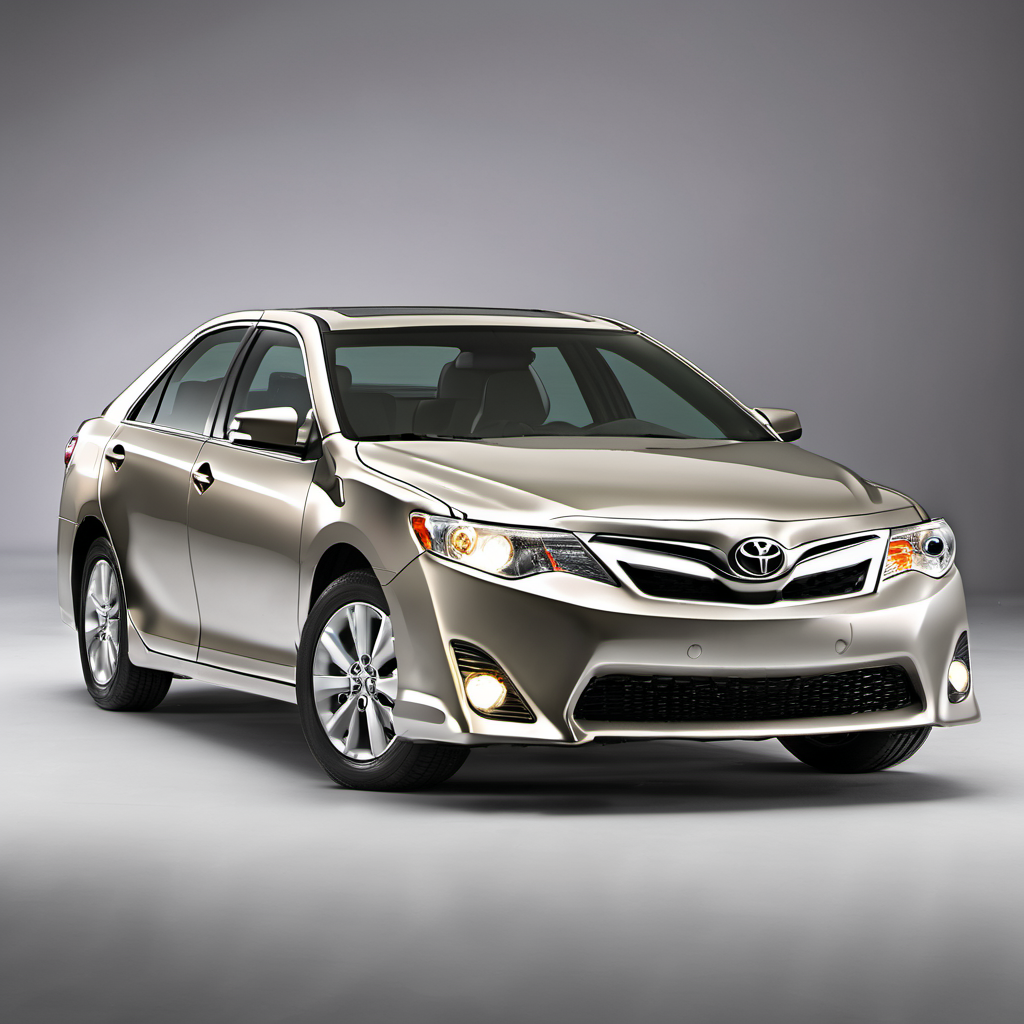
Direct mid-size sedan competitor at a similar price point. The 2012 Camry 2.5L 4-cylinder has a stronger long-term reliability record — specifically avoids the engine defect concerns of the Sonata. Slightly less stylish but a safer used buy.
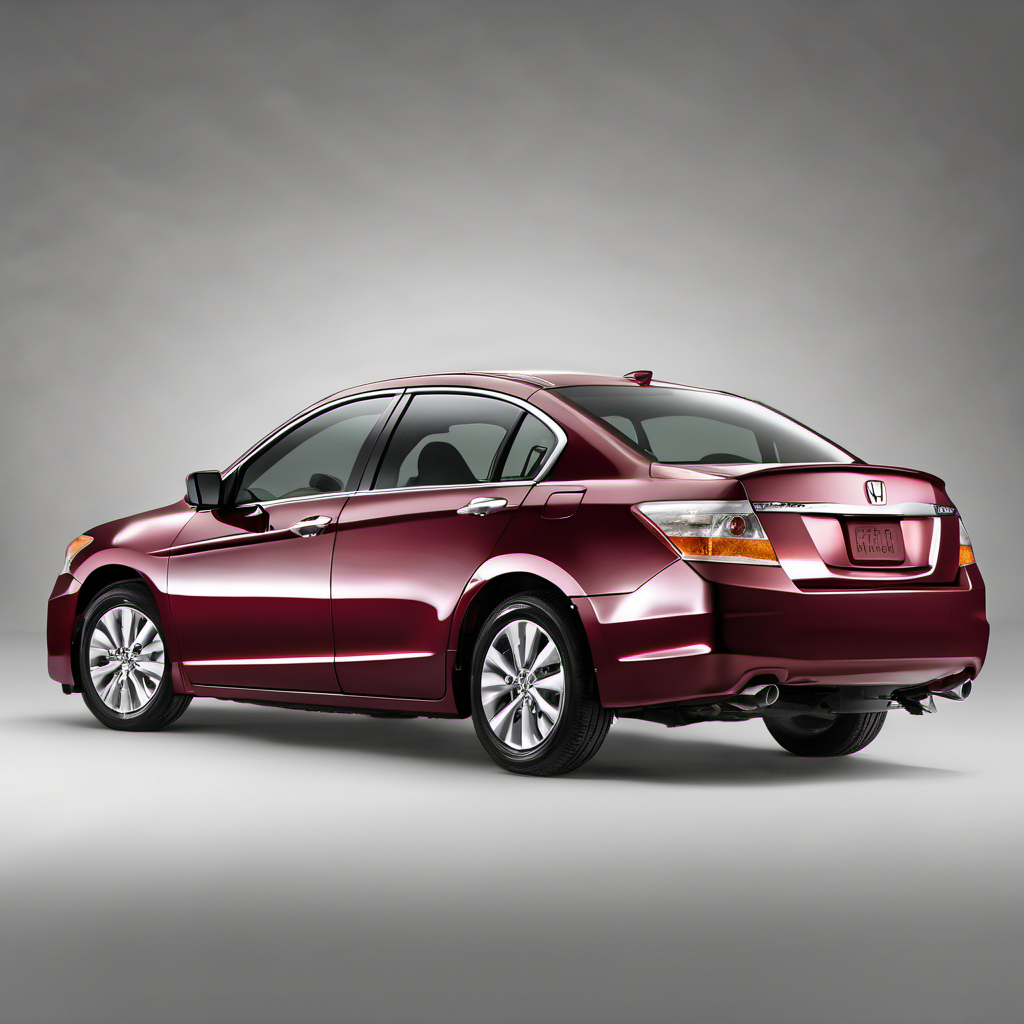
Another class benchmark. The 2012 Accord 2.4L i-VTEC is proven, oil-tight, and routinely goes 200k+ miles with maintenance. Similar size, slightly more driver-focused, and a strong alternative if the Sonata's engine history concerns you.
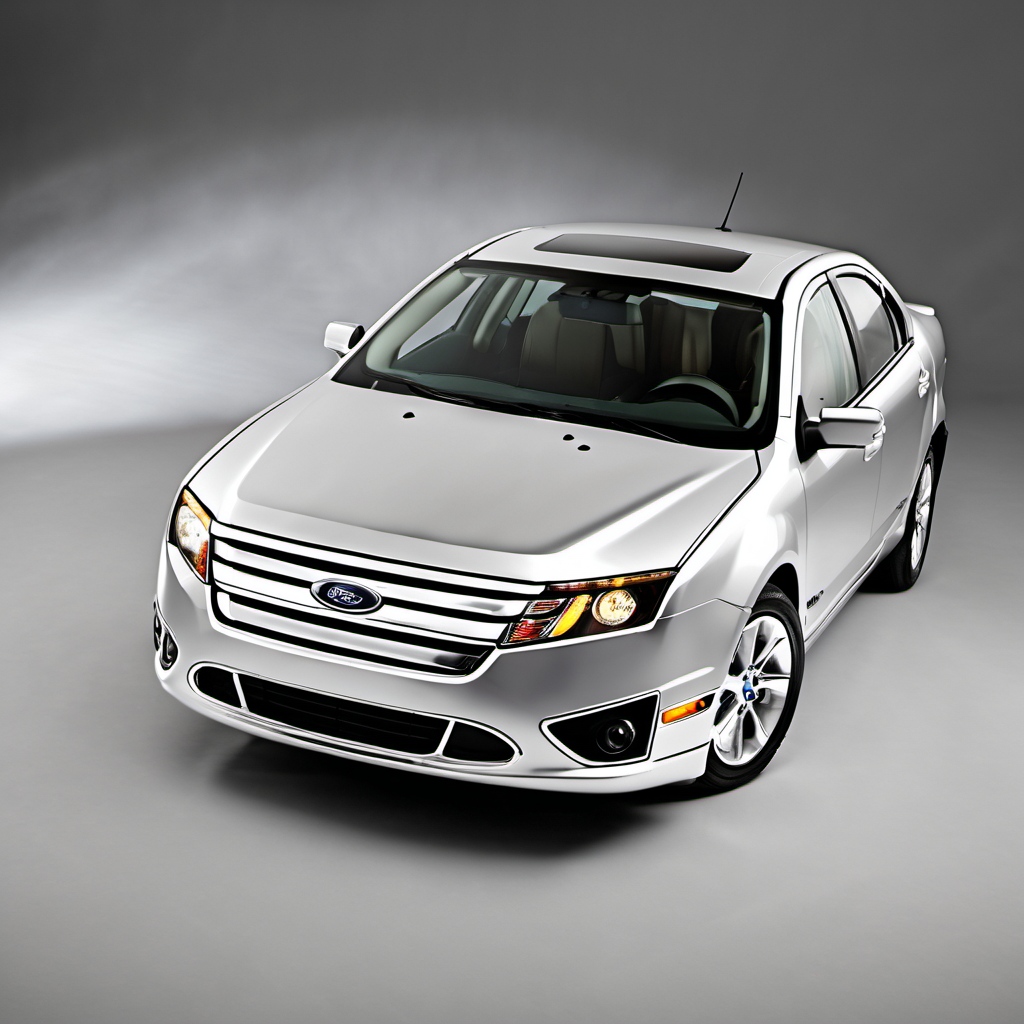
Competitive mid-size sedan with a well-regarded 2.5L Duratec four-cylinder. Good value, strong safety scores, and widely supported at independent shops in the Midwest. Worth cross-shopping at the same budget.
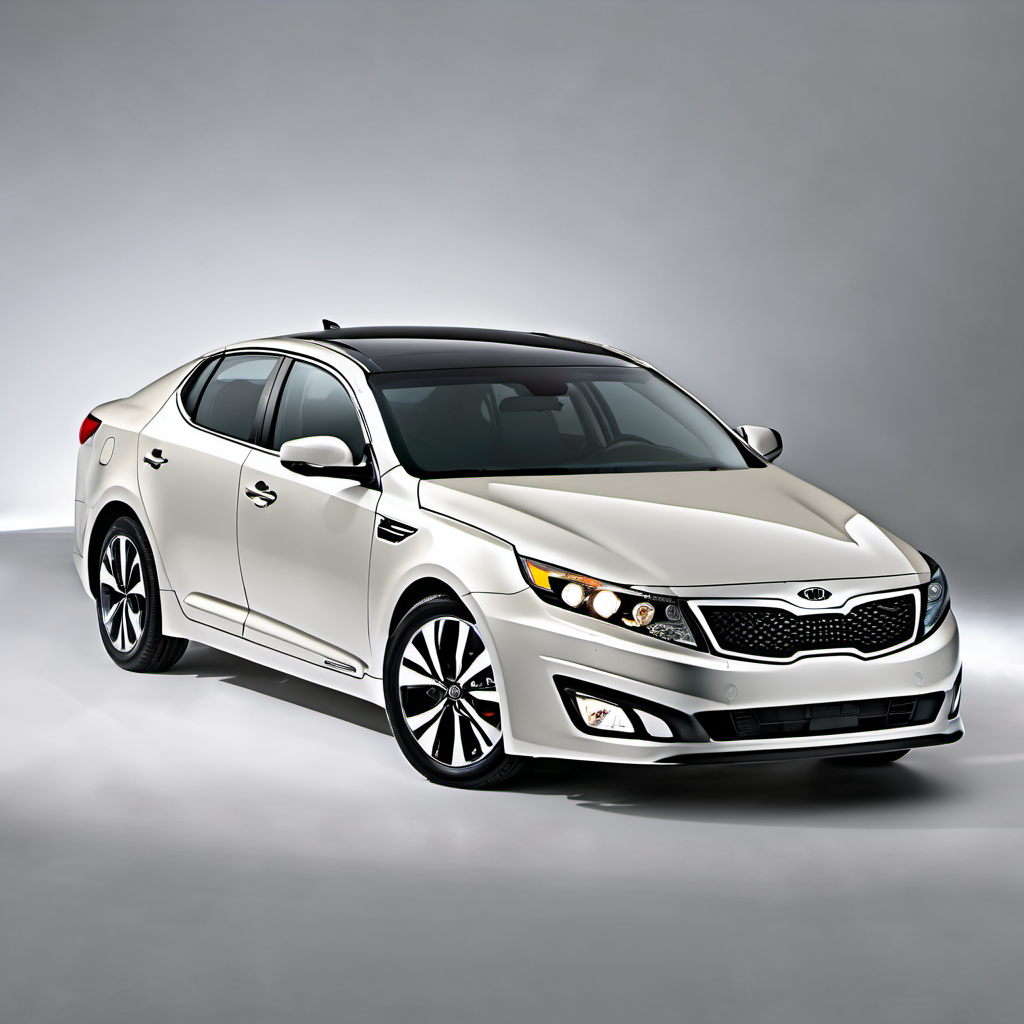
Sister platform to the Sonata — same Theta II engine concern applies, so not a way to escape the engine issue. However, if you already own a Sonata and want to compare parts and service costs, the Optima shares nearly everything mechanically.