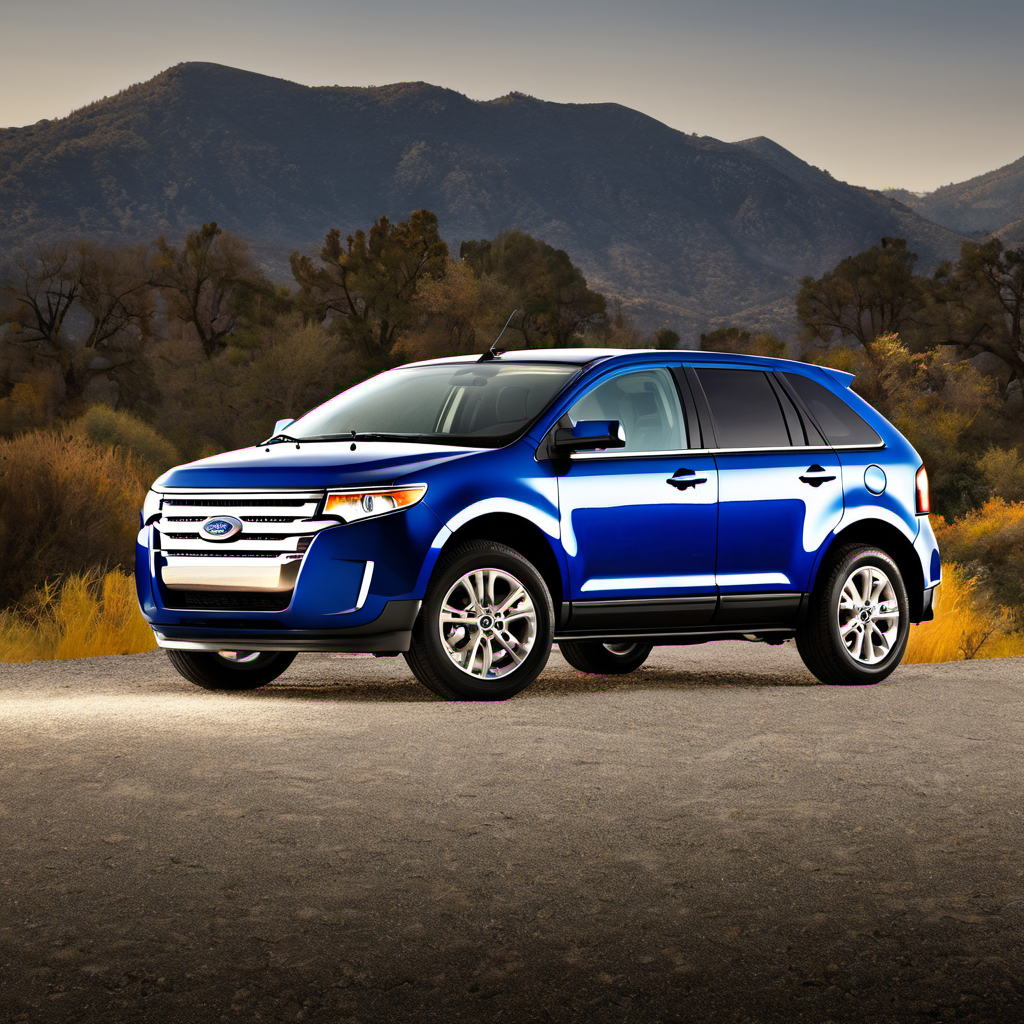
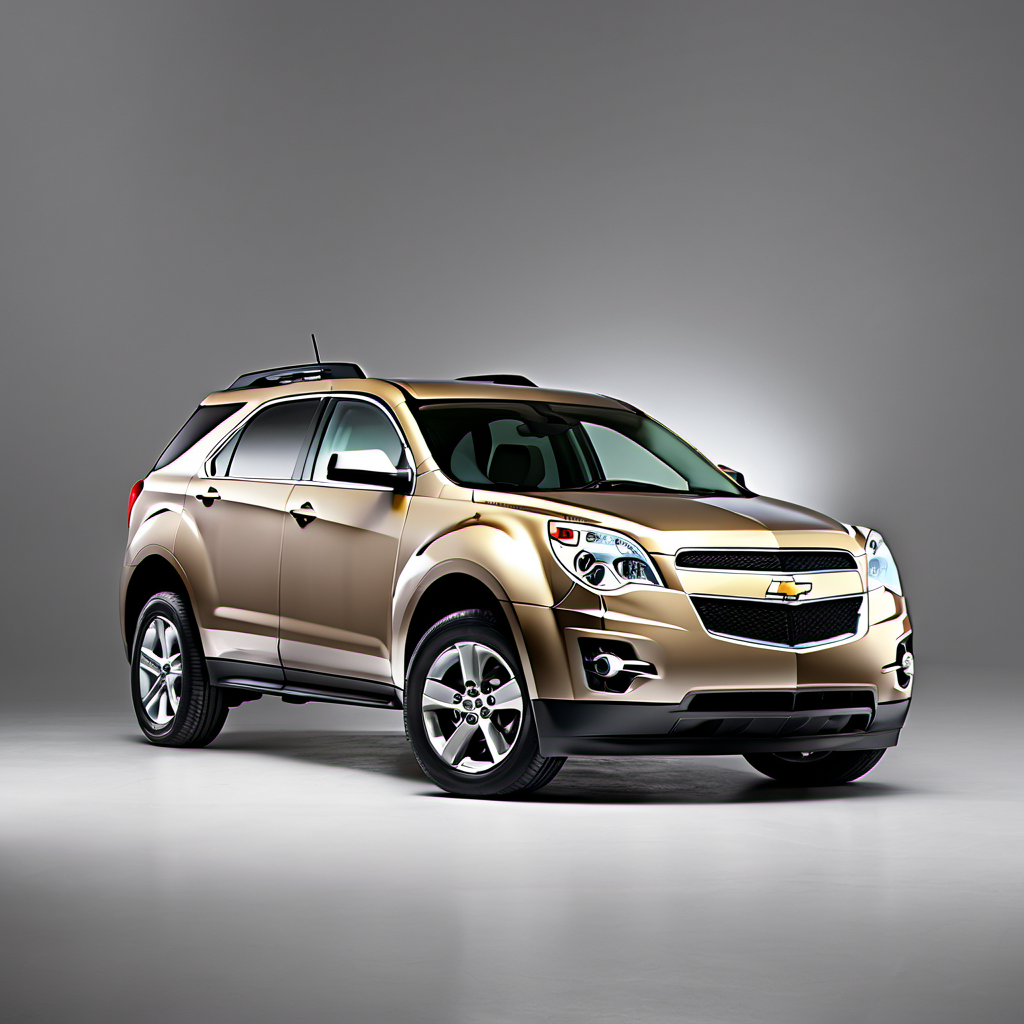
2011 Ford Edge SUV
Popular pick

2011 Ford

EdgeSUV

3.5L V6 Duratec 35 · SUV

The 2011 Ford Edge is a mid-size crossover SUV that hit a sweet spot between a car-like ride and practical family utility. Built in Oakville, Ontario, Canada, the first-generation Edge (2007–2014) carved out a loyal following for its roomy interior, comfortable highway manners, and relatively stylish exterior for the era. The 3.5L Duratec V6 with AWD is the powertrain most buyers gravitated toward, and it gives the Edge enough grunt for daily driving, light towing (up to ~3,500 lbs), and confident merging. The 6-speed SelectShift automatic is generally smooth. Fuel economy is where this generation shows its age — expect real-world numbers in the 17–22 mpg range with AWD. By 2011 Ford had worked out most of the rough edges from the early model years. It's a reasonably reliable daily driver but not without its quirks — particularly around the PTU (power transfer unit) on AWD models, the MyFord/SYNC infotainment system, and door-latch issues that popped up fleet-wide. Budget for those going in and this is a solid used buy.

Reliability
3/5
Verified data
Specs shown for Edge AWD — the most common configuration. Other trims may vary in engine, drivetrain, or fuel economy. Sign in to see your vehicle's exact specs.
Engine
[object Object]
Drivetrain
AWD/All-Wheel Drive
Fuel
Gasoline
MPG
18 city / 25 highway
Seats
Doors
4
Body
Sport Utility Vehicle - 2WD
MSRP
$31,945

Overview

AI-curated

The 2011 Ford Edge is a mid-size crossover SUV that hit a sweet spot between a car-like ride and practical family utility. Built in Oakville, Ontario, Canada, the first-generation Edge (2007–2014) carved out a loyal following for its roomy interior, comfortable highway manners, and relatively stylish exterior for the era. The 3.5L Duratec V6 with AWD is the powertrain most buyers gravitated toward, and it gives the Edge enough grunt for daily driving, light towing (up to ~3,500 lbs), and confident merging. The 6-speed SelectShift automatic is generally smooth. Fuel economy is where this generation shows its age — expect real-world numbers in the 17–22 mpg range with AWD. By 2011 Ford had worked out most of the rough edges from the early model years. It's a reasonably reliable daily driver but not without its quirks — particularly around the PTU (power transfer unit) on AWD models, the MyFord/SYNC infotainment system, and door-latch issues that popped up fleet-wide. Budget for those going in and this is a solid used buy.

Known for
  • Comfortable, car-like ride quality for the segment
  • Spacious rear passenger room and generous cargo area
  • Strong 3.5L V6 with adequate towing capacity
  • Ford SYNC voice controls — ahead of its time, but buggy by modern standards
Best for
  • Families needing daily-driver utility without truck-like handling
  • Highway commuters who value ride comfort over off-road ability
  • Budget-conscious used SUV shoppers wanting V6 power
  • Drivers in Wisconsin who want AWD without going to a truck platform
Watch for
  • PTU (power transfer unit) on AWD models leaks and fails without regular fluid changes
  • Door latch failures — a known Ford fleet-wide issue on this era
  • Panoramic roof drains clog and cause interior water leaks (if equipped)
  • SYNC/MyFord Touch system can be slow and frustrating on high trims
  • Coolant crossover tube (plastic) can crack and cause overheating on the 3.5L

Common issues by mileage

6 known

PTU (Power Transfer Unit) Failure — AWD Models

high
Typically appears
60–120k mi
Estimated repair
$800 – $2,200

Door Latch Failure (won't open or close properly)

high
Typically appears
60–150k mi
Estimated repair
$150 – $500

Coolant Crossover Tube Crack / Coolant Leak

medium
Typically appears
80–140k mi
Estimated repair
$300 – $800

Panoramic Sunroof Drain Clog / Interior Water Leak (if equipped)

medium
Typically appears
50–120k mi
Estimated repair
$100 – $400

Maintenance schedule

  1. 1
    Every 30,000–40,000 miles PTU Fluid Change (AWD only)

    The PTU has no factory-scheduled service in the owner's manual, but the small fluid reservoir breaks down and causes premature bearing and gear wear. This is the single most neglected item on AWD Edges. Do it — it's cheap insurance against a $1,500+ repair.

  2. 2
    Every 5,000–7,500 miles Engine Oil Change (full synthetic, 5W-20)

    The 3.5L VCT (variable cam timing) system relies on clean oil pressure to operate the phasers correctly. Dirty or low oil is the #1 cause of P0012/P0022 codes and premature phaser wear.

  3. 3
    Every 60,000 miles Rear Differential Fluid Change (AWD only)

    Often overlooked alongside the PTU. Fresh fluid keeps the rear clutch pack operating smoothly and prevents AWD shudder.

  4. 4
    Every 60,000 miles Transmission Fluid Change

    Ford listed this as 'lifetime' fluid but independent shops and high-mileage data strongly disagree. Fresh fluid extends shift quality and torque converter life.

  5. 5
    Every 60,000 miles or 5 years Coolant System Inspection / Coolant Flush

    Inspect the plastic coolant crossover tube for cracks at this interval. A small leak can escalate to an overheating event. Use Ford-spec orange coolant (OAT) only.

  6. 6
    Every 60,000 miles Spark Plug Replacement

    The 3.5L uses iridium plugs rated for 60k. Worn plugs stress the ignition coils — replace all six at once since labor is the bigger cost on this engine.

  7. 7
    Every fall (before Wisconsin winter) Battery Load Test

    Cold cranking demands in sub-zero Lake Geneva winters expose a marginal battery fast. Test annually after year 3–4 of battery age; replace proactively rather than getting stranded.

  8. 8
    Every 2–3 years Brake Fluid Flush

    Wisconsin road salt accelerates moisture absorption in brake fluid, lowering its boiling point. A flush also lets the technician inspect brake lines for rust and corrosion.

Always defer to the manufacturer's service manual for warranty-mandated intervals.

Cost of ownership

Annual maintenance
$600 – $1,400
Fuel
At 21 MPG combined and ~15,000 miles/year, expect roughly $1,800–$2,300/year at current upper-Midwest gas prices. AWD models run slightly lower real-world MPG in winter.
Insurance
Typically $900–$1,400/year for full coverage in the Lake Geneva area for a driver with a clean record, depending on deductibles and age of vehicle.

The Edge is a middle-cost owner when properly maintained. Skip the PTU fluid and you're looking at a $1,500–$2,200 repair that blindsides most owners. Keep up with oil changes and PTU/diff service and annual maintenance stays in the $600–$1,000 range for a well-kept example. Budget higher ($1,200–$1,400) for 100k+ mile vehicles that may need ignition, cooling system, or door latch work.
Seasonal care

Lake Geneva, WI
Winter
  • Change to full synthetic 5W-20 if not already running it — cold starts below 0°F are hard on thicker conventional oils and the VCT system needs quick oil pressure on startup.
  • Load-test the battery every October. The Edge's electronics draw is higher than average and a 4-year-old battery may not crank reliably at -10°F.
  • Flush and top up washer fluid with a -20°F or colder rated fluid. The standard reservoir is large but road brine in Wisconsin will drain it fast.
  • Inspect door latch mechanisms before winter — a failing latch gets dramatically worse in freezing temperatures and can leave you locked in or out.
  • Check tire pressure monthly; pressure drops ~1 PSI per 10°F temperature change. The Edge's recommended pressure is typically 35 PSI cold.
  • Flush brake lines and inspect for rust on caliper slides and brake lines — salt spray accelerates corrosion and seized slides cause uneven wear and brake pull.
Summer
  • Check A/C refrigerant charge and cabin air filter before summer heat. The dual-zone system works well when the system is clean, but a clogged cabin filter kills airflow.
  • Inspect coolant level and crossover tube condition — heat soak on the 3.5L can expose small cracks in the plastic tube that are invisible in cooler weather.
  • Check and adjust tire pressure after winter; tires inflated for cold may be over-pressured in summer heat, causing uneven center wear.
  • Inspect the panoramic sunroof drains (if equipped) after spring — debris and maple seeds from Wisconsin trees love to clog these, causing water to back up into the headliner.
  • Verify PTU and rear diff fluid condition if it hasn't been done — summer towing or highway driving at elevated temps accelerates fluid breakdown.

Comparable vehicles

If you're shopping for one

Red flags
  • Any evidence of PTU oil leak (wet undercarriage near the front of the driveshaft on driver's side) without records of a recent repair.
  • Rough idle or hesitation that appears after the engine is fully warm — could signal worn VCT phasers needing oil-passage cleaning or replacement.
  • U0100–U0104 network codes in memory — these suggest a deeper electrical or module issue that warrants a full diagnostic before buying.
  • Milky or discolored engine oil — potential head gasket seepage on a high-mileage 3.5L.
  • Sagging or stained headliner around the sunroof — water intrusion repair costs can escalate quickly if mold has developed.
What to inspect
  • Pull a PTU fluid sample or ask for service records proving it was changed — brown, gritty fluid means it was neglected and failure may be imminent.
  • Check all four door latches: open and close each door firmly and test the release from both inside and outside.
  • With the engine warm, look for coolant smell or white steam near the upper engine valley — the crossover tube leak often shows up here first.
  • Scan for stored DTCs, especially P0012, P0015, P0022, P0025 — these point to VCT/phaser issues that can be expensive if ignored.
  • If equipped with the panoramic roof, check the headliner at the front corners for water staining — a telltale sign of clogged drains.
  • Test SYNC fully: Bluetooth pairing, radio, backup camera. A broken screen or dead SYNC module is a $300–$700 repair and a nuisance to live with.
AI profile generated 4 days ago · claude-sonnet-4-6 · v2.