Random/Multiple Cylinder Misfire
medium- Typically appears
- 60–90k mi
- Estimated repair
- $350 – $600
2009 Aston
4.7L V8
The 2009 Aston Martin Vantage is a hand-built British sports car powered by a naturally aspirated 4.7L V8. It sits at the entry point of the Aston Martin lineup but still delivers genuine supercar character — a sonorous exhaust note, rear-wheel drive, and a beautifully weighted chassis that rewards skilled drivers. Production volumes were low and build quality varied, which is both part of the charm and the source of many ownership headaches. This generation Vantage (2005–2017) shared its platform and some electrical architecture with the DB9. The 4.7L V8 replaced the earlier 4.3L in 2008–2009 and is generally considered the stronger of the two engines. However, Aston's reliance on Ford-era electrical components (borrowed from Jaguar/Ford parts bins) means reliability is well below what the price tag suggests. This is a weekend and warm-weather car for most owners. Storing it during Wisconsin winters and keeping up with the demanding maintenance schedule is non-negotiable. Budget realistically — ownership costs are closer to a lightly used supercar than a sports sedan.
The 2009 Aston Martin Vantage is a hand-built British sports car powered by a naturally aspirated 4.7L V8. It sits at the entry point of the Aston Martin lineup but still delivers genuine supercar character — a sonorous exhaust note, rear-wheel drive, and a beautifully weighted chassis that rewards skilled drivers. Production volumes were low and build quality varied, which is both part of the charm and the source of many ownership headaches. This generation Vantage (2005–2017) shared its platform and some electrical architecture with the DB9. The 4.7L V8 replaced the earlier 4.3L in 2008–2009 and is generally considered the stronger of the two engines. However, Aston's reliance on Ford-era electrical components (borrowed from Jaguar/Ford parts bins) means reliability is well below what the price tag suggests. This is a weekend and warm-weather car for most owners. Storing it during Wisconsin winters and keeping up with the demanding maintenance schedule is non-negotiable. Budget realistically — ownership costs are closer to a lightly used supercar than a sports sedan.
The 4.7L V8 is oil-sensitive. Using the wrong viscosity or extending the interval accelerates wear. Budget ~$300 per service at an independent specialist — this is not a car for quick-lube shops.
RWD and a low, wide stance mean rear tires wear faster. Regular rotation extends tire life on these expensive low-profile fitments.
High-performance braking generates significant heat. Moisture-contaminated fluid lowers the boiling point and can cause fade or corrosion in the ABS module.
Cooling system failures are a known issue on this platform. Fresh coolant with the correct inhibitor package helps protect aluminum components and the water pump.
Critical for both the manual and Sportshift automated-manual variants. The Sportshift gearbox is especially sensitive to fluid condition — degraded fluid leads to rough shifts and costly actuator damage.
The V8's design allows carbon deposits to build on intake valves. Walnut blasting or chemical cleaning before deposits become severe prevents rough idle, misfires, and loss of power.
The Vantage has a high parasitic draw from its alarm and electronics. A discharged battery can corrupt the Sportshift ECU and cause expensive electrical faults.
Hose failures are a documented weak point. A roadside coolant loss event on a hot V8 can cause severe engine damage quickly. Catching a weeping hose early is cheap insurance.
Always defer to the manufacturer's service manual for warranty-mandated intervals.
This is an expensive car to own even when nothing goes wrong. Annual maintenance alone runs $2,500–$5,000 at an independent specialist following the factory schedule. A single major repair — clutch replacement, catalytic converters, Sportshift actuator — can add $1,500–$4,000 on top of that in any given year. Owners who skip or defer maintenance to save money tend to face much larger bills within 10,000–20,000 miles. Budget a dedicated repair reserve of at least $3,000–$5,000 per year beyond routine maintenance.
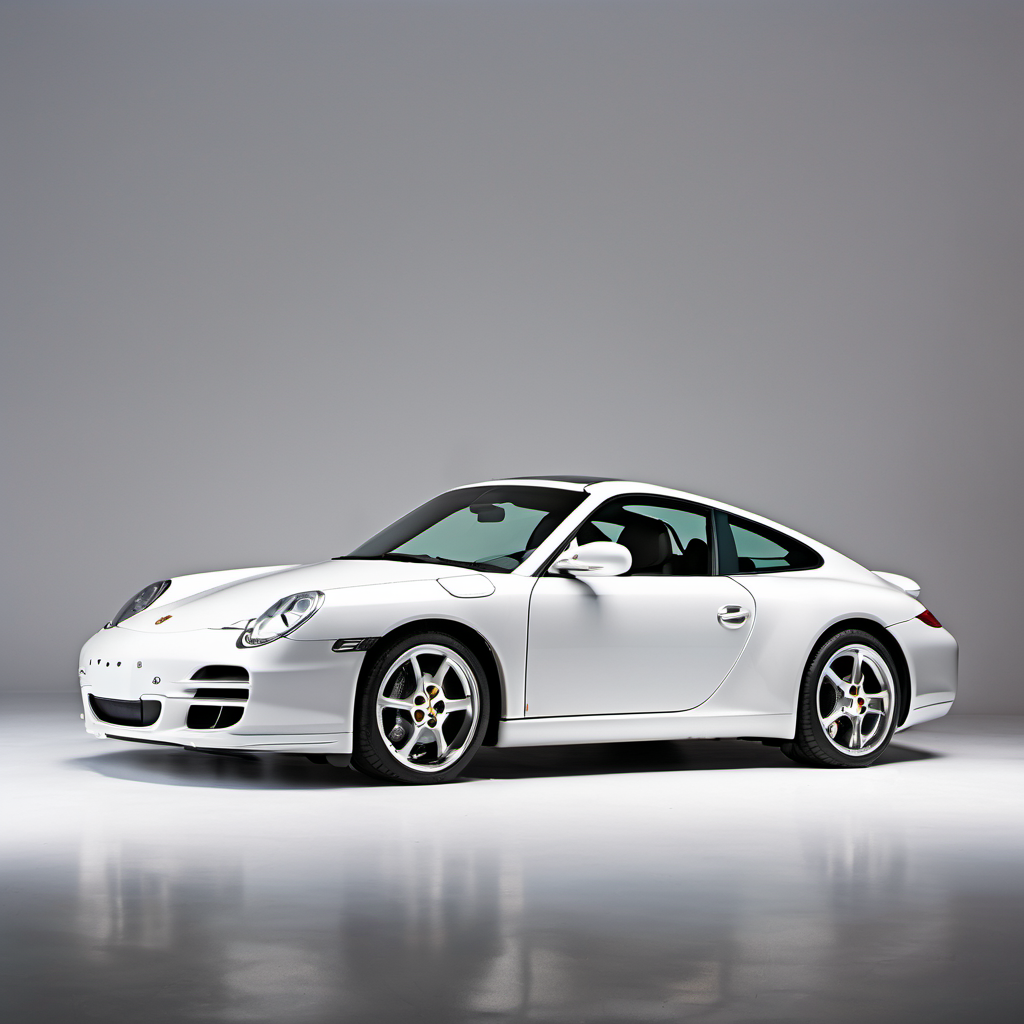
Similar price bracket, rear-engine RWD sports coupe with comparable performance. Significantly more reliable, better dealer/independent shop support, and holds value well. The go-to benchmark for this class.
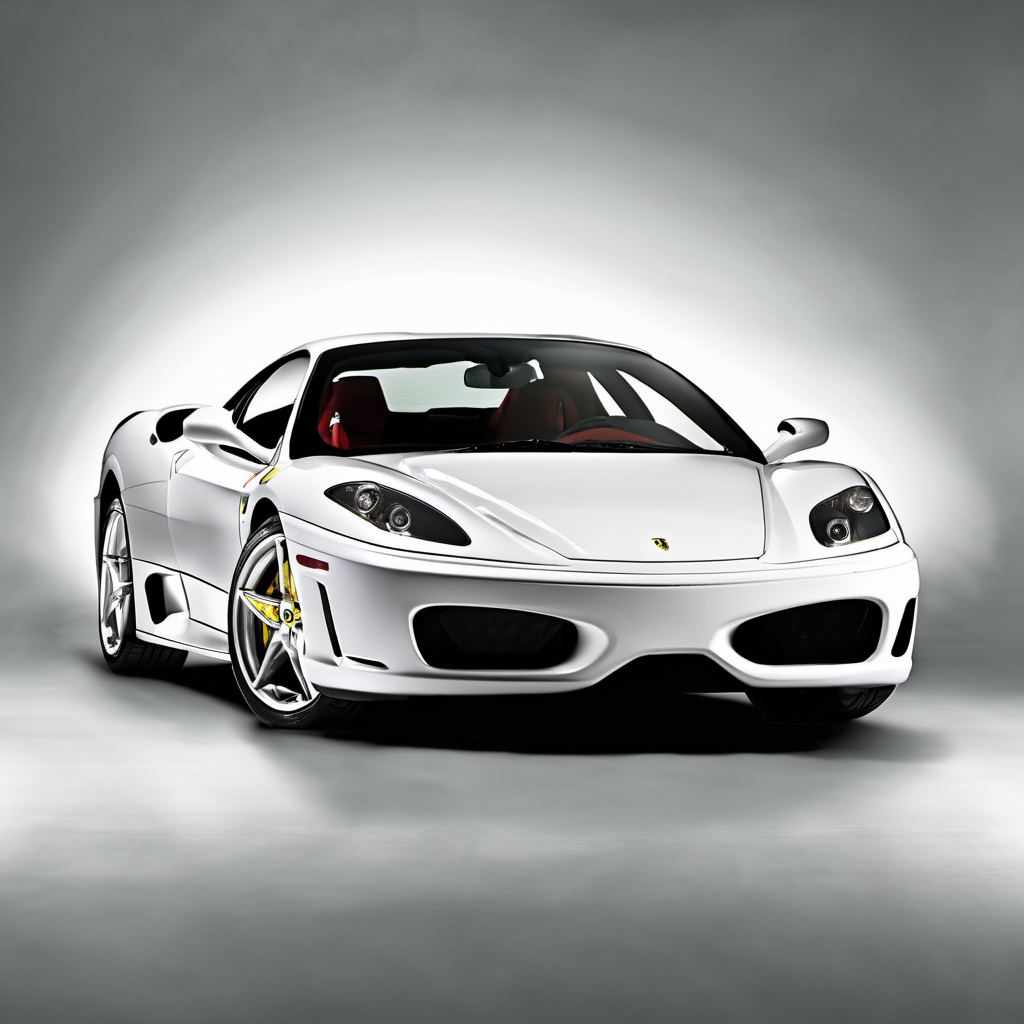
Italian exotic in the same price range with a naturally aspirated V8. Even higher maintenance costs and more demanding ownership, but stronger brand cachet and a more engaged community of specialists.
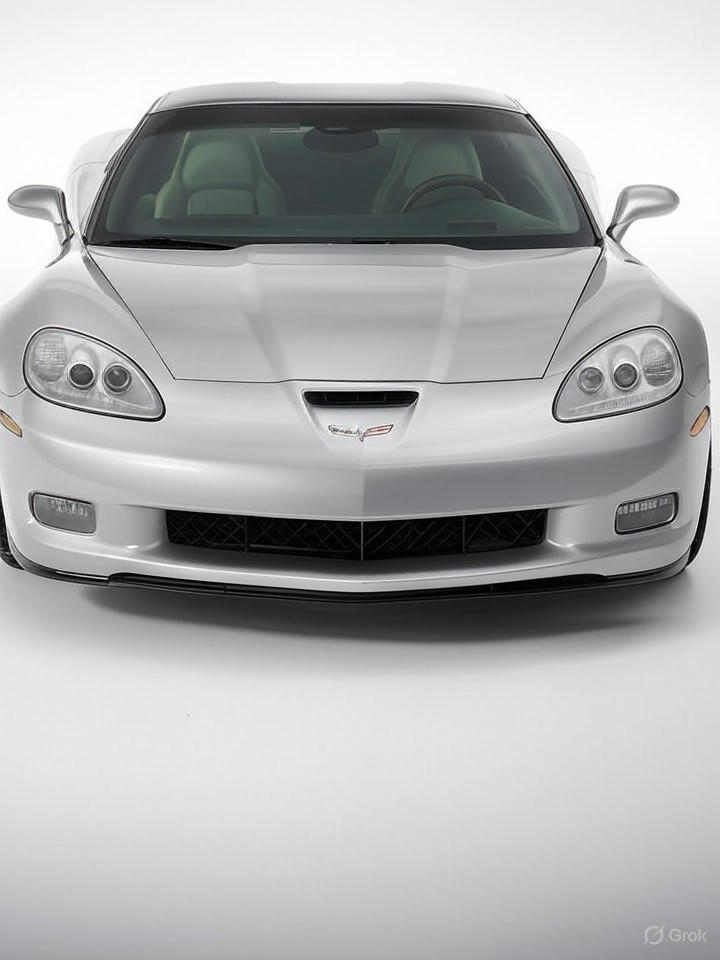
Dramatically lower purchase and operating costs with comparable or superior straight-line performance. Less exotic, but far more reliable and much easier to service anywhere in the Midwest.

Shares some Ford-era electrical DNA with the Vantage, supercharged V8, grand tourer character. More practical, better supported by the dealer network, but carries some of the same electrical reliability concerns.