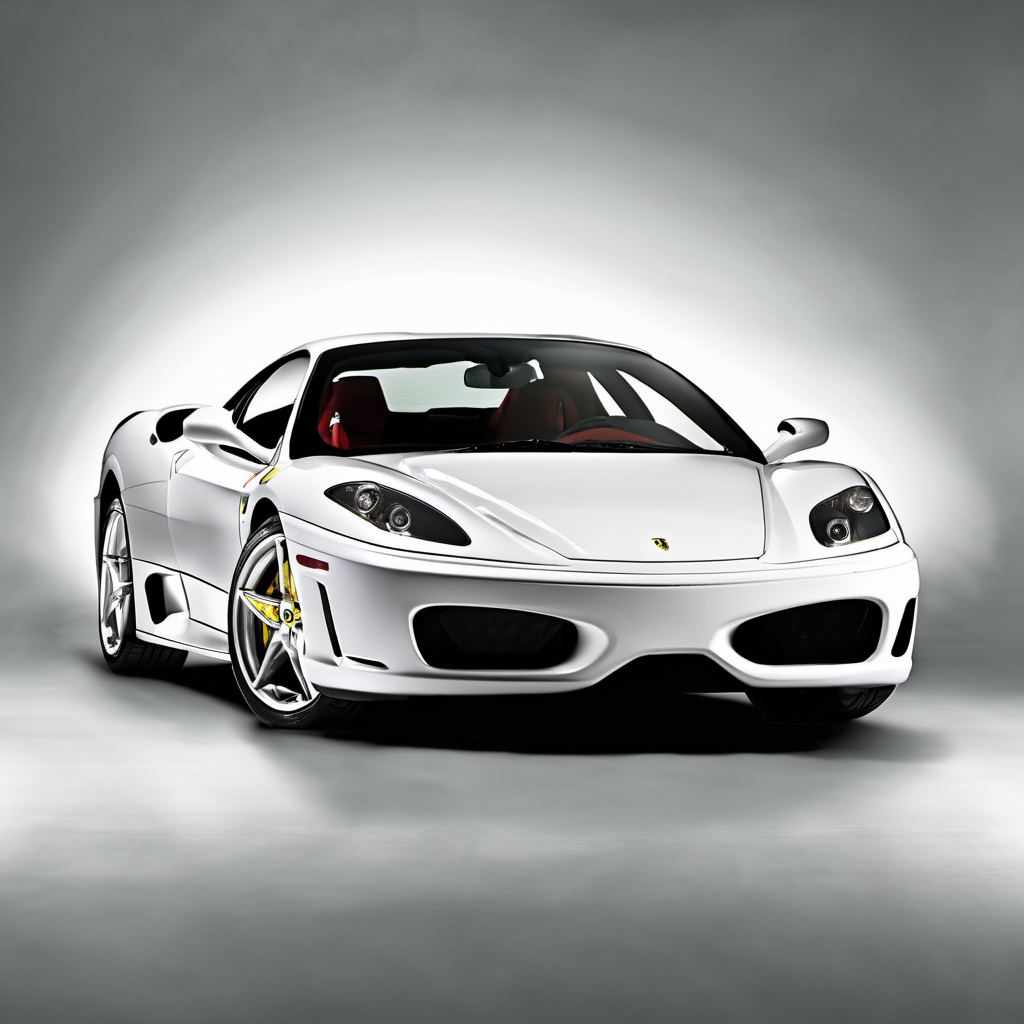
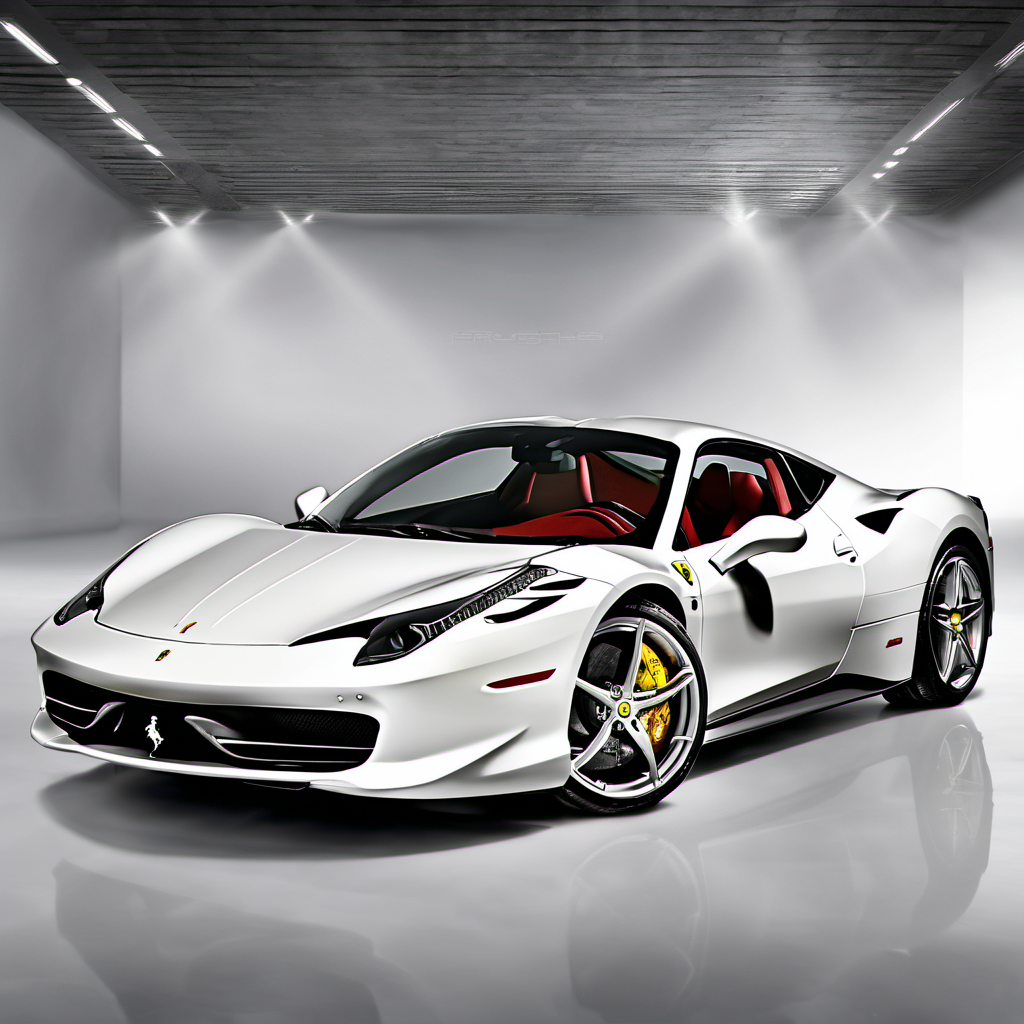
2009 Ferrari F430 Coupe

2009 Ferrari

F430Coupe

Coupe

The 2009 Ferrari F430 Coupe is the last model year of the F430 generation, which ran from 2005–2009, before the 458 Italia replaced it. Powered by a 4.3L naturally aspirated V8 mounted behind the driver, it produces 483 hp and revs to 8,500 rpm — a hallmark of Ferrari's Maranello engineering at the time. The F430 introduced the E-Diff (electronic differential) and the manettino steering wheel dial, both of which became defining features of modern Ferraris. This is a low-volume, hand-built exotic. It's not a high-mileage daily driver — most examples you'll find have under 20,000 miles and have lived garage lives. That said, sitting cars develop their own problems: dried seals, dead batteries, degraded brake fluid, and sticky clutches are more common than blown engines. The F1 paddle-shift transmission (robotized single-clutch) is the most talked-about ownership variable — it requires regular software updates and fluid service to stay smooth. Owning an F430 in the Lake Geneva area means it will likely be stored five-plus months of the year. Proper storage preparation is critical. When it does come out, it rewards drivers with one of the most sonorous and communicative sports car experiences of its era.

Reliability
3/5
Verified data
Specs shown for F430 — the most common configuration. Other trims may vary in engine, drivetrain, or fuel economy. Sign in to see your vehicle's exact specs.
Engine
[object Object]
Drivetrain
RWD
Fuel
Premium gasoline
MPG
11 city / 16 hwy / 13 combined
Seats
Doors
Body
Two Seaters

Overview

AI-curated

The 2009 Ferrari F430 Coupe is the last model year of the F430 generation, which ran from 2005–2009, before the 458 Italia replaced it. Powered by a 4.3L naturally aspirated V8 mounted behind the driver, it produces 483 hp and revs to 8,500 rpm — a hallmark of Ferrari's Maranello engineering at the time. The F430 introduced the E-Diff (electronic differential) and the manettino steering wheel dial, both of which became defining features of modern Ferraris. This is a low-volume, hand-built exotic. It's not a high-mileage daily driver — most examples you'll find have under 20,000 miles and have lived garage lives. That said, sitting cars develop their own problems: dried seals, dead batteries, degraded brake fluid, and sticky clutches are more common than blown engines. The F1 paddle-shift transmission (robotized single-clutch) is the most talked-about ownership variable — it requires regular software updates and fluid service to stay smooth. Owning an F430 in the Lake Geneva area means it will likely be stored five-plus months of the year. Proper storage preparation is critical. When it does come out, it rewards drivers with one of the most sonorous and communicative sports car experiences of its era.

Known for
  • 4.3L V8 with a screaming 8,500 rpm redline
  • E-Diff and manettino dynamic controls
  • F1 paddle-shift single-clutch robotized gearbox
  • Pininfarina-designed aluminum body
  • One of the last great naturally aspirated mid-engine Ferraris
Best for
  • Enthusiast drivers who want a track-capable exotic
  • Collectors seeking an entry point into modern Ferrari ownership
  • Garage-kept seasonal use in warm months
  • Spirited weekend canyon or backroad driving
Watch for
  • F1 gearbox jerky behavior if not regularly serviced or software-updated
  • Extremely high service costs — routine major service can exceed $5,000
  • Deferred maintenance on stored/low-mileage cars
  • Catalytic converter and O2 sensor failures common on older examples
  • TPMS and E-Diff electronics can be expensive to diagnose and repair

Common issues by mileage

6 known

F1 Gearbox Hydraulic Pump & Accumulator Failure

high
Typically appears
10,000–30,000 mi or age-related
Estimated repair
$1,500 – $4,500

Oxygen Sensor and Catalytic Converter Degradation

medium
Typically appears
15,000–40,000 mi
Estimated repair
$1,200 – $4,000

Battery Drain and Dead Battery (Storage-Related)

high
Typically appears
Any mileage — age/storage related
Estimated repair
$200 – $600

E-Diff (Electronic Differential) Actuator or Control Fault

medium
Typically appears
15,000–35,000 mi
Estimated repair
$1,000 – $5,000

Clutch Wear (F1 Paddle-Shift Models)

medium
Typically appears
10,000–25,000 mi
Estimated repair
$3,000 – $7,000

Maintenance schedule

  1. 1
    Every 3 years or 15,000 mi, whichever comes first Major Ferrari service (belts, fluids, plugs, filters)

    Ferrari's factory-required major service includes cam belts, which are interference-engine critical. Skipping this on a time basis — not just mileage — is how exotic engines get destroyed. This is a dealer or Ferrari-specialist-only job.

  2. 2
    Every 2 years or at each major service F1 gearbox fluid and hydraulic system service

    The F1 pump and accumulator are hydraulic. Old fluid causes sluggish shifts and accelerates pump wear. This is the single most important fluid service on the F430 beyond oil.

  3. 3
    Every 12 months or 7,500 mi (use factory-spec 5W-40 full synthetic) Engine oil and filter change

    Annual oil changes are essential even on low-mileage cars. Oil breaks down by time, not just miles, and the V8's tight tolerances demand clean oil.

  4. 4
    Every 2 years Brake fluid flush

    High-performance braking generates extreme heat. Moisture-saturated brake fluid lowers boiling point and risks vapor lock. Critical on a track-capable car.

  5. 5
    Any time the car sits more than 2 weeks Battery tender connection during storage

    The F430's electronics draw parasitic current continuously. A dead battery can cause F1 gearbox calibration loss and ECU faults on top of just a dead car.

  6. 6
    Every month and before each drive season Tire inspection and pressure check

    Stored tires develop flat spots and sidewall cracking. The F430 runs low-profile performance tires that are intolerant of pressure swings — especially in Wisconsin's temperature extremes.

  7. 7
    Every 4 years or at major service Coolant system inspection and pressure test

    Mid-engine layouts trap heat and stress cooling hoses. A coolant leak at the rear of the car, closest to the engine, can be expensive to access.

  8. 8
    Annually or after battery disconnect Clutch bite-point calibration (F1 gearbox)

    The F1 gearbox clutch requires electronic calibration. After any battery event or extended storage, recalibrate before driving to prevent jerky engagement and premature clutch wear.

Always defer to the manufacturer's service manual for warranty-mandated intervals.

Cost of ownership

Annual maintenance
$2,500 – $8,000
Fuel
Premium 91+ octane required. At 13 MPG combined and typical seasonal use (~3,000–5,000 mi/yr), expect $600–$1,200/yr in fuel.
Insurance
Expect $2,500–$6,000/yr depending on agreed value, storage period, and usage (pleasure-only vs. open track). Agreed-value collector car policies are strongly recommended.

The F430 is not an expensive car to fuel given its limited seasonal use, but service costs are legitimately high. A year with no major service might cost $1,500–$2,500 (oil, fluids, inspection). A major belt service year can run $5,000–$8,000 at an independent Ferrari specialist. Budget a minimum of $3,000–$5,000 per year on average. Any electronic repair — gearbox, E-Diff, ABS — can push a single repair bill past $5,000. Buy the car with full documented service history or price the missing services into your offer.
Seasonal care

Lake Geneva, WI
Winter
  • Never drive in salt — the aluminum body and exposed brake/suspension components corrode rapidly. Store before first snowfall.
  • Connect a battery tender for the full storage period. Loss of power causes F1 gearbox and ECU faults that require professional reset.
  • Change oil before storage, not in spring — acids in used oil attack internal engine components over a 5-month sit.
  • Overfill tires to storage pressure (per owner's manual) to reduce flat-spotting on stored performance tires.
  • Use a quality breathable car cover indoors — even garage humidity causes paint and interior damage over winter.
  • Top off fuel and add a fuel stabilizer; ethanol-blended fuel degrades in as little as 60 days and can damage fuel system components.
Summer
  • Check tire pressure at every fill-up — low-profile tires are sensitive to heat-related pressure increases and can mask underinflation at operating temp.
  • Inspect the cooling system before the first warm-weather drive of the season; a mid-engine car with a coolant issue will heat-soak quickly.
  • Run the A/C system for 10–15 minutes early in the season to keep seals lubricated — systems that sit all winter can lose refrigerant charge.
  • After any track day or spirited drive, idle the engine 2–3 minutes before shutoff to allow turbo (N/A here) — allow oil to circulate and cool the engine before shutdown (heat soak protection).
  • Check brake pad thickness before the season; stored cars can develop light surface rust on rotors that clears after a few stops, but pad wear from storage can be uneven.

Comparable vehicles

If you're shopping for one

Red flags
  • No documented cam belt service — walk away or demand a full major service credit in the purchase price.
  • Any evidence of salt exposure, underbody rust, or repaired corrosion on the aluminum chassis.
  • F1 gearbox warning lights on, rough shifts, or refusal to engage gears — hydraulic pump replacement is expensive and may mask deeper clutch wear.
  • Mismatched or cheap aftermarket wheels or tires — indicates an owner who may have cut corners elsewhere.
  • Frame or structural repairs in Carfax/AutoCheck — aluminum repair on exotic chassis is extremely costly and can affect handling.
  • Stored for more than 2 years without a service — treat as a car that needs a full recommissioning budget of $3,000–$6,000 minimum.
What to inspect
  • Request complete service history — cam belt service is mandatory and extremely expensive if missed; confirm it was done on time.
  • Have an independent Ferrari specialist (not a general import shop) perform a pre-purchase inspection with full diagnostic scan.
  • Check the F1 gearbox for smooth, consistent shifts through all gears in both auto and manual modes — jerky engagement signals worn clutch or hydraulic issues.
  • Inspect the underside and rockers for any corrosion, indicating the car has been driven in wet or salted conditions.
  • Confirm the battery has been maintained; pull diagnostic codes for any stored faults in body, chassis, and powertrain modules.
  • Test the E-Diff and manettino through all modes — each mode should produce a distinct and expected change in behavior.
  • Inspect tires for age (check DOT date code) and sidewall cracking — performance tires degrade with age regardless of mileage.
AI profile generated 4 days ago · claude-sonnet-4-6 · v2.