Head Gasket Failure (EJ253)
high- Typically appears
- 80–150k mi
- Estimated repair
- $1,200 – $2,200
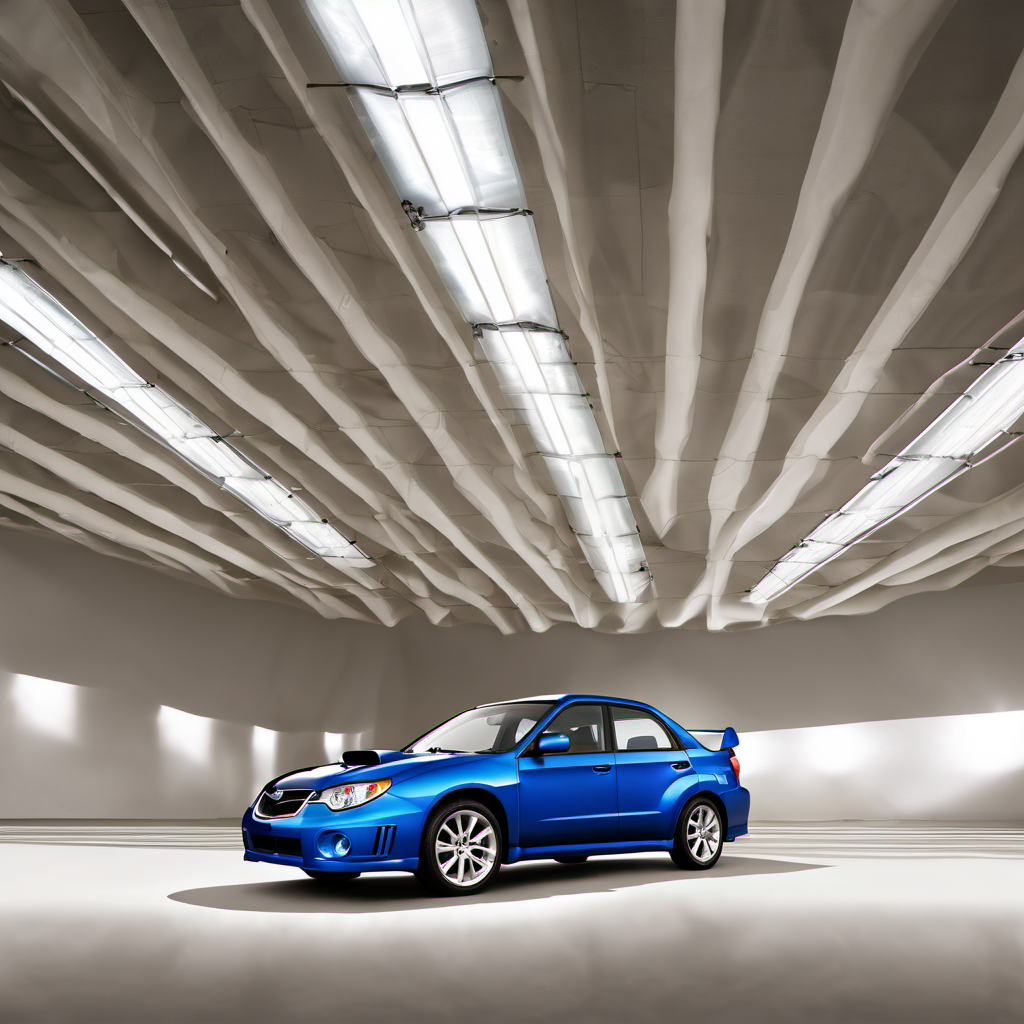
2007 Subaru
2.5L SOHC EJ253 · Sedan
The 2007 Subaru Impreza sedan is a compact, all-wheel-drive car that carved out a loyal following by offering genuine AWD traction at an affordable price. This generation (GD/GG, 2002–2007) was the last of the classic boxy Impreza body before the fully redesigned 2008 model arrived. It's a sensible, practical compact with a flat-four engine, a low-to-the-ground stance, and Subaru's symmetrical AWD system as its core selling point. Powered by the naturally aspirated 2.5L SOHC EJ253, this is the base workhorse engine — not the turbocharged STI unit. It makes modest power (173 hp) and returns reasonable fuel economy for an AWD car. The 5-speed manual transmission in this configuration keeps things simple and reliable. Overall build quality is decent for the era, though this generation has some well-documented weak points that every buyer should know. At 17 years old, most surviving examples have crossed the 100,000-mile mark. The EJ-series engine is durable if the head gaskets hold — and that's the big 'if' with this generation. Buyers who confirm clean cooling history and no oil/coolant mixing can expect many more miles. Those who don't may be looking at a costly repair shortly after purchase.
The 2007 Subaru Impreza sedan is a compact, all-wheel-drive car that carved out a loyal following by offering genuine AWD traction at an affordable price. This generation (GD/GG, 2002–2007) was the last of the classic boxy Impreza body before the fully redesigned 2008 model arrived. It's a sensible, practical compact with a flat-four engine, a low-to-the-ground stance, and Subaru's symmetrical AWD system as its core selling point. Powered by the naturally aspirated 2.5L SOHC EJ253, this is the base workhorse engine — not the turbocharged STI unit. It makes modest power (173 hp) and returns reasonable fuel economy for an AWD car. The 5-speed manual transmission in this configuration keeps things simple and reliable. Overall build quality is decent for the era, though this generation has some well-documented weak points that every buyer should know. At 17 years old, most surviving examples have crossed the 100,000-mile mark. The EJ-series engine is durable if the head gaskets hold — and that's the big 'if' with this generation. Buyers who confirm clean cooling history and no oil/coolant mixing can expect many more miles. Those who don't may be looking at a costly repair shortly after purchase.
This is an interference engine — if the belt snaps, the valves and pistons collide and the engine is destroyed. Confirm the service was done and get the receipt. Replace the water pump at the same time since you're already there.
Clean oil is the single biggest factor in EJ253 head gasket longevity. Low or dirty oil accelerates gasket wear. Use a quality 5W-30 full synthetic; check level every other fill-up on higher-mileage engines.
Degraded coolant accelerates aluminum corrosion around the head gasket sealing surfaces. Use only Subaru Super Coolant or an OAT equivalent. Check for oil in the coolant reservoir at every service — it's the earliest sign of a failing head gasket.
Subaru's AWD system depends on fresh fluid in all three differentials. Skipping this causes premature clutch pack wear in the rear differential, which is a costly fix. Use fluid meeting Subaru's spec.
Brake fluid absorbs moisture over time, lowering its boiling point. On a car this age, this is almost certainly overdue if not documented.
The boxer layout makes plug access awkward but not terrible. Worn plugs cause rough idle and increased fuel consumption. Use OEM-spec iridium plugs.
Wisconsin road salt is aggressive on Impreza rocker panels, rear subframe crossmember, and spare tire well. Catching surface rust early and treating it is far cheaper than structural repairs or a failed inspection.
At this age and mileage, the accessory belt is likely original or near end of life. A snapped belt in a Wisconsin winter leaves you stranded with no alternator, no power steering, and no water pump.
Always defer to the manufacturer's service manual for warranty-mandated intervals.
Day-to-day, this is an affordable car to own. Routine maintenance runs $600–$900 in a normal year. The risk is the big-ticket items: a head gasket job ($1,200–$2,200), timing belt ($550–$950 if overdue), or rust repair can spike costs significantly in any single year. A pre-purchase inspection that clears those items is money well spent.
Similar compact sedan size and price point; more fuel-efficient but FWD only. Better reliability record for the era, though no AWD option.
No catalog match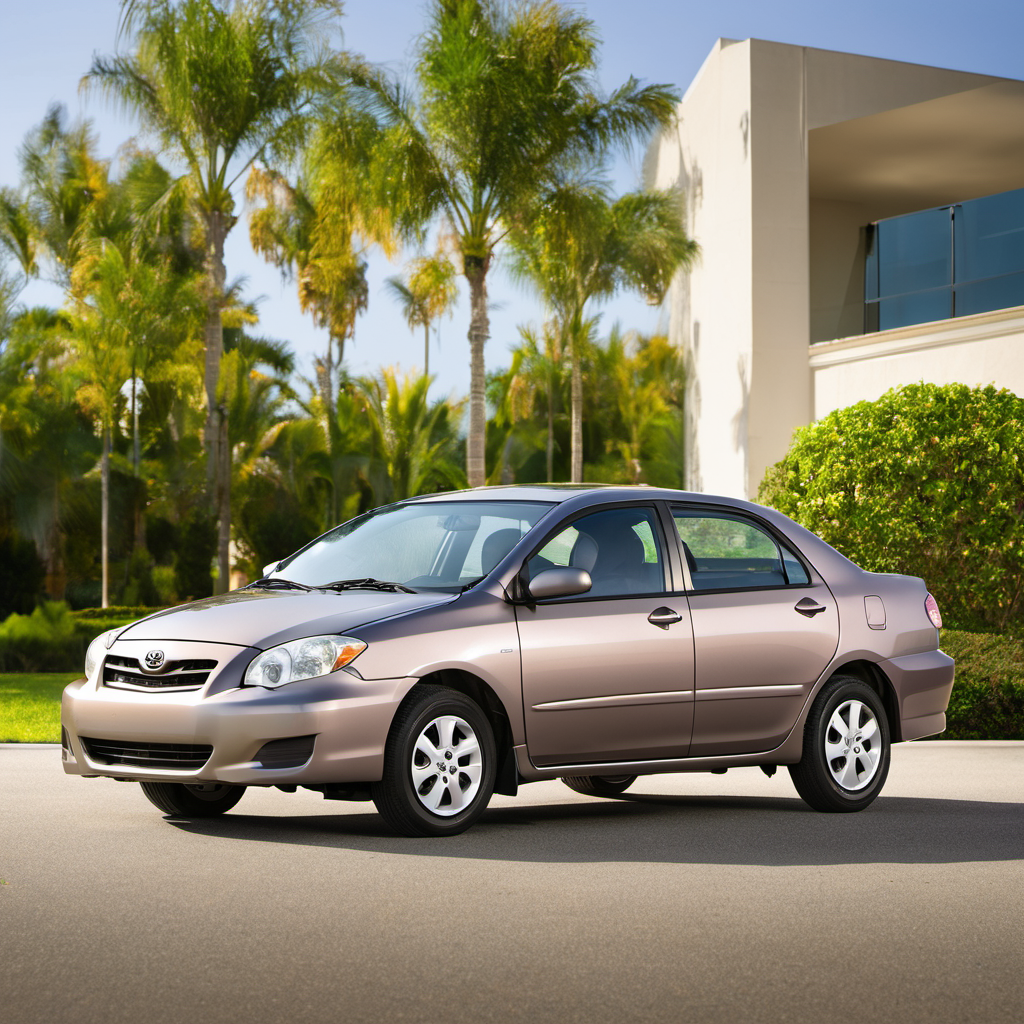
Stronger reliability reputation and lower ownership cost; FWD only. Good alternative if AWD is not a priority and long-term low-cost ownership is.
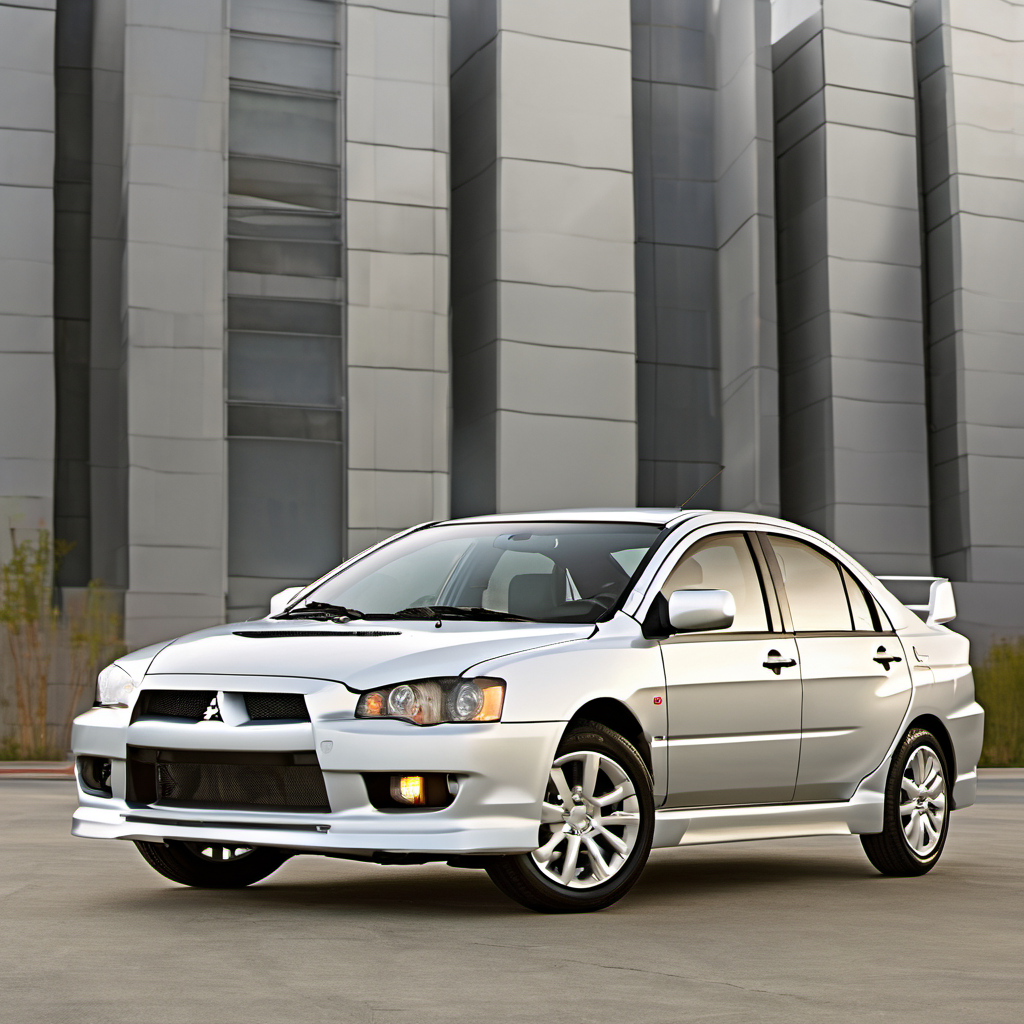
Compact AWD sedan available at a similar price; shares the rally-bred heritage angle. Less parts availability and weaker dealer/indie shop support than Subaru.
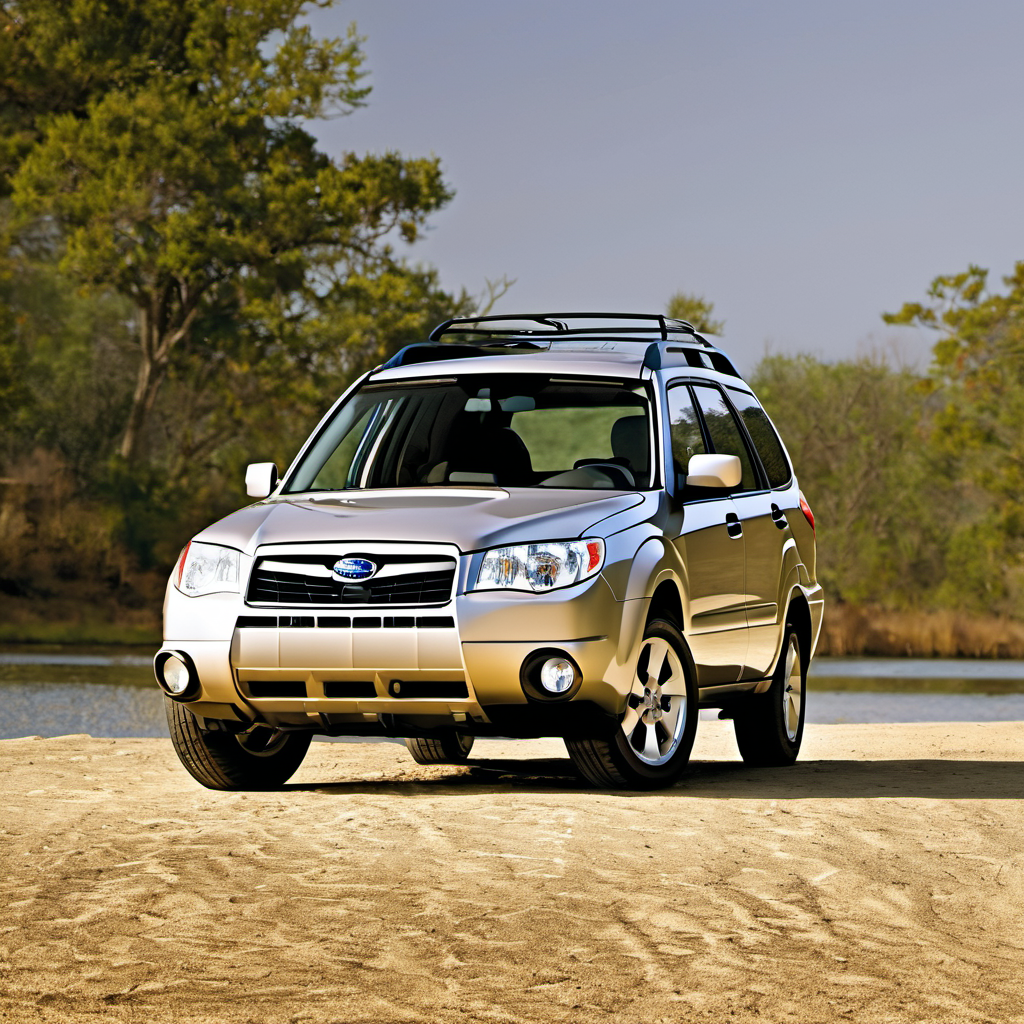
Same EJ253 engine and AWD platform with more ground clearance and cargo room. If the sedan's size is borderline for your needs, the Forester offers more utility on the same mechanical foundation.