Timing Chain Tensioner Failure
medium- Typically appears
- 60–120k mi
- Estimated repair
- $800 – $1,800
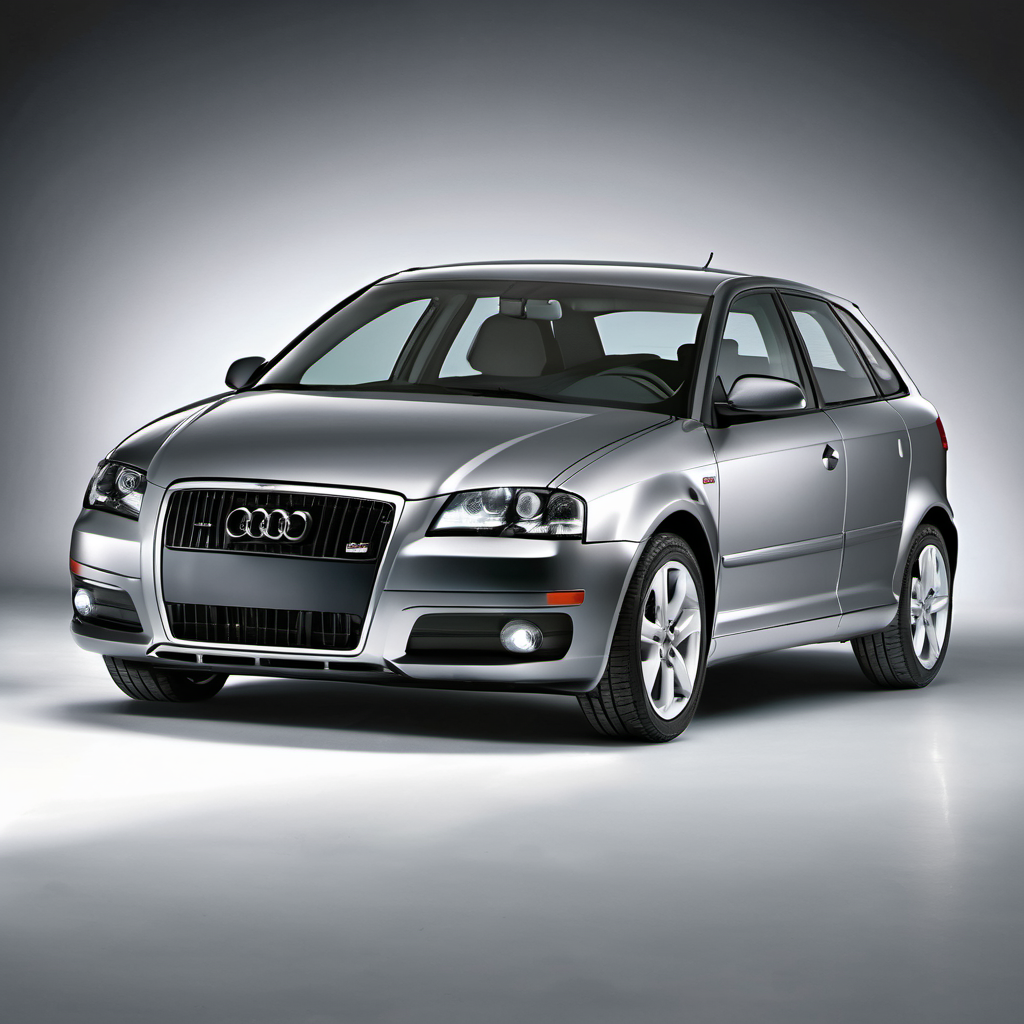
2007 Audi
Wagon
The 2007 Audi A3 is a compact premium hatchback (marketed in North America as a 5-door Sportback) built on Volkswagen's PQ35 platform — the same underpinnings shared with the Golf GTI and Jetta of the same era. It punches above its size with a turbocharged 2.0T engine, a genuinely upscale interior, and European driving dynamics in a practical, maneuverable package. For a 2007 model, it's now firmly in high-mileage territory, and ownership costs are heavily influenced by how well previous owners maintained the turbo and timing chain systems. The 2.0T FSI engine is responsive and fun, but it requires premium fuel, full-synthetic 5W-40 oil changed on a strict schedule, and attention to the timing chain tensioner and carbon buildup on the intake valves — issues common to all direct-injection engines of this generation. Skipped oil changes are the single biggest predictor of expensive repairs on this car. This is a rewarding car for someone who enjoys driving and is willing to budget for German-car maintenance. It's a poor choice for a buyer who wants to run it on cheap oil and ignore warning lights. A well-documented service history is non-negotiable when buying used.
The 2007 Audi A3 is a compact premium hatchback (marketed in North America as a 5-door Sportback) built on Volkswagen's PQ35 platform — the same underpinnings shared with the Golf GTI and Jetta of the same era. It punches above its size with a turbocharged 2.0T engine, a genuinely upscale interior, and European driving dynamics in a practical, maneuverable package. For a 2007 model, it's now firmly in high-mileage territory, and ownership costs are heavily influenced by how well previous owners maintained the turbo and timing chain systems. The 2.0T FSI engine is responsive and fun, but it requires premium fuel, full-synthetic 5W-40 oil changed on a strict schedule, and attention to the timing chain tensioner and carbon buildup on the intake valves — issues common to all direct-injection engines of this generation. Skipped oil changes are the single biggest predictor of expensive repairs on this car. This is a rewarding car for someone who enjoys driving and is willing to budget for German-car maintenance. It's a poor choice for a buyer who wants to run it on cheap oil and ignore warning lights. A well-documented service history is non-negotiable when buying used.
The 2.0T FSI timing chain tensioner and turbo bearings are oil-pressure sensitive. Extended intervals on a high-mileage engine accelerate wear on both. Use the correct 5W-40 spec — thinner oils are not an acceptable substitute.
FSI engines run hotter combustion cycles than port-injection engines. Factory 60k intervals are optimistic; 40k keeps misfires and coil stress in check.
Coil packs on this platform fail progressively. When one goes, the others are often close behind. Replace as a set to avoid repeat labor charges.
The 6-speed DSG (S-tronic) requires its own dedicated fluid. Skipping this service leads to harsh shifts, shudder, and eventually mechatronic unit failure — a very expensive repair.
Carbon buildup is inevitable on direct-injection engines. Cleaning restores idle quality and power. This is a scheduled maintenance item on the 2.0T FSI, not a repair.
The Audi/VW G12 or G13 coolant is long-life but degrades over time. Mixing coolant types causes gel formation and water pump damage. Use only the correct spec.
DOT 4 fluid is hygroscopic and absorbs moisture over time, lowering its boiling point. ABS and brake performance depend on fresh fluid — this is especially important for Wisconsin winter driving.
Dirty air filters reduce power and fuel economy on a turbocharged engine. Cabin filters in Wisconsin winters collect significant road salt and debris.
Always defer to the manufacturer's service manual for warranty-mandated intervals.
This A3 is at the affordable end of German car pricing to buy, but it carries full German-car maintenance costs. Routine annual upkeep runs $900–$1,200 in good years. Factor in a higher-cost year every 2–3 years for items like DSG service, coils, or intake cleaning — pushing annual averages to $1,500–$2,200. A timing chain or turbo job can run $1,000–$2,800. Budget accordingly and don't let deferred maintenance stack up.
Same PQ35 platform, same 2.0T FSI engine, nearly identical mechanicals — but typically cheaper to buy used and has a stronger enthusiast parts/support community.
No catalog matchSimilar premium compact segment with a turbocharged engine. RWD layout offers different dynamics; comparable ownership costs.
No catalog matchPremium European compact hatchback in the same price range. More safety-focused brand image; different platform but similar buyer profile.
No catalog match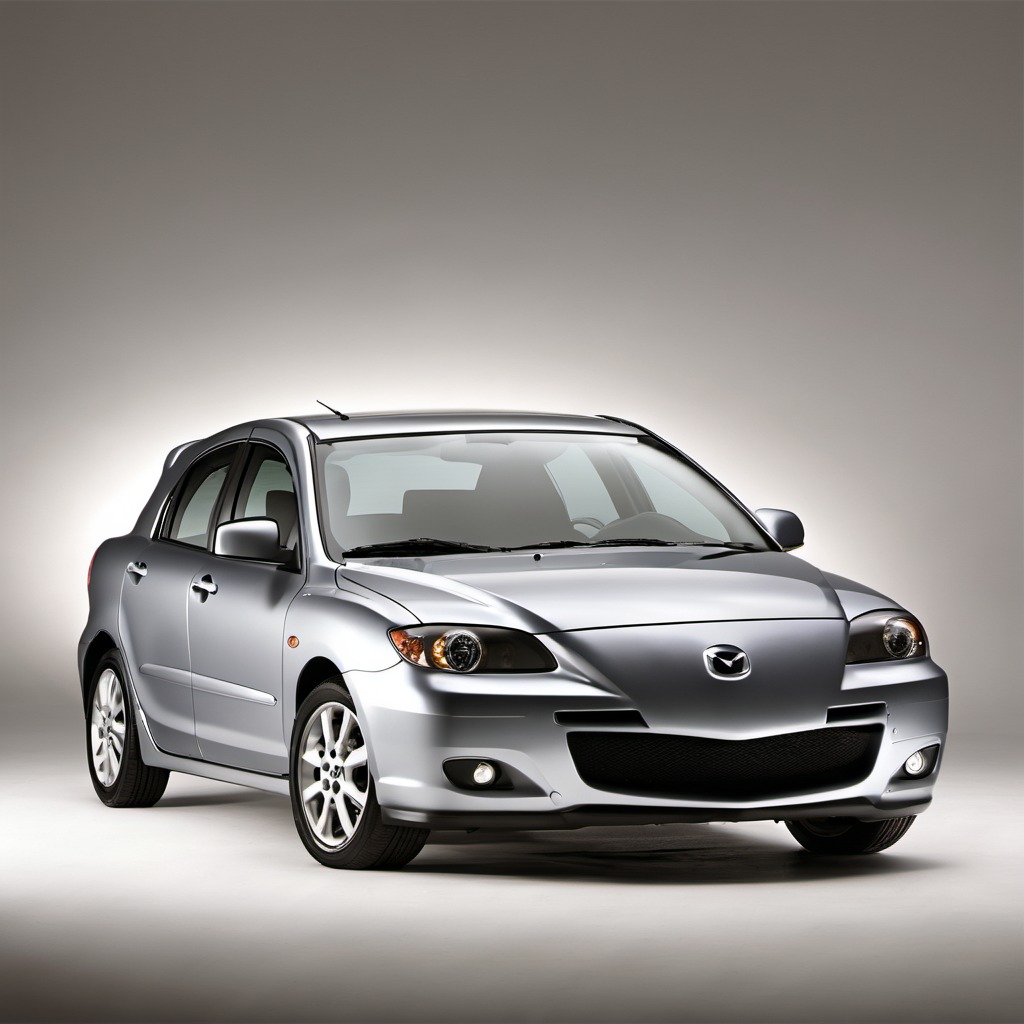
Non-premium alternative in the same compact segment. Significantly lower ownership and repair costs; gives up interior quality and power but gains reliability and affordability.