Intake Manifold Gasket Failure
high- Typically appears
- 60–120k mi
- Estimated repair
- $400 – $750
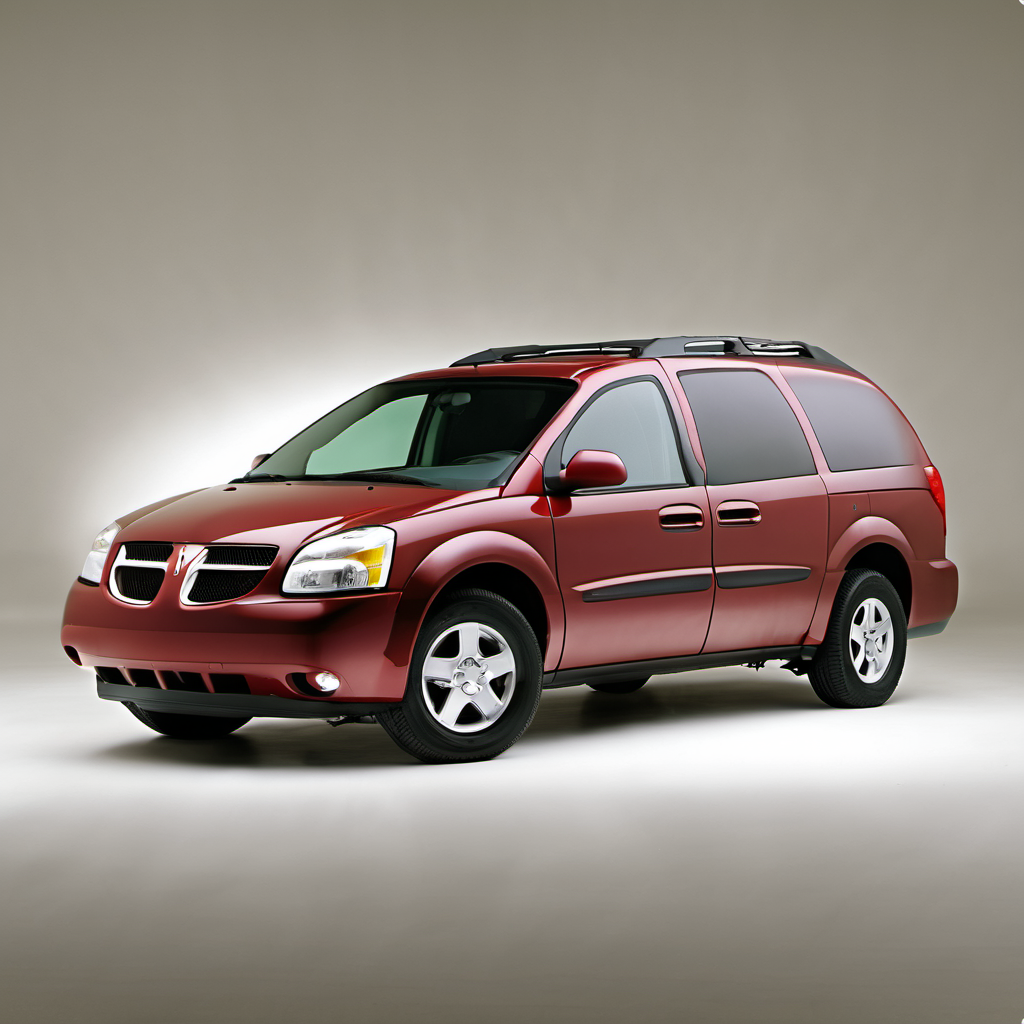
2006 Pontiac
3.5L V6 · Van/Minivan
The 2006 Pontiac Montana SV6 is a front-wheel-drive minivan built on GM's U-body platform, shared with the Chevrolet Uplander, Saturn Relay, and Buick Terraza. It was Pontiac's last attempt at the minivan segment before the brand's discontinuation in 2010. The Montana SV6 offered standard and extended-length body options, a folding third-row seat, and available all-wheel drive — a feature none of its domestic minivan rivals could match at the time. Power comes from GM's 3.5L or 3.9L pushrod V6, paired with a 4-speed automatic. The van is comfortable, reasonably priced on the used market, and has a practical interior. However, the U-body platform generation has a checkered reliability record compared to the Honda Odyssey or Toyota Sienna it competed against, and it was discontinued after 2008. For budget-conscious buyers needing minivan utility, the Montana SV6 can be a serviceable choice if mechanically vetted — but buyers should be prepared for higher-than-average maintenance costs as these vans age, particularly around the intake manifold gaskets, sliding door mechanisms, and suspension components.
The 2006 Pontiac Montana SV6 is a front-wheel-drive minivan built on GM's U-body platform, shared with the Chevrolet Uplander, Saturn Relay, and Buick Terraza. It was Pontiac's last attempt at the minivan segment before the brand's discontinuation in 2010. The Montana SV6 offered standard and extended-length body options, a folding third-row seat, and available all-wheel drive — a feature none of its domestic minivan rivals could match at the time. Power comes from GM's 3.5L or 3.9L pushrod V6, paired with a 4-speed automatic. The van is comfortable, reasonably priced on the used market, and has a practical interior. However, the U-body platform generation has a checkered reliability record compared to the Honda Odyssey or Toyota Sienna it competed against, and it was discontinued after 2008. For budget-conscious buyers needing minivan utility, the Montana SV6 can be a serviceable choice if mechanically vetted — but buyers should be prepared for higher-than-average maintenance costs as these vans age, particularly around the intake manifold gaskets, sliding door mechanisms, and suspension components.
Degraded coolant accelerates intake manifold gasket corrosion — this is a direct contributor to the most common and expensive failure on this engine.
GM's 4T65-E automatic is sensitive to fluid condition. Regular changes dramatically extend its life; neglected fluid leads to slipping and early rebuild needs.
Timing chain rattle on cold start and cam timing codes (P0012, P0015, etc.) are early warnings. Catching this early avoids a much larger repair bill.
Dry or corroded tracks stress the door motors and latches. Annual cleaning and lubrication prevents the most common non-engine complaint on U-body vans.
The 3.5L V6 uses conventional spark plugs (not iridium). Staying on schedule prevents misfires and protects the catalytic converters.
Moisture-saturated brake fluid lowers boiling point and accelerates ABS module corrosion — a known issue on these vans.
Wisconsin road salt aggressively attacks the rocker panels, subframe mounts, and brake lines on these vans. Early treatment prevents structural rust.
Cold-cranking amps drop significantly below 0°F. A marginal battery that starts fine in September will often fail in January in Lake Geneva.
Always defer to the manufacturer's service manual for warranty-mandated intervals.
The Montana SV6 is cheap to buy but not cheap to own. Annual maintenance averages higher than competing minivans of the same era because of the intake gasket vulnerability, transmission service needs, and rust mitigation costs in the Midwest. Budget for at least one significant repair per year on examples over 100k miles. Parts availability is still good through GM and aftermarket channels, and independent shops can handle virtually all work on this van.
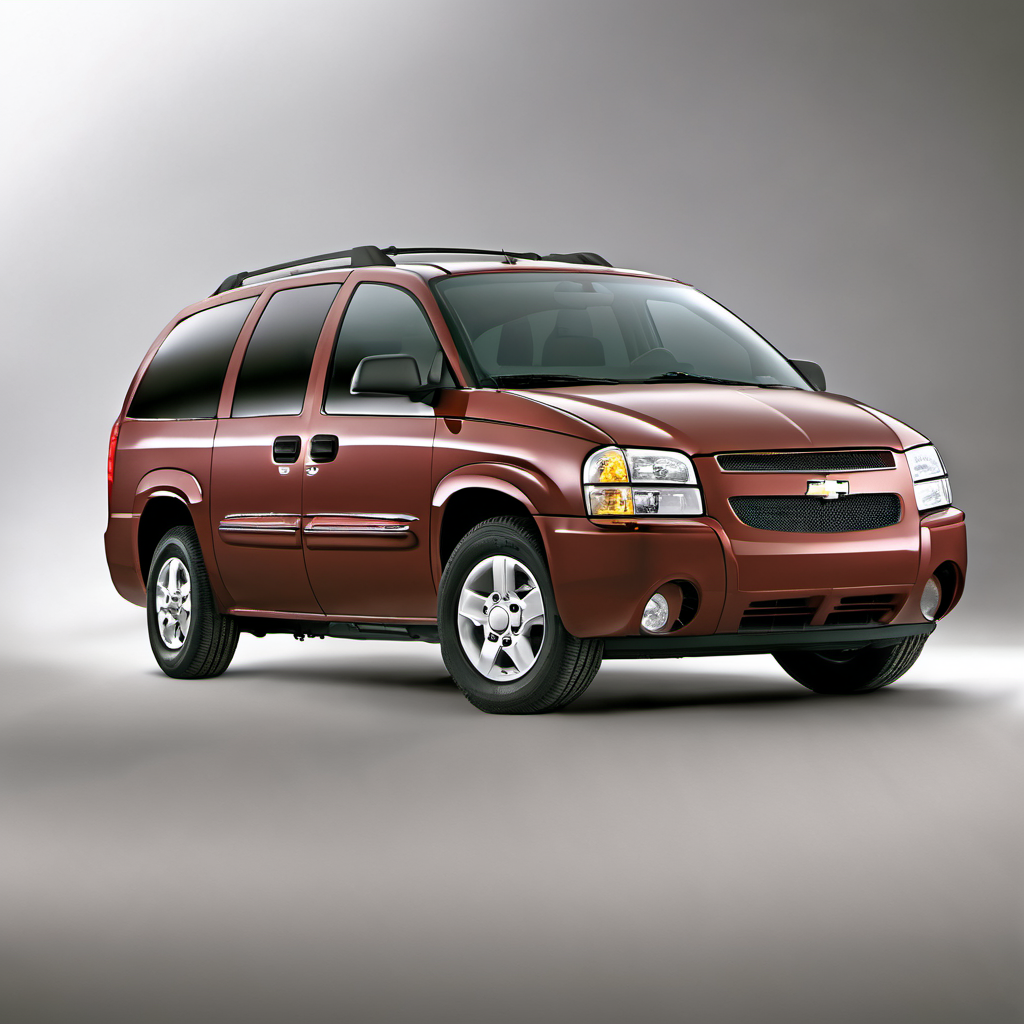
Mechanically identical — same U-body platform, same engine, same transmission. Often cheaper to buy used and has the same repair profile. More parts availability.
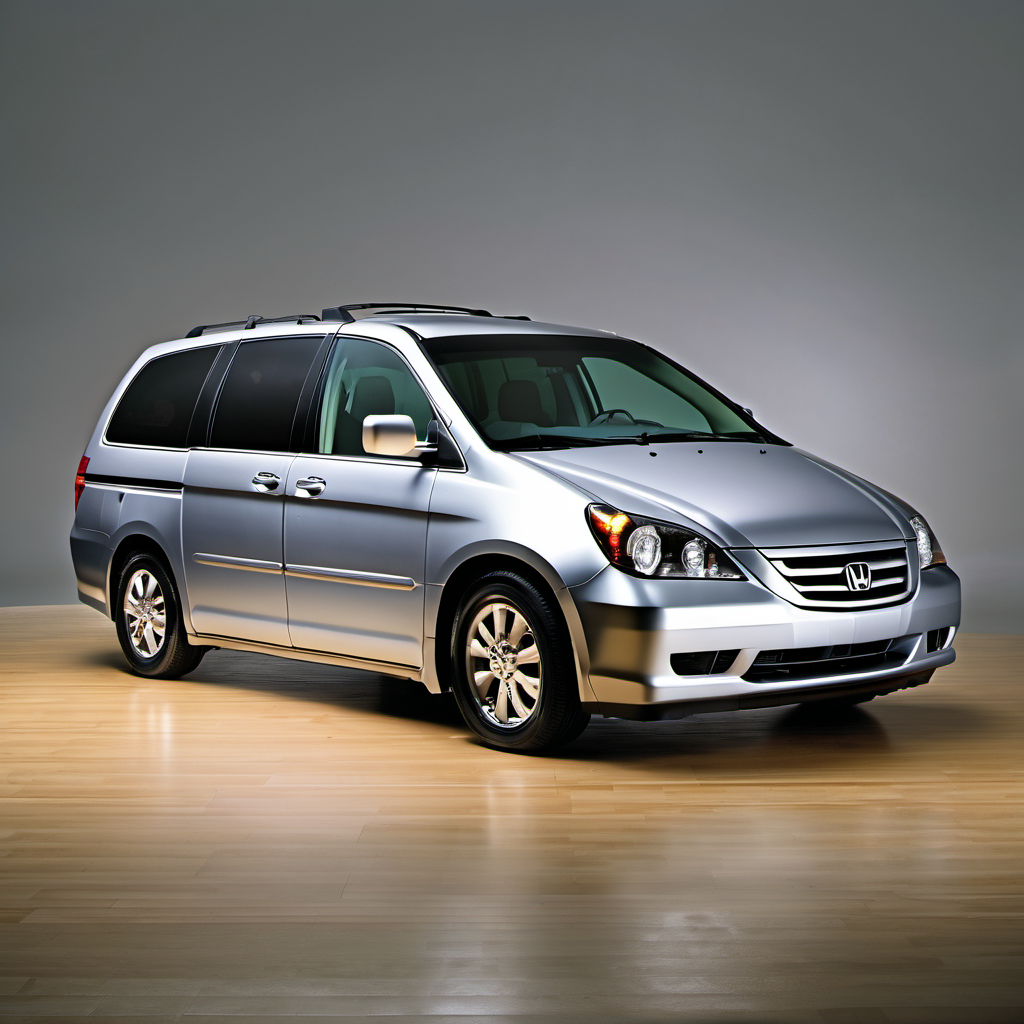
Same segment, similar price used. Significantly more reliable with a better resale curve. If budget allows, the Odyssey is a clear step up in long-term ownership experience.
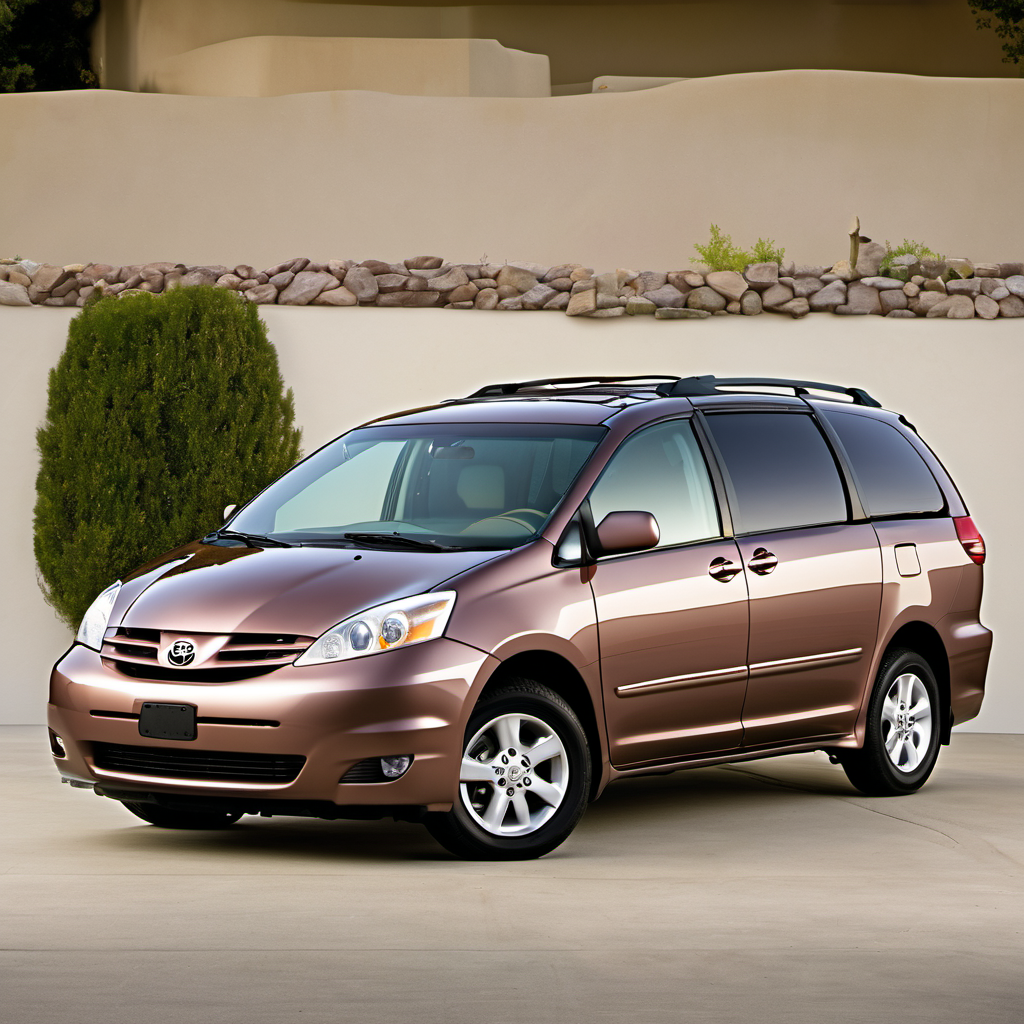
Offered AWD like the Montana SV6 and has a much stronger long-term reliability record. Costs more on the used market but typically needs far less unplanned repair work.
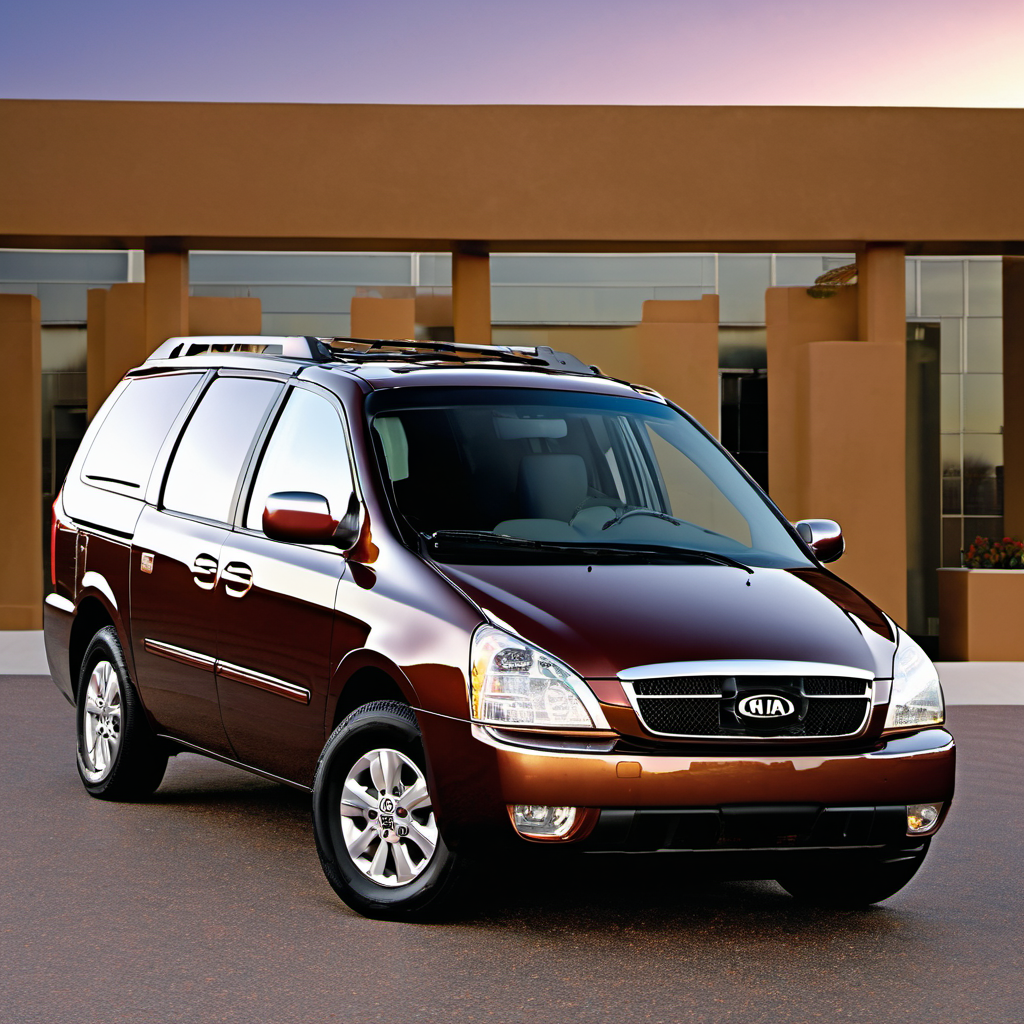
Budget-friendly minivan alternative in the same price range used. More basic but simpler mechanically; a reasonable comparison if lowest acquisition cost is the priority.