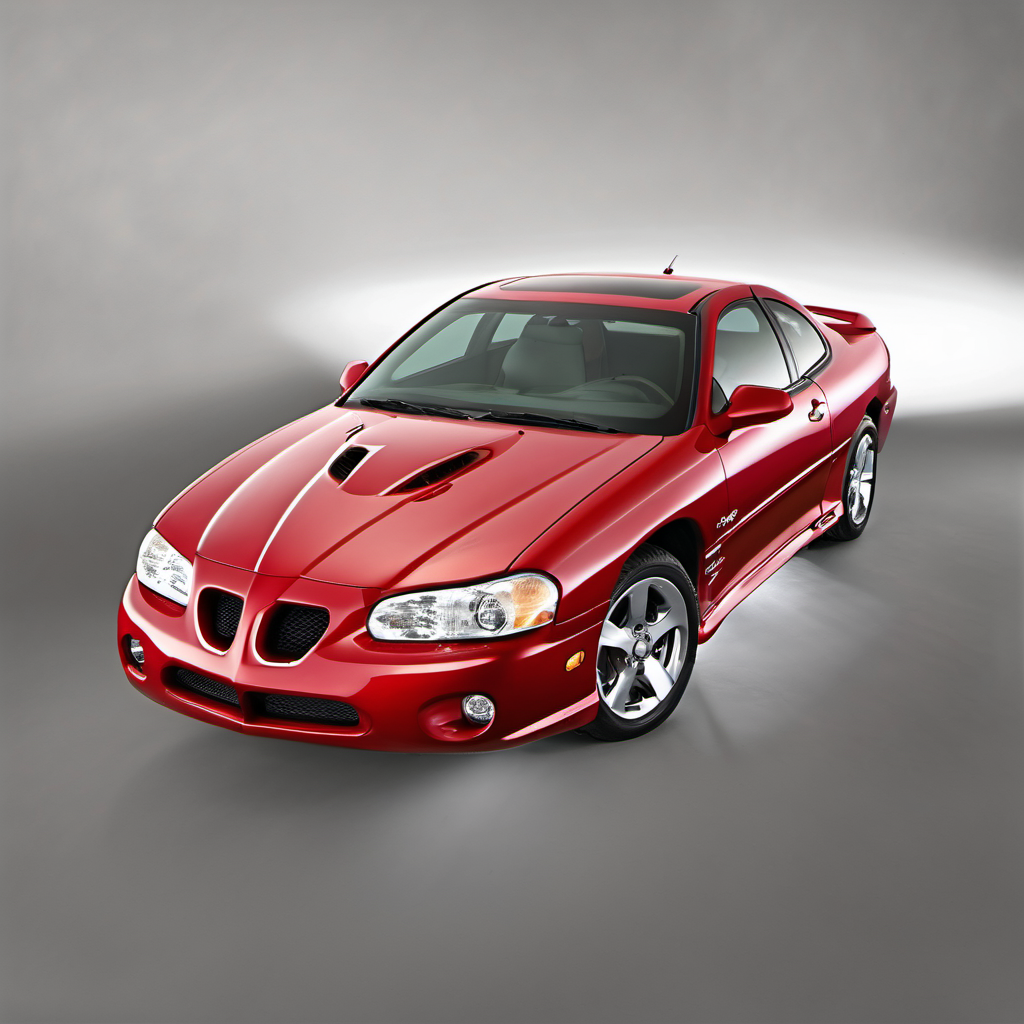
2006 Pontiac GTO Coupe

2006 Pontiac

GTOCoupe

Coupe

The 2006 Pontiac GTO is the final model year of GM's reborn muscle car, built on GM's Australian Holden Monaro platform and powered by the same 6.0L LS2 V8 found in the C6 Corvette. It produced 400 horsepower and could be had with either a 6-speed manual or 4-speed automatic — making it one of the fastest factory cars Pontiac ever sold. Despite being a legitimate performance bargain, it was criticized at launch for plain styling and a lack of Pontiac badge drama, which hurt sales but ultimately helped used buyers get a serious sports car for below-market money. The GTO was sold in the U.S. for just three model years (2004–2006), and the 2006 is widely considered the best of the run thanks to the LS2 upgrade (introduced in 2005) and minor interior refinements. The chassis is stiff, the suspension tuning is capable, and the car responds very well to basic maintenance. Parts availability is excellent because the LS platform is one of the most supported in the aftermarket. As a 20-year-old RWD performance coupe, condition varies widely. Many examples have been driven hard, modified, or both. A clean, stock, low-mileage 2006 GTO is genuinely appreciating — collector interest has grown steadily. Know what you're buying before you commit.

Reliability
4/5
Verified data
Specs shown for GTO — the most common configuration. Other trims may vary in engine, drivetrain, or fuel economy. Sign in to see your vehicle's exact specs.
Engine
[object Object]
Drivetrain
RWD
Fuel
Premium gasoline
MPG
14 city / 19 hwy / 16 combined
Seats
Doors
Body
Compact Cars

Overview

AI-curated

The 2006 Pontiac GTO is the final model year of GM's reborn muscle car, built on GM's Australian Holden Monaro platform and powered by the same 6.0L LS2 V8 found in the C6 Corvette. It produced 400 horsepower and could be had with either a 6-speed manual or 4-speed automatic — making it one of the fastest factory cars Pontiac ever sold. Despite being a legitimate performance bargain, it was criticized at launch for plain styling and a lack of Pontiac badge drama, which hurt sales but ultimately helped used buyers get a serious sports car for below-market money. The GTO was sold in the U.S. for just three model years (2004–2006), and the 2006 is widely considered the best of the run thanks to the LS2 upgrade (introduced in 2005) and minor interior refinements. The chassis is stiff, the suspension tuning is capable, and the car responds very well to basic maintenance. Parts availability is excellent because the LS platform is one of the most supported in the aftermarket. As a 20-year-old RWD performance coupe, condition varies widely. Many examples have been driven hard, modified, or both. A clean, stock, low-mileage 2006 GTO is genuinely appreciating — collector interest has grown steadily. Know what you're buying before you commit.

Known for
  • LS2 6.0L V8 — same engine as the base C6 Corvette
  • Deceptively understated styling that fooled buyers but pleases enthusiasts
  • Strong, sorted chassis from the Holden Monaro platform
  • One of the last true rear-wheel-drive Pontiac performance cars
Best for
  • Enthusiasts who want real V8 performance without supercar prices
  • Drivers comfortable with RWD in winter (or who garage it seasonally)
  • Buyers who want a future collectible at a used-car price
  • DIY mechanics — LS engine support is massive
Watch for
  • Hard-driven or modified examples with unknown abuse history
  • Rear differential and axle wear from high-power launches
  • RWD in Wisconsin winters — not ideal as a year-round daily driver
  • Limited parts availability for Holden-specific body and interior pieces
  • Fuel costs — 16 MPG combined on premium adds up fast

Common issues by mileage

6 known

Rear differential wear / limited-slip chatter

high
Typically appears
60–120k mi
Estimated repair
$300 – $900

Oxygen sensor heater circuit failure

medium
Typically appears
80–150k mi
Estimated repair
$150 – $450

T-56 / 6-speed manual transmission synchro wear

medium
Typically appears
80–150k mi
Estimated repair
$1,200 – $3,500

HVAC / power window switch failures (Holden-sourced interior parts)

medium
Typically appears
60–120k mi
Estimated repair
$100 – $400

CAN bus / module communication faults (age-related wiring)

low
Typically appears
100k+ mi
Estimated repair
$200 – $800

Maintenance schedule

  1. 1
    Every 5,000 miles or 6 months Engine oil change — full synthetic 5W-30

    The LS2 is robust but VVT solenoids clog with sludge if oil is neglected. Fresh synthetic oil is the single best thing you can do for this engine.

  2. 2
    Every 30,000 miles or if limited-slip chatter develops Rear differential fluid change

    The Torsen-style limited-slip rear diff needs GL-5 fluid with the correct friction modifier. Old fluid causes chatter and accelerates clutch pack wear.

  3. 3
    Every 30,000–45,000 miles Manual transmission fluid change (if equipped)

    The T-56 Magnum benefits from fresh fluid — shifts noticeably smoother and synchros last longer, especially if the car has been driven hard.

  4. 4
    Every 60,000 miles Spark plug replacement

    The LS2 uses AC Delco plugs; worn plugs cause misfires and can strand you. On a V8 this size, do all eight at once.

  5. 5
    Every 5 years or 100,000 miles Coolant flush

    GM Dex-Cool degrades over time and can cause water pump and intake seal issues if left too long. Flush and refill on schedule.

  6. 6
    Every 2–3 years Brake fluid flush

    With 400 hp and RWD, this car gets its brakes worked. Moisture-saturated fluid lowers boiling point and can cause brake fade under hard use.

  7. 7
    Every fall before winter Battery test and terminal inspection

    Wisconsin winters demand a strong battery. Cold cranking a 6.0L V8 at -10°F taxes even a good battery. Test it before temperatures drop.

  8. 8
    Monthly during winter; full inspection every spring Underbody / rocker panel wash and rust inspection

    The Holden platform was not designed for Wisconsin road salt. Rockers and subframe mounting points are susceptible. Flush undercarriage after every significant salt event.

Always defer to the manufacturer's service manual for warranty-mandated intervals.

Cost of ownership

Annual maintenance
$700 – $1,600
Fuel
Expect $2,500–$3,500/year at typical Wisconsin driving distances (12,000–15,000 mi/yr) on premium fuel at current prices. Daily driving this car is expensive.
Insurance
Higher than average for the class — two-door muscle car with 400 hp raises rates, especially for drivers under 30. Shop around; rates vary significantly.

A stock, well-maintained GTO is surprisingly affordable to run for what it is. The LS2 doesn't need exotic parts, and the aftermarket is huge. The real cost is fuel — premium only, 16 MPG combined. Budget for tires too; a 400hp RWD car goes through rear tires faster than average.
Seasonal care

Lake Geneva, WI
Winter
  • This is a RWD performance car — unless you fit dedicated winter tires, treat it as a fair-weather vehicle in Wisconsin. The wide rear tires that make it fun in summer are dangerous on snow.
  • If storing for winter, add a fuel stabilizer, connect a battery maintainer (trickle charger), and store on jack stands or tire cradles to prevent flat-spotting.
  • If driving through winter, switch to a dedicated winter tire set on steel wheels. Do not use all-season tires as a substitute on this vehicle.
  • Use full synthetic 5W-30 year-round — it flows well at sub-zero temps during cold starts.
  • Flush underbody and wheel wells after every salted-road drive. Salt accelerates rust on the Australian-spec underbody, which wasn't engineered for Great Lakes winters.
  • Test battery every October. Cold cranking a 6.0L V8 at Wisconsin lows demands a battery in good health — replace anything older than 4 years proactively.
Summer
  • Check tire pressure every 2–3 weeks — summer heat increases pressure and the wide performance tires run at specific PSI for handling balance. Check cold.
  • Inspect the cooling system before summer — hoses, clamps, and coolant level. The LS2 generates significant heat, and a failing water pump in traffic is a costly tow.
  • Run the A/C system early in the season to confirm it's cooling properly. The A/C compressor seals dry out over winter storage; address leaks before peak heat.
  • Check brake pads and rotors before any spirited summer driving. Worn pads on a 400hp RWD car are a safety issue, not just a maintenance item.

Comparable vehicles

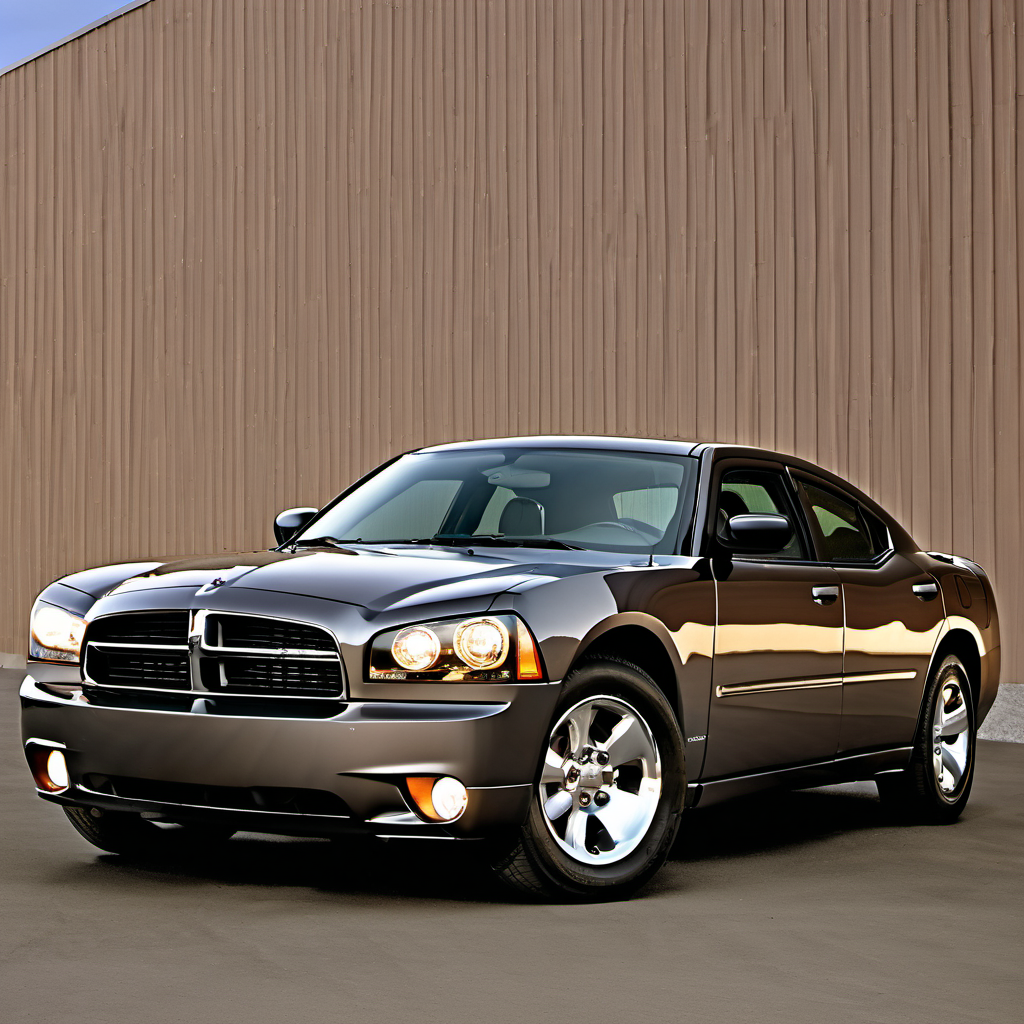
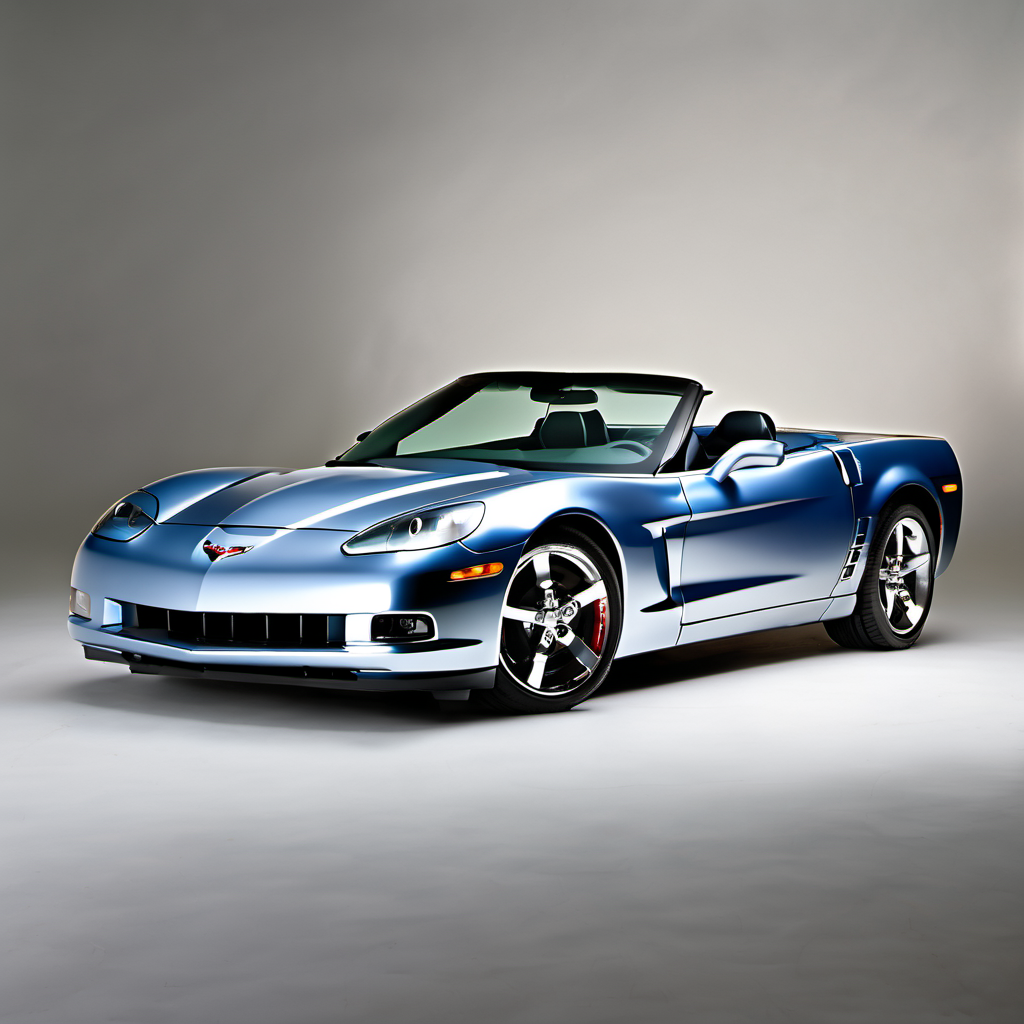
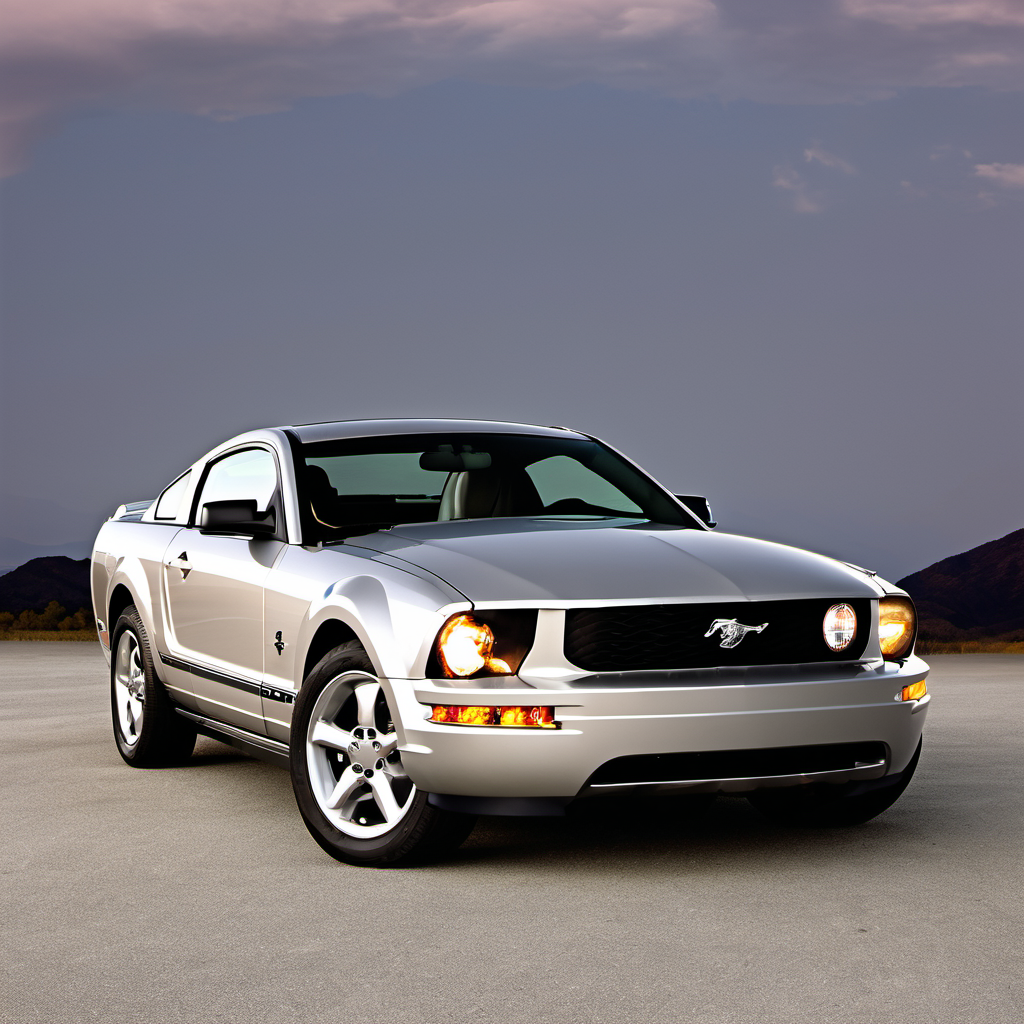
If you're shopping for one

Red flags
  • Any signs of track use (roll cage, harness, stripped interior) without full service records — walk away unless priced accordingly.
  • Excessive tire wear on rear only — indicates burnouts and hard launches that stress the drivetrain.
  • Rust on rockers or subframe — structurally expensive to address on this platform.
  • Mismatched or resprayed body panels — possible accident history; check Carfax AND do a physical panel inspection.
  • No service records at all on a high-mileage example — with a hard-use performance car, unknown history is a real liability.
What to inspect
  • Pull codes before purchase — VVT solenoid and O2 sensor faults are common and the previous owner may have cleared them.
  • Check for modifications: tune, headers, cam, suspension. Ask for documentation. Modified cars are harder to diagnose and may have hidden issues.
  • Inspect the rear differential for chatter during low-speed turns — a sign of worn limited-slip friction material.
  • Test all six gears in the manual (if equipped) for notchy or grinding shifts — synchro wear is common on driven examples.
  • Check the rocker panels, rear wheel arches, and subframe mounts for rust, especially on any car that spent winters in the upper Midwest.
  • Look for oil consumption — add a quart between changes and the oil is getting burned somewhere. Normal LS2s don't consume oil.
  • Test the A/C and all power windows. Interior electrical (HVAC blower, window switches) uses Holden-sourced parts that are harder to source.
AI profile generated 1 hr ago · claude-sonnet-4-6 · v2.