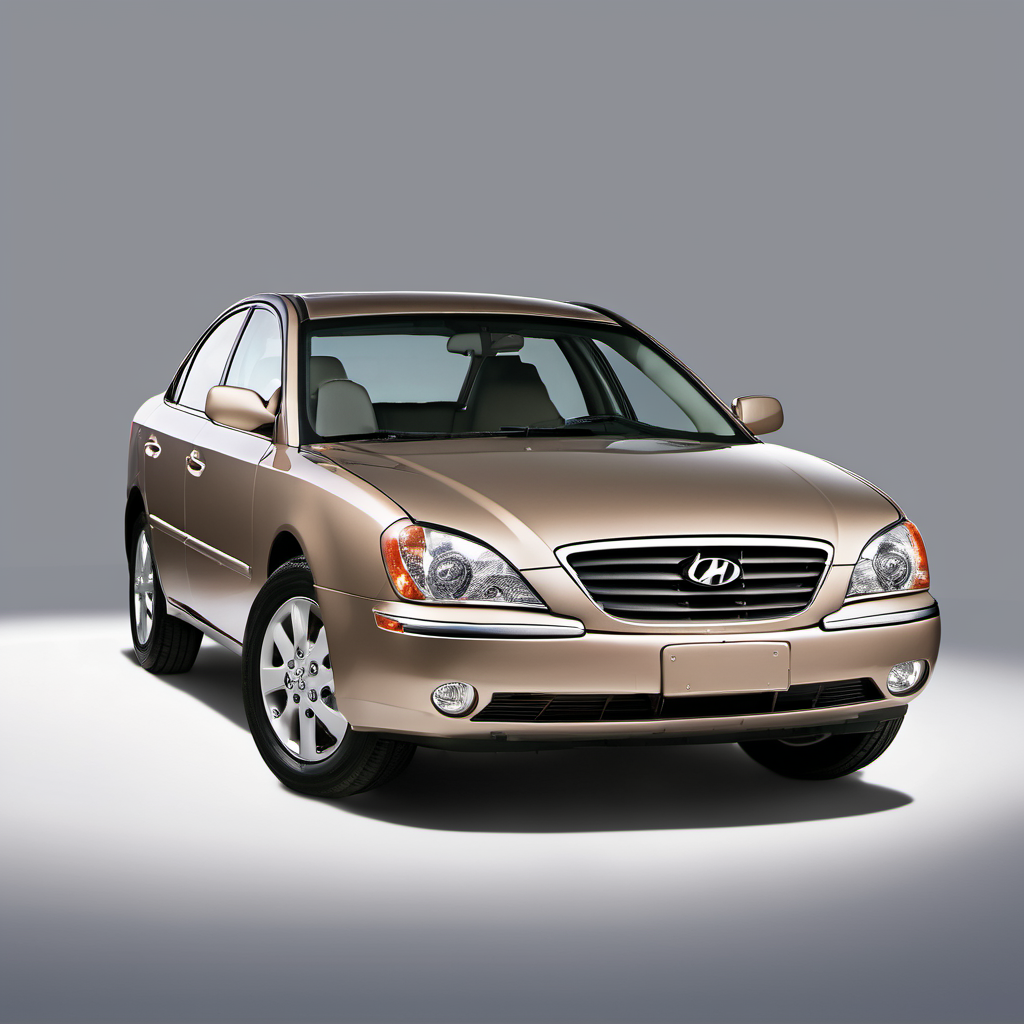
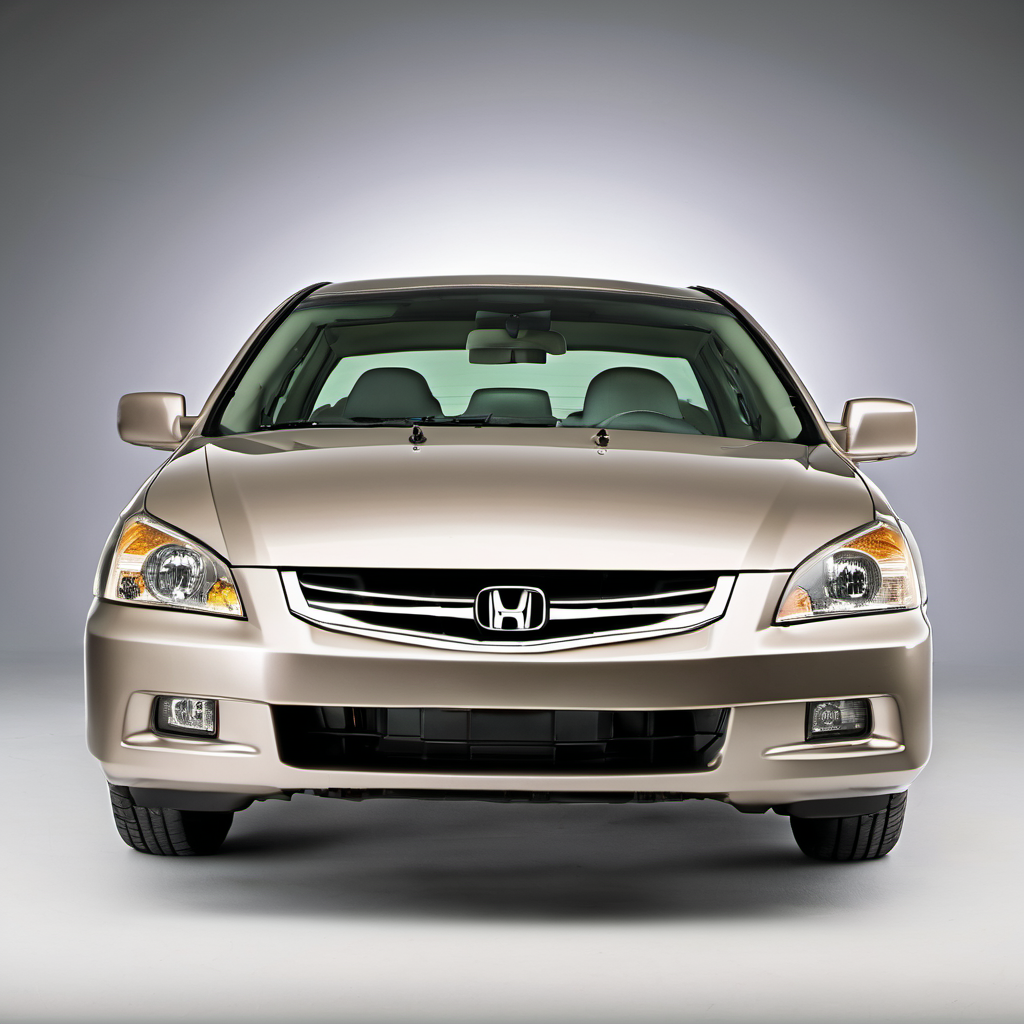
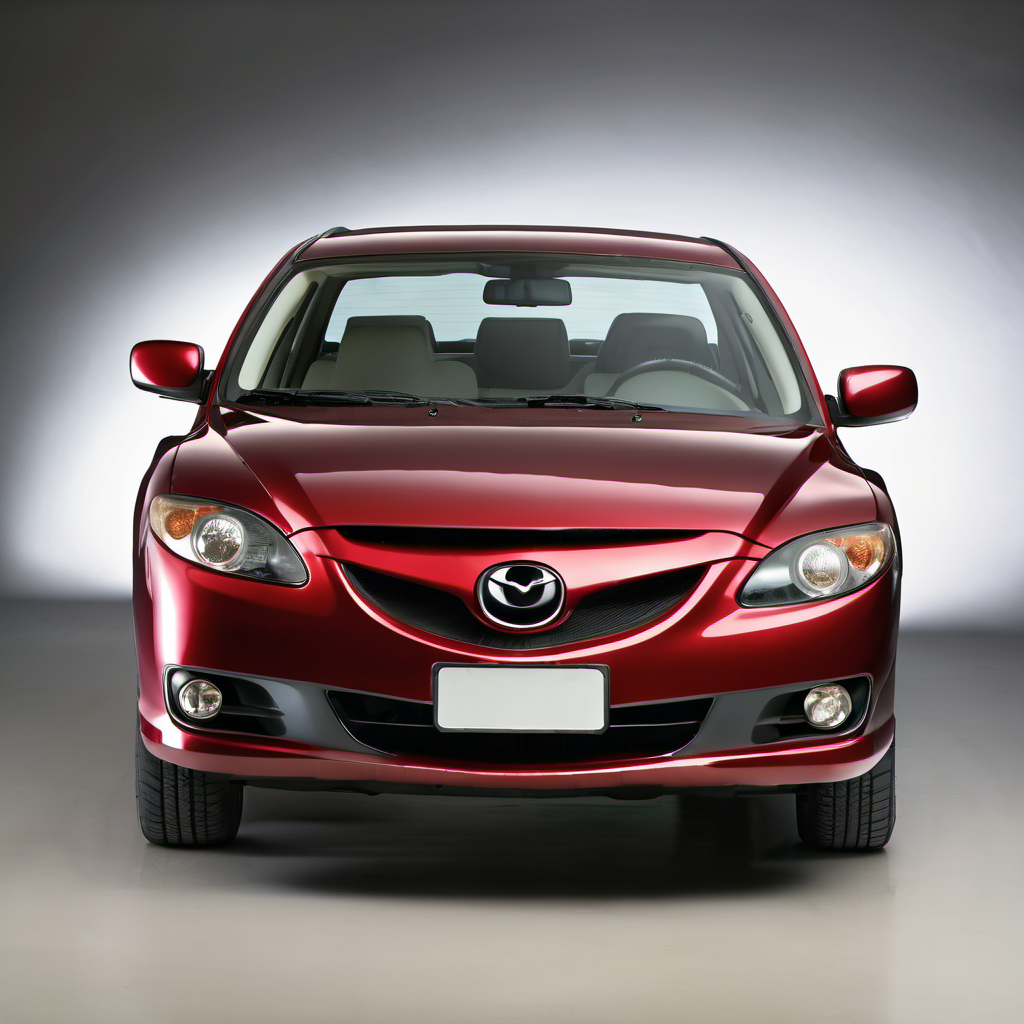
2006 Hyundai Sonata Sedan

2006 Hyundai

SonataSedan

Sedan

The 2006 Hyundai Sonata is a fifth-generation (NF) midsize sedan that marked a major turning point for Hyundai in the U.S. market. It was bigger, quieter, and more refined than its predecessor, and it came loaded with standard features at a price that undercut the competition. Paired with Hyundai's first 10-year/100,000-mile powertrain warranty, it attracted a lot of budget-conscious buyers who wanted reliability without the Toyota or Honda price tag. Under the hood, the most common engine is the 2.4L inline-four (Beta II), which is straightforward and generally durable when maintained properly. A 3.3L V6 was also available. The five-speed automatic paired to the 2.4L is smooth and holds up reasonably well over time. Ride quality is comfortable and highway noise is well-controlled for a car of this era and price point. At nearly 20 years old now, most examples on the road have high mileage. Rust from Wisconsin winters is the biggest concern on a used example — check the undercarriage carefully. Mechanically, these engines reward consistent oil changes above almost anything else.

Reliability
3/5
Verified data
Specs shown for Sonata — the most common configuration. Other trims may vary in engine, drivetrain, or fuel economy. Sign in to see your vehicle's exact specs.
Engine
[object Object]
Drivetrain
FWD
Fuel
Gasoline
MPG
21 city / 30 hwy / 24 combined
Seats
Doors
Body
Large Cars

Overview

AI-curated

The 2006 Hyundai Sonata is a fifth-generation (NF) midsize sedan that marked a major turning point for Hyundai in the U.S. market. It was bigger, quieter, and more refined than its predecessor, and it came loaded with standard features at a price that undercut the competition. Paired with Hyundai's first 10-year/100,000-mile powertrain warranty, it attracted a lot of budget-conscious buyers who wanted reliability without the Toyota or Honda price tag. Under the hood, the most common engine is the 2.4L inline-four (Beta II), which is straightforward and generally durable when maintained properly. A 3.3L V6 was also available. The five-speed automatic paired to the 2.4L is smooth and holds up reasonably well over time. Ride quality is comfortable and highway noise is well-controlled for a car of this era and price point. At nearly 20 years old now, most examples on the road have high mileage. Rust from Wisconsin winters is the biggest concern on a used example — check the undercarriage carefully. Mechanically, these engines reward consistent oil changes above almost anything else.

Known for
  • Strong value proposition for its price when new
  • Comfortable, quiet highway ride
  • Industry-leading 10-year/100k powertrain warranty at time of sale
  • 2.4L four-cylinder engine that responds well to regular maintenance
  • Generous interior room for a midsize sedan
Best for
  • Budget-conscious commuters needing reliable A-to-B transportation
  • Buyers looking for a low-cost daily driver with parts availability
  • Highway-heavy drivers who want decent fuel economy
Watch for
  • Undercarriage and rocker panel rust on Wisconsin-driven examples
  • Oil sludge in engines that have gone long intervals between changes
  • Aging automatic transmission if service history is unknown
  • Power steering rack leaks on higher-mileage units
  • Timing chain tensioner wear if oil changes have been neglected

Common issues by mileage

6 known

Engine oil sludge buildup

high
Typically appears
80–150k mi
Estimated repair
$500 – $2,000

Camshaft position / variable valve timing faults

medium
Typically appears
80–150k mi
Estimated repair
$150 – $600

Oxygen sensor / O2 heater circuit failure

medium
Typically appears
100–180k mi
Estimated repair
$150 – $350

Power steering rack leak

medium
Typically appears
100–180k mi
Estimated repair
$400 – $900

Front struts and strut mounts worn

high
Typically appears
80–140k mi
Estimated repair
$400 – $800

Undercarriage and rocker panel rust

high
Typically appears
Any mileage on salt-belt vehicles
Estimated repair
$300 – $3,000

Maintenance schedule

  1. 1
    Every 5,000 miles or 6 months, whichever comes first — do NOT stretch to 7,500+ mi Engine oil and filter change

    The Beta II 2.4L is prone to oil sludge when intervals are extended. Fresh oil is the single biggest thing you can do to protect this engine's longevity.

  2. 2
    Every 30,000 miles on used examples with unknown history Transmission fluid change

    Hyundai's factory drain interval is long, but used cars rarely have verified transmission service. Fresh fluid prevents premature clutch pack wear in the 5-speed automatic.

  3. 3
    Every 30,000 miles or 2 years Coolant flush

    Old coolant loses its corrosion inhibitors and can damage the aluminum components in this engine, especially the water pump.

  4. 4
    Every 60,000 miles Spark plugs

    Worn plugs cause misfires and reduce fuel economy. The 2.4L uses standard iridium-tipped plugs — don't wait for a stumble to replace them.

  5. 5
    Every 15,000–20,000 miles or annually Air filter inspection and replacement

    A clogged air filter hurts fuel economy and can cause the MAF sensor to read incorrectly, leading to rough idle and hesitation.

  6. 6
    Every 2 years or 30,000 miles — earlier if you notice bouncing or pulling Front strut and suspension inspection

    Wisconsin roads are hard on struts. Worn strut mounts are common on this generation and cause clunking and alignment issues.

  7. 7
    Every 2 years Brake fluid flush

    Brake fluid absorbs moisture over time. In a Wisconsin climate with large temperature swings, degraded fluid can reduce braking performance and corrode caliper internals.

  8. 8
    Every fall before winter Undercarriage inspection and rust treatment

    Road salt destroys the rockers, subframe brackets, and brake lines on these cars. Early detection and protective coating dramatically extends the car's serviceable life.

Always defer to the manufacturer's service manual for warranty-mandated intervals.

Cost of ownership

Annual maintenance
$600 – $1,400
Fuel
At 24 mpg combined and roughly 12,000 miles/year, expect $1,500–$2,000/year in fuel at current Midwest prices.
Insurance
Typically $900–$1,400/year in Wisconsin for a driver with a clean record; rates vary significantly by age and coverage level.

The Sonata is one of the cheaper midsize sedans to maintain. Parts are affordable and widely available. Budget toward the higher end of the maintenance range if the car has high mileage or an unknown service history — a transmission service, strut replacement, and tune-up in the same year can push costs up quickly. Avoid deferred maintenance: small problems on this generation tend to compound.
Seasonal care

Lake Geneva, WI
Winter
  • Test the battery before first hard freeze — at 15–20 years old, most original or replacement batteries are near end of life. A battery that starts fine in October may not start at -10°F.
  • Switch to a full-synthetic 5W-30 if not already running it. Thinner cold-weather oil helps the engine fire quickly and reaches the timing chain components faster in sub-zero temperatures.
  • Inspect and replace wiper blades with winter-rated blades before the first snowfall. The Sonata's flat blade design accumulates ice at the pivot points.
  • Top off washer fluid with a -25°F or colder rated formula — Wisconsin nights will freeze standard fluid in the reservoir and lines.
  • Check brake line condition along the undercarriage each fall. Salt corrosion can eat through steel brake lines, and a failure is catastrophic.
  • After each significant salt exposure, rinse the undercarriage with fresh water when temps are above freezing. The rocker panels and subframe brackets are especially vulnerable on this generation.
Summer
  • Check tire pressure monthly — for every 10°F increase in ambient temperature, tire pressure rises about 1 PSI. Overinflated tires reduce grip and wear unevenly.
  • Inspect the A/C system before peak heat. These cars are now old enough that the refrigerant charge may have slowly dropped. A weak A/C in a Wisconsin July humidity is miserable.
  • Check coolant level and condition. Heat soak in traffic can push an aging cooling system to its limit — ensure the reservoir is full and the coolant isn't brown or milky.
  • Inspect the serpentine belt for cracking or glazing. Heat accelerates rubber degradation, and a broken belt leaves you stranded.

Comparable vehicles

If you're shopping for one

Red flags
  • No oil change records or documentation of service history — walk away or price in a full engine flush and inspection
  • Check engine light currently on or evidence it was recently cleared (scanner will show zero readiness monitors)
  • Visible rust through the rocker panels or floor — structural rust at this age may not be economical to repair
  • Any signs of transmission shudder, slipping, or delayed engagement — rebuilds on these are $1,500–$2,500 at an independent shop
  • Smoke from the exhaust at startup — could indicate valve seals or piston rings on a high-mileage example
What to inspect
  • Rocker panels, rear wheel wells, and subframe mounts for rust perforation — poke with a screwdriver, not just a visual check
  • Engine oil condition on the dipstick: dark, thick, or sludgy oil is a red flag for neglected service history
  • Transmission behavior: should shift smoothly with no slipping, flaring, or hard engagement between gears
  • Power steering fluid reservoir for low level or dark, burnt-smelling fluid indicating rack wear
  • Front strut condition: bounce the corners of the car — more than 1–2 rebounds means struts are shot
  • Cooling system: check for milky residue under the oil cap (head gasket concern) and brown or rusty coolant
AI profile generated 2 hr ago · claude-sonnet-4-6 · v2.