Fuel System Lean Condition (Bank 1 & Bank 2)
high- Typically appears
- 70–90k mi
- Estimated repair
- $400 – $900
2006 Aston
4.3L V8
The 2006 Aston Martin V8 Vantage is a hand-built British sports car that marked Aston Martin's return to a smaller, more accessible grand tourer. Powered by a naturally aspirated 4.3L V8 developed in partnership with Ford, it delivers 380 hp and a soundtrack few cars can match. It's a proper driver's car — rear-wheel drive, a 6-speed manual (or optional automated manual Sportshift), and a bonded aluminum chassis that keeps weight in check. As a used buy in 2024, the V8 Vantage sits in an interesting spot: prices have softened enough that enthusiasts can get into one, but running costs remain squarely in exotic-car territory. Parts are not off-the-shelf items, and most independent shops won't touch them. If you're in Lake Geneva and considering one, plan on a dedicated Aston-experienced shop or being prepared to ship the car. This is not a daily driver for Wisconsin winters. The low ground clearance, performance tires, and salt-sensitive aluminum and magnesium components make winter use genuinely harmful to the car. Owners who keep these properly garaged and use them as warm-season weekend cars report much better long-term reliability.
The 2006 Aston Martin V8 Vantage is a hand-built British sports car that marked Aston Martin's return to a smaller, more accessible grand tourer. Powered by a naturally aspirated 4.3L V8 developed in partnership with Ford, it delivers 380 hp and a soundtrack few cars can match. It's a proper driver's car — rear-wheel drive, a 6-speed manual (or optional automated manual Sportshift), and a bonded aluminum chassis that keeps weight in check. As a used buy in 2024, the V8 Vantage sits in an interesting spot: prices have softened enough that enthusiasts can get into one, but running costs remain squarely in exotic-car territory. Parts are not off-the-shelf items, and most independent shops won't touch them. If you're in Lake Geneva and considering one, plan on a dedicated Aston-experienced shop or being prepared to ship the car. This is not a daily driver for Wisconsin winters. The low ground clearance, performance tires, and salt-sensitive aluminum and magnesium components make winter use genuinely harmful to the car. Owners who keep these properly garaged and use them as warm-season weekend cars report much better long-term reliability.
The 4.3L V8 requires a specific oil specification (typically 10W-60 or manufacturer-specified viscosity). Using the wrong grade accelerates valve train wear. Don't extend this interval even if the car sits — oil degrades with time, not just miles.
Coolant leaks are a top failure mode. Catching a weeping hose or cracked expansion tank early is a $50 fix; ignoring it risks a $10,000+ engine repair.
High-performance brake systems generate extreme heat. Moisture-contaminated fluid lowers boiling point and can cause brake fade. Critical for a car with this performance envelope.
Access is labor-intensive on the 4.3L V8 — bundle this with other major service items to reduce overall labor cost. Worn plugs contribute directly to misfires and lean conditions.
Often overlooked on low-mileage exotics that sit. Fluid degrades with age regardless of miles driven, and a clean gearbox runs smoother and shifts more precisely.
RWD with 380 hp can scrub rear tires quickly, especially with any track use. Check for uneven wear patterns that indicate alignment or suspension issues.
Low ground clearance makes road hazards a real concern in Wisconsin. Misalignment accelerates tire wear and can mask suspension damage.
Electrical gremlins on the VH platform are often battery-related. An aging battery that can't hold proper voltage causes cascading module faults. If the car sits for more than a few weeks, use a quality trickle charger.
Always defer to the manufacturer's service manual for warranty-mandated intervals.
This is a genuinely expensive car to own, even at today's used prices. Routine annual maintenance alone runs $2,500–$6,000 at an independent shop experienced with British exotics. A single major repair — Sportshift actuator, catalytic converters, clutch — can add $3,000–$5,000 in a single year. Buyers should budget a $5,000–$8,000 'new-to-you' repair fund on top of purchase price. The V8 Vantage rewards meticulous owners who keep it serviced and properly stored; it punishes neglect quickly and expensively.

Same price bracket when new, similar RWD sports coupe mission and driver focus. Significantly better parts availability and independent shop support, with a stronger long-term reliability record.
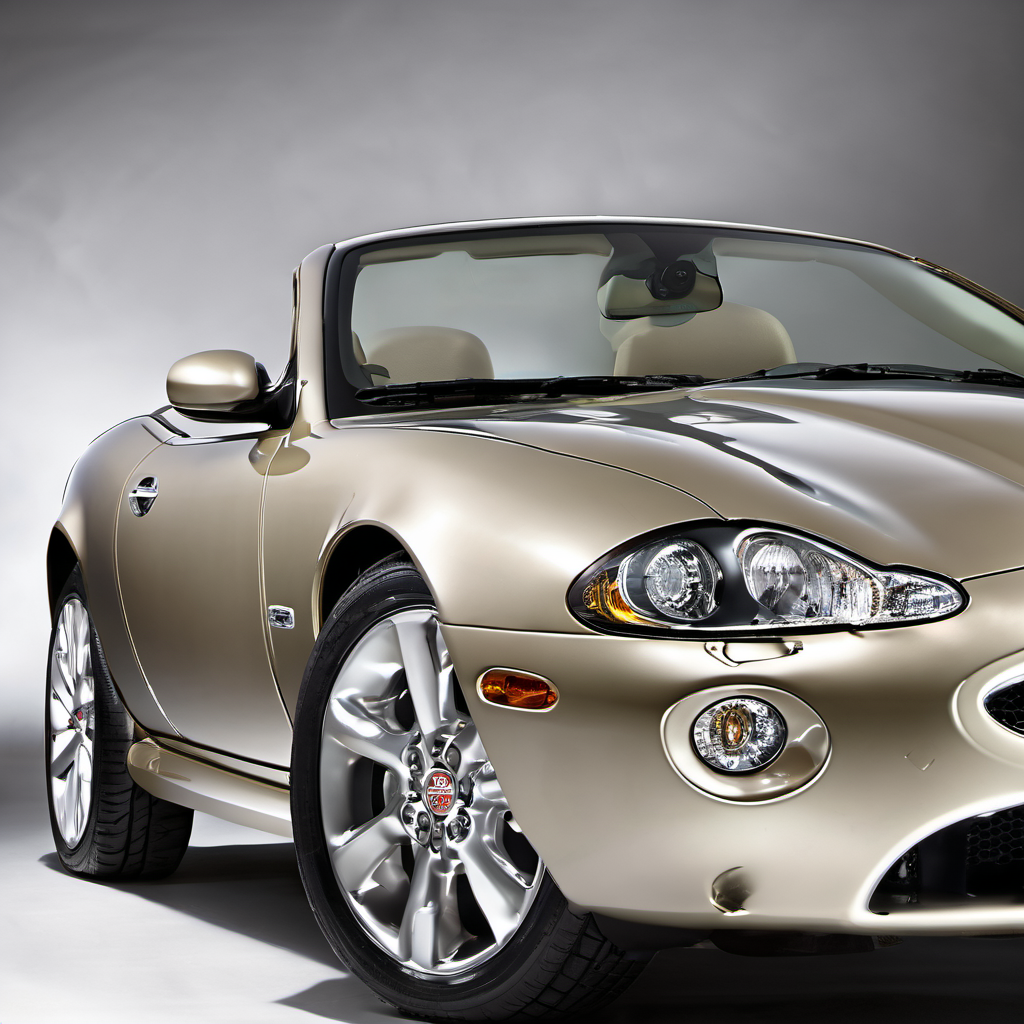
British GT coupe from the same era with a supercharged V8. Shares some Ford-era DNA, similar ownership cost profile, but more practical with a larger cabin and better dealer/parts network.
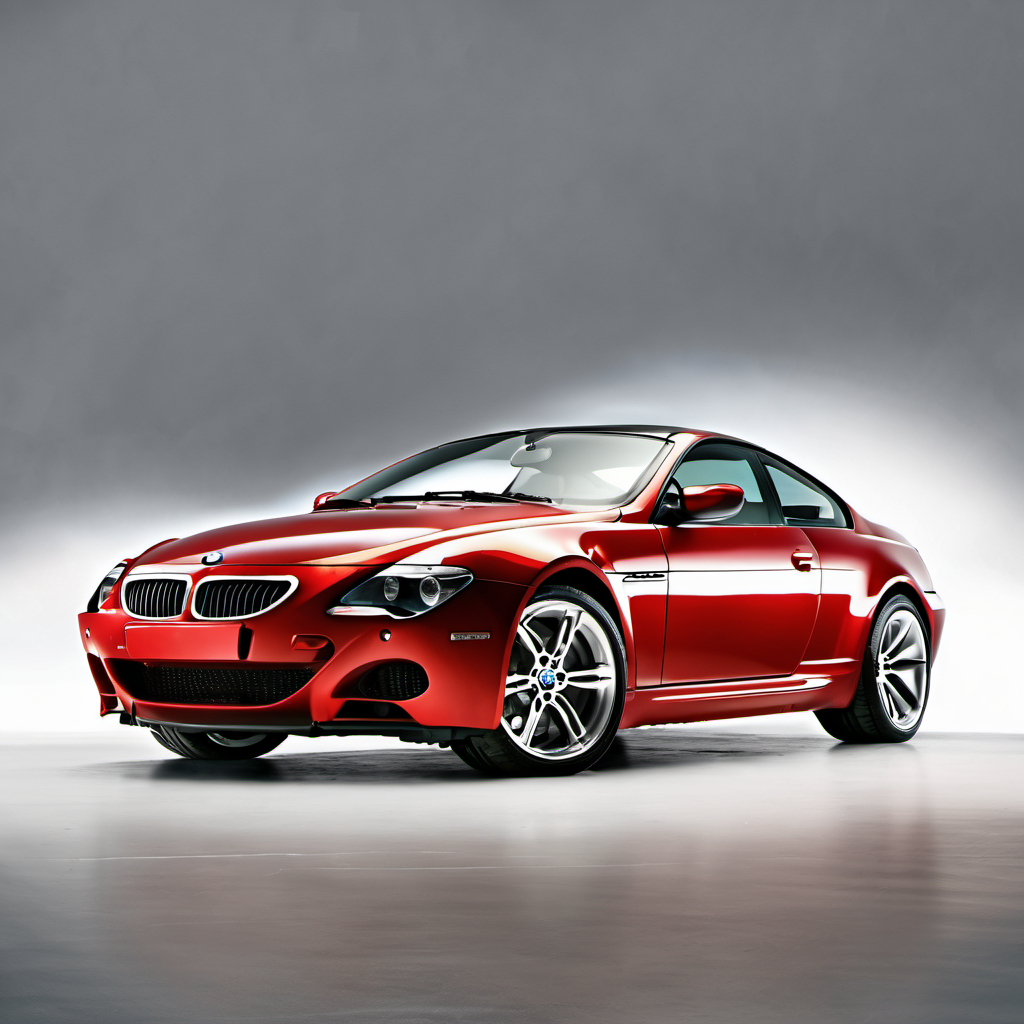
High-performance GT coupe in the same price range with a V10 engine. Better parts availability and more independent shop options in the Midwest, though its SMG gearbox has its own reliability concerns.
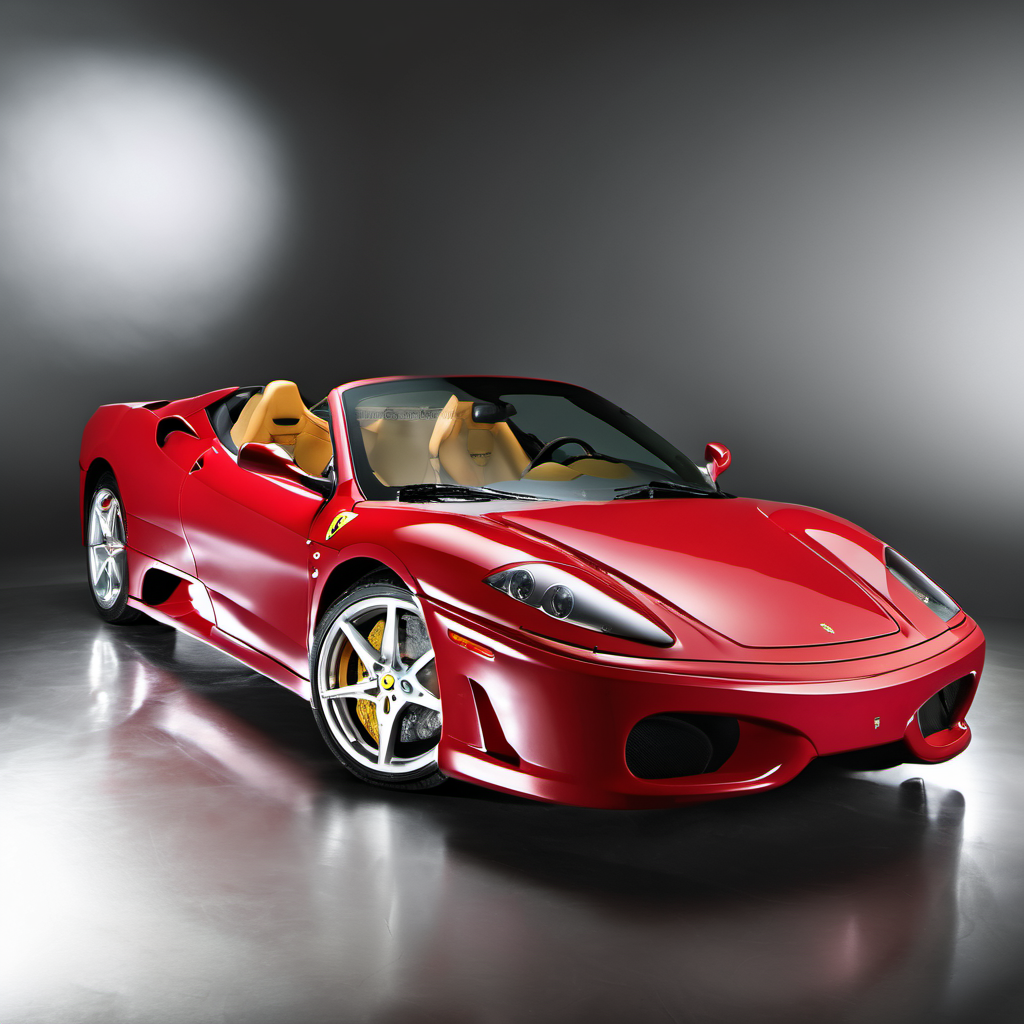
Direct exotic-segment competitor with a similar naturally aspirated V8 character. Higher purchase price and maintenance costs, but a stronger collector following and more consistent residual values.