Excessive engine oil consumption (QR25DE piston ring wear)
high- Typically appears
- 60–150k mi
- Estimated repair
- $800 – $3,500
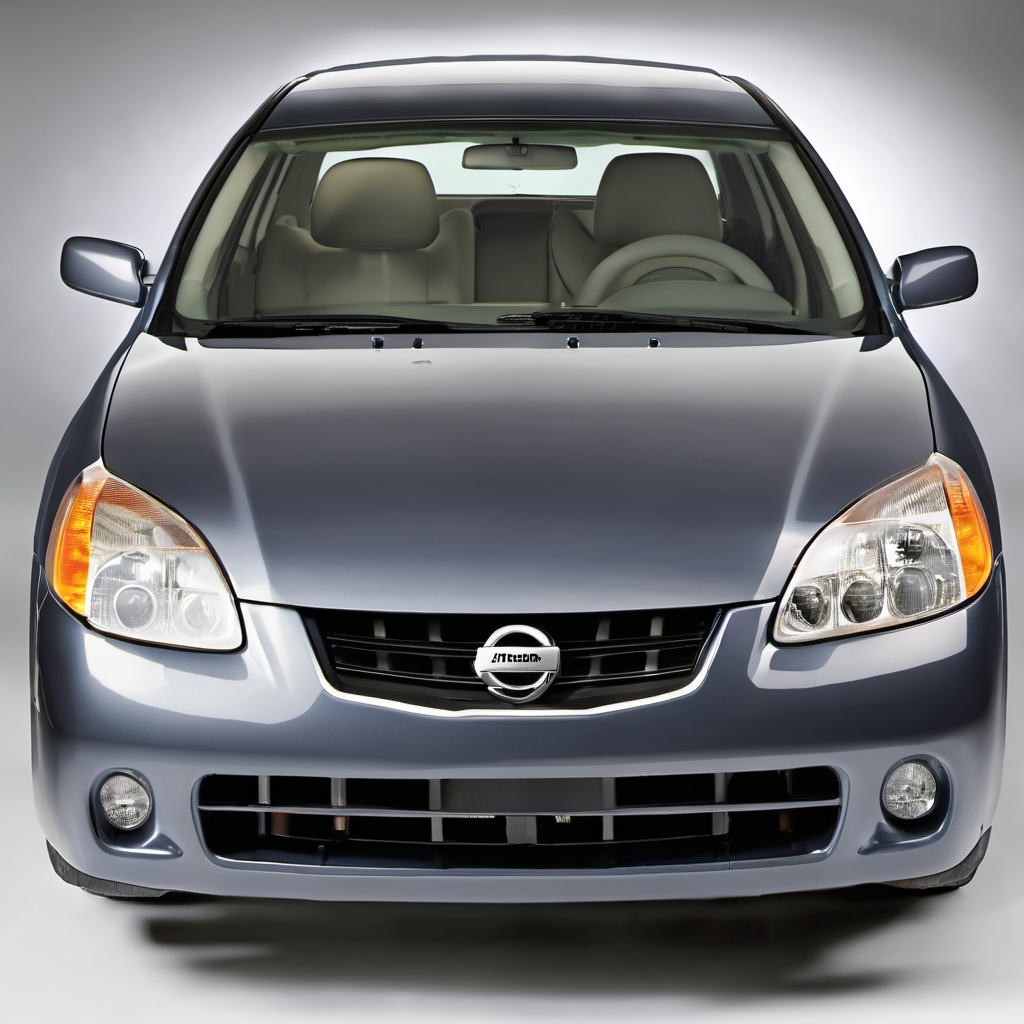
2005 Nissan
Sedan
The 2005 Nissan Altima is a front-wheel-drive midsize sedan built on Nissan's D platform, sharing its bones with the Maxima and several other Nissan/Infiniti products of that era. It came in four trim levels (2.5, 2.5 S, 2.5 SL, and 3.5 SE), with the 2.5L QR25DE four-cylinder being the bread-and-butter engine for most buyers. It was a genuinely competitive family sedan — roomy for its class, peppy enough, and initially well-priced. This generation (2002–2006) earned a solid reputation for value but also developed some well-documented mechanical headaches that owners need to know about going in. The QR25DE engine in particular has known oil consumption and timing chain issues that can become expensive if ignored. The CVT (Xtronic) used in many of these was also an early example of that transmission type, and its long-term durability is a legitimate concern on high-mileage examples. At 20 years old, a 2005 Altima is solidly in "know what you're buying" territory. Well-maintained examples are still serviceable daily drivers, but deferred maintenance catches up quickly — especially with the engine's oil sensitivity and the undercarriage corrosion that Wisconsin winters accelerate.
The 2005 Nissan Altima is a front-wheel-drive midsize sedan built on Nissan's D platform, sharing its bones with the Maxima and several other Nissan/Infiniti products of that era. It came in four trim levels (2.5, 2.5 S, 2.5 SL, and 3.5 SE), with the 2.5L QR25DE four-cylinder being the bread-and-butter engine for most buyers. It was a genuinely competitive family sedan — roomy for its class, peppy enough, and initially well-priced. This generation (2002–2006) earned a solid reputation for value but also developed some well-documented mechanical headaches that owners need to know about going in. The QR25DE engine in particular has known oil consumption and timing chain issues that can become expensive if ignored. The CVT (Xtronic) used in many of these was also an early example of that transmission type, and its long-term durability is a legitimate concern on high-mileage examples. At 20 years old, a 2005 Altima is solidly in "know what you're buying" territory. Well-maintained examples are still serviceable daily drivers, but deferred maintenance catches up quickly — especially with the engine's oil sensitivity and the undercarriage corrosion that Wisconsin winters accelerate.
The QR25DE is known to consume oil, especially on higher-mileage examples. Running low causes accelerated piston ring wear and can destroy the catalytic converter. This is the single most important habit for this car.
Fresh oil is critical to VTC actuator function and timing chain health. Extending intervals on this engine accelerates sludge buildup, which directly causes timing rattle and camshaft issues.
Nissan did not originally publish a CVT fluid change interval for normal driving, but real-world evidence strongly supports regular changes. This is the most effective way to extend CVT life on these cars. Use only fluid meeting Nissan NS-2 spec.
Degraded coolant raises operating temperatures, which is especially hard on the CVT and engine seals. Nissan's long-life coolant does not last forever in a 20-year-old cooling system.
Brake fluid is hygroscopic and absorbs moisture over time. Wisconsin's freeze-thaw cycles and road salt environment make brake system corrosion worse — fresh fluid helps protect calipers and wheel cylinders.
Seized caliper pins cause uneven pad wear and premature rotor damage, which is common on salt-belt cars. A $20 service now prevents a $400 brake job later.
Wisconsin road salt attacks steel brake and fuel lines, and the subframe on this generation Altima is prone to rust perforation. A rusted brake line failure is a safety emergency. Catch it early with a visual inspection.
A clogged cabin filter restricts airflow, which makes the A/C and defroster work harder — the defroster is critical for Wisconsin winter visibility.
Always defer to the manufacturer's service manual for warranty-mandated intervals.
A well-maintained 2005 Altima can be an economical car to own — parts are cheap, independent shops know the platform, and basic services are straightforward. The wildcard is deferred maintenance: an ignored oil consumption issue or a neglected CVT can turn a $5,000 car into one with a $3,000+ repair bill. Budget on the higher end of the maintenance range if the car's service history is unknown, and always factor in rust repair on any Wisconsin example.
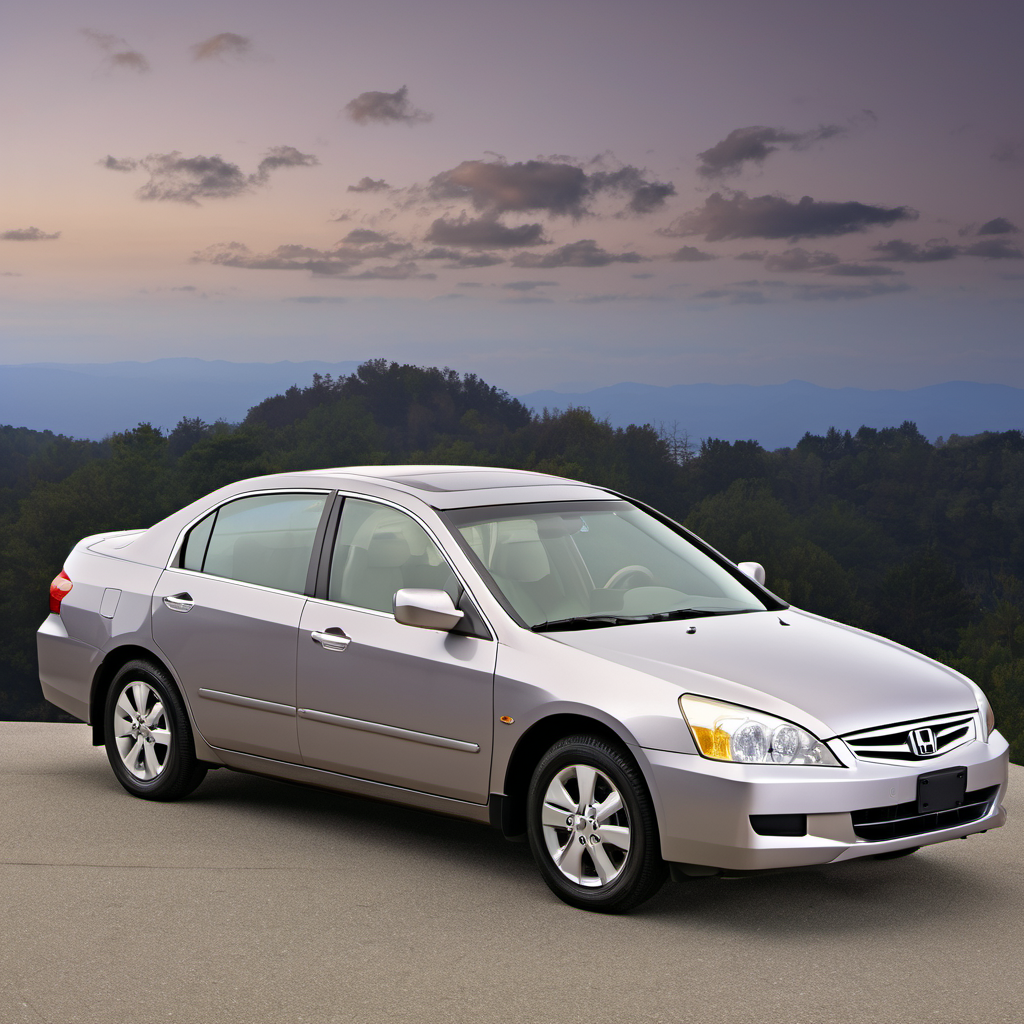
The same-era Accord 2.4L is the benchmark competitor — slightly better long-term reliability on the engine and transmission, similar fuel economy, and comparable cabin space. Parts are equally abundant.
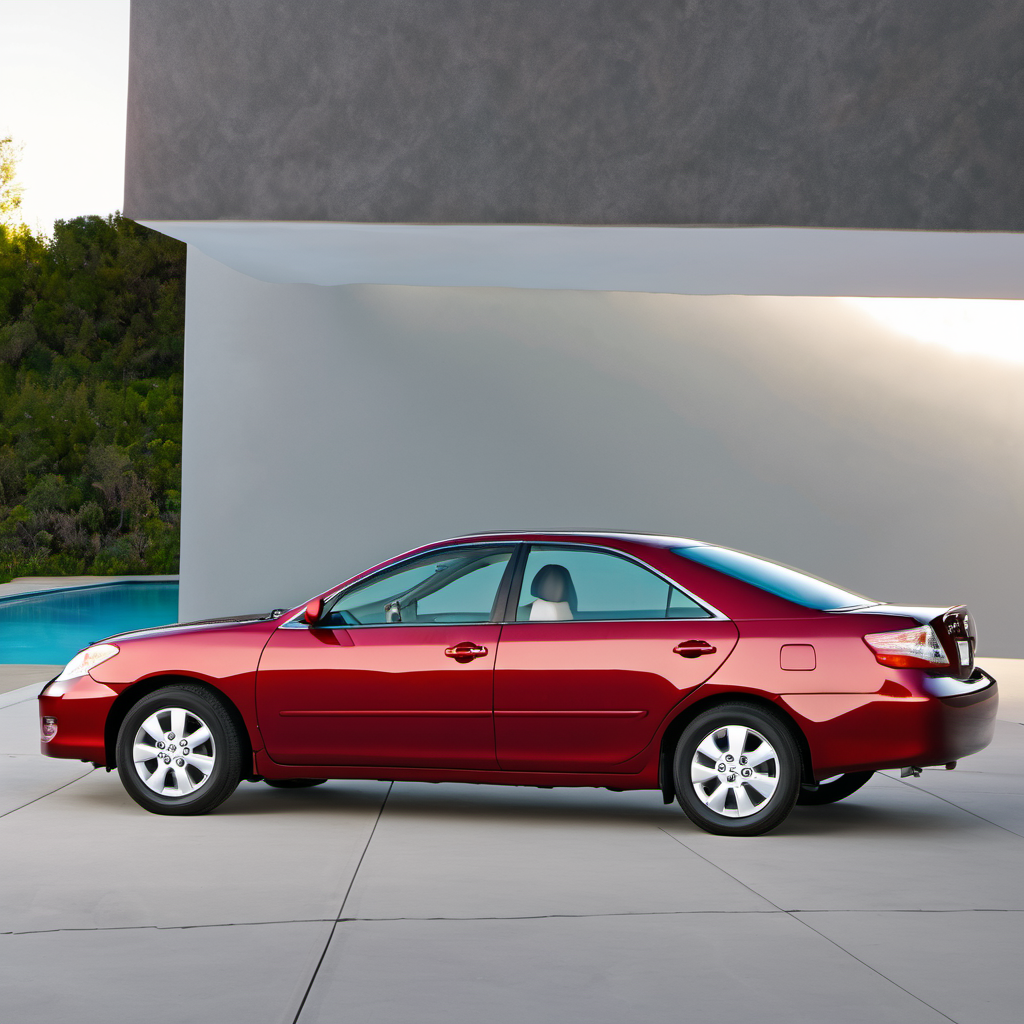
The Camry 2.4L offers a stronger long-term reliability track record and fewer oil consumption concerns. It trades some interior space and sportiness for a reputation as a near-bulletproof family sedan.
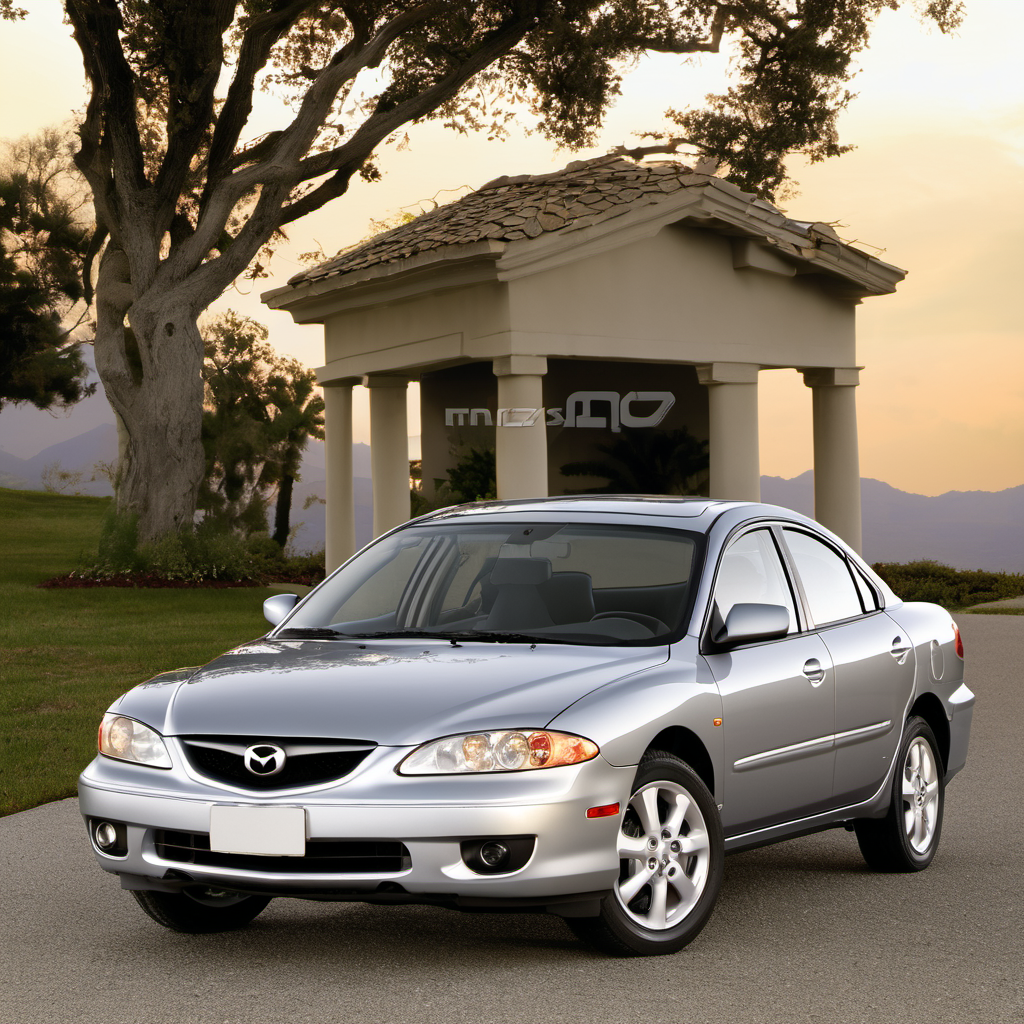
The Mazda6 of this era offers a more engaging driving feel, a conventional automatic transmission (avoiding CVT concerns), and solid reliability — a good alternative for buyers who want a fun-to-drive midsize.
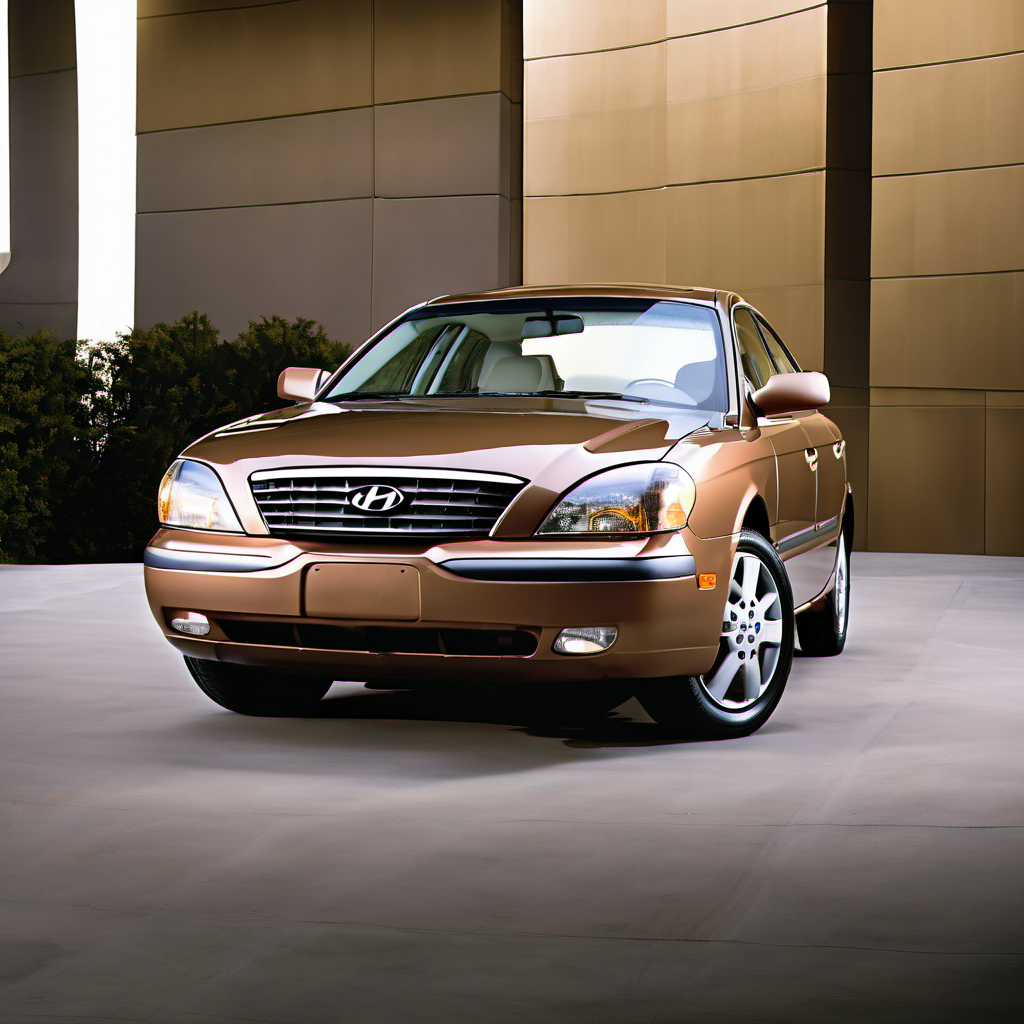
The 2005 Sonata is a less expensive alternative in the same segment, though its reliability and long-term durability trail the Altima. Worth considering only if the price gap is significant and the service history is clean.