Air Suspension Failure (AIRMATIC)
high- Typically appears
- 80–150k mi
- Estimated repair
- $800 – $3,500
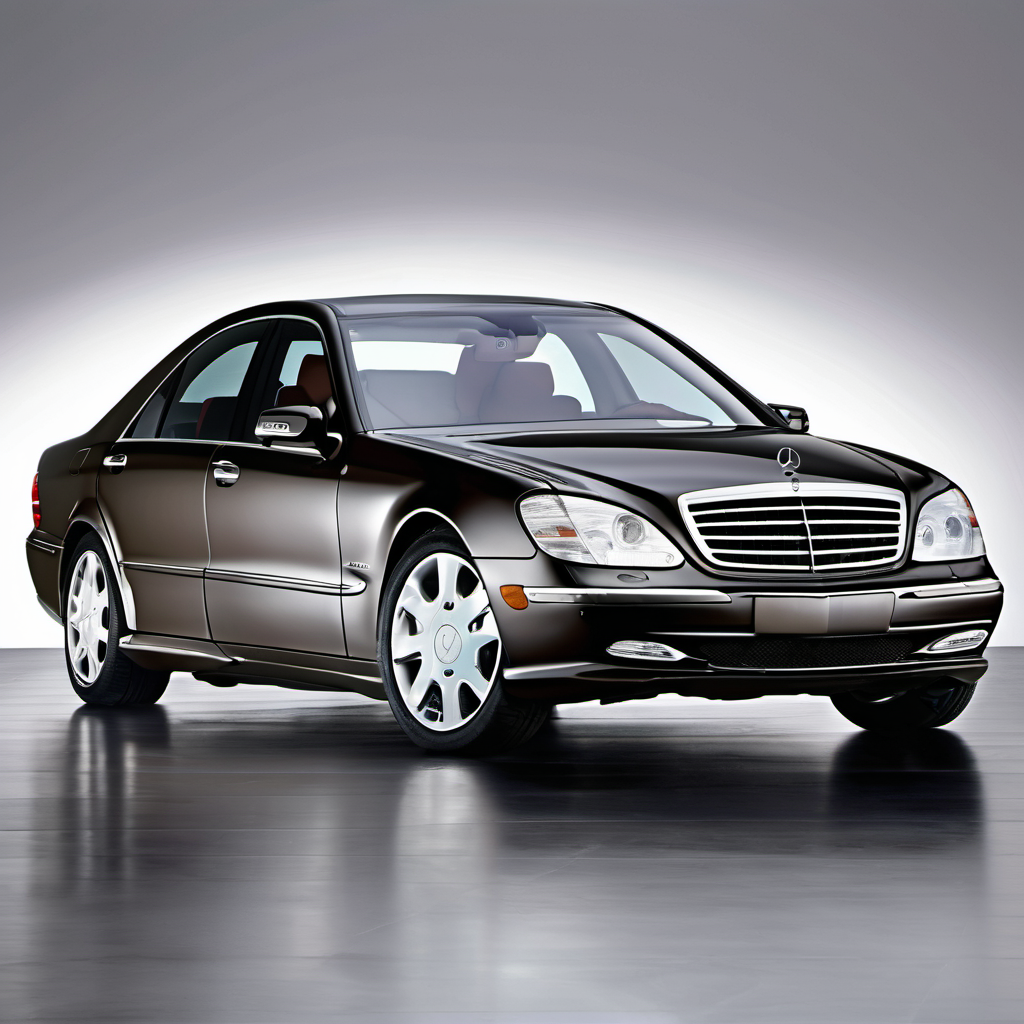
2005 Mercedes-Benz
Sedan
The 2005 Mercedes-Benz S-Class (W220 generation) is the flagship luxury sedan from Stuttgart, built to impress with a commanding presence, a silky V8, and a cabin loaded with technology that was genuinely cutting-edge for its era. The S430 — powered by the 4.3L M113 V8 — was the volume seller of the lineup and remains the most attainable entry into this generation today. Driving one feels effortless: the ride is plush, the power is smooth and abundant, and the interior wraps you in wood, leather, and soft-touch surfaces that still hold up aesthetically. Highway miles disappear quietly. For the money these now trade for, the sheer amount of car you get is hard to argue with. The catch is well-documented: the W220 generation is notorious for expensive electronics, air suspension failures, and maintenance costs that don't scale down with the car's depreciated value. This is an enthusiast or patient-owner car, not a set-it-and-forget-it daily driver. Budget accordingly and you'll be rewarded. Ignore the maintenance and the repair bills will sting.
The 2005 Mercedes-Benz S-Class (W220 generation) is the flagship luxury sedan from Stuttgart, built to impress with a commanding presence, a silky V8, and a cabin loaded with technology that was genuinely cutting-edge for its era. The S430 — powered by the 4.3L M113 V8 — was the volume seller of the lineup and remains the most attainable entry into this generation today. Driving one feels effortless: the ride is plush, the power is smooth and abundant, and the interior wraps you in wood, leather, and soft-touch surfaces that still hold up aesthetically. Highway miles disappear quietly. For the money these now trade for, the sheer amount of car you get is hard to argue with. The catch is well-documented: the W220 generation is notorious for expensive electronics, air suspension failures, and maintenance costs that don't scale down with the car's depreciated value. This is an enthusiast or patient-owner car, not a set-it-and-forget-it daily driver. Budget accordingly and you'll be rewarded. Ignore the maintenance and the repair bills will sting.
Mercedes recommends longer OLM-based intervals, but in Wisconsin's cold start conditions shorter intervals protect the M113's variable valve timing components and timing chain guides.
The W220 uses plastic coolant fittings that become brittle with age. A cracked fitting in a Wisconsin winter means an overheated engine very quickly. Catch it before it fails.
Mercedes called this a 'lifetime' fill, but in practice the fluid degrades. Fresh fluid significantly extends the life of one of the car's most expensive components to replace.
AIRMATIC struts typically start leaking between 80–120k miles. Catching a soft strut early prevents the compressor from running constantly and burning itself out — which doubles the repair cost.
The V8 uses two plugs per cylinder. Labor adds up; do all 16 at once and use OEM or equivalent spec plugs to avoid misfires and rough idle.
The W220's electronics demand a healthy battery. A weak battery causes cascading module faults and electrical gremlins. New batteries must be coded to the car's BMS — don't skip this step.
Clogged cabin filters stress the blower motor and reduce HVAC effectiveness — critical for defrost performance in Wisconsin winters.
MB specifies biennial brake fluid changes. Moisture-contaminated fluid lowers boiling point and can cause fade — especially important given Wisconsin's salt-heavy winter driving and wet spring roads.
Always defer to the manufacturer's service manual for warranty-mandated intervals.
This is the classic 'cheap to buy, expensive to own' scenario. Purchase prices in the $5,000–$12,000 range make the S430 tempting, but annual maintenance on a healthy car runs $1,800–$3,000 at an independent shop — and a single bad year with an air suspension overhaul or module replacement can push total costs to $5,000+. Budget a repair reserve from day one. Owners who stay on top of preventive maintenance and address issues early keep costs manageable; those who defer them quickly find repair bills exceeding the car's value.
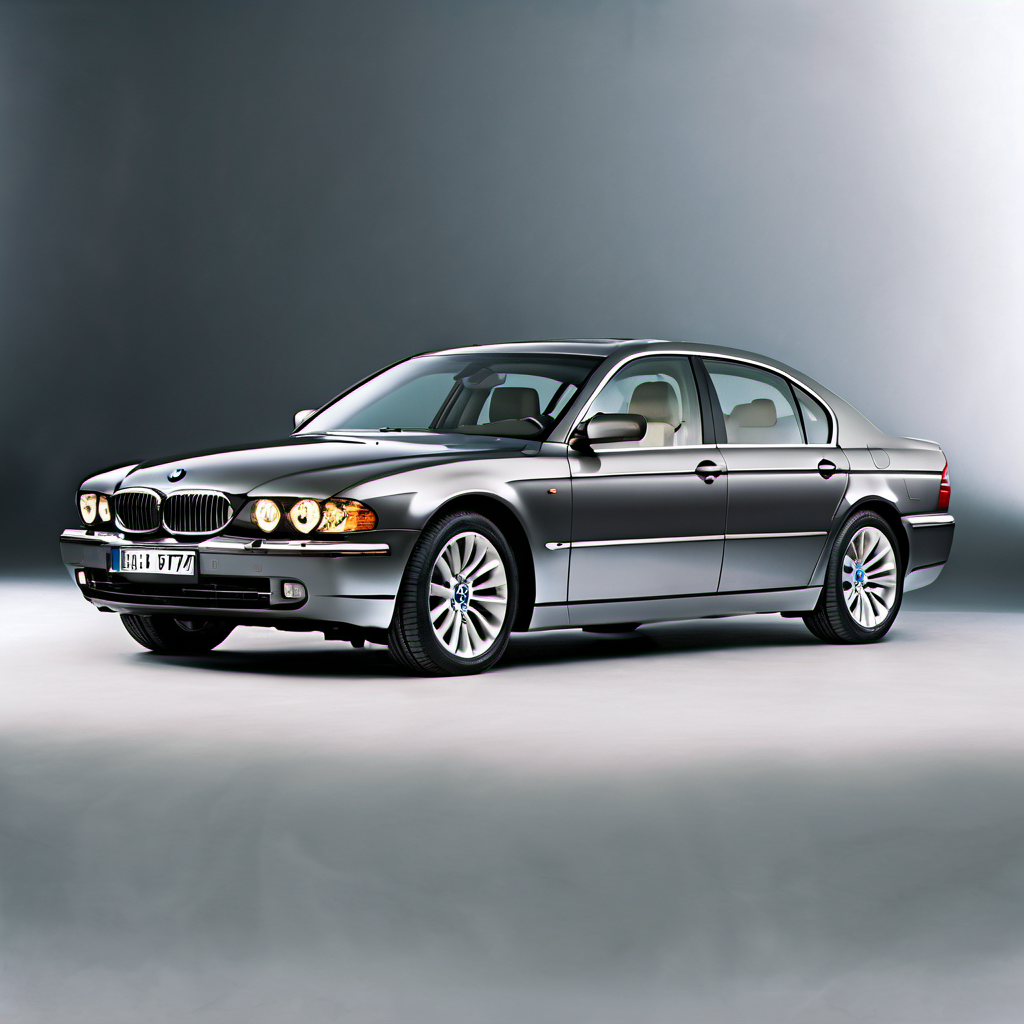
Direct luxury flagship competitor from the same era. The E65 745i/750i offers similar performance and features with comparable depreciation, but shares the W220's reputation for complex electronics and high upkeep costs.
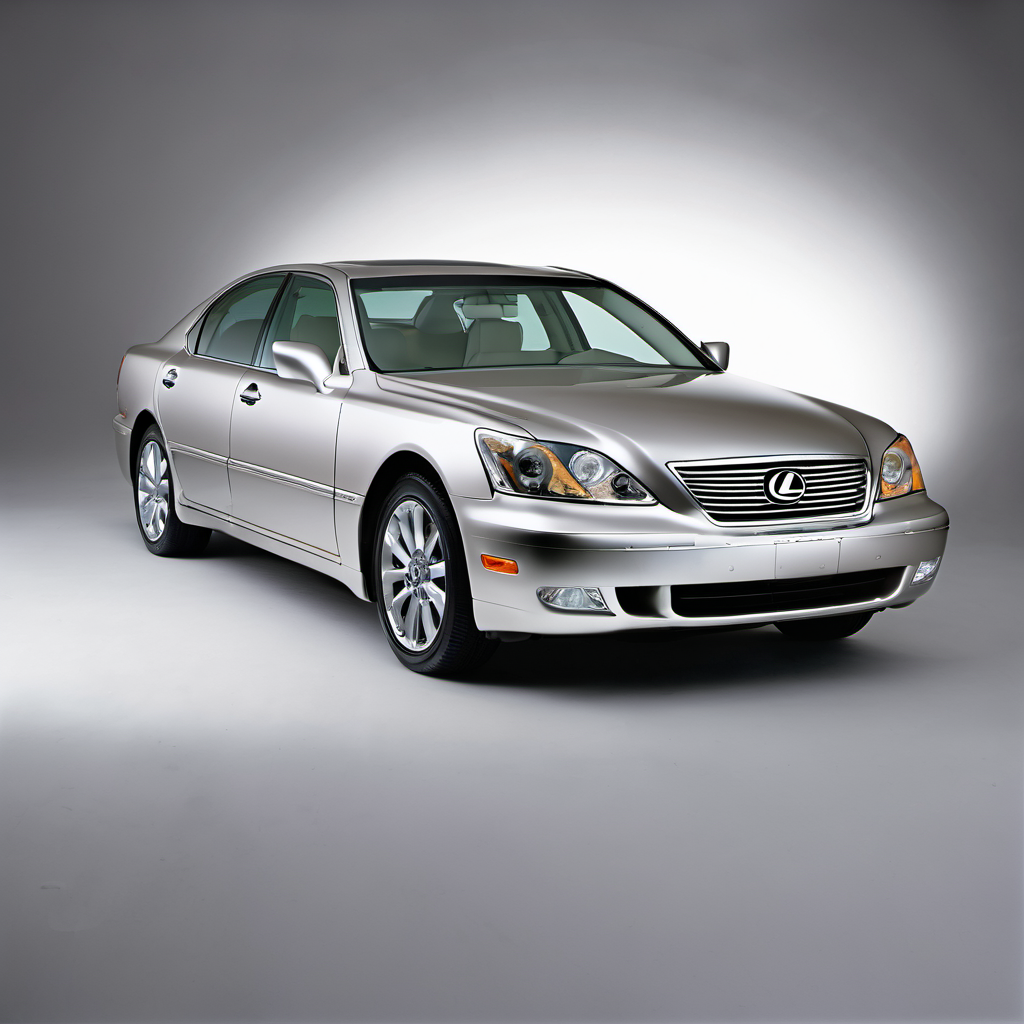
The most reliable alternative in this class. Less opulent than the S-Class but significantly lower long-term maintenance costs, better resale, and a powertrain known to run past 200k miles with basic care — a strong choice for budget-conscious luxury buyers.
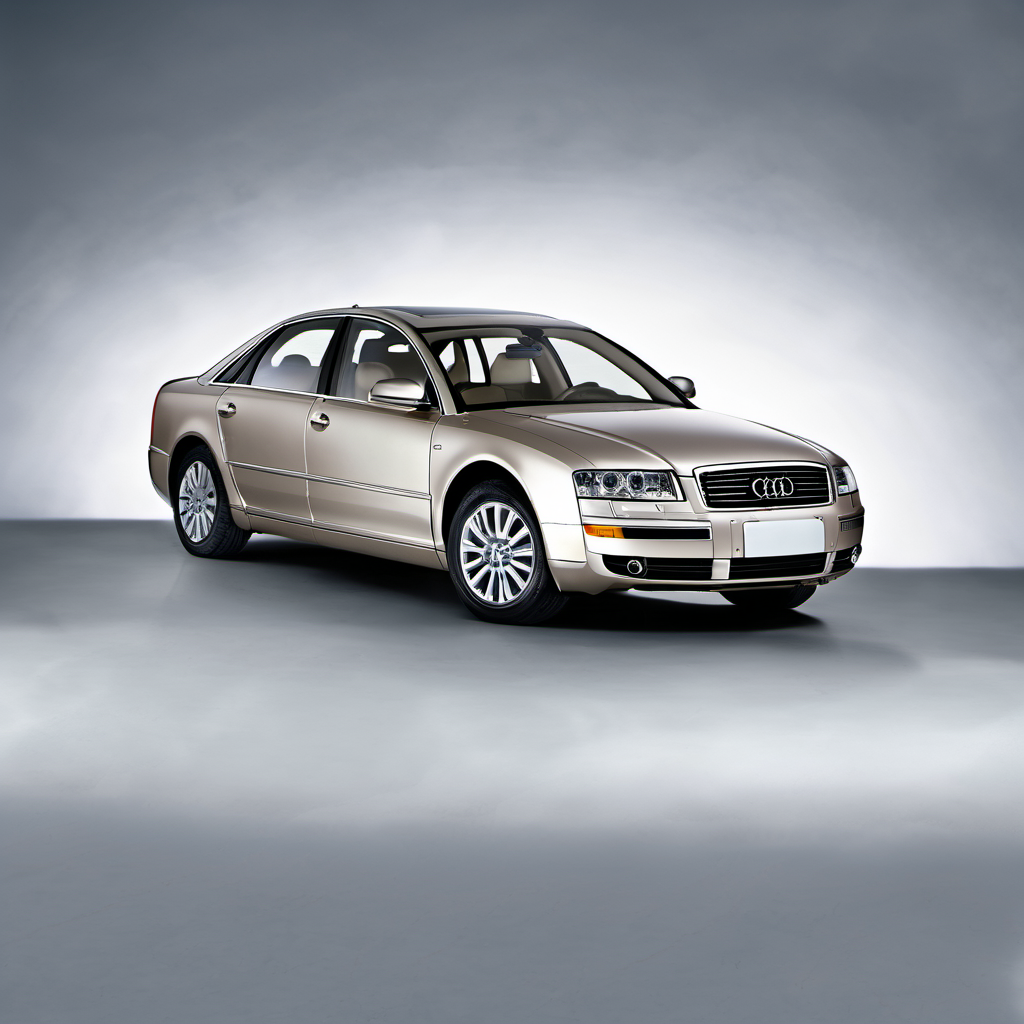
Aluminum-chassis luxury flagship with AWD available — an advantage in Wisconsin winters. Air suspension is also a known issue, but the Quattro drivetrain and interior quality make it a compelling alternative.
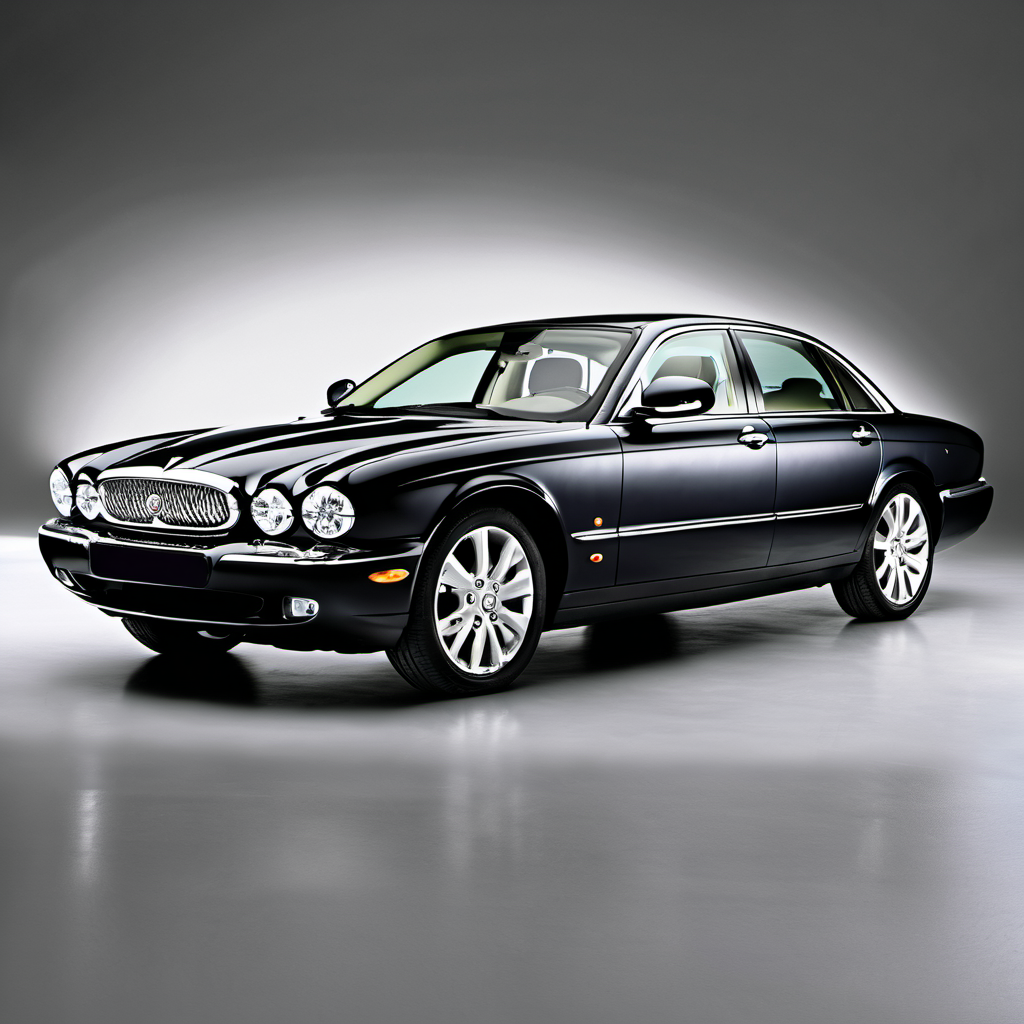
The aluminum-bodied X350 XJ offers a similarly plush ride and V8 power at comparable depreciated prices. Reliability is slightly better than the W220 but parts sourcing can be challenging in the Midwest.