N62 Valve Stem Seal Leaks (Oil Burning)
high- Typically appears
- 60–120k mi
- Estimated repair
- $2,500 – $5,000
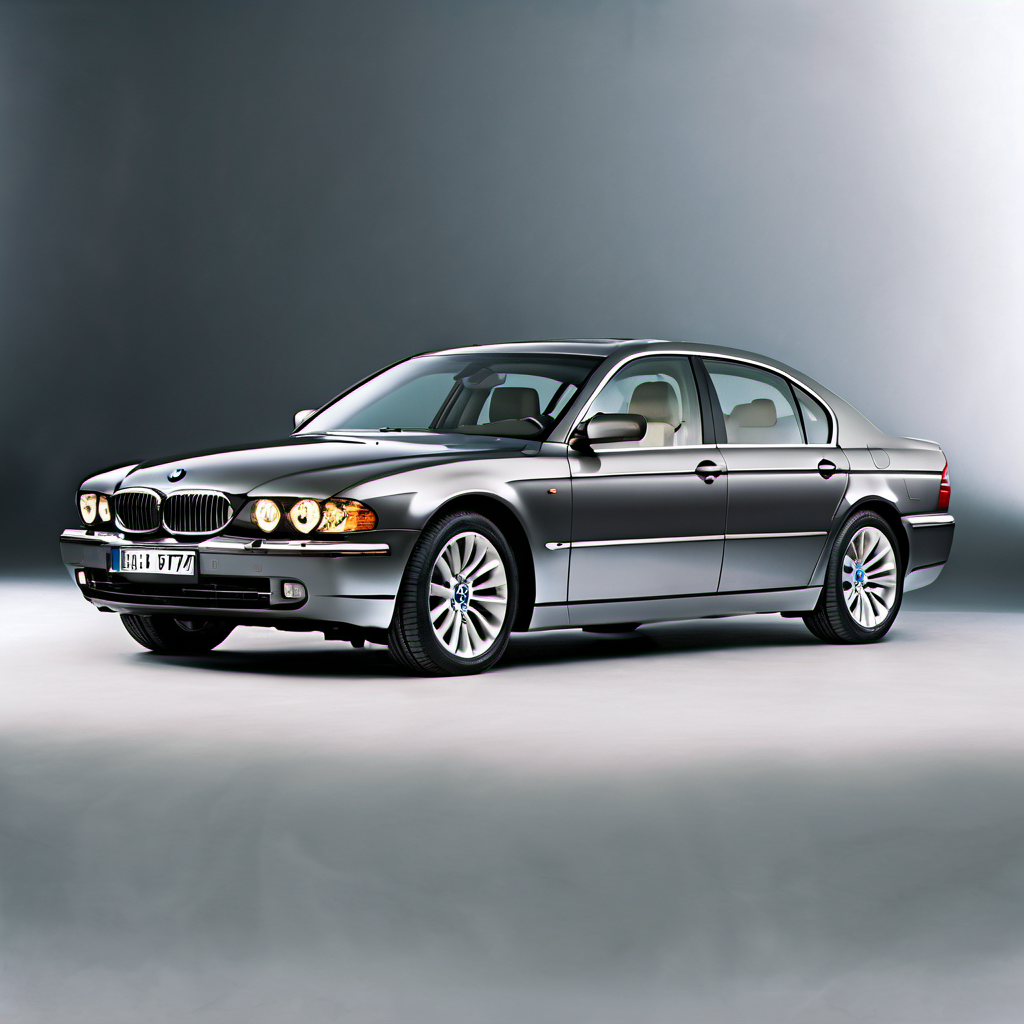
2005 BMW
Sedan
The 2005 BMW 7 Series (E65 generation) is BMW's flagship full-size luxury sedan, built to compete at the very top of the market. It carries a 4.4L V8 (745i/Li) or an available 6.0L V12 (760i/Li), rear-wheel drive, and a long list of technology features that were genuinely cutting-edge for their era — including active roll stabilization, adaptive headlights, and the iDrive infotainment system. The E65 generation (2002–2008) is polarizing. Its Chris Bangle-designed exterior was controversial, and its early adoption of complex electronics and the iDrive interface made it one of the most technology-dense cars of its time — which also made it one of the most expensive to own once it aged out of warranty. A well-maintained example can still deliver an outstanding driving experience, but deferred maintenance is punishing on this platform. Buyers shopping a used E65 need to be realistic: this is a high-maintenance vehicle. Repair costs are substantially above average even at an independent shop. Anyone considering one should budget accordingly and insist on a pre-purchase inspection by a BMW-experienced technician before buying.
The 2005 BMW 7 Series (E65 generation) is BMW's flagship full-size luxury sedan, built to compete at the very top of the market. It carries a 4.4L V8 (745i/Li) or an available 6.0L V12 (760i/Li), rear-wheel drive, and a long list of technology features that were genuinely cutting-edge for their era — including active roll stabilization, adaptive headlights, and the iDrive infotainment system. The E65 generation (2002–2008) is polarizing. Its Chris Bangle-designed exterior was controversial, and its early adoption of complex electronics and the iDrive interface made it one of the most technology-dense cars of its time — which also made it one of the most expensive to own once it aged out of warranty. A well-maintained example can still deliver an outstanding driving experience, but deferred maintenance is punishing on this platform. Buyers shopping a used E65 need to be realistic: this is a high-maintenance vehicle. Repair costs are substantially above average even at an independent shop. Anyone considering one should budget accordingly and insist on a pre-purchase inspection by a BMW-experienced technician before buying.
The N62 engine is sensitive to oil quality and level. Low oil accelerates valve stem seal wear and VANOS solenoid sludging. 5W-40 full synthetic is the correct spec. Check level monthly — this engine can consume oil between changes.
Plastic coolant components on the N62 become brittle with age. The electric water pump and expansion tank are known failure points. A preventive replacement at 80–90k is cheaper than a roadside failure or warped head.
BMW spec'd this as lifetime fluid — it is not. Fresh fluid at 50k intervals protects the ZF 6-speed and prevents solenoid wear that leads to expensive valve body work.
The N62's spark plugs are buried under the intake manifold and labor costs are significant. Don't skip or stretch intervals — misfires on this engine cause catalytic converter damage.
The E65 uses an AGM battery with a separate vent hose; a standard flooded battery will damage the car's electronics. The battery must be registered to the vehicle's power management system when replaced — a step that requires a BMW-capable scan tool.
BMW's Active Roll Stabilization and DSC systems are sensitive to moisture-contaminated brake fluid. Wet fluid raises brake fade risk and corrodes ABS/ASC hydraulic components.
Air struts and ride-height sensors are expensive to replace. Early detection of slow leaks or compressor strain saves significant money and avoids being stranded on a sagged corner.
Clogged cabin filters degrade the climate control system's performance — particularly important for heating in Wisconsin winters. Engine filters affect mass airflow readings and fuel trim.
Always defer to the manufacturer's service manual for warranty-mandated intervals.
The E65 7 Series is a textbook example of a car that is cheap to buy and expensive to own. A clean used example might cost $8,000–$15,000 today, but annual maintenance and repair costs routinely exceed those of a much newer vehicle. Budget $2,000/yr minimum for routine upkeep on a well-maintained example; budget $3,500–$5,000+ if the car has any deferred maintenance to work through. This is not a vehicle for anyone who stretches oil changes or shops by price alone.
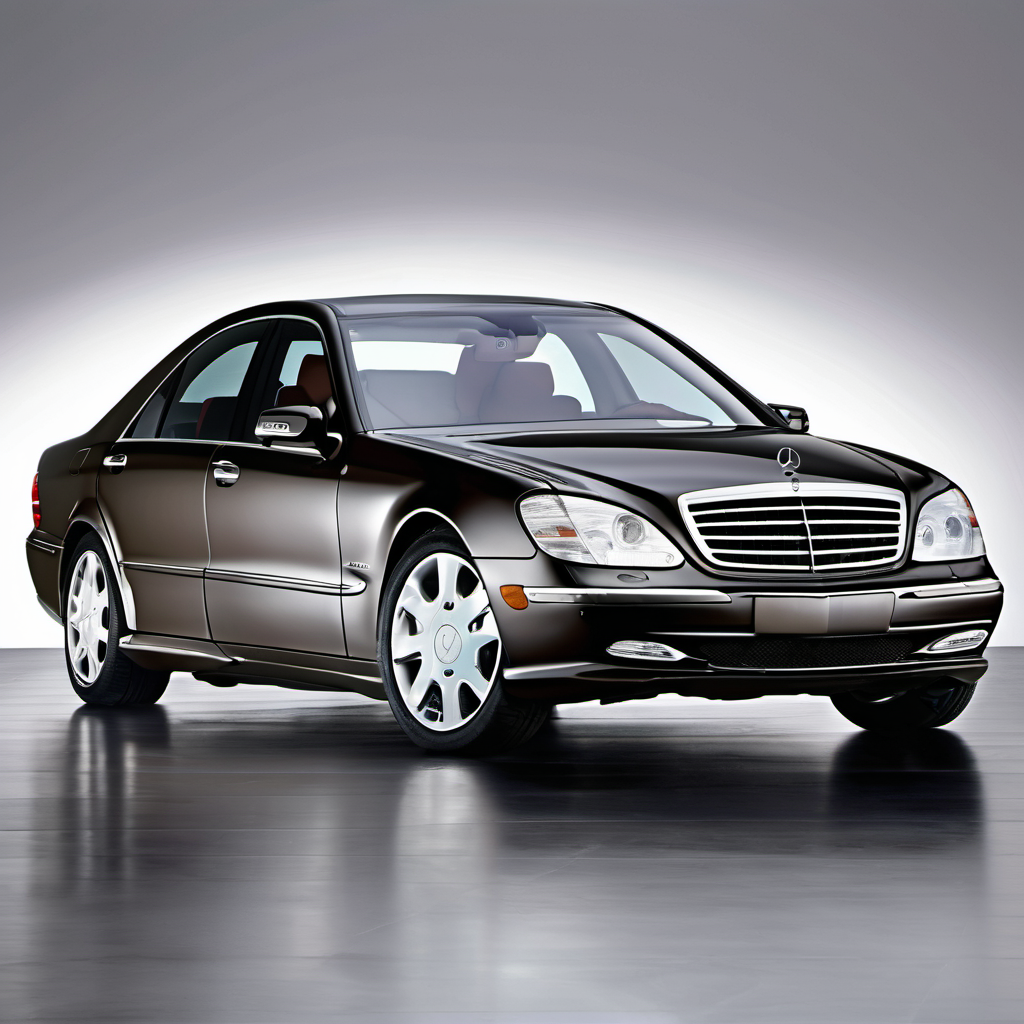
Direct segment competitor — the W220 S-Class offers comparable luxury and a V8 option at similar used-market prices, but shares many of the same high ownership cost characteristics. Generally considered slightly more reliable than the E65.
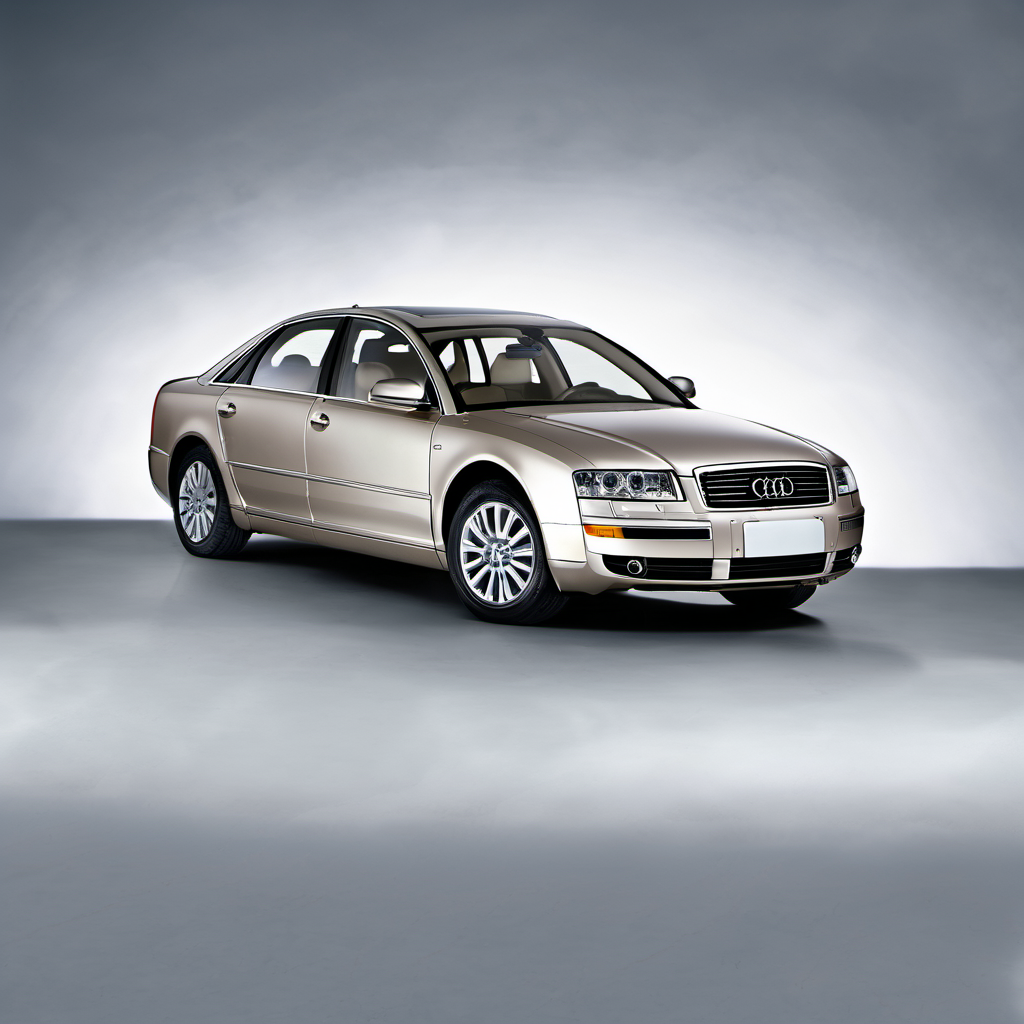
Another flagship luxury sedan with AWD as a major differentiator over the 7's RWD. Air suspension failures are similarly expensive, but the 4.2L V8 is somewhat less complex than the N62.
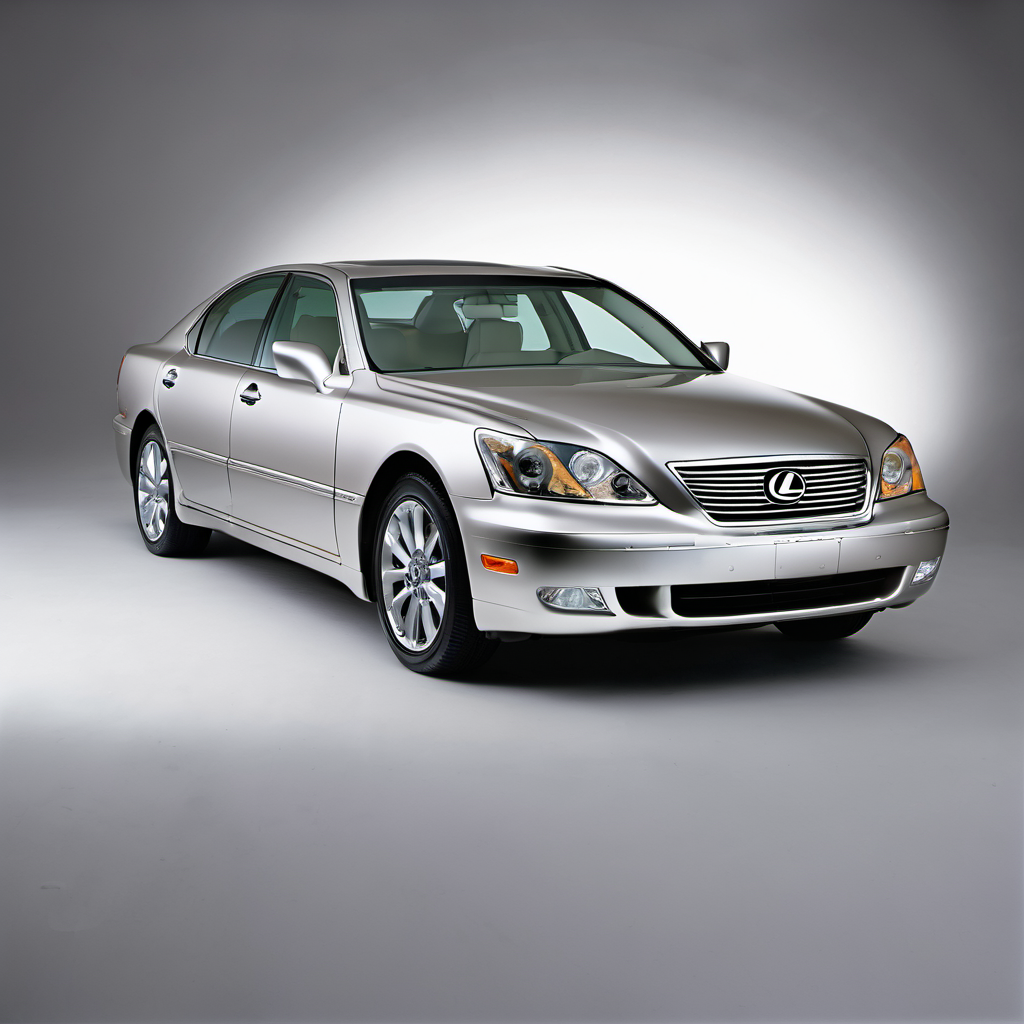
Significantly more reliable than any European flagship of this era. Less engaging to drive, but a LS430 at the same used price will almost certainly cost far less to own over the next five years — a serious alternative for buyers prioritizing dependability.
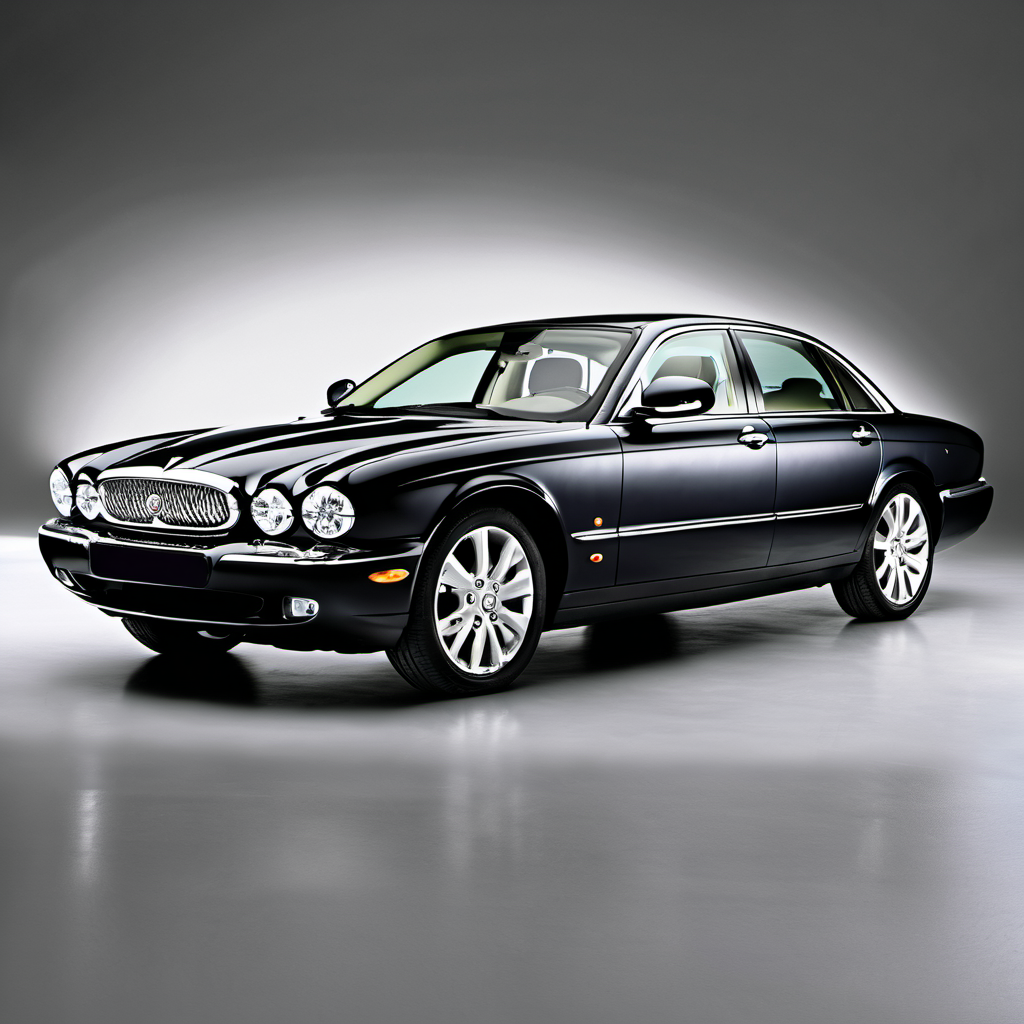
Similar RWD V8 flagship positioning at comparable used prices. The X350-generation XJ8 is stylish and comfortable but carries its own electrical reliability concerns — not necessarily a lower-risk buy, but a different flavor of the same ownership experience.