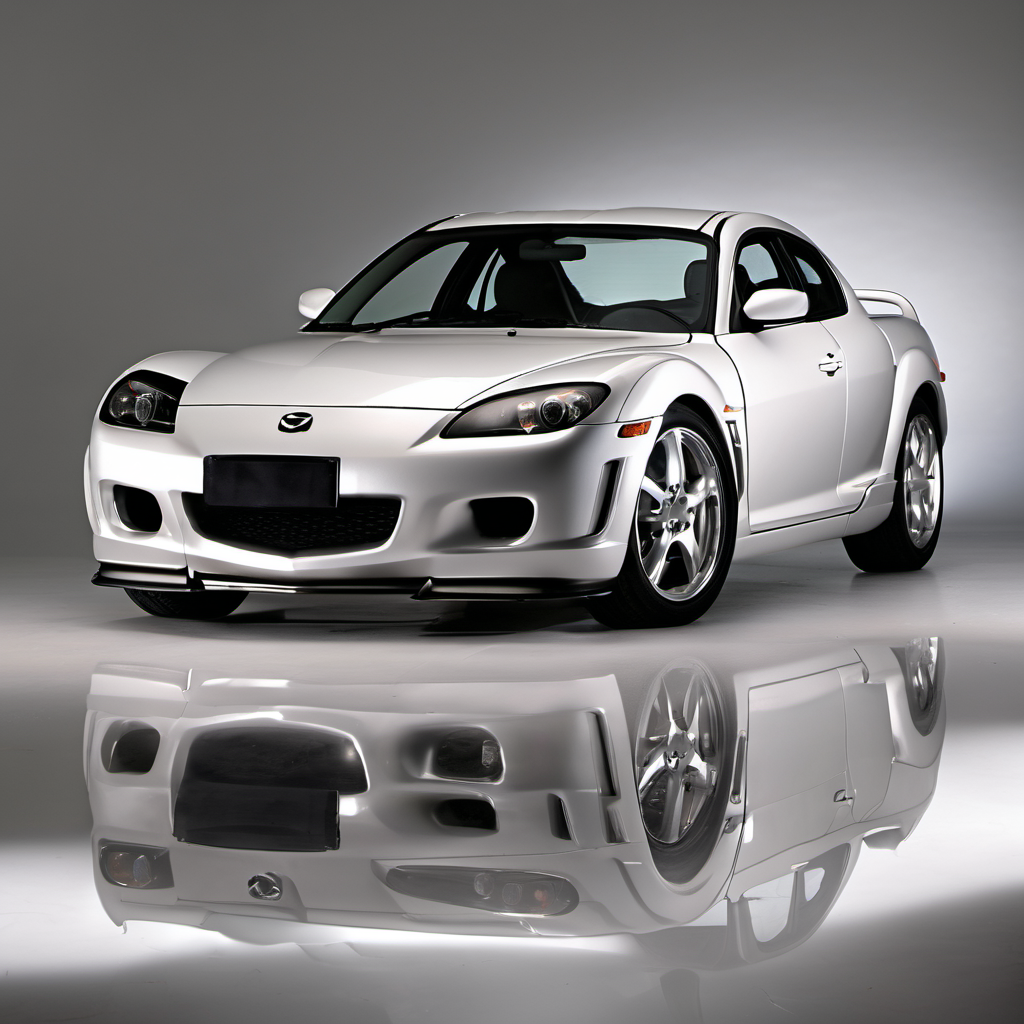
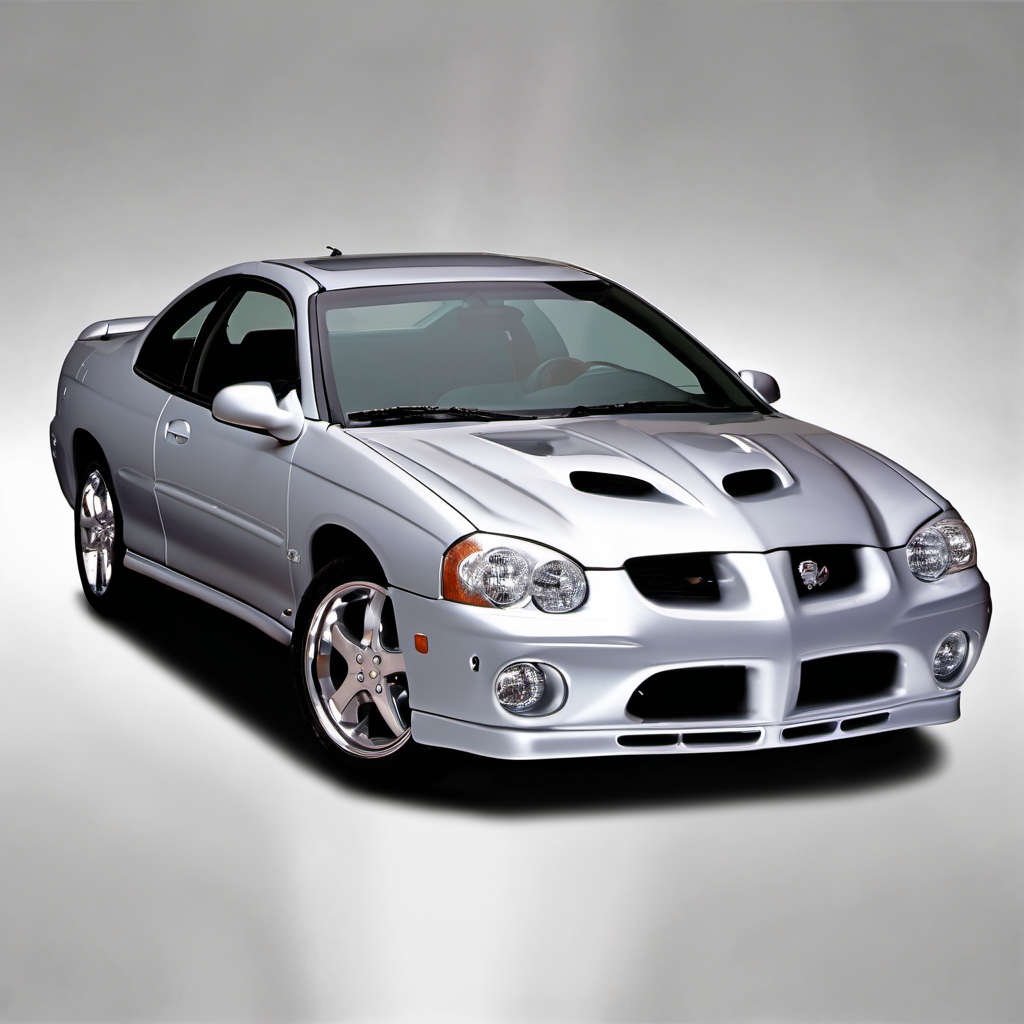
2005 MAZDA RX-8 Coupe

2005 MAZDA

RX-8Coupe

Coupe

The 2005 Mazda RX-8 is a rear-wheel-drive sports coupe powered by Mazda's unique 1.3L Renesis rotary engine — not a traditional piston engine. It sits in a class of its own: a true four-seat sports car with suicide-style rear doors, a low center of gravity, and chassis balance that few cars at any price matched in its era. The RX-8 rewards drivers who understand what a rotary engine needs; it punishes those who don't. The Renesis engine makes 232 hp (manual) or 197 hp (automatic) and screams to a 9,000 RPM redline. It's naturally aspirated, lightweight, and compact — but it burns oil by design, doesn't tolerate short trips or frequent cold starts well, and is genuinely sensitive to how it's maintained. Fuel economy is poor for the displacement, and premium fuel is required. This is not a car for someone who wants a sports car as a second thought. It's for an enthusiast willing to check the oil frequently, warm it up properly, and understand that the engine is a wear item with a finite, manageable lifespan when cared for — and a very short one when it's not.

Reliability
2/5
Verified data
Specs shown for RX-8 — the most common configuration. Other trims may vary in engine, drivetrain, or fuel economy. Sign in to see your vehicle's exact specs.
Engine
[object Object]
Drivetrain
RWD
Fuel
Premium gasoline
MPG
16 city / 22 hwy / 18 combined
Seats
Doors
Body
Subcompact Cars

Overview

AI-curated

The 2005 Mazda RX-8 is a rear-wheel-drive sports coupe powered by Mazda's unique 1.3L Renesis rotary engine — not a traditional piston engine. It sits in a class of its own: a true four-seat sports car with suicide-style rear doors, a low center of gravity, and chassis balance that few cars at any price matched in its era. The RX-8 rewards drivers who understand what a rotary engine needs; it punishes those who don't. The Renesis engine makes 232 hp (manual) or 197 hp (automatic) and screams to a 9,000 RPM redline. It's naturally aspirated, lightweight, and compact — but it burns oil by design, doesn't tolerate short trips or frequent cold starts well, and is genuinely sensitive to how it's maintained. Fuel economy is poor for the displacement, and premium fuel is required. This is not a car for someone who wants a sports car as a second thought. It's for an enthusiast willing to check the oil frequently, warm it up properly, and understand that the engine is a wear item with a finite, manageable lifespan when cared for — and a very short one when it's not.

Known for
  • Renesis rotary engine with 9,000 RPM redline
  • Near-perfect 50/50 front-to-rear weight distribution
  • Unique freestyle rear doors giving true 4-seat access
  • Exceptional steering feel and chassis balance for a daily-driveable sports car
  • High oil consumption by design — not a defect
Best for
  • Driving enthusiasts who will commit to proper rotary maintenance
  • Autocross and track day participants on a budget
  • Buyers who want a genuine sports car with occasional rear-seat use
  • Owners with mechanical curiosity and patience
Watch for
  • Flooded engine from frequent short trips or cold restarts
  • Apex seal failure from neglected cooling or low oil
  • Catalytic converter damage from unburned fuel during flooding events
  • Poor fuel economy — expect 16–18 MPG in real-world mixed driving
  • Manual transmission strongly preferred; automatic reduces power and longevity significantly

Common issues by mileage

6 known

Engine Flooding / Hard Start After Short Trips

high
Typically appears
Any mileage
Estimated repair
$150 – $600

Apex Seal Wear / Low Engine Compression

high
Typically appears
60k–120k mi
Estimated repair
$2,500 – $6,000

Catalytic Converter Damage from Unburned Fuel

high
Typically appears
30k–80k mi
Estimated repair
$800 – $2,200

Ignition Coil and Spark Plug Failure

medium
Typically appears
30k–60k mi
Estimated repair
$200 – $600

Oil Separator / PCV System Clogging

medium
Typically appears
50k–100k mi
Estimated repair
$150 – $500

Cooling System Leaks (Water Pump, Hoses, Thermostat)

medium
Typically appears
80k–130k mi
Estimated repair
$300 – $900

Maintenance schedule

  1. 1
    Every fill-up or at minimum weekly Check engine oil level

    The Renesis rotary burns oil by design — roughly 1 quart per 3,000 miles is normal. Running low accelerates apex seal wear catastrophically. This is not negotiable.

  2. 2
    Every 3,000–4,000 miles or 3 months Change engine oil

    Rotary engines contaminate oil faster than piston engines. Shorter intervals protect seals and housings.

  3. 3
    Every 30,000 miles Replace spark plugs (all 4)

    The Renesis runs two plugs per rotor face. Worn plugs contribute to misfires and flooding. Use OEM or manufacturer-specified plugs only.

  4. 4
    Every cold start Full warm-up before shutting down

    Always allow the engine to fully warm up before shutting off. Never shut it down within the first 5–10 minutes of a cold start. Doing so traps unburned fuel in the housing and causes flooding.

  5. 5
    At least once per week if driven lightly High-RPM engine clearing (redline run)

    Rotary engines need to see high RPM regularly to burn off carbon deposits on the rotor faces and apex seals. A weekly highway pull to 7,000+ RPM is genuinely part of ownership.

  6. 6
    Every 2 years / 30,000 miles Coolant flush

    Rotor housings rely on coolant channels that are sensitive to scale buildup. Degraded coolant accelerates housing erosion.

  7. 7
    Every 30,000 miles or when purchasing used Compression test

    This is the single best diagnostic for apex seal health. A rotary with good compression on all rotor faces is in good shape. Low compression means the engine is near the end of its service life.

  8. 8
    Every 2 years Brake fluid flush

    Brake fluid absorbs moisture over time. In Wisconsin winters with road salt and temperature extremes, degraded fluid increases brake fade risk.

Always defer to the manufacturer's service manual for warranty-mandated intervals.

Cost of ownership

Annual maintenance
$800 – $2,500
Fuel
Premium gasoline required. At 18 MPG combined and 12,000 miles/year, expect $2,000–$2,500/year at current upper Midwest pump prices for premium.
Insurance
Sports car classification means higher premiums than typical sedans. Expect $1,200–$2,200/year for a typical adult driver in the Lake Geneva area depending on coverage and driving record.

The RX-8 is inexpensive to buy used but moderately expensive to own correctly. Routine maintenance costs are manageable if done on schedule, but the big risk is engine rebuild or replacement — a $2,500–$6,000 job — which becomes likely if the car is neglected even briefly. Budget conservatively and keep up with oil checks religiously.
Seasonal care

Lake Geneva, WI
Winter
  • Use a full-strength battery — the rotary's high-compression cranking demand drains a weak battery fast in sub-zero temps. Test your battery before November every year.
  • Always allow a longer-than-normal warm-up before driving in winter. Cold rotary engines are especially prone to flooding; never short-cycle the engine in winter.
  • Do NOT shut the engine off for quick stops in very cold weather without allowing it to return to operating temperature first.
  • Switch to a lighter-weight oil (e.g., 5W-20 or 5W-30 as specified) if your current grade is heavier — cold starts with thick oil stress the apex seals.
  • Rinse the undercarriage weekly. Lake Geneva roads are heavily salted; the RX-8's low ride height puts the exhaust, subframe, and brake hardware close to spray.
  • Use winter-rated washer fluid rated to at least -20°F and check it frequently — the low cowl on a sports car picks up road spray constantly.
Summer
  • Monitor coolant level closely — the Renesis runs hot and summer heat soak after parking can stress hoses and the reservoir cap.
  • Check tire pressure weekly in summer heat; the RX-8's performance tires lose pressure accuracy faster and handling is very sensitive to pressure changes.
  • Park in shade when possible. The low roofline and large glass area make cabin temps extreme, and heat soak into the engine bay can stress rubber components.
  • Inspect the A/C system before summer — the cabin is small and the A/C works hard. A weak charge will be noticed immediately.
  • Check brake pads if you're doing any performance driving or autocross; summer heat accelerates pad wear on an already light, high-revving car.

Comparable vehicles

If you're shopping for one

Red flags
  • Any hard start, rough idle, or stalling — immediate red flag for flooding or apex seal damage.
  • Blue or white smoke from the exhaust on startup — signals oil consumption beyond normal or seal wear.
  • Owner who admits to frequent short trips, city-only driving, or rarely driving the car — the rotary suffers most from this usage pattern.
  • Automatic transmission — the 4-speed auto cuts power to 197 hp, shifts poorly for a sports car, and owners often neglect the high-RPM clearing the engine needs.
  • No record of spark plug changes or oil changes at the correct intervals.
  • Seller cannot provide or refuses a pre-purchase compression test — walk away.
What to inspect
  • Perform a cold-start rotary compression test before any purchase. Both rotor faces should show above 85 psi; anything under 70 psi means rebuild time.
  • Check the oil dipstick — look at level AND color. Dark, gritty oil in a car with recent change records is a warning sign.
  • Inspect the catalytic converter heat shield and undercarriage for rust and salt damage. Wisconsin cars are especially susceptible.
  • Look for oil residue or buildup around the intake manifold and oil separator — sign of PCV issues.
  • Test the A/C, all four doors (especially rear suicide doors — hinges and latches wear), and all power accessories.
  • Listen for any metallic rattles at idle or high RPM — can indicate apex seal or eccentric shaft issues.
AI profile generated 58 min ago · claude-sonnet-4-6 · v2.