Timing belt failure / overdue replacement
high- Typically appears
- 60–90k mi (and every 60k thereafter)
- Estimated repair
- $350 – $600
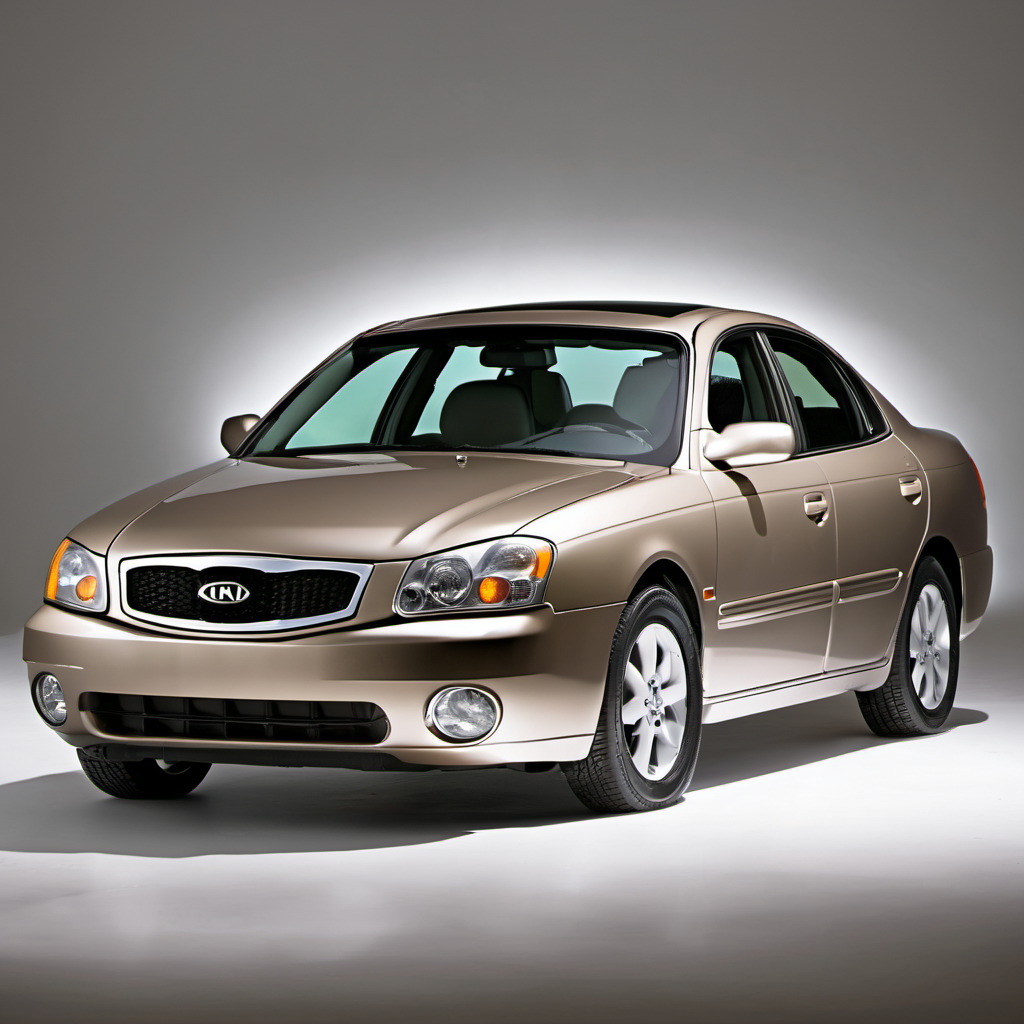
2005 Kia
Sedan
The 2005 Kia Optima is a first-generation (JD-series) front-wheel-drive midsize sedan that shared its platform and many mechanical components with the Hyundai Sonata. It was Kia's flagship family car at the time, offering reasonable comfort and feature content at a notably low price point. The 2.4L four-cylinder version is the more common engine choice, delivering adequate power for daily driving without a lot of mechanical complexity. By 2005 Kia's build quality had improved measurably over their late-1990s cars, but this generation still trails Japanese competitors in long-term durability. Rust, aging rubber components, and deferred maintenance are the biggest threats on a high-mileage example today. Parts availability is good and generally inexpensive. At 20 years old, any surviving 2005 Optima should be treated as a high-mileage used vehicle requiring a thorough inspection before purchase. Ownership costs are low when the car is healthy, but age-related repairs can add up quickly on a car whose market value is modest.
The 2005 Kia Optima is a first-generation (JD-series) front-wheel-drive midsize sedan that shared its platform and many mechanical components with the Hyundai Sonata. It was Kia's flagship family car at the time, offering reasonable comfort and feature content at a notably low price point. The 2.4L four-cylinder version is the more common engine choice, delivering adequate power for daily driving without a lot of mechanical complexity. By 2005 Kia's build quality had improved measurably over their late-1990s cars, but this generation still trails Japanese competitors in long-term durability. Rust, aging rubber components, and deferred maintenance are the biggest threats on a high-mileage example today. Parts availability is good and generally inexpensive. At 20 years old, any surviving 2005 Optima should be treated as a high-mileage used vehicle requiring a thorough inspection before purchase. Ownership costs are low when the car is healthy, but age-related repairs can add up quickly on a car whose market value is modest.
This is the most critical service on this engine. The 2.4L is an interference design — a snapped belt destroys the engine. Always replace the water pump, tensioner, and idler pulleys at the same time since they share the same labor access.
Conventional oil on a 20-year-old engine with aging seals. Shorter intervals help catch leaks early and keep sludge from building up in older hydraulic components.
Fresh fluid is the best insurance for the 4-speed automatic. Dark, burnt-smelling fluid on a high-mileage car is a warning sign of pending transmission trouble.
At 20 years old, original coolant is long overdue. Degrade coolant accelerates corrosion inside the engine. Inspect all hoses for cracking or softness at every service.
Rust is the primary killer of brake lines on Wisconsin cars of this age. Annual visual inspection of hard lines and flex hoses is not optional — a ruptured line means no brakes.
Worn plugs cause misfires, poor fuel economy, and can foul the catalytic converter. At 20 years old, verify plugs have been changed at least once.
Cold-cranking capacity drops sharply below 0°F. A battery that starts the car fine in October may fail in January. Clean any corrosion from terminals and test the battery's cold-cranking amps before the first hard freeze.
Annual undercarriage washing and rust-inhibitor application on exposed metal surfaces significantly extends the life of brake lines, the exhaust, and structural components on any salt-belt car.
Always defer to the manufacturer's service manual for warranty-mandated intervals.
The 2005 Optima is one of the cheapest cars to insure and fuel in its segment. Parts are inexpensive and widely available. The risk is that a 20-year-old car with deferred maintenance can produce repair bills that exceed the car's value in a single visit — particularly if the timing belt has never been done or rust has compromised the brake system. Budget for at least one significant repair per year and keep a repair-vs.-replace threshold in mind.
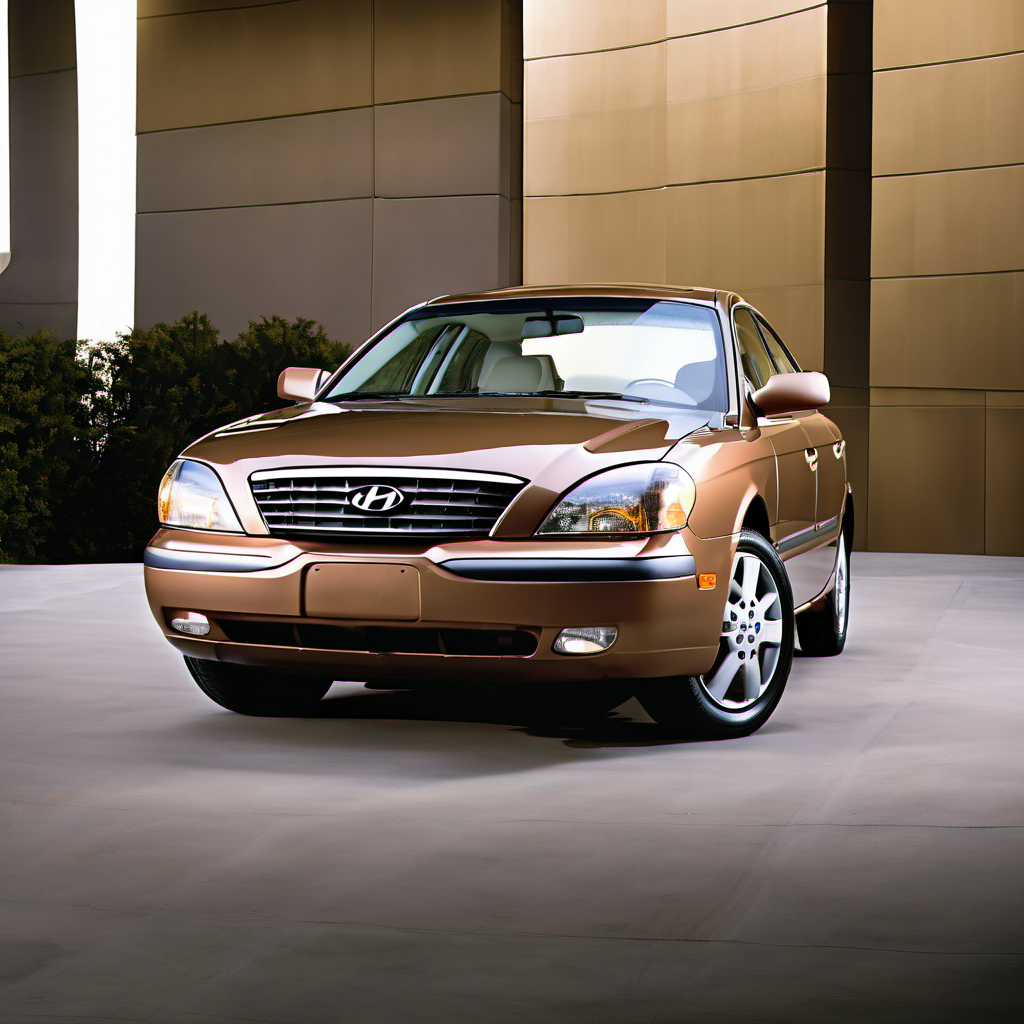
Shares the same platform, many of the same parts, and similar pricing. The Sonata has a slightly larger cabin and a stronger reliability reputation in this generation. Parts are often interchangeable.
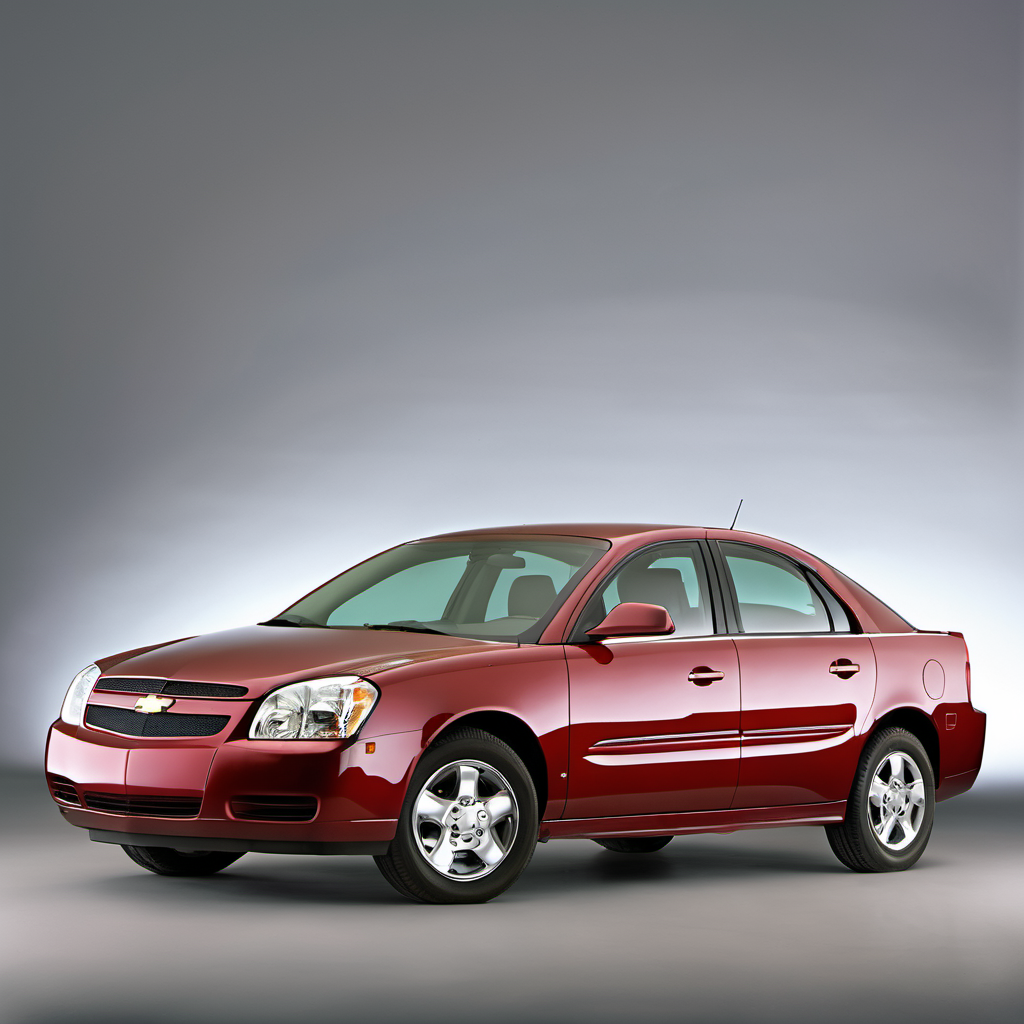
Similar price bracket and mission as a budget-friendly midsize sedan. The Malibu has better domestic parts availability in the Midwest but its own transmission and electrical issues in this era.
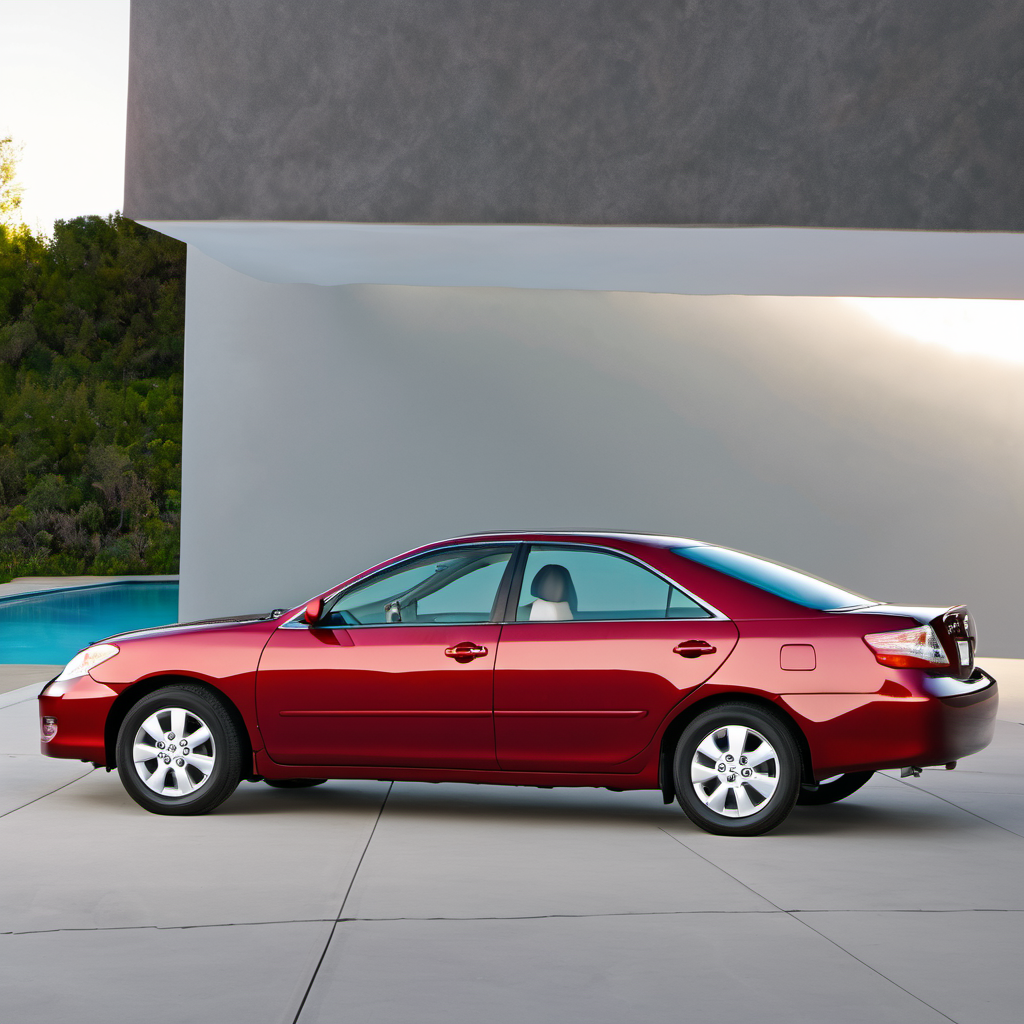
The reliability benchmark in this segment. A same-year Camry will cost more used but typically needs far less unplanned work. A direct comparison for a buyer deciding how much to spend.
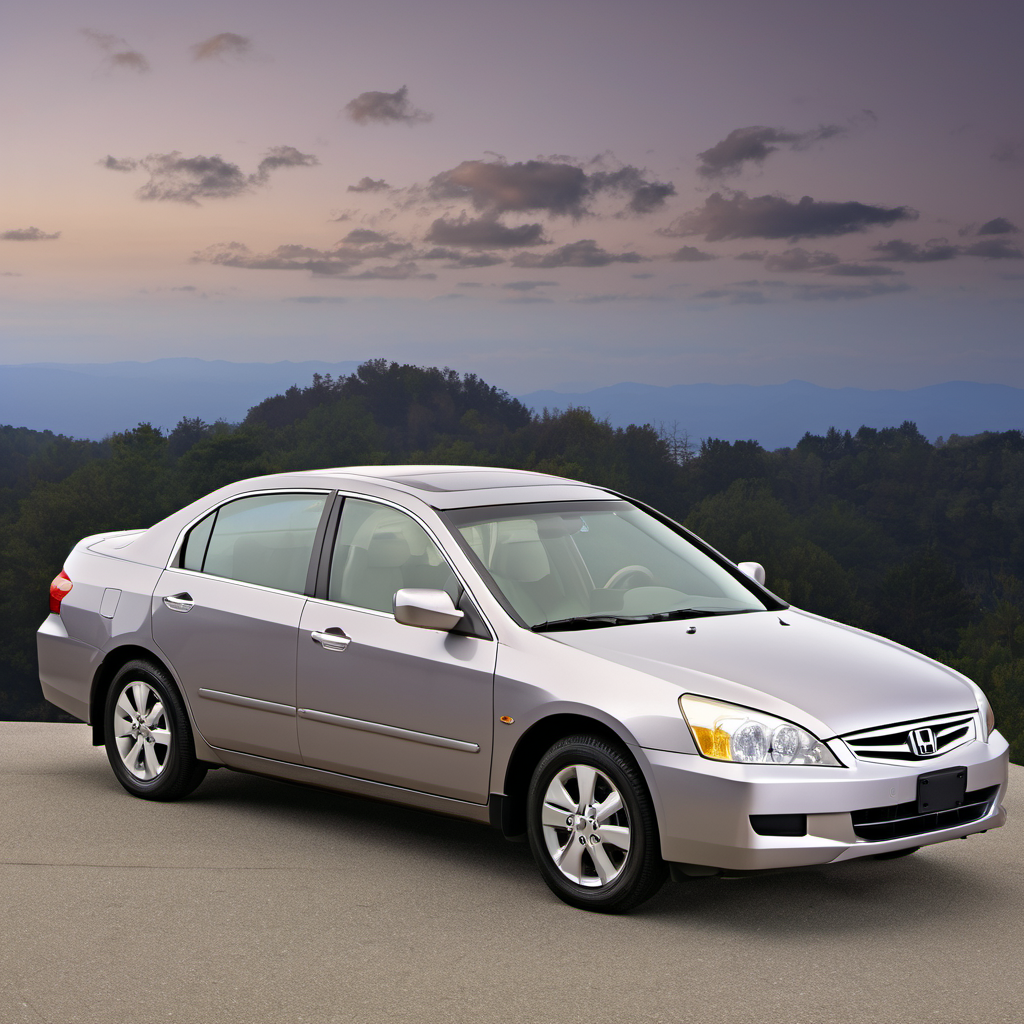
Another reliability leader in the midsize sedan class. The Accord commands a higher used price than the Optima but has a proven track record of 200k+ miles with basic maintenance, making the premium often worthwhile.