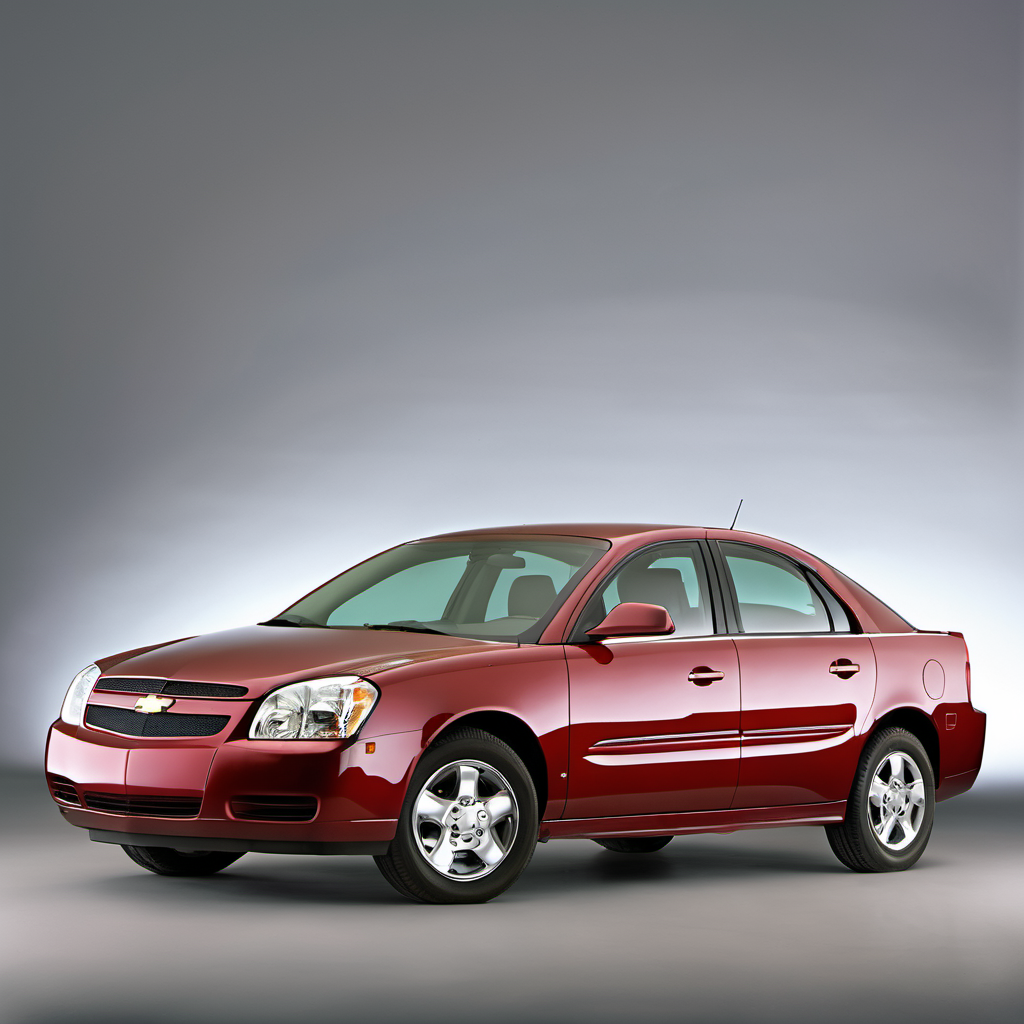
2005 Chevrolet Malibu Sedan

2005 Chevrolet

MalibuSedan

Sedan

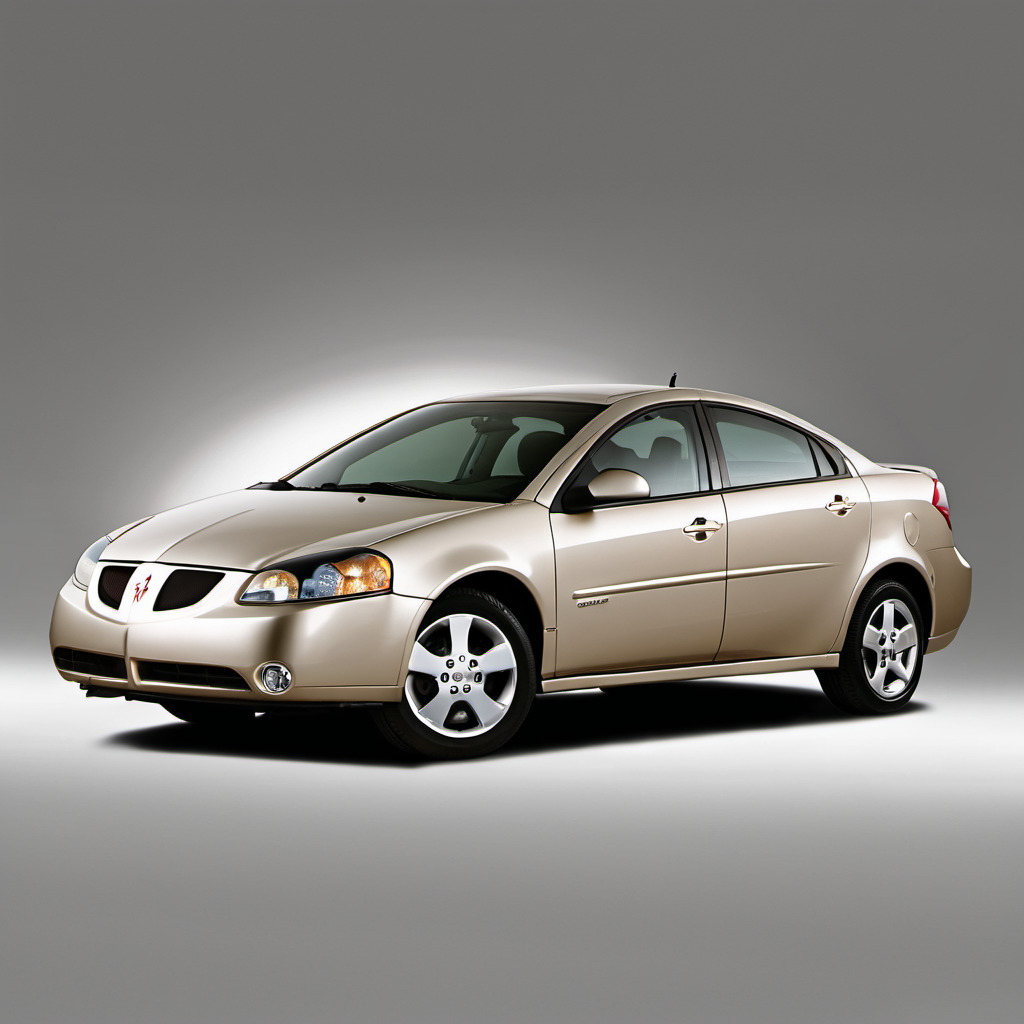
The 2005 Chevrolet Malibu is a front-wheel-drive mid-size sedan that represented GM's serious attempt to re-enter the competitive family car segment after years of lackluster entries. Riding on the Epsilon platform shared with the Pontiac G6 and Saturn Aura, the '04–'07 Malibu was a genuine step up in refinement, ride quality, and interior space from its predecessors. The base 2.2L Ecotec four-cylinder is a proven, low-drama engine that returns solid fuel economy for a car of this size. The optional 3.5L V6 adds punch but also adds complexity and cost. For buyers who just need reliable daily transportation, the four-cylinder is the smarter pick and the one more commonly found on surviving examples. At nearly 20 years old, these cars have aged into high-mileage territory. The ones still on the road tend to be well-kept survivors or budget daily drivers. Expect deferred maintenance to be the rule rather than the exception when shopping used.

Reliability
3/5
Verified data
Specs shown for Malibu — the most common configuration. Other trims may vary in engine, drivetrain, or fuel economy. Sign in to see your vehicle's exact specs.
Engine
[object Object]
Drivetrain
FWD
Fuel
Gasoline
MPG
21 city / 32 hwy / 25 combined
Seats
Doors
Body
Midsize Cars

Overview

AI-curated

The 2005 Chevrolet Malibu is a front-wheel-drive mid-size sedan that represented GM's serious attempt to re-enter the competitive family car segment after years of lackluster entries. Riding on the Epsilon platform shared with the Pontiac G6 and Saturn Aura, the '04–'07 Malibu was a genuine step up in refinement, ride quality, and interior space from its predecessors. The base 2.2L Ecotec four-cylinder is a proven, low-drama engine that returns solid fuel economy for a car of this size. The optional 3.5L V6 adds punch but also adds complexity and cost. For buyers who just need reliable daily transportation, the four-cylinder is the smarter pick and the one more commonly found on surviving examples. At nearly 20 years old, these cars have aged into high-mileage territory. The ones still on the road tend to be well-kept survivors or budget daily drivers. Expect deferred maintenance to be the rule rather than the exception when shopping used.

Known for
  • Comfortable, car-like ride quality for the class
  • Good highway fuel economy with the 2.2L Ecotec four-cylinder
  • Roomy interior with a large trunk for a mid-size sedan
  • Solid GM Epsilon platform shared with more expensive siblings
Best for
  • Budget-conscious daily commuters
  • Buyers needing a simple, no-frills family sedan
  • City and highway mixed-use driving
  • First-time car owners looking for affordable transportation
Watch for
  • Intake manifold gasket leaks (a recurring GM 2.2L/3.5L issue)
  • Strut and suspension wear at high mileage — common in salt-belt states
  • Rust on rocker panels, wheel wells, and subframe — critical concern in Wisconsin
  • Power steering pump noise and failure on higher-mileage examples
  • Neglected coolant service leading to cooling system issues

Common issues by mileage

6 known

Intake Manifold Gasket Leak

high
Typically appears
80–130k mi
Estimated repair
$250 – $550

Front Strut and Strut Mount Wear

high
Typically appears
70–120k mi
Estimated repair
$300 – $650

Power Steering Pump Failure / Noise

medium
Typically appears
90–150k mi
Estimated repair
$200 – $450

Oxygen Sensor / O2 Sensor Heater Circuit Fault

medium
Typically appears
80–140k mi
Estimated repair
$150 – $350

Rocker Panel and Subframe Rust (Salt-Belt Corrosion)

high
Typically appears
Any mileage on WI/IL/MN vehicles
Estimated repair
$200 – $2,000

Thermostat and Cooling System Failure

medium
Typically appears
90–150k mi
Estimated repair
$120 – $300

Maintenance schedule

  1. 1
    Every 5,000 miles or 6 months — do not rely solely on GM Oil Life Monitor on a vehicle this age Engine Oil and Filter Change

    The 2.2L Ecotec's longevity is almost entirely tied to clean oil. Aged seals and sensors can skew the Oil Life Monitor reading on high-mileage cars.

  2. 2
    Every 5 years or 50,000 miles Coolant Flush and Refill (DEX-COOL)

    GM's DEX-COOL turns acidic when mixed with air or low coolant levels, aggressively attacking intake manifold gaskets and the cooling system. Fresh coolant at the correct interval prevents the most expensive failure on this engine.

  3. 3
    Every 30,000–45,000 miles (independent shop interval for used vehicles) Transmission Fluid Change

    The 4T45-E automatic is reliable when serviced but fails prematurely on degraded fluid. If fluid history is unknown, change it immediately.

  4. 4
    Every 60,000 miles or at first sign of squealing Serpentine Belt and Tensioner Inspection

    Belt tensioner springs weaken with age. A snapped belt leaves you stranded and can cause additional accessory damage.

  5. 5
    Every 2–3 years Brake Fluid Flush

    Brake fluid absorbs moisture over time, lowering boiling point and accelerating internal corrosion in the ABS modulator — a costly repair on a budget vehicle.

  6. 6
    Every 2 years or 30,000 miles; immediately after purchase Front Strut and Suspension Inspection

    Wisconsin road salt and frost heaves are hard on front struts and strut mounts. Worn mounts cause clunking and handling instability. Catch them early — they're cheap to fix before they damage other components.

  7. 7
    Every 60,000 miles Spark Plugs (Iridium)

    The 2.2L Ecotec runs well on the factory iridium plug interval. Running past it causes misfires, poor MPG, and hard starts in cold weather.

  8. 8
    Every fall before salt season Undercarriage Rust Inspection and Treatment

    Wisconsin road salt is aggressive. Annual inspection of brake lines, fuel lines, subframe, and rocker panels catches corrosion before it becomes a safety or structural issue.

Always defer to the manufacturer's service manual for warranty-mandated intervals.

Cost of ownership

Annual maintenance
$600 – $1,400
Fuel
At 25 MPG combined and ~15,000 miles/year, expect roughly $1,800–$2,100/year at current mid-grade Wisconsin pump prices.
Insurance
Typically among the cheapest to insure in the mid-size sedan class due to low market value. Expect $800–$1,300/year for full coverage depending on driver profile.

The 2005 Malibu is a low-cost-to-own vehicle when it's healthy — parts are cheap, labor hours are straightforward, and the 2.2L engine doesn't ask for much. The wildcard is deferred maintenance and rust repair, which can turn a $3,000 car into a money pit quickly. Budget an extra $500–$1,000 in the first year of ownership to address whatever the previous owner skipped.
Seasonal care

Lake Geneva, WI
Winter
  • Test the battery before November — cold cranking amps drop dramatically below 20°F and a 4–5 year old battery should be replaced proactively.
  • Switch to a 5W-30 or manufacturer-approved winter-weight oil if using conventional; the 2.2L Ecotec is sensitive to oil pressure at cold start.
  • Top off washer fluid with a -25°F or lower rated fluid — standard fluid freezes in the reservoir and on the windshield at Wisconsin temperatures.
  • Inspect wiper blades and consider winter-style blades to prevent ice buildup in the blade frame.
  • Rinse the undercarriage at a touchless car wash every 1–2 weeks during heavy salting periods — brake lines and fuel lines on these cars are vulnerable.
  • Check tire pressure weekly in sub-zero temps — pressure drops roughly 1 PSI per 10°F and underinflated tires lose traction on ice.
Summer
  • Inspect the A/C system before summer heat arrives — the 2005 Malibu's cabin can heat-soak quickly and an undercharged system won't keep up above 85°F.
  • Check coolant level and condition — a failing thermostat or low coolant leads to overheating in stop-and-go summer traffic.
  • Adjust tire pressure to the door placard spec after winter — tires can read 2–4 PSI high on a hot summer day if over-inflated.
  • Inspect the serpentine belt for cracking — heat accelerates belt degradation, and a failure in summer traffic is a tow-truck call.

Comparable vehicles

If you're shopping for one

Red flags
  • Any rust penetrating the rocker panels or subframe — repair cost can exceed the car's value.
  • Milky or brown oil on the dipstick — coolant intrusion from a failed intake or head gasket.
  • Transmission slipping, hard shifts, or hesitation between gears.
  • Check Engine light that returns within one drive cycle after being cleared.
  • Evidence of flood damage: musty smell, waterline staining under seats or in the trunk.
  • Missing or incomplete service records — on a 20-year-old budget car, unknown history is a significant risk.
What to inspect
  • Rocker panels, rear wheel arches, and subframe mounting points for rust — poke with a screwdriver, not just a visual check.
  • Brake lines and fuel lines for corrosion bubbling or pinholes, especially near the rear axle.
  • Coolant color and smell — brown or oily coolant indicates a blown intake manifold gasket or head gasket.
  • Front struts for oil weeping and strut mounts for clunking on bumps.
  • Transmission shift quality — the 4T45-E should shift smoothly and promptly; harsh or delayed shifts signal worn fluid or internal wear.
  • Power steering fluid level and pump noise at cold start (whining or groaning).
  • All dashboard warning lights — clear all codes and verify none return after a short drive.
AI profile generated 1 hr ago · claude-sonnet-4-6 · v2.