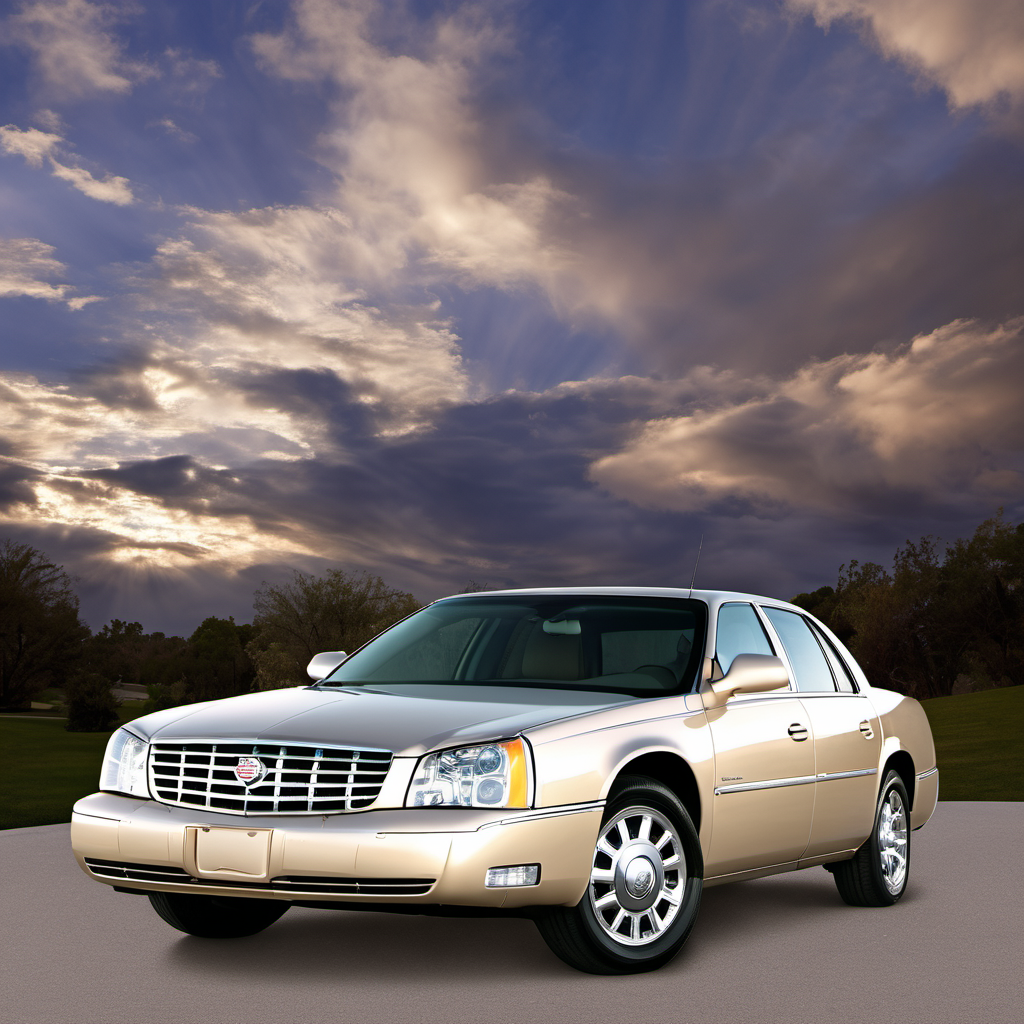
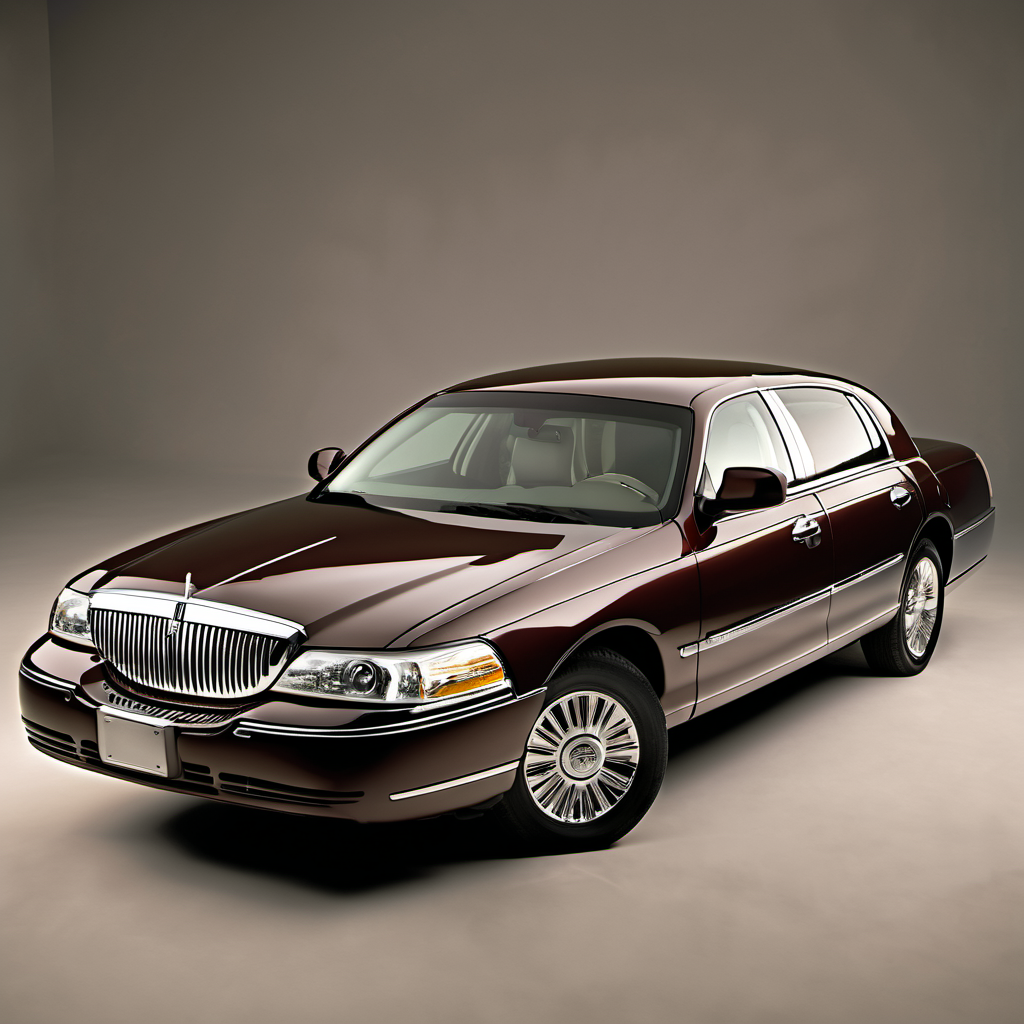
2005 Cadillac DeVille Sedan

2005 Cadillac

DeVilleSedan

Sedan

The 2005 Cadillac DeVille is the final model year of a nameplate that ran for decades as GM's flagship front-wheel-drive luxury sedan. Riding on the K-body platform, it pairs a smooth 4.6L Northstar V8 with a well-isolated cabin loaded with comfort features — heated and cooled seats, magnetic ride control on higher trims, and a long list of standard amenities that were genuinely impressive for the era. At 20 years old, well-maintained examples can still deliver a pillowy, quiet ride that few sedans of any price matched. The DeVille's reputation is complicated almost entirely by one thing: the Northstar V8's known head gasket weakness. When properly maintained with coolant system flushes and thermostat replacements on schedule, many engines survive 150k+ miles without issue. When neglected — or overheated even once — the repair bill can exceed the car's market value. This is the single biggest factor any buyer or owner must understand. For a budget luxury experience, a solid DeVille is hard to beat on ride comfort, feature content, and presence. For low-hassle daily transportation, the risk profile demands a thorough pre-purchase inspection and committed maintenance.

Reliability
2/5
Verified data
Specs shown for DeVille — the most common configuration. Other trims may vary in engine, drivetrain, or fuel economy. Sign in to see your vehicle's exact specs.
Engine
[object Object]
Drivetrain
FWD
Fuel
Gasoline
MPG
15 city / 22 hwy / 18 combined
Seats
Doors
Body
Large Cars

Overview

AI-curated

The 2005 Cadillac DeVille is the final model year of a nameplate that ran for decades as GM's flagship front-wheel-drive luxury sedan. Riding on the K-body platform, it pairs a smooth 4.6L Northstar V8 with a well-isolated cabin loaded with comfort features — heated and cooled seats, magnetic ride control on higher trims, and a long list of standard amenities that were genuinely impressive for the era. At 20 years old, well-maintained examples can still deliver a pillowy, quiet ride that few sedans of any price matched. The DeVille's reputation is complicated almost entirely by one thing: the Northstar V8's known head gasket weakness. When properly maintained with coolant system flushes and thermostat replacements on schedule, many engines survive 150k+ miles without issue. When neglected — or overheated even once — the repair bill can exceed the car's market value. This is the single biggest factor any buyer or owner must understand. For a budget luxury experience, a solid DeVille is hard to beat on ride comfort, feature content, and presence. For low-hassle daily transportation, the risk profile demands a thorough pre-purchase inspection and committed maintenance.

Known for
  • Exceptionally smooth, quiet highway ride
  • Feature-rich cabin well ahead of its time
  • Powerful and refined Northstar 4.6L V8
  • Strong FWD traction in light snow conditions
  • Prestige nameplate with strong curb appeal
Best for
  • Retired or low-mileage drivers wanting comfort on a budget
  • Highway cruisers prioritizing ride quality over economy
  • Enthusiasts who understand Northstar maintenance requirements
  • Buyers who want luxury features without luxury pricing
Watch for
  • Northstar head gasket failure — the defining risk of this vehicle
  • Coolant loss that goes unnoticed until overheating occurs
  • High repair costs relative to market value on a 20-year-old car
  • Complex electronic systems (HVAC, suspension) that are expensive to diagnose
  • Oil consumption that can mask a deeper engine issue

Common issues by mileage

6 known

Northstar V8 Head Gasket Failure

high
Typically appears
80–150k mi
Estimated repair
$1,800 – $4,500

Coolant Loss / Thermostat Housing Leak

high
Typically appears
60–120k mi
Estimated repair
$200 – $600

Intake Manifold / Throttle Body Issues (rough idle, stalling)

medium
Typically appears
70–130k mi
Estimated repair
$150 – $500

Electronic Suspension / MagnaRide Actuator Faults

medium
Typically appears
80–150k mi
Estimated repair
$400 – $1,200

Oxygen Sensor / HO2S Heater Circuit Failure

medium
Typically appears
80–120k mi
Estimated repair
$150 – $400

CAN Bus / Module Communication Faults (HVAC, BCM, TCM dropout)

medium
Typically appears
100k+ mi
Estimated repair
$200 – $900

Maintenance schedule

  1. 1
    Every 3 years or 50k miles, whichever comes first Engine coolant flush and refill with DEX-COOL

    Degraded coolant accelerates corrosion in the Northstar's aluminum block and heads — the #1 precursor to head gasket failure. Do not skip or stretch this interval on this engine.

  2. 2
    At every coolant flush Thermostat and coolant outlet housing inspection

    The plastic coolant outlet housing is a known leak point. Catching it early prevents the overheating event that destroys Northstar head gaskets.

  3. 3
    Every 5,000 miles Oil change with 5W-30 full synthetic

    The Northstar can consume some oil between changes. Using a quality 5W-30 and checking the level monthly protects against low-oil damage. Drain plug torque: 18 ft-lb.

  4. 4
    Monthly, between oil changes Oil level check

    Northstar engines are known for moderate oil consumption. Running low even briefly under hard acceleration stresses the engine.

  5. 5
    Every 50k miles Transmission fluid change

    The 4T80-E automatic is generally reliable but fluid breakdown accelerates wear in the valve body at high mileage.

  6. 6
    Every 60k miles Spark plug replacement

    The Northstar runs hot and worn plugs increase combustion stress. Access is labor-intensive on this transverse V8 — budget accordingly.

  7. 7
    Every 2 years Brake fluid flush

    Moisture absorption in brake fluid lowers its boiling point and contributes to corrosion in the ABS module — a costly repair on this platform.

  8. 8
    Every 60k miles or if rough idle develops Fuel injector cleaning

    The Northstar's injectors are prone to carbon buildup at higher mileage, which causes rough idle and reduced fuel economy.

Always defer to the manufacturer's service manual for warranty-mandated intervals.

Cost of ownership

Annual maintenance
$800 – $2,200
Fuel
At 18 MPG combined and typical Wisconsin driving, expect $1,800–$2,400/year at current gas prices. Premium fuel is not required but recommended by GM for best performance.
Insurance
Typically $900–$1,400/year for a 20-year-old luxury sedan in the Lake Geneva area. Value is low enough to consider dropping comprehensive on high-mileage examples.

Day-to-day costs are moderate, but the DeVille carries a lumpy risk curve — routine years are cheap, but a single Northstar head gasket job or electronic suspension repair can cost more than the car's private-party value. Treat it as a car that requires a repair reserve. Buyers should budget $1,500–$2,000 as a contingency fund from day one.
Seasonal care

Lake Geneva, WI
Winter
  • Verify battery health before November — the Northstar's cold-start load on a marginal battery is high, and sub-zero temps in Lake Geneva will expose any weakness.
  • Switch to a full synthetic 5W-30 if not already running it; synthetic flows faster at cold startup and reduces wear during those critical first seconds.
  • Check coolant freeze protection to at least -34°F — use a refractometer, not a guess. The Northstar's aluminum engine is intolerant of freeze damage.
  • Use winter-grade washer fluid rated for -20°F or lower. The DeVille's large windshield surface collects road salt spray aggressively at highway speeds.
  • Inspect wiper blades and replace with winter-rated blades before first snowfall. The rear defroster and heated mirrors should be verified operational.
  • After each winter drive, rinse the undercarriage when temps allow — Wisconsin road salt attacks the suspension subframe, brake lines, and fuel lines on any 20-year-old vehicle.
Summer
  • Monitor coolant temperature gauge closely in stop-and-go heat. If the Northstar runs warm, pull over immediately — one overheating event can mean head gasket failure.
  • Check tire pressure monthly; Lake Geneva summer heat causes pressure to rise 4–6 PSI. Overinflated tires on this heavy sedan reduce traction and accelerate center wear.
  • Test the A/C system in May before it's needed. The DeVille's dual-zone climate system is complex; an early check catches refrigerant loss and blower issues cheaply.
  • Inspect the cabin air filter — pollen and road debris from spring affect A/C efficiency and air quality inside the large cabin.

Comparable vehicles

If you're shopping for one

Red flags
  • No coolant service records or records showing coolant not changed for 5+ years
  • Any history of overheating, even 'just once'
  • Milky or sludgy oil on the dipstick
  • Bubbles or oil sheen in the coolant reservoir
  • White smoke from the exhaust under load
  • Persistent CEL with oxygen sensor or cam timing codes — can indicate deeper engine wear
  • Rust through on brake or fuel lines — repair cost can rival the car's value
What to inspect
  • Pull the coolant reservoir cap (cold only) and look for oil film, brown sludge, or bubbles — any of these point to head gasket failure.
  • Check the oil dipstick for coolant contamination (milky or caramel-colored oil).
  • Watch the temperature gauge during a 20-minute test drive including idle time — a healthy Northstar should hold steady mid-gauge.
  • Request all service records and look specifically for coolant flush history and any overheating incidents.
  • Check for white exhaust smoke at startup and under load — a Northstar tell.
  • Test all electronic systems: HVAC dual-zone, heated/cooled seats, suspension mode controls, and navigation. Replacement modules are expensive.
  • Inspect brake lines and fuel lines under the car for rust perforation — this is a 20-year-old Wisconsin-area vehicle.
AI profile generated 57 min ago · claude-sonnet-4-6 · v2.