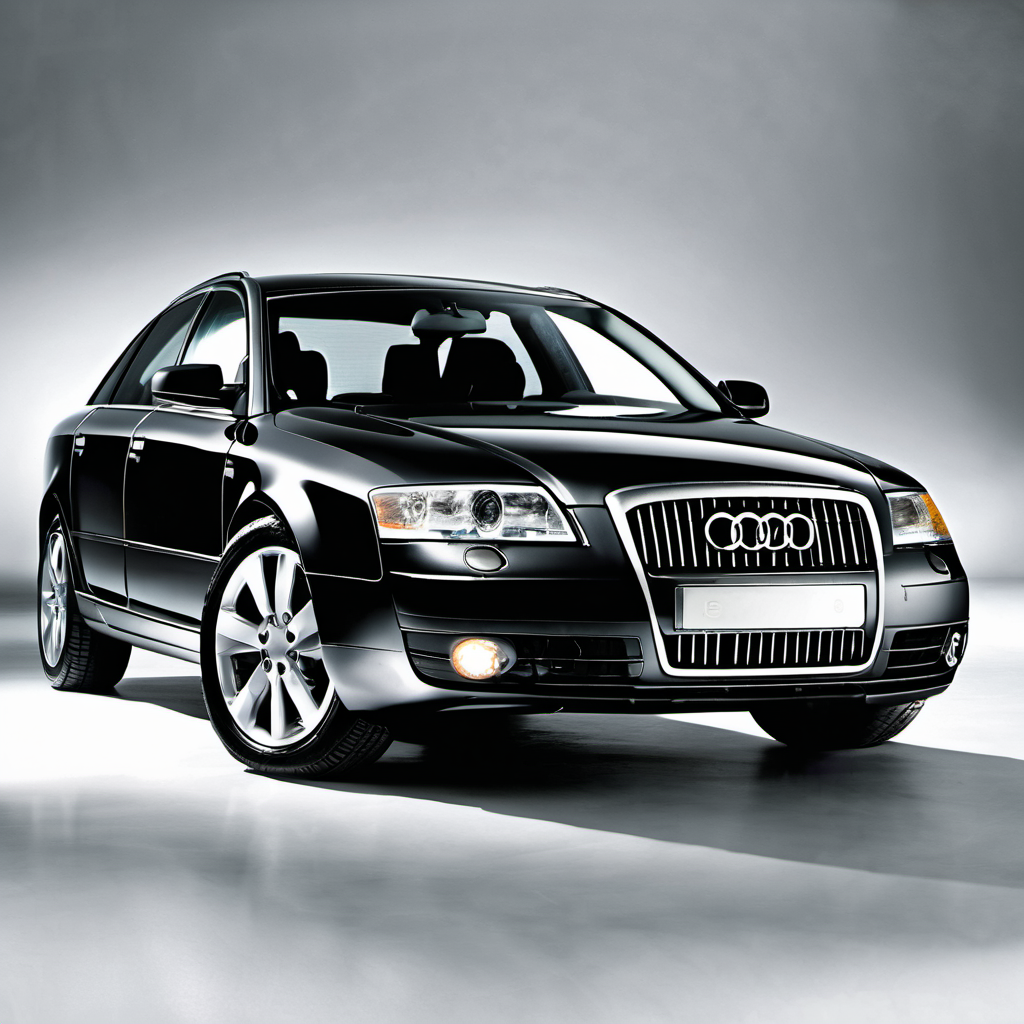
2005 Audi A6 Sedan

2005 Audi

A6Sedan

Sedan

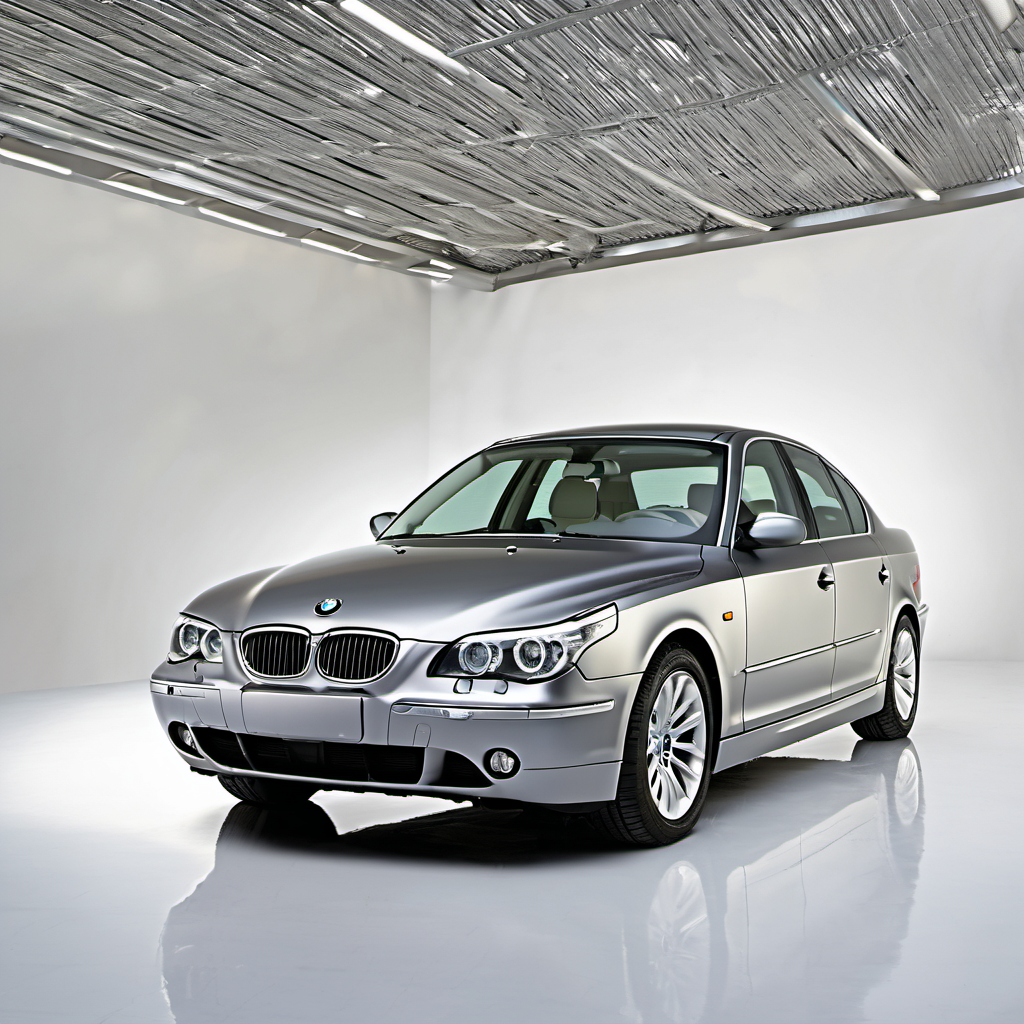
The 2005 Audi A6 is a full-size German luxury sedan built on Audi's C6 platform, its first year of that generation. It sits in a competitive segment against the BMW 5 Series and Mercedes-Benz E-Class, offering a compelling blend of refined interior quality, composed handling, and all-weather capability through Audi's Quattro AWD system. The 3.2L V6 (badged as 3.1L in EPA displacement) makes it a sweet spot in the lineup — enough power for relaxed highway cruising without the fuel and maintenance premium of the 4.2L V8. As a first model year of a new generation, the C6 A6 had some growing pains that were sorted in subsequent years. Buyers who keep up with maintenance — particularly oil changes and cooling system service — tend to get strong longevity out of these cars. Those who defer maintenance or buy one without a service history often find themselves facing compounding, expensive repairs. This is a vehicle that rewards an informed, hands-on owner. Parts and independent-shop labor are far more accessible than the dealer experience suggests, but this A6 should never be considered a set-it-and-forget-it vehicle. Budget for it accordingly.

Reliability
2/5
Verified data
Specs shown for A6 quattro — the most common configuration. Other trims may vary in engine, drivetrain, or fuel economy. Sign in to see your vehicle's exact specs.
Engine
[object Object]
Drivetrain
AWD
Fuel
Premium gasoline
MPG
17 city / 24 hwy / 19 combined
Seats
Doors
Body
Midsize Cars

Overview

AI-curated

The 2005 Audi A6 is a full-size German luxury sedan built on Audi's C6 platform, its first year of that generation. It sits in a competitive segment against the BMW 5 Series and Mercedes-Benz E-Class, offering a compelling blend of refined interior quality, composed handling, and all-weather capability through Audi's Quattro AWD system. The 3.2L V6 (badged as 3.1L in EPA displacement) makes it a sweet spot in the lineup — enough power for relaxed highway cruising without the fuel and maintenance premium of the 4.2L V8. As a first model year of a new generation, the C6 A6 had some growing pains that were sorted in subsequent years. Buyers who keep up with maintenance — particularly oil changes and cooling system service — tend to get strong longevity out of these cars. Those who defer maintenance or buy one without a service history often find themselves facing compounding, expensive repairs. This is a vehicle that rewards an informed, hands-on owner. Parts and independent-shop labor are far more accessible than the dealer experience suggests, but this A6 should never be considered a set-it-and-forget-it vehicle. Budget for it accordingly.

Known for
  • Quattro AWD traction in snow and rain
  • Refined, upscale cabin with quality materials
  • Smooth, well-tuned 3.2L V6 powertrain
  • Composed highway ride and handling balance
  • Complex electronics and active suspension systems
Best for
  • Wisconsin winter commuters who want AWD luxury
  • Highway mile accumulators who value refinement
  • Owners with access to a trusted European-spec independent shop
  • Buyers who can verify a complete maintenance history
Watch for
  • Deferred oil changes destroying timing chain and cam phasers
  • Costly cooling system failures (water pump, thermostat housing)
  • Expensive suspension component wear — especially on cars from northern salt states
  • First model year (2005) had more electronics teething issues than 2006–2008
  • High dealer service costs pushing owners into deferred maintenance cycles

Common issues by mileage

6 known

Timing Chain Tensioner Wear / Stretch

medium
Typically appears
80–150k mi
Estimated repair
$1,200 – $3,000

Cooling System Failure (Water Pump, Thermostat Housing, Coolant Hoses)

high
Typically appears
60–100k mi
Estimated repair
$600 – $1,800

Secondary Air Injection (Smog Pump) Failure

medium
Typically appears
60–120k mi
Estimated repair
$400 – $1,200

Front Suspension Wear (Control Arm Bushings, Ball Joints)

high
Typically appears
60–100k mi
Estimated repair
$700 – $1,800

Maintenance schedule

  1. 1
    Every 5,000 miles or 6 months — do not follow Audi's longlife OLM intervals on a used vehicle Engine oil and filter change

    The 3.2L V6 cam phasers are oil-pressure dependent. Dirty or low oil is the leading cause of phaser and timing chain failure. On a used A6 with unknown history, shorter intervals are cheap insurance.

  2. 2
    Every 3 years or 45k miles Coolant flush and system inspection

    The plastic thermostat housing and water pump impeller are known failure points. Fresh coolant prevents internal corrosion; inspection catches cracks before a roadside failure.

  3. 3
    Every 40,000 miles Spark plug replacement

    Worn plugs cause misfires that stress the catalytic converters — expensive on European vehicles. Access is straightforward on the 3.2L V6.

  4. 4
    Every 40–50k miles Transmission fluid change (ZF 6HP automatic)

    Audi markets this as a 'sealed for life' unit, but independent shops and owners consistently see smoother shifts and longer trans life with fresh fluid on a schedule.

  5. 5
    Every 2 years regardless of mileage Brake fluid flush

    Audi's ABS/ESP systems are sensitive to moisture-contaminated fluid. Wet fluid lowers boiling point and can cause soft pedal in hard stops — especially important heading into Wisconsin winter.

  6. 6
    Every 40–50k miles Differential and Quattro rear differential fluid

    The Torsen center differential and rear differential need fresh fluid to protect against premature wear, especially with AWD system stress during winter driving.

  7. 7
    Every 20,000 miles or annually Cabin and engine air filter replacement

    Wisconsin road dust and salt debris clog filters faster than mild climates. A restricted cabin filter affects HVAC defrost performance in winter.

  8. 8
    Annually, before winter Inspect and lubricate door hinges, sunroof drains, and weatherstripping

    Clogged sunroof drains cause interior water damage. Salt-corroded door hinges and seizing weatherstripping are common on Midwestern examples.

Always defer to the manufacturer's service manual for warranty-mandated intervals.

Cost of ownership

Annual maintenance
$1,200 – $3,500
Fuel
Requires premium fuel (91+ octane). At 19 MPG combined and ~15,000 miles/year, expect roughly $2,200–$2,800/year at current Wisconsin fuel prices.
Insurance
Expect mid-to-upper range for a luxury sedan of this age — typically $1,000–$1,600/year depending on driving record and coverage level.

The 2005 A6 has a low purchase price relative to its original $43k MSRP, but running costs are firmly in luxury-car territory. Routine maintenance at an independent European shop runs $1,200–$2,000/year in a healthy year. Factor in the likelihood of suspension work, cooling system service, or cam phaser repair within the next 30–50k miles. A realistic 5-year ownership budget should include a $3,000–$5,000 reserve for non-routine repairs.
Seasonal care

Lake Geneva, WI
Winter
  • Install a dedicated set of winter tires — all-season tires are meaningfully inferior to winter rubber even with Quattro AWD, especially below 20°F.
  • Switch to a lighter-viscosity oil if using conventional — the 5W-30 spec is appropriate, but verify oil is fresh before temperatures drop below zero.
  • Test the battery before November. Cold-start amperage draw on the 3.2L V6 with Quattro transfer case is significant; a marginal battery will fail at the worst time.
  • Fill washer fluid reservoir with a rated -20°F or colder winter blend. Standard fluid freezes on the windshield at Wisconsin temperatures.
  • Rinse the underbody and wheel wells regularly — at minimum every 2 weeks during active salt season. Quattro components, subframe bolts, and brake lines are all corrosion-vulnerable.
  • Check that sunroof drains are clear before winter. Frozen or clogged drains back water into the cabin, damaging electronics and carpeting.
Summer
  • Inspect the cooling system (hoses, reservoir cap, coolant level) before hot weather — heat soak accelerates failure of aging plastic cooling components on the 3.2L.
  • Check tire pressure monthly. Summer heat increases pressure by 4–6 PSI; overinflated tires reduce wet-road grip and cause uneven wear.
  • Cabin air filter check in spring — post-salt-season dust and debris accumulate quickly and restrict A/C airflow.
  • Test A/C system performance early in the season. The A6's automatic climate control can mask gradual refrigerant loss; weak cooling in July is avoidable with a spring check.
  • Inspect brake rotors for rust and scoring after winter — surface rust is cosmetic, but deep scoring from salt-accelerated pad wear should be addressed before summer driving.

Comparable vehicles

If you're shopping for one

Red flags
  • No oil change records or evidence of extended OLM intervals (Audi's factory OLM can stretch to 10k+ miles — too long for a used engine with unknown wear history).
  • Cold-start timing chain rattle that clears after warm-up — chain tensioner is worn and engine damage may have already begun.
  • Any signs of overheating history: stained overflow tank, milky oil cap residue, or warped coolant reservoir.
  • Rust on subframe mounting points, control arm brackets, or brake lines — structural corrosion is a safety issue and repair costs can exceed car value.
  • Check engine light present or recently cleared — scan for stored codes before purchase, particularly any cam timing or VVT codes.
  • Mismatched or heavily worn tires suggesting deferred maintenance culture across the whole car.
What to inspect
  • Pull a full service history — oil change records are non-negotiable. Any gap longer than 7,500 miles or 9 months is a red flag for cam phaser damage.
  • Warm the engine fully, then check for a rattling noise on cold start (timing chain / tensioner) or rough idle (cam phasers). Both are expensive.
  • Inspect all coolant hoses, the thermostat housing, and reservoir for cracks, staining, or dried coolant residue indicating past or current leaks.
  • Test every electrical feature: windows, sunroof, MMI navigation, heated seats, climate zones, and adaptive lighting if equipped. Repairs are labor-intensive.
  • Put it on a lift and inspect the subframe, control arms, and all underbody components for rust — especially important on Wisconsin or any northern-state car.
  • Check for any oil leaks around the valve covers and rear main seal — common on higher-mileage 3.2L engines.
AI profile generated 8 days ago · claude-sonnet-4-6 · v2.