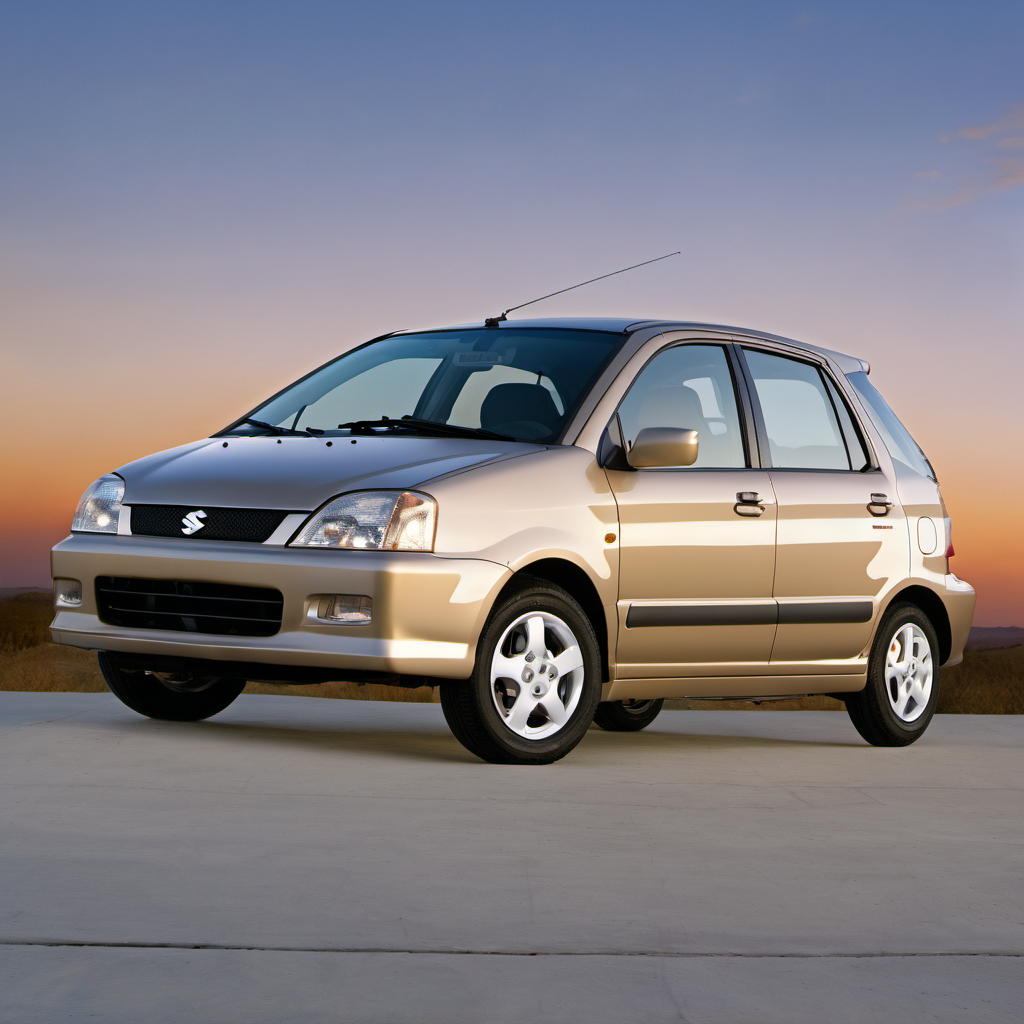
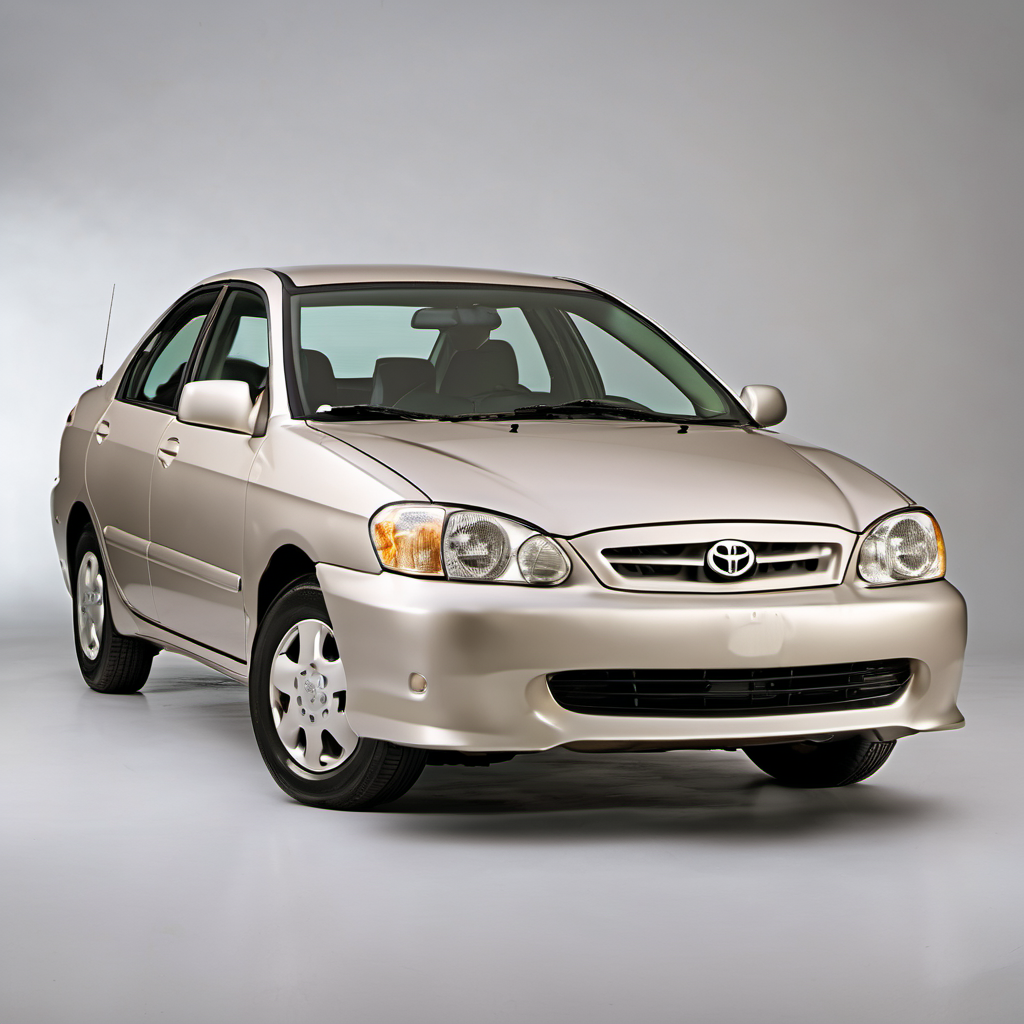
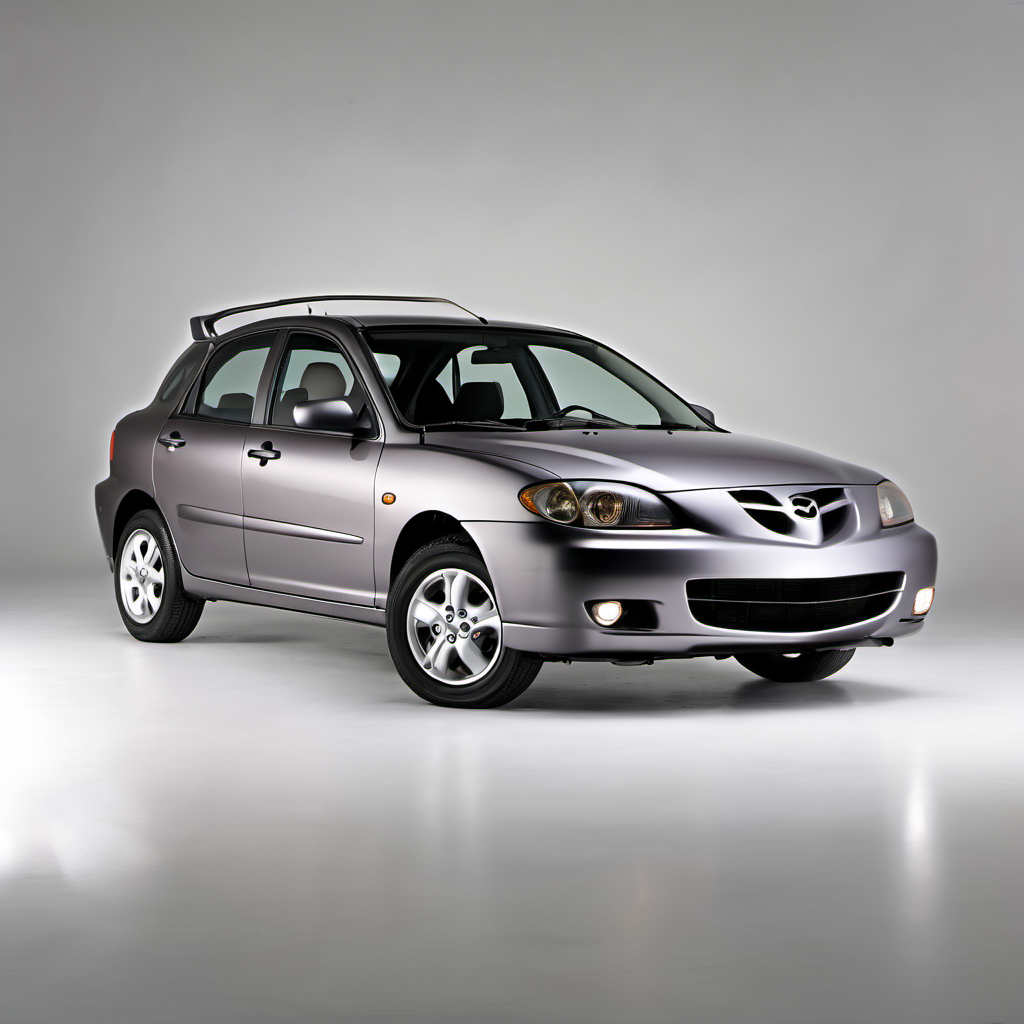
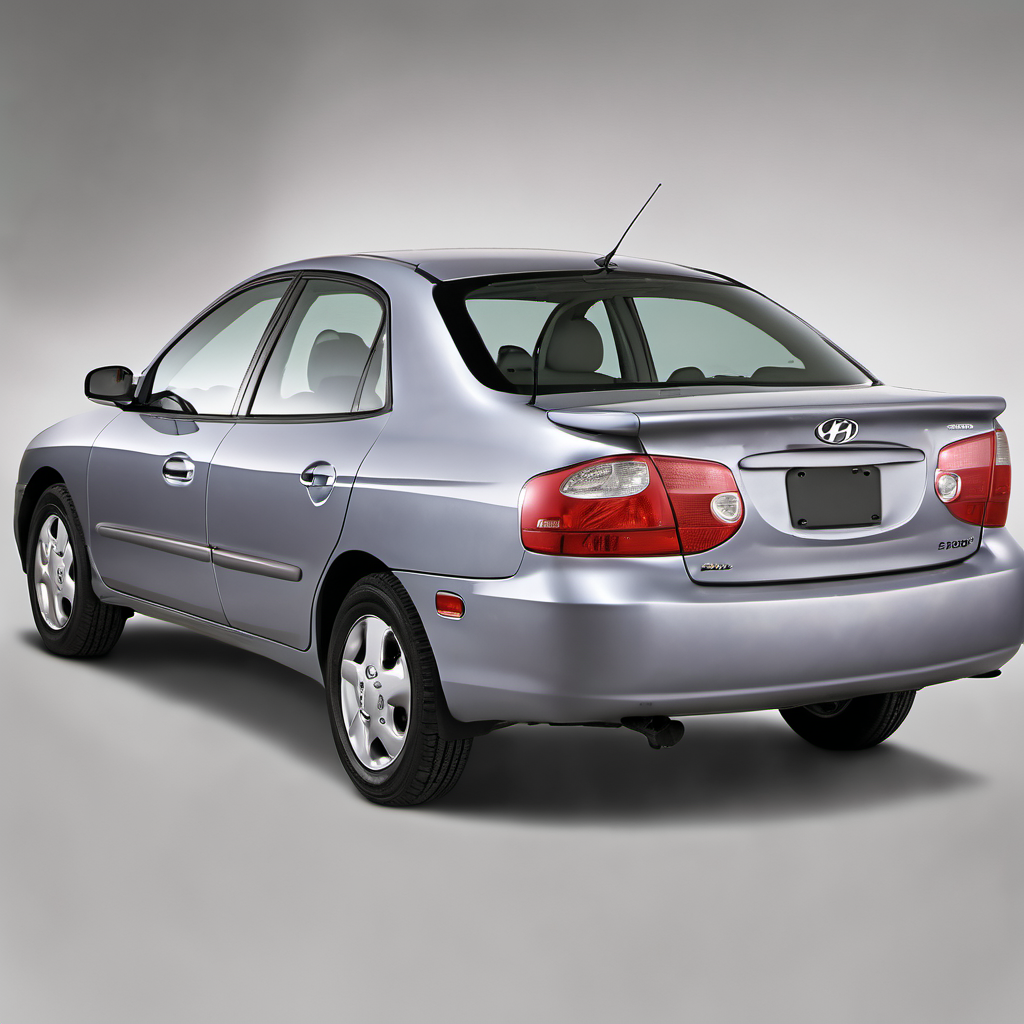
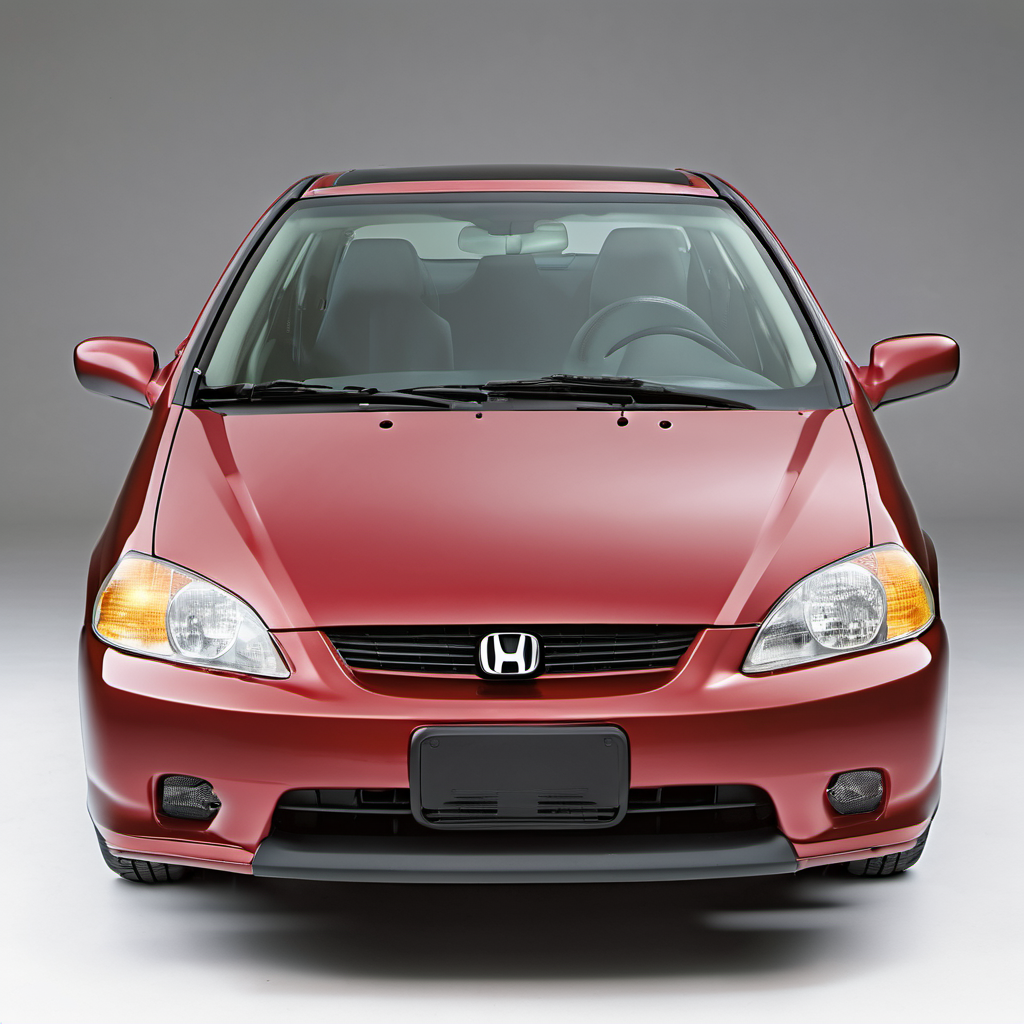
2004 Suzuki Aerio Sedan

2004 Suzuki

AerioSedan

Sedan

The 2004 Suzuki Aerio Sedan is a compact, budget-friendly car that slotted into a niche between a subcompact and a small sedan. Suzuki positioned it as a practical daily driver with a taller roofline than most competitors, giving it surprising headroom and cargo flexibility for its footprint. It was one of the few sub-$20k sedans of the era available with an optional all-wheel-drive system (though this trim is FWD), making it appealing in snowy regions. Powered by a 2.3L four-cylinder—larger displacement than many rivals at the time—the Aerio delivers adequate power for city and highway use. Fuel economy is reasonable but not exceptional by modern standards. The ride quality is soft and comfortable, though handling is unexceptional. By 2024, surviving Aerios are 20+ years old. Parts availability is shrinking as Suzuki exited the U.S. market in 2012, and finding knowledgeable technicians is increasingly challenging. Expect to hunt for components. That said, owners who have maintained them tend to rack up solid mileage, and the simple mechanical layout keeps repair costs manageable when parts can be sourced.

Reliability
3/5
Verified data
Specs shown for Aerio — the most common configuration. Other trims may vary in engine, drivetrain, or fuel economy. Sign in to see your vehicle's exact specs.
Engine
[object Object]
Drivetrain
FWD
Fuel
Gasoline
MPG
22 city / 28 hwy / 24 combined
Seats
Doors
Body
Compact Cars

Overview

AI-curated

The 2004 Suzuki Aerio Sedan is a compact, budget-friendly car that slotted into a niche between a subcompact and a small sedan. Suzuki positioned it as a practical daily driver with a taller roofline than most competitors, giving it surprising headroom and cargo flexibility for its footprint. It was one of the few sub-$20k sedans of the era available with an optional all-wheel-drive system (though this trim is FWD), making it appealing in snowy regions. Powered by a 2.3L four-cylinder—larger displacement than many rivals at the time—the Aerio delivers adequate power for city and highway use. Fuel economy is reasonable but not exceptional by modern standards. The ride quality is soft and comfortable, though handling is unexceptional. By 2024, surviving Aerios are 20+ years old. Parts availability is shrinking as Suzuki exited the U.S. market in 2012, and finding knowledgeable technicians is increasingly challenging. Expect to hunt for components. That said, owners who have maintained them tend to rack up solid mileage, and the simple mechanical layout keeps repair costs manageable when parts can be sourced.

Known for
  • Taller-than-average roofline for a compact sedan
  • Available AWD option (on other trims) made it popular in snow-prone areas
  • Larger 2.3L engine displacement than typical competitors
  • Budget acquisition price, historically low-cost to insure
Best for
  • Budget-conscious daily drivers who just need reliable A-to-B transportation
  • City commuters who value headroom and easy entry/exit
  • Owners comfortable sourcing parts independently
  • Low-mileage used car buyers looking for a simple, inexpensive vehicle
Watch for
  • Suzuki U.S. parts supply is increasingly limited — some components require salvage yards or overseas sourcing
  • Rust is a major concern on any 20-year-old Aerio, especially in salt-belt states like Wisconsin
  • Timing chain stretch on higher-mileage examples
  • Finding a mechanic familiar with Suzuki-specific quirks is harder than with mainstream brands

Common issues by mileage

6 known

Timing chain stretch / tensioner wear

medium
Typically appears
100k–160k mi
Estimated repair
$600 – $1,200

Oxygen sensor failure (upstream heater circuit)

medium
Typically appears
80k–140k mi
Estimated repair
$150 – $350

Underbody and rocker panel rust

high
Typically appears
Any mileage on salt-exposed vehicles
Estimated repair
$500 – $3,000

Suspension bushings and ball joint wear

high
Typically appears
90k–150k mi
Estimated repair
$300 – $900

Automatic transmission slipping or delayed engagement

medium
Typically appears
120k–180k mi
Estimated repair
$1,200 – $3,000

Power window regulator failure

medium
Typically appears
80k–150k mi
Estimated repair
$150 – $400

Maintenance schedule

  1. 1
    Every 5,000 miles or 6 months Engine oil and filter change

    The 2.3L I4 is sensitive to oil cleanliness for timing chain lubrication. Stretch intervals invite chain wear. Use the viscosity specified on the oil cap.

  2. 2
    Every 60,000 miles or 5 years Coolant flush

    Old coolant becomes acidic and attacks the aluminum components in the cooling system. Critical in Wisconsin where freeze protection must be verified before winter.

  3. 3
    Every 60,000 miles Spark plug replacement

    Standard plugs are due at this interval. Worn plugs cause rough idle and poor cold-start performance — both more noticeable in sub-zero Wisconsin winters.

  4. 4
    Every 2–3 years Brake fluid flush

    Brake fluid absorbs moisture over time, lowering its boiling point. On a 20-year-old vehicle, this is non-negotiable — especially with Wisconsin's hill-and-stop-light winters.

  5. 5
    Every fall, before road salt season Underbody rust inspection and treatment

    At 20 years old in the salt belt, rust is the number-one longevity killer. Inspect frame rails, rocker panels, and brake lines annually. Address surface rust before it becomes structural.

  6. 6
    Every 60,000 miles or 5 years Serpentine belt and tensioner inspection

    Rubber degrades faster in cold climates. A snapped belt in a Wisconsin winter leaves you stranded. Replace proactively if cracking or glazing is visible.

  7. 7
    Every 7,500 miles or with each oil change Tire rotation and alignment check

    FWD cars wear front tires faster. Even wear maximizes traction in snow — critical for a FWD-only vehicle in winter conditions.

  8. 8
    Every fall, before first hard freeze Battery load test

    A battery that starts the car fine in September can fail completely at -10°F. At 20+ years, the original battery is long gone — verify the current one has sufficient cold-cranking amps (CCA) for Wisconsin winters.

Always defer to the manufacturer's service manual for warranty-mandated intervals.

Cost of ownership

Annual maintenance
$600 – $1,400
Fuel
At 24 MPG combined and typical Wisconsin driving, expect roughly $1,800–$2,200/year at current mid-grade fuel prices, depending on mileage.
Insurance
Generally low — compact sedans with modest horsepower from discontinued brands tend to carry very affordable premiums. Expect liability-plus-comprehensive to run $700–$1,100/year for a typical driver.

The Aerio's biggest ownership cost risk isn't routine maintenance — it's the unexpected. Parts for discontinued Suzukis can be hard to find and expensive to ship. Budget a contingency fund for the day a needed part requires a long search or dealer import. Routine maintenance at an independent shop should stay reasonable, but one major repair (transmission, timing chain, significant rust remediation) can easily exceed the car's market value.
Seasonal care

Lake Geneva, WI
Winter
  • Verify battery CCA rating every fall — cold-weather starting failures are common on aging batteries, and sub-zero temps in Lake Geneva are routine.
  • Switch to winter-rated wiper blades and top off washer fluid with a -20°F or lower rated fluid to prevent freezing on the windshield.
  • Inspect brake lines and fuel lines for rust or corrosion before salt season — these are high-failure items on any 20-year-old Midwest vehicle.
  • Check coolant freeze protection with a tester — ensure it's rated to at least -34°F for Wisconsin winters.
  • If the vehicle sits outside, use a fuel system treatment or keep the tank above half to reduce condensation and prevent fuel line freeze.
  • Rinse the underbody thoroughly after heavy salting events — a coin-op car wash with undercarriage spray is cheap insurance against accelerated rust.
Summer
  • Inspect the A/C system for refrigerant leaks — the system is old enough that seals and O-rings may be seeping. A weak A/C in a hot Wisconsin July is miserable.
  • Check tire pressure monthly — heat causes air to expand, and over-inflation reduces wet-road traction during summer thunderstorms.
  • Inspect the radiator and coolant hoses for soft spots or swelling — heat soak at idle (traffic, drive-throughs) stresses aging cooling system components.
  • Park in shade when possible to reduce interior heat buildup, which accelerates dashboard and trim cracking on a 20-year-old cabin.

Comparable vehicles

If you're shopping for one

Red flags
  • Any visible rust on the rocker panels, frame, or floor pan — repair costs will likely exceed the car's value.
  • Timing chain rattle on cold start — indicates worn chain or tensioner, a significant repair on a vehicle worth very little.
  • Slipping, hunting, or hard-shifting automatic transmission — rebuilds cost more than most Aerios are worth.
  • Check engine light with no service records — could indicate long-deferred maintenance on a 20-year-old drivetrain.
  • No maintenance records at all — walk away. A neglected Aerio is a money pit given dwindling parts availability.
  • Mismatched or bubbling paint on body panels — may indicate prior accident repair or rust cover-up.
What to inspect
  • Crawl under and inspect every inch of the frame rails, rocker panels, floor pans, and brake lines for rust — this is the single most important check on any 20-year-old Wisconsin car.
  • Start the engine cold and listen for timing chain rattle in the first 10–30 seconds before oil pressure builds.
  • Check transmission shift quality through all gears — look for slipping, shuddering, or delayed engagement, especially from a stop.
  • Verify A/C blows cold and heater blows hot — HVAC components are age-sensitive and Suzuki-specific parts are scarce.
  • Inspect all four wheel wells for rust bubbling under the paint — a common early sign of deeper structural corrosion.
  • Look for oil leaks around the valve cover and cam seals, which are common on higher-mileage examples.
AI profile generated 1 hr ago · claude-sonnet-4-6 · v2.