Intake Manifold Gasket Leak
high- Typically appears
- 60–120k mi
- Estimated repair
- $400 – $800
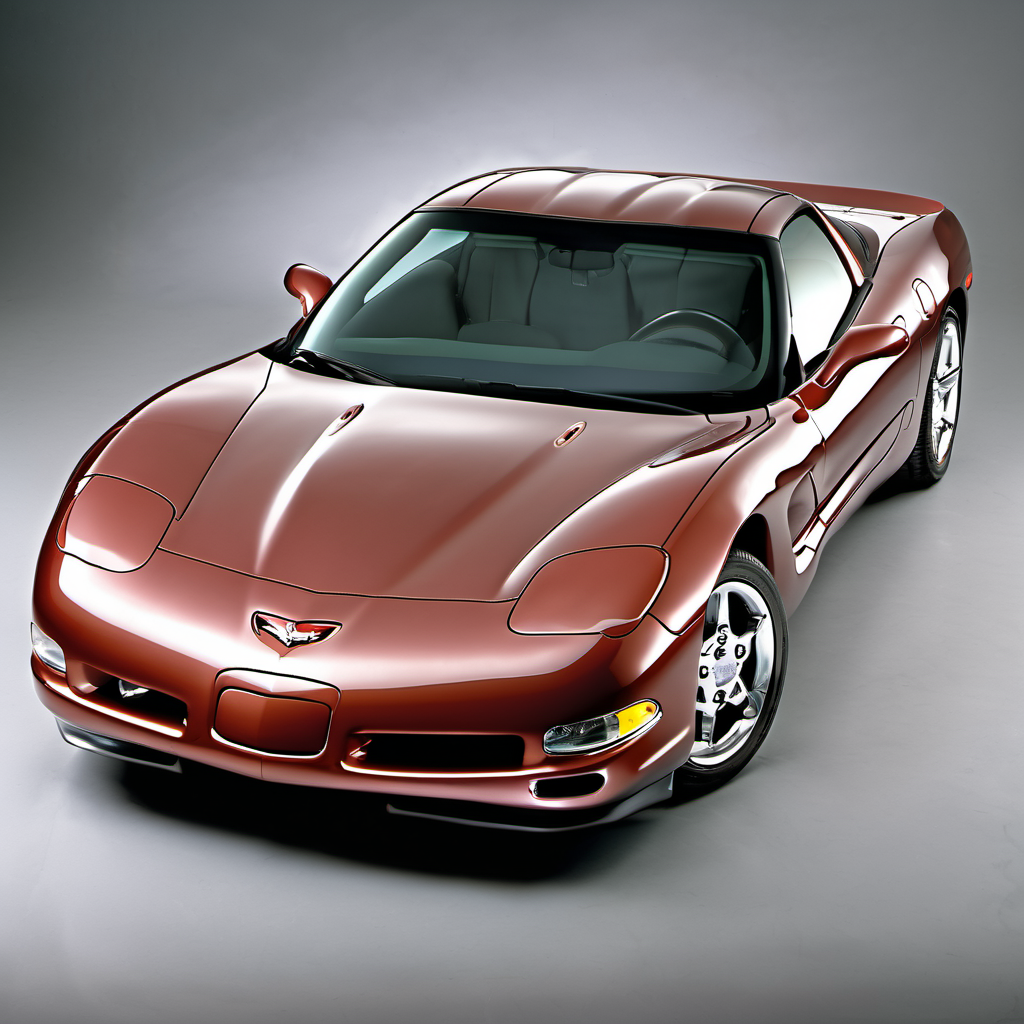
2003 Chevrolet
Coupe
The 2003 Chevrolet Corvette Coupe is the fifth-generation (C5) 'Vette in its final model year, representing the end of a generation that revitalized the nameplate when it launched in 1997. Under the hood is GM's legendary LS1 5.7L V8 — a pushrod engine that punches well above its displacement, delivering 350 horsepower in a lightweight fiberglass-bodied package that weighed in around 3,200 lbs. The result is genuine sports car performance: 0–60 in the low 4-second range with fuel economy numbers that are surprisingly reasonable for a V8 this capable. The C5 platform is well-sorted compared to its C4 predecessor. The hydroformed frame, independent rear suspension, and torque tube drivetrain give it neutral, predictable handling. The fixed-roof coupe body is notably stiffer than the convertible and actually trades its rear glass hatch for a removable targa-style roof panel. These are attainable sports cars that have appreciated modestly in value — a good sign that the enthusiast community takes care of them. As a 20-year-old performance vehicle in Wisconsin, the big concerns are deferred maintenance, previous track or aggressive-driving wear, and corrosion from road salt. The C5 is not a winter-driven daily — most have been stored seasonally — but always verify that assumption with any used example.
The 2003 Chevrolet Corvette Coupe is the fifth-generation (C5) 'Vette in its final model year, representing the end of a generation that revitalized the nameplate when it launched in 1997. Under the hood is GM's legendary LS1 5.7L V8 — a pushrod engine that punches well above its displacement, delivering 350 horsepower in a lightweight fiberglass-bodied package that weighed in around 3,200 lbs. The result is genuine sports car performance: 0–60 in the low 4-second range with fuel economy numbers that are surprisingly reasonable for a V8 this capable. The C5 platform is well-sorted compared to its C4 predecessor. The hydroformed frame, independent rear suspension, and torque tube drivetrain give it neutral, predictable handling. The fixed-roof coupe body is notably stiffer than the convertible and actually trades its rear glass hatch for a removable targa-style roof panel. These are attainable sports cars that have appreciated modestly in value — a good sign that the enthusiast community takes care of them. As a 20-year-old performance vehicle in Wisconsin, the big concerns are deferred maintenance, previous track or aggressive-driving wear, and corrosion from road salt. The C5 is not a winter-driven daily — most have been stored seasonally — but always verify that assumption with any used example.
The LS1 tolerates extended intervals poorly under high heat from performance driving. Stored cars that sit 6+ months still need a fresh oil change at spring startup.
Plastic coolant crossover pipes and rubber hoses on 20-year-old examples crack without warning. A failure at temperature can overheat the engine within minutes.
AC Delco plugs are recommended. Aftermarket plugs can foul or gap incorrectly in the LS1. Replacement labor is moderate but not trivial with the tucked headers.
Performance driving and moisture absorption degrade brake fluid fast. With a car this capable, fresh fluid is a safety item, not optional.
The C5's torque-tube rear end has its own fluid that is often skipped in service histories. Neglected fluid leads to bearing noise and eventual seal failure.
Seals crack and latch pins wear. Water intrusion into the cabin causes electrical issues and mold — especially if the car was stored with the top off or improperly sealed.
A drained battery in a stored sports car is the #1 cause of unnecessary electrical gremlins and BCM reset issues on wake-up in spring.
The staggered fitment (front/rear different widths) means rotation is not always possible, but inspection for cracking and age is critical — especially on lightly-driven examples where tires age out before they wear out.
Always defer to the manufacturer's service manual for warranty-mandated intervals.
For a garage-kept, seasonally-driven C5 with a clean service history, annual costs are reasonable for a performance vehicle. The engine and drivetrain are not expensive to maintain if you stay ahead of cooling system and fluid services. The budget risks come from deferred maintenance on a used example: a neglected cooling system, worn suspension bushings, or water-damaged interior can each run $1,000–$3,000+ to put right. Budget an additional $1,000–$2,500 upfront inspection and catch-up service when buying any used C5.
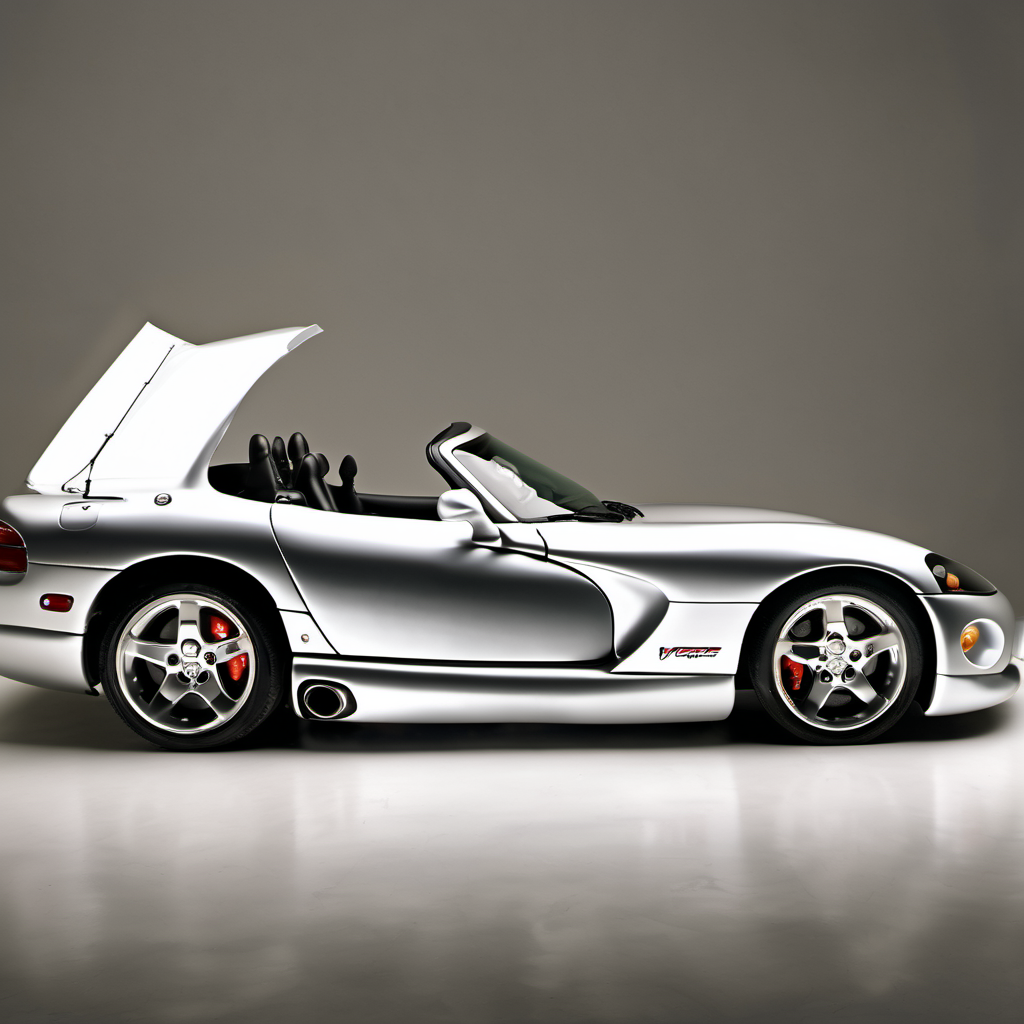
American V8/V10 sports car from the same era and price range on the used market. More raw, less daily-driveable, but a direct domestic performance peer.
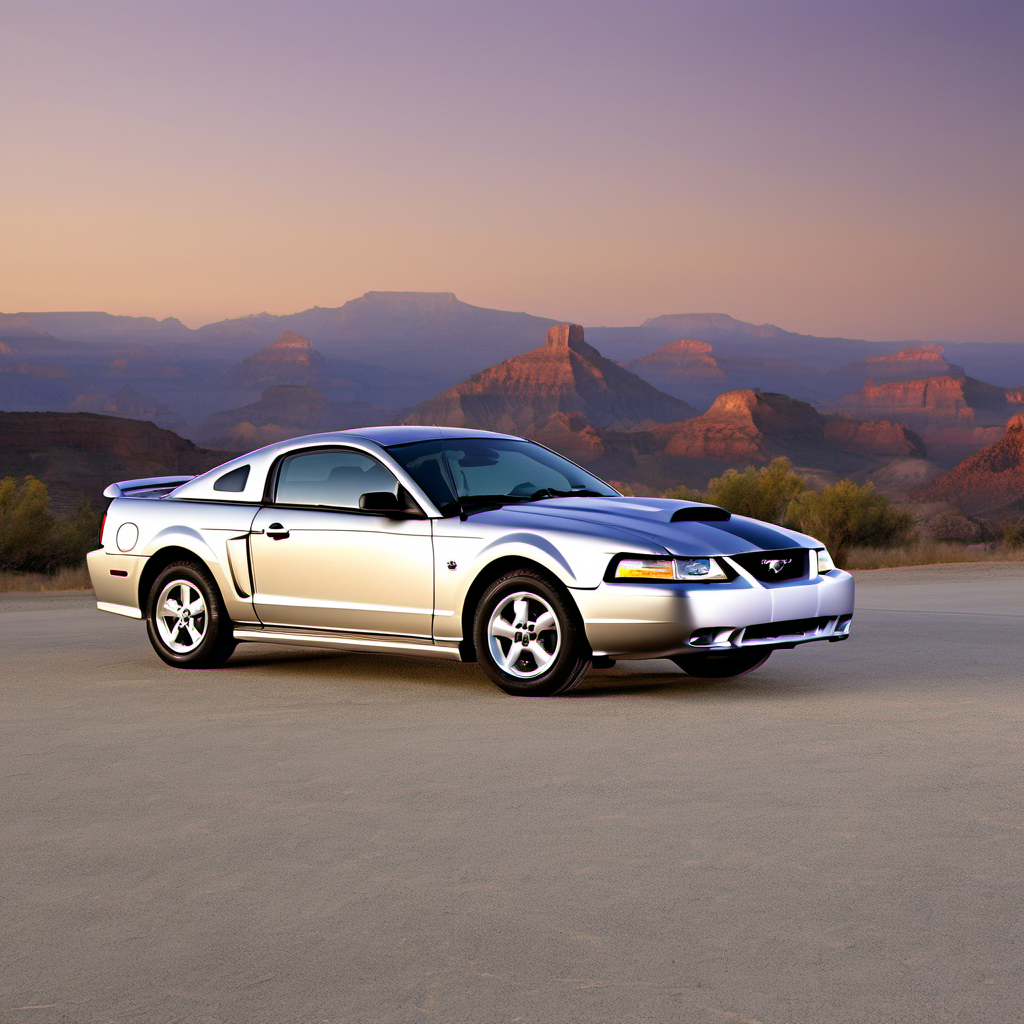
The 2003 Cobra was supercharged to 390 hp — genuine performance competition at a lower used-market price. Less exotic but more practical for occasional driving.
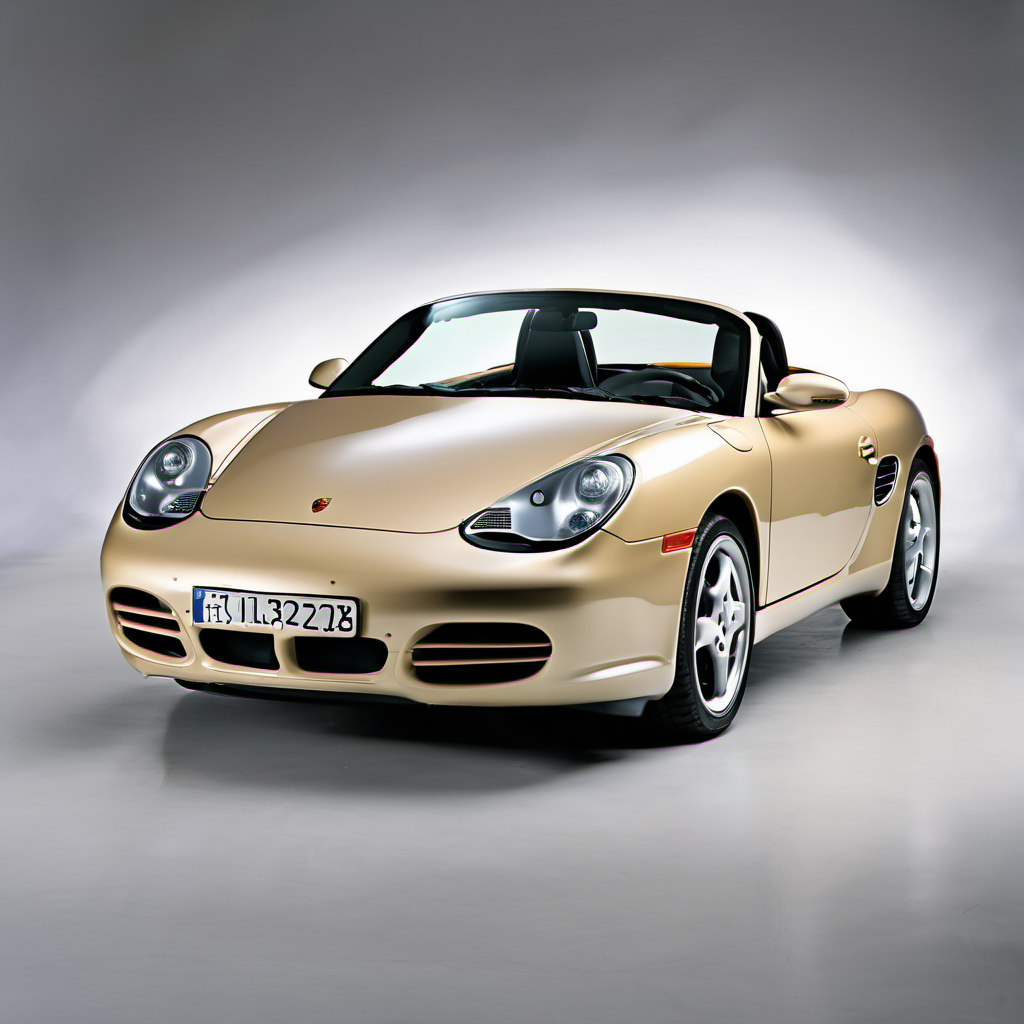
Similar two-seat RWD sports car mission, European alternative. More refined daily driver, but significantly higher maintenance costs and a more complex engine.
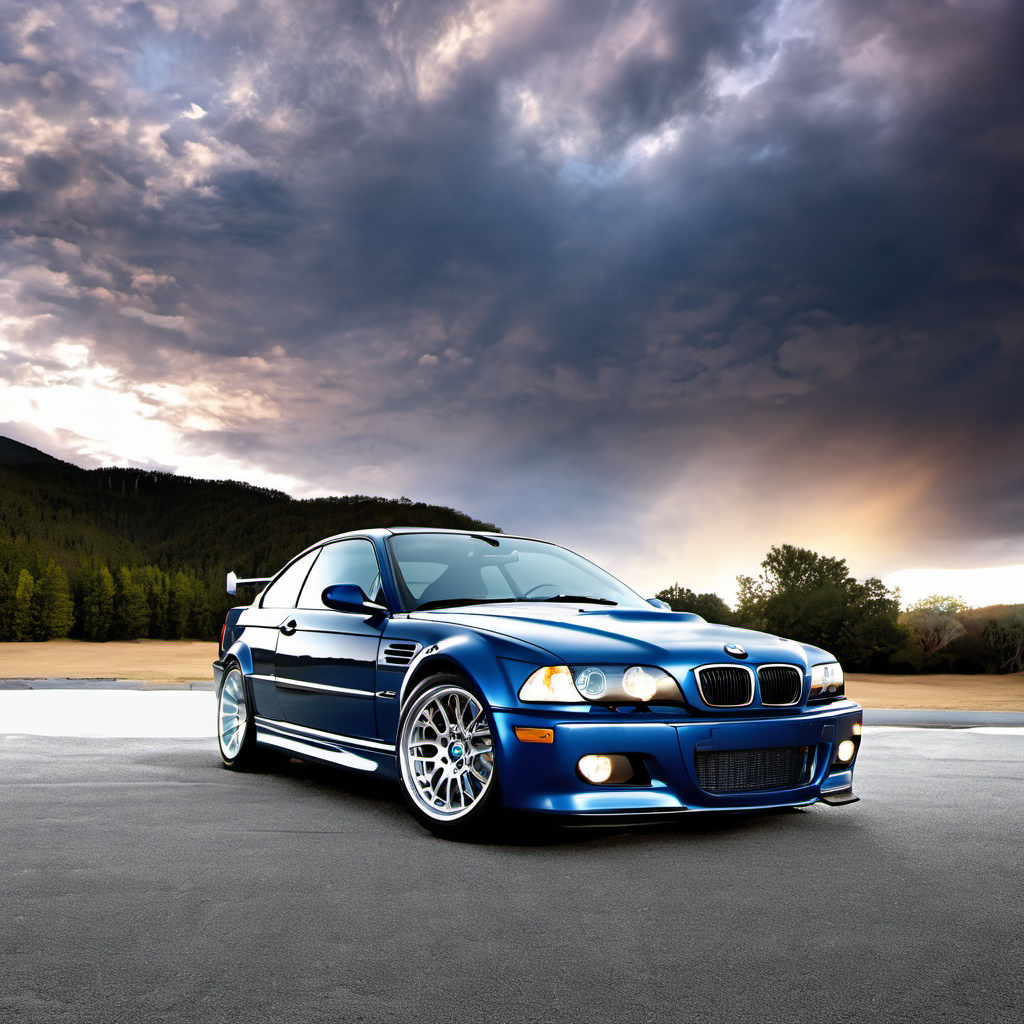
E46 M3 is a direct contemporary: two-door, RWD, high-revving, track-capable. More practical with a back seat, but maintenance costs are considerably higher than the LS1-powered Corvette.