Intake Manifold Gasket Failure (Lower)
high- Typically appears
- 60–120k mi
- Estimated repair
- $400 – $700
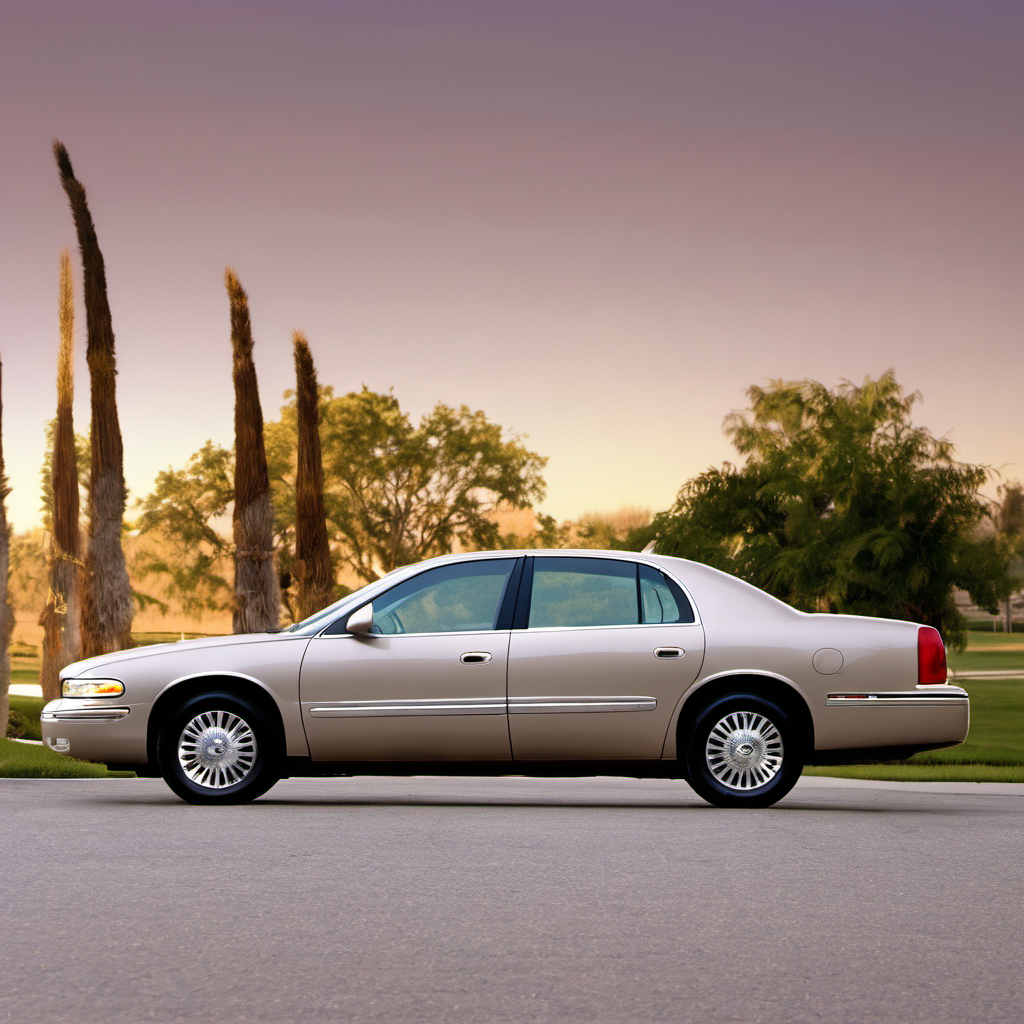
2003 Buick
Sedan
The 2003 Buick Park Avenue is the final generation of a nameplate that ran from 1991 through 2005. It's a full-size, front-wheel-drive luxury sedan built around GM's proven 3800 Series II V6 — one of the most durable engines the company ever produced. Targeted at buyers who wanted a quiet, comfortable, highway-capable cruiser without European pricing, the Park Avenue delivered genuine refinement: a soft but controlled ride, a hushed cabin, and a long list of standard features for the era. By 2003 the design was mature and well-sorted. Power steering, dual-zone climate, heated seats, and a Northstar-free powertrain (a deliberate advantage over Cadillac stablemates) made it a practical luxury choice. The base 3800 V6 is notably bulletproof when maintained, and parts are inexpensive and widely available across the Midwest. At 20+ years old, most Park Avenues on the road today are high-mileage examples. The platform's strength is also its limitation — it was already aging in 2003, and its size, fuel economy, and styling have not aged into desirability. Values are low, but a well-kept example is a comfortable, reliable driver for someone who isn't chasing image.
The 2003 Buick Park Avenue is the final generation of a nameplate that ran from 1991 through 2005. It's a full-size, front-wheel-drive luxury sedan built around GM's proven 3800 Series II V6 — one of the most durable engines the company ever produced. Targeted at buyers who wanted a quiet, comfortable, highway-capable cruiser without European pricing, the Park Avenue delivered genuine refinement: a soft but controlled ride, a hushed cabin, and a long list of standard features for the era. By 2003 the design was mature and well-sorted. Power steering, dual-zone climate, heated seats, and a Northstar-free powertrain (a deliberate advantage over Cadillac stablemates) made it a practical luxury choice. The base 3800 V6 is notably bulletproof when maintained, and parts are inexpensive and widely available across the Midwest. At 20+ years old, most Park Avenues on the road today are high-mileage examples. The platform's strength is also its limitation — it was already aging in 2003, and its size, fuel economy, and styling have not aged into desirability. Values are low, but a well-kept example is a comfortable, reliable driver for someone who isn't chasing image.
The 3800 V6 is extremely oil-change-sensitive. Sludge buildup from extended intervals is the #1 killer of this engine. Use the manufacturer-specified viscosity and don't push OLM reminders past 5k on a used example.
The 4T65-E depends on clean fluid. If service history is unknown, do it immediately — dark, burnt fluid accelerates clutch pack wear.
Degraded Dex-Cool becomes acidic and attacks the intake manifold gaskets and plastic coolant crossovers — the Park Avenue's most common and expensive failure.
The 3800 has a distributor-less coil pack ignition. Worn plugs or cracked wires cause misfires that stress the coil packs — a more expensive follow-on repair.
Belt failure at highway speed strands the car and can damage accessories. Tensioner pulleys fail silently until they seize.
Moisture absorption in the brake fluid lowers the boiling point and corrodes ABS hardware — especially relevant in the salt-heavy Wisconsin environment.
At 20+ years old, salt damage to the subframe, brake lines, and fuel lines is a structural and safety concern. Inspect brake lines closely — replacement before failure is much cheaper than an emergency.
A 3800 V6 starts easily when healthy, but a marginal battery exposed to sub-zero Wisconsin temps will fail without warning. Load testing in October catches this before January.
Always defer to the manufacturer's service manual for warranty-mandated intervals.
The Park Avenue is a low-cost vehicle to own on an annual basis as long as major repairs are avoided. Parts are cheap and every independent shop can work on a 3800 V6. The financial risk is a transmission rebuild or a neglected coolant system that causes head gasket issues — both $1,500–$3,000+ events. Buy a clean, well-documented example and you'll spend modestly. Buy a mystery car and you could face several large bills quickly.
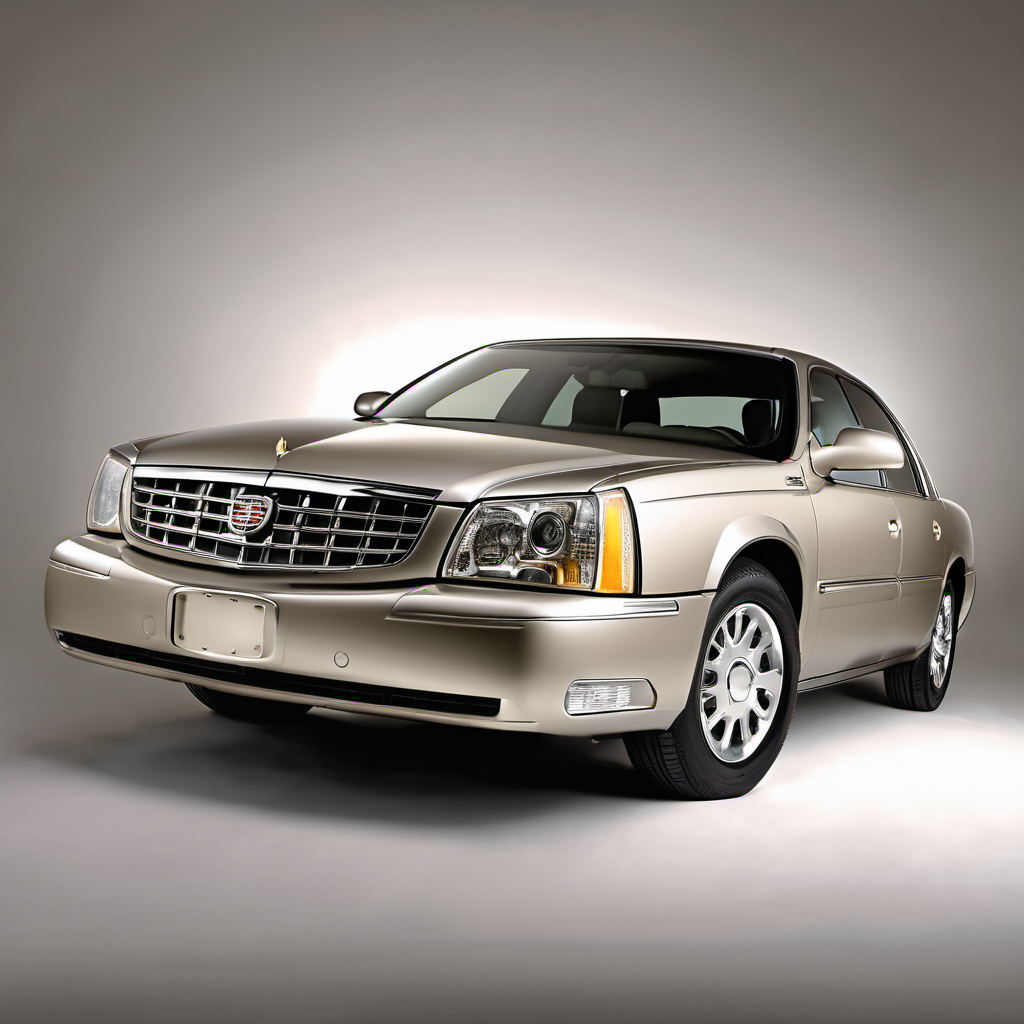
Same GM full-size platform, similarly priced used, more prestige badge — but the Northstar V8 has a well-documented head bolt problem that makes the Park Avenue's 3800 a safer long-term bet.
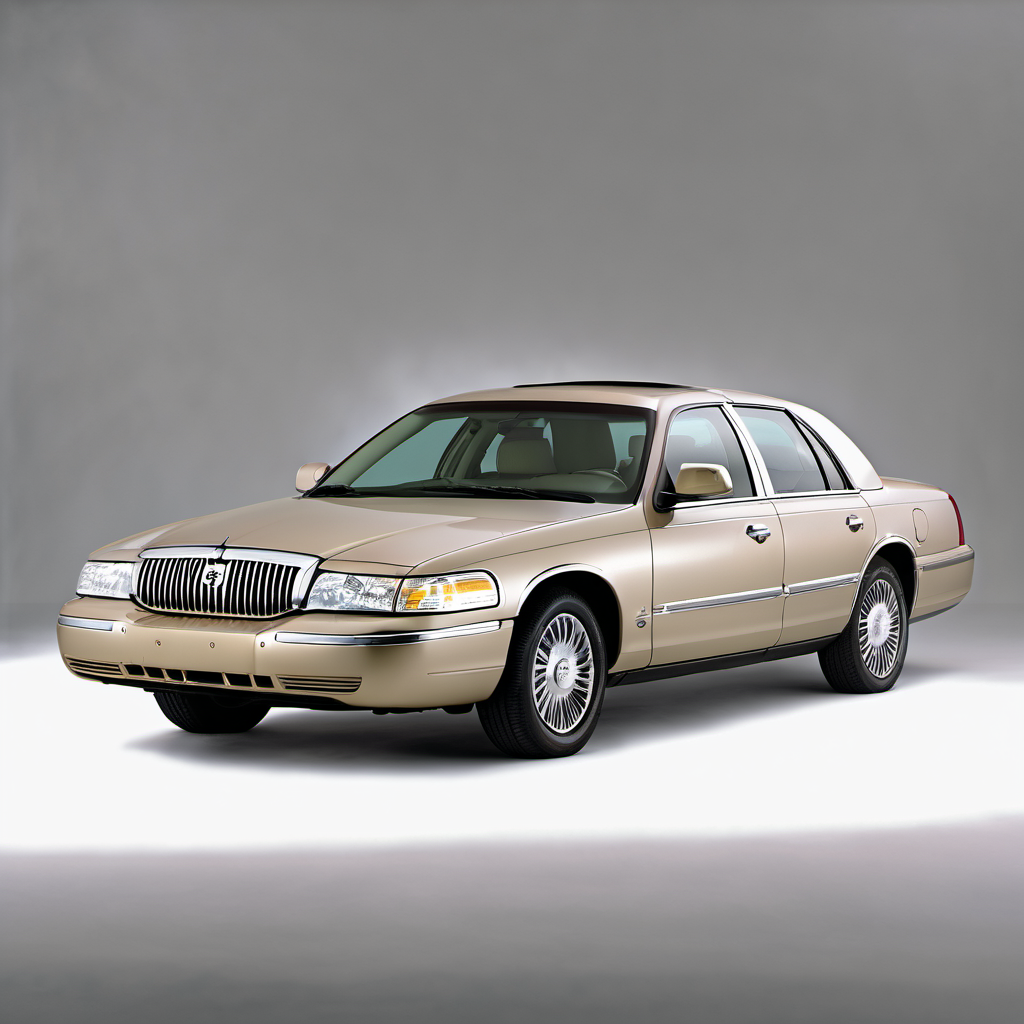
RWD full-size American luxury sedan at the same price point. Simpler mechanicals and famously durable 4.6L V8, though the rear-drive platform behaves differently in Wisconsin winters without proper tires.
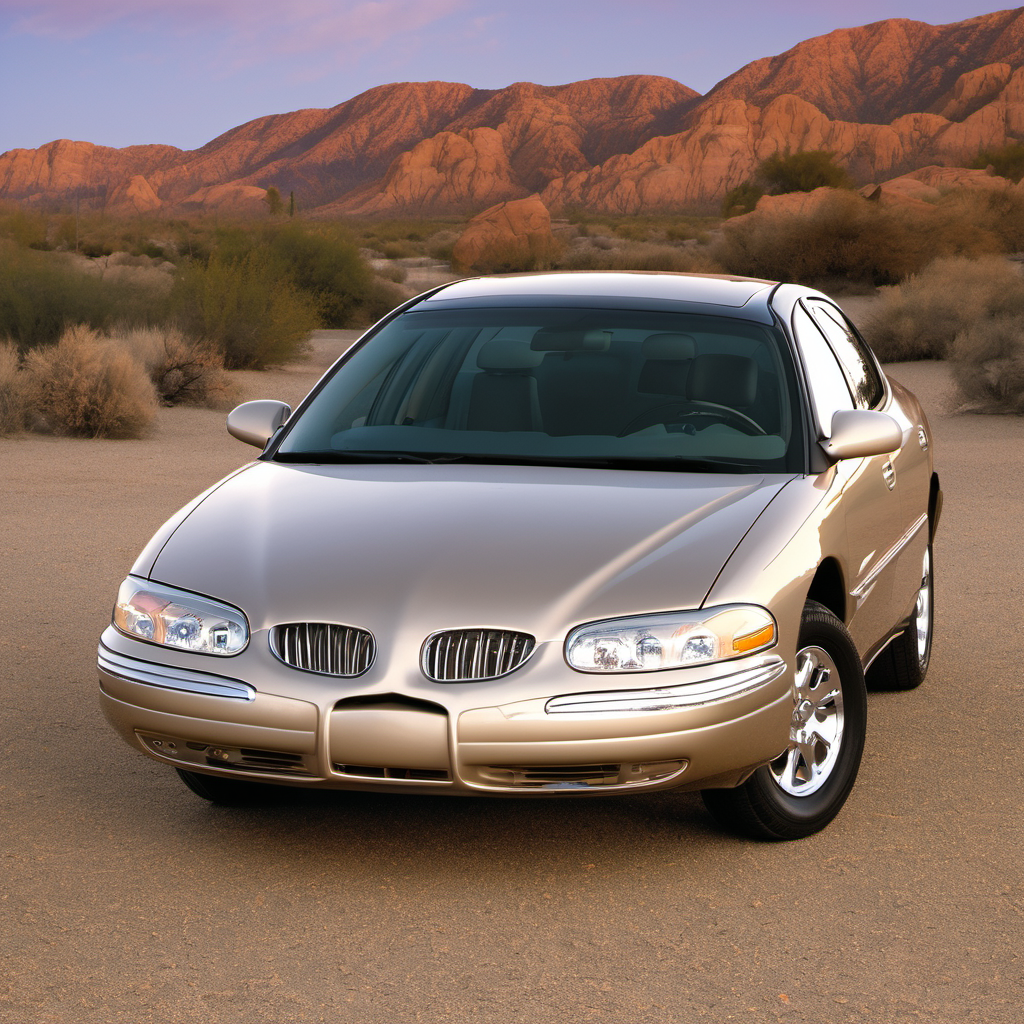
Shares the Park Avenue's H-body platform and 3800 V6 engine. Slightly sportier tuning and lower resale — a nearly identical ownership experience with more driver-focused styling.
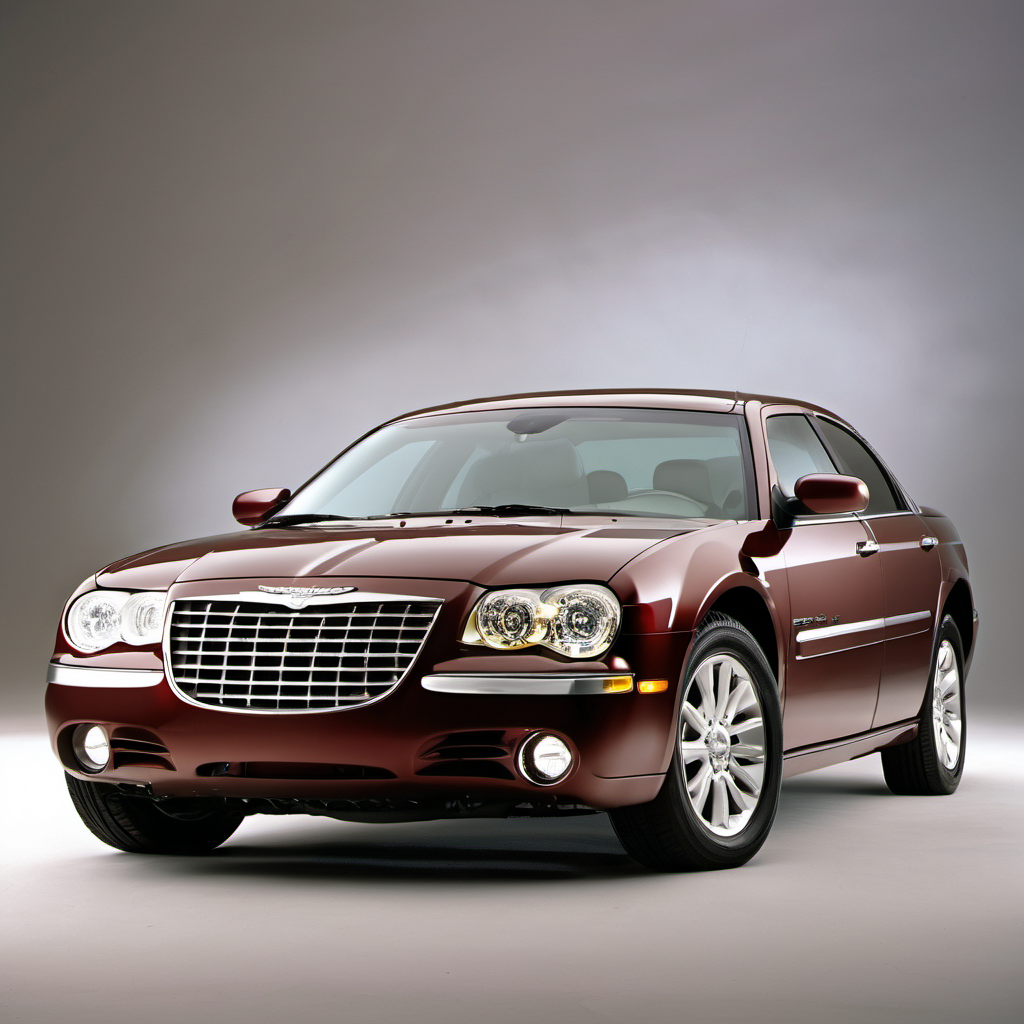
FWD full-size luxury sedan at a similar used price. The 2.7L V6 is reliability-challenged compared to the 3800; choose carefully and prioritize a 3.5L-equipped example if cross-shopping.